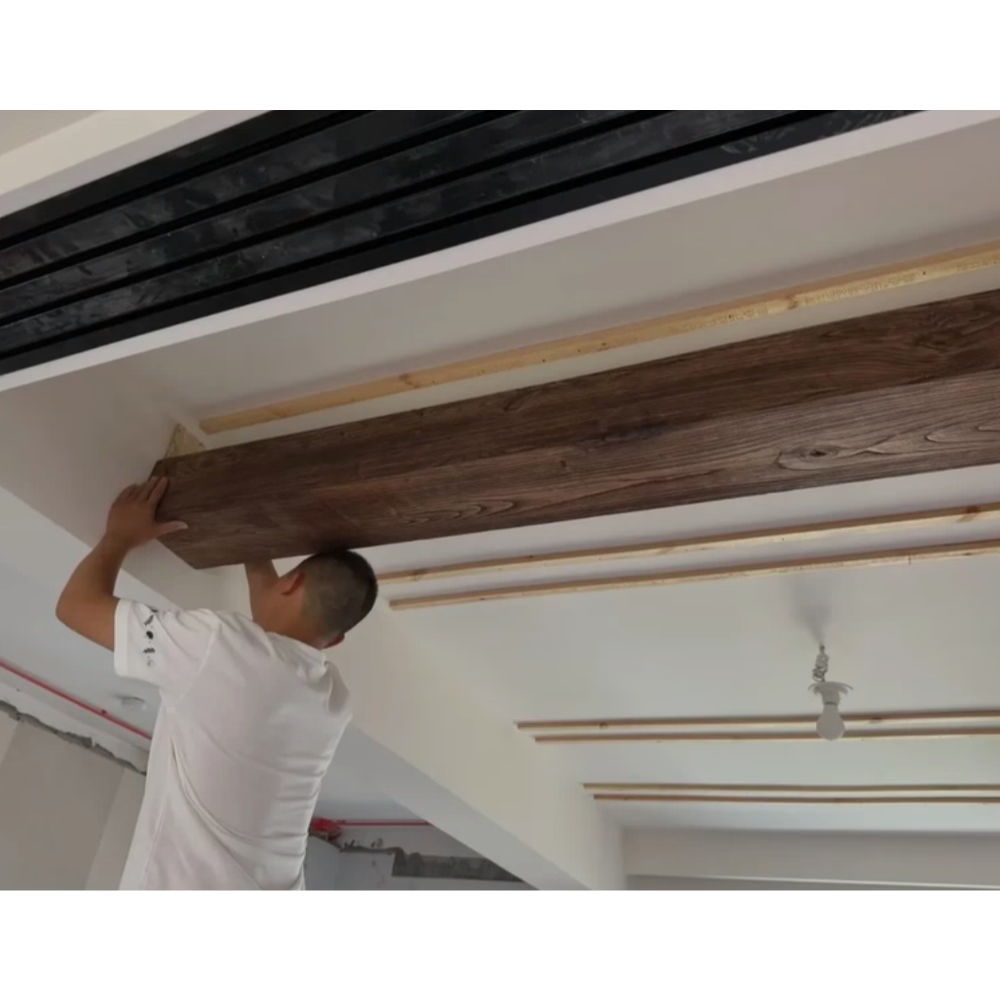
Synthetic Wood Grain Polyurethane Ceiling Beams
Interior Installation: fauxwoodbeams 017
Materials Scientist lecture Perspective
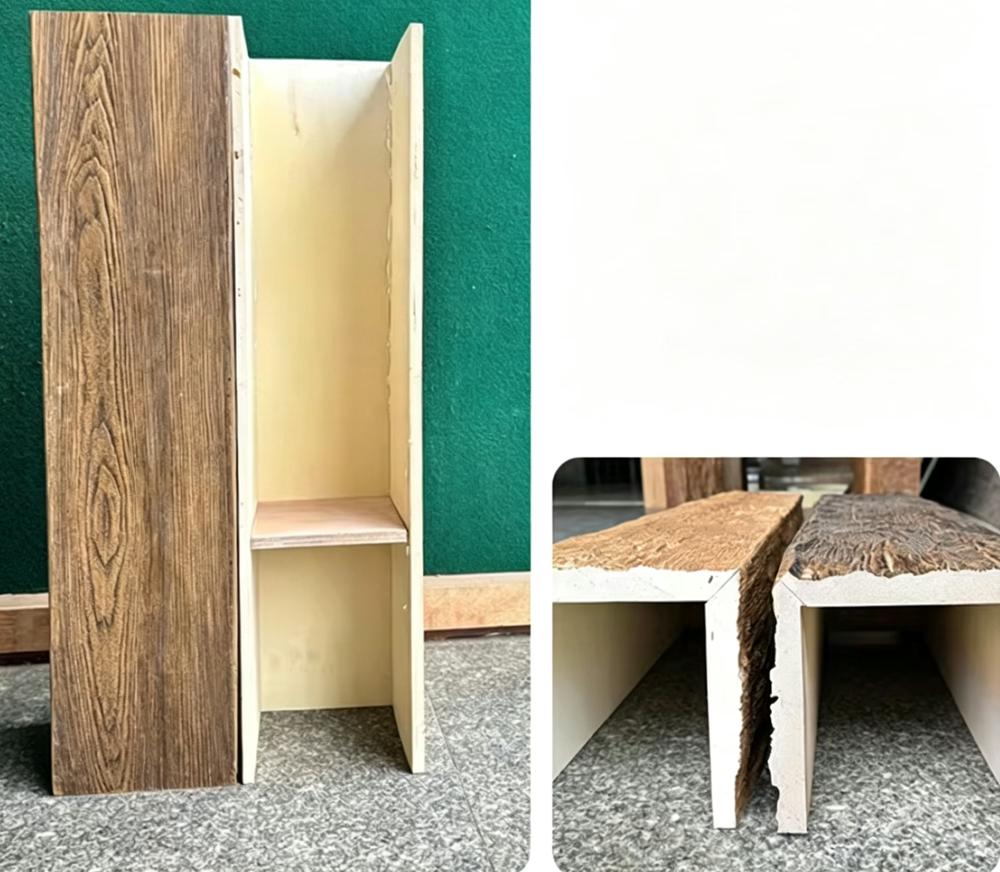
The wood grain you see on a synthetic polyurethane beam is not a surface pattern - it's a three-dimensional structure molded into the material itself. That's a meaningful distinction from vinyl decals, printed laminates, or wrapped finishes that put the appearance on top of a smooth substrate. When you run your finger across our synthetic wood grain profile, you feel grain ridges because there ARE grain ridges, not because the pattern was printed to look that way. This distinction matters for durability, repairability, and long-term appearance. Let me explain what's happening at the material level.
Faux Wood Beam Installation
The wood grain you see on a synthetic polyurethane beam is not a surface pattern - it's a three-dimensional structure molded into the material itself. That's a meaningful distinction from vinyl decals, printed laminates, or wrapped finishes that put the appearance on top of a smooth substrate. When you run your finger across our synthetic wood grain profile, you feel grain ridges because there ARE grain ridges, not because the pattern was printed to look that way. This distinction matters for durability, repairability, and long-term appearance. Let me explain what's happening at the material level.
writingStyle
materials-scientist lecture
Why Molded Texture Matters
A printed or laminated finish sits on top of the substrate. If it gets damaged - scratched, chipped, worn through - the underlying material is exposed and the appearance is compromised. Our molded texture is integral to the part. A scratch on a synthetic wood grain beam doesn't reveal a different material underneath; it reveals the same polyurethane material with the same grain structure. Minor surface scratches can often be touched up by lightly sanding the area and reapplying topcoat - the texture remains because it was never just on the surface.
Synthetic vs. Natural Grain
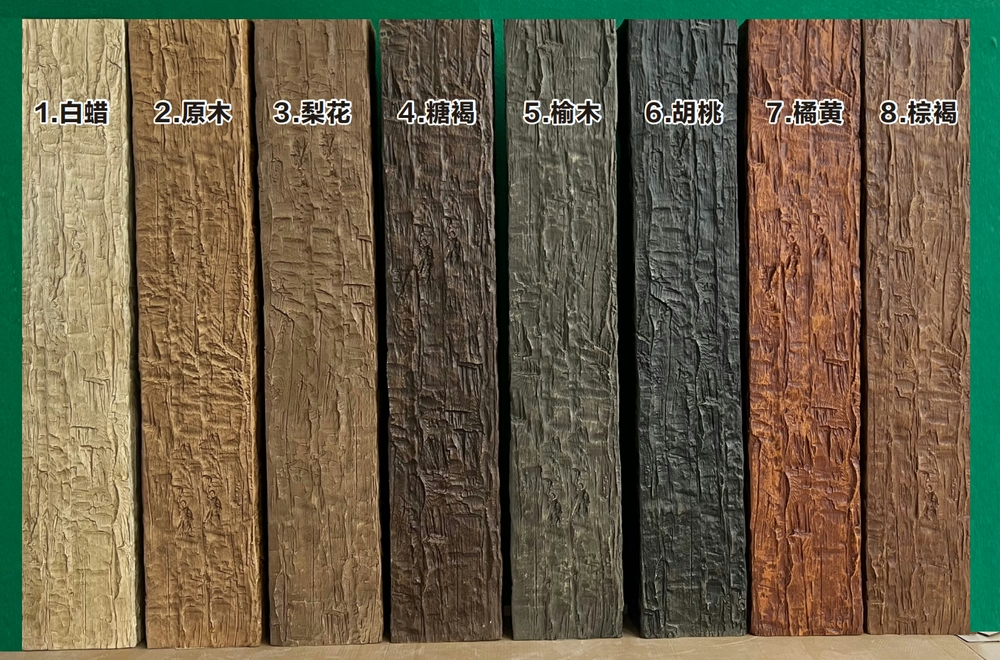
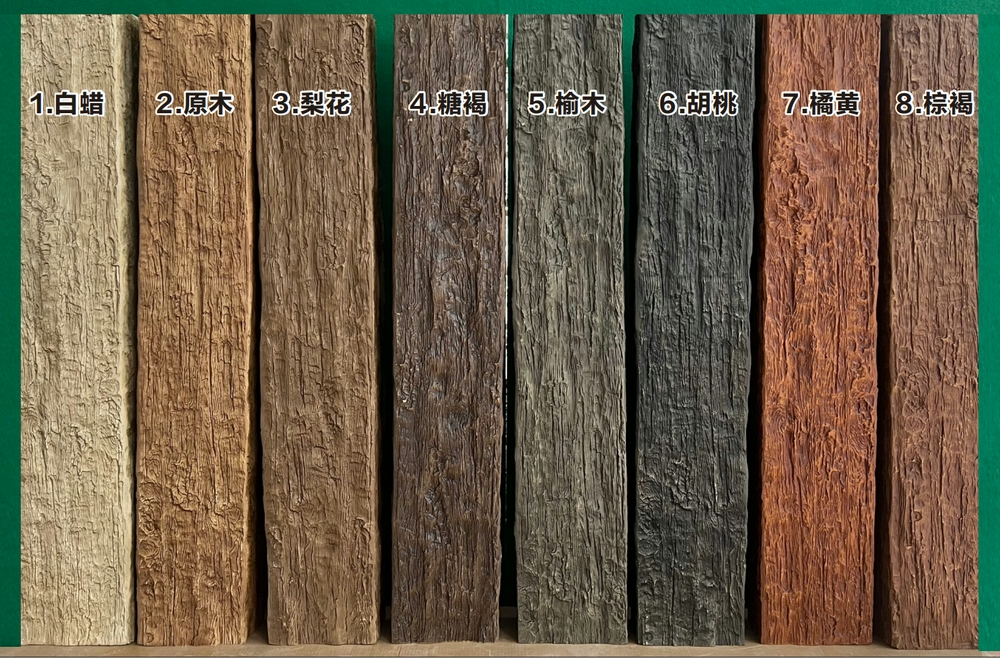
Natural wood grain has irregularities that come from how the tree grew - knots, mineral streaks, density variations. Our synthetic grain replicates these characteristics but with controlled distribution - we can adjust the grain pattern frequency, the depth of the texture, the prominence of knots. For some applications that's an advantage (consistent appearance across multiple beams), for others it's a disadvantage (lacks the wild variation of truly old-growth timber). The choice depends on the design intent - we have customers who specifically want the predictability and customers who specifically want the chaos.
Color Fastness
Because the color is throughout the material, not just on the surface, the beam maintains its appearance even as the surface wears. This is the same principle that makes painted concrete different from painted wood - the wood paint sits on the surface and wears away, while the concrete pigment is part of the material itself. For applications where the beam might be touched, bumped, or handled over decades (mantels, low ceiling beams, accent pieces in tight spaces), this integral color system provides appearance stability that surface-applied finishes cannot match.
Advances in Mold Technology
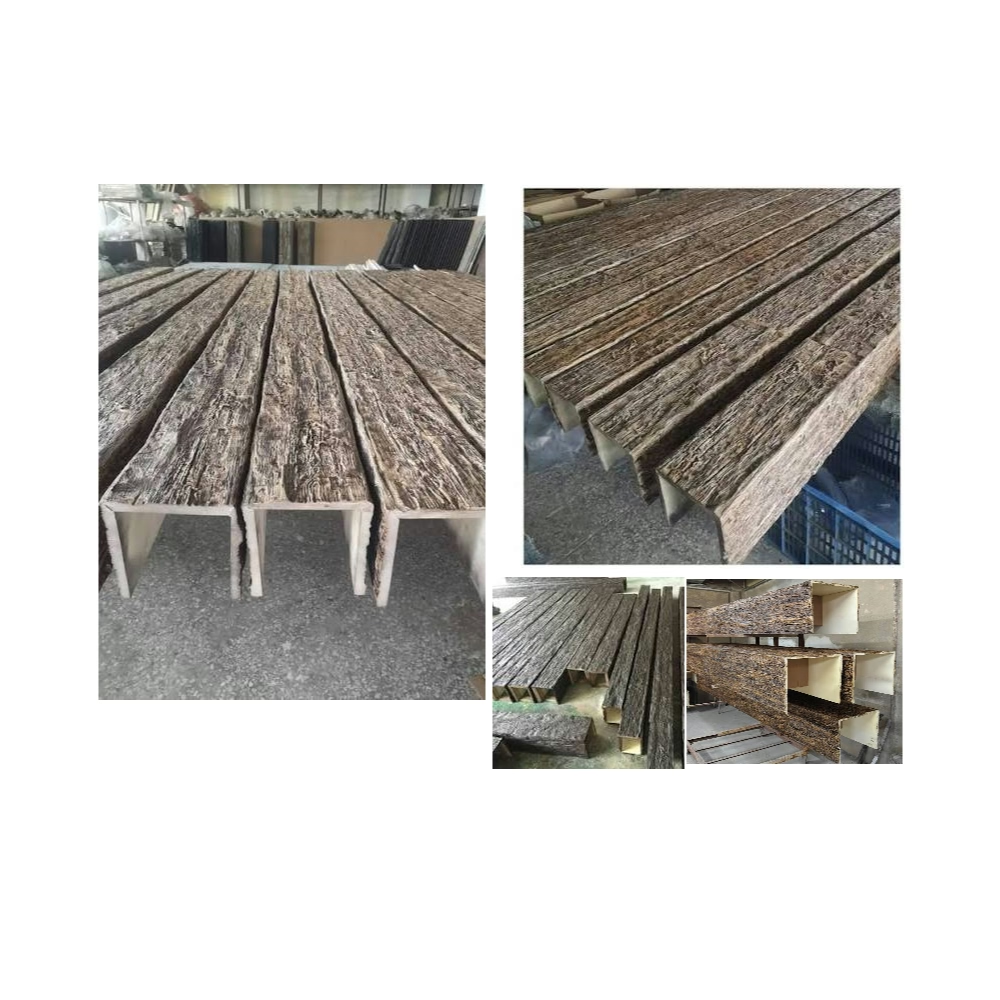
When I started in this industry fifteen years ago, mold-making for faux wood was largely hand-carved by skilled artisans - expensive, time-consuming, and limited in repeatability. Today's mold-making uses high-resolution 3D scanning of actual wood samples, computer-controlled milling of master patterns, and silicone intermediate molds that capture every detail of the master. The result is better texture fidelity, more consistent production output, and lower cost per part. The trade-off is that we've lost some of the 'happy accidents' that occurred in hand-carved molds - but the technical quality is dramatically better.
Material Structure
Frequently Asked Questions
Are faux wood beams realistic looking?
Yes, our faux wood beams feature hand-carved textures and multi-step finishing that captures every detail of authentic aged wood. Most people cannot tell the difference.
How much do these beams weigh?
Our faux wood beams are approximately 88% lighter than real wood. A typical 8-foot beam weighs only 10-15 pounds, making DIY installation easy.
Can I install these outdoors?
Yes, we offer outdoor-rated faux wood beams that are UV-resistant and waterproof, perfect for covered patios and porches.
How do I get a quote?
Click the "Get Inspired - Contact Us" button above. We typically respond within 2-4 hours with pricing tailored to your project.