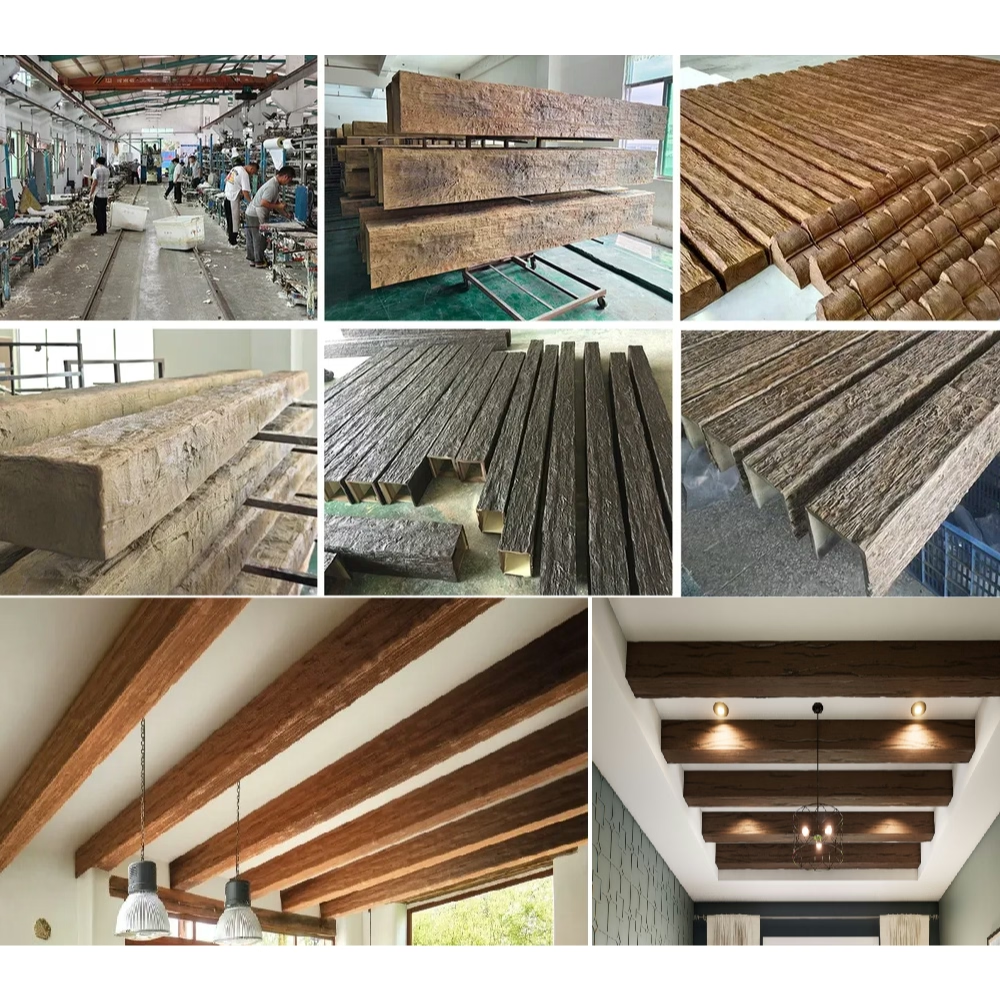
Energy Efficient Polyurethane Faux Wood Beams
Interior Installation: fauxwoodbeams 033
Energy Auditor home Performance Perspective
I'm a residential energy auditor - I go into homes with thermal cameras, blower doors, and combustion analyzers to figure out where energy is being wasted and how to fix it. Most people don't think about ceiling beams when they think about energy efficiency, but the ceiling plane is one of the biggest thermal boundaries in a house, and anything that interrupts it affects performance. Here's what I've learned about how beams interact with home energy efficiency.
Faux Wood Beam Installation
I'm a residential energy auditor - I go into homes with thermal cameras, blower doors, and combustion analyzers to figure out where energy is being wasted and how to fix it. Most people don't think about ceiling beams when they think about energy efficiency, but the ceiling plane is one of the biggest thermal boundaries in a house, and anything that interrupts it affects performance. Here's what I've learned about how beams interact with home energy efficiency.
writingStyle
energy-auditor home-performance
Installation Impact
A beam that's recessed into the ceiling (creating a dropped soffit around it) compresses the insulation in that area, reducing its R-value. A beam that's surface-mounted below the ceiling plane doesn't interrupt the insulation at all. For maximum energy performance, surface-mounted or flush-mounted beams are better than recessed installations. The recessed look is popular aesthetically but the performance cost is real.
Closed-Cell Properties
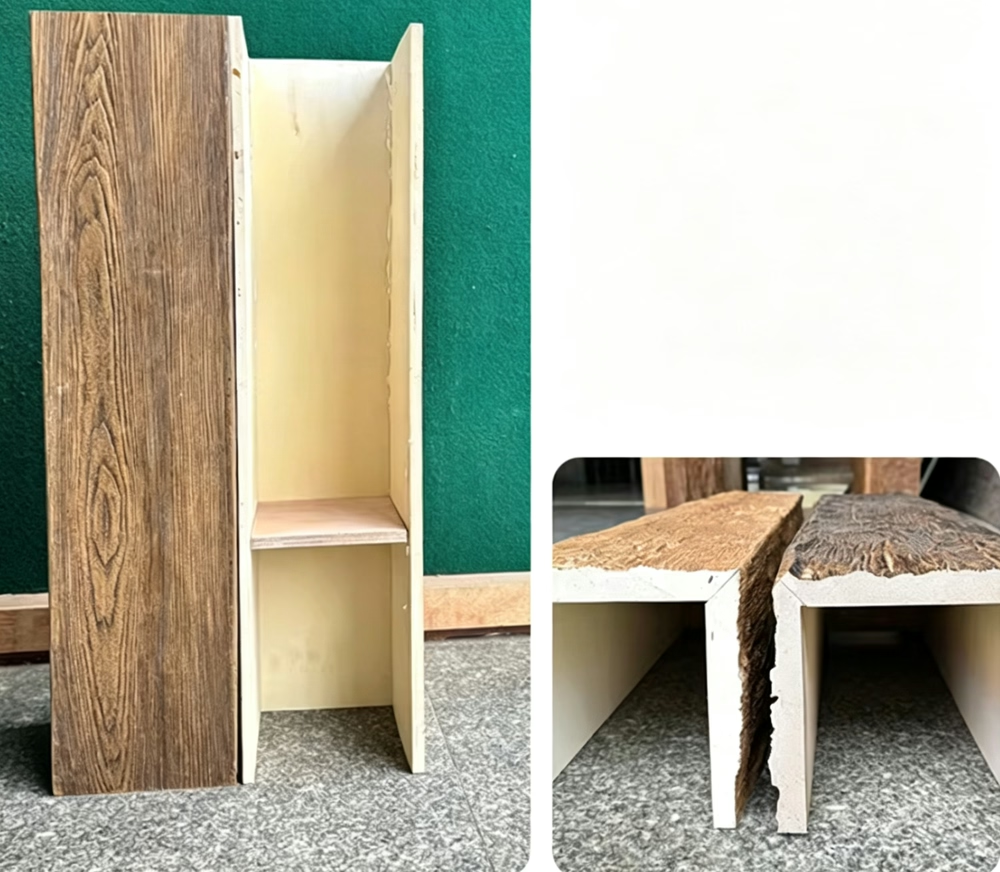
Our closed-cell polyurethane beams provide incidental insulation value - the same closed-cell structure that makes them moisture-resistant also provides some thermal resistance. The R-value contribution is small (the beam walls are thin), but it's not zero. In a tightly insulated home, every bit of R-value helps.
Air Sealing
Where beams pass through the ceiling (as in vaulted ceiling installations), the penetrations need to be air-sealed to prevent conditioned air from escaping into the attic. Spray foam is the typical sealing material - it expands to fill gaps, adheres to most surfaces, and remains flexible enough to accommodate slight movement. We've seen too many installations where the beam penetrations were left unsealed, resulting in measurable air leakage and homeowner comfort complaints.
HVAC Coordination
Beam installations should be coordinated with HVAC design. Supply and return air ducts, thermostat locations, and ceiling-mounted air handlers all interact with beam placement. A beam that blocks a return air path can cause HVAC performance problems. A thermostat located near a beam that's been heated by solar gain will read inaccurately. These interactions are best resolved during design rather than discovered during installation.
Thermal Boundary Basics
Frequently Asked Questions
Are faux wood beams realistic looking?
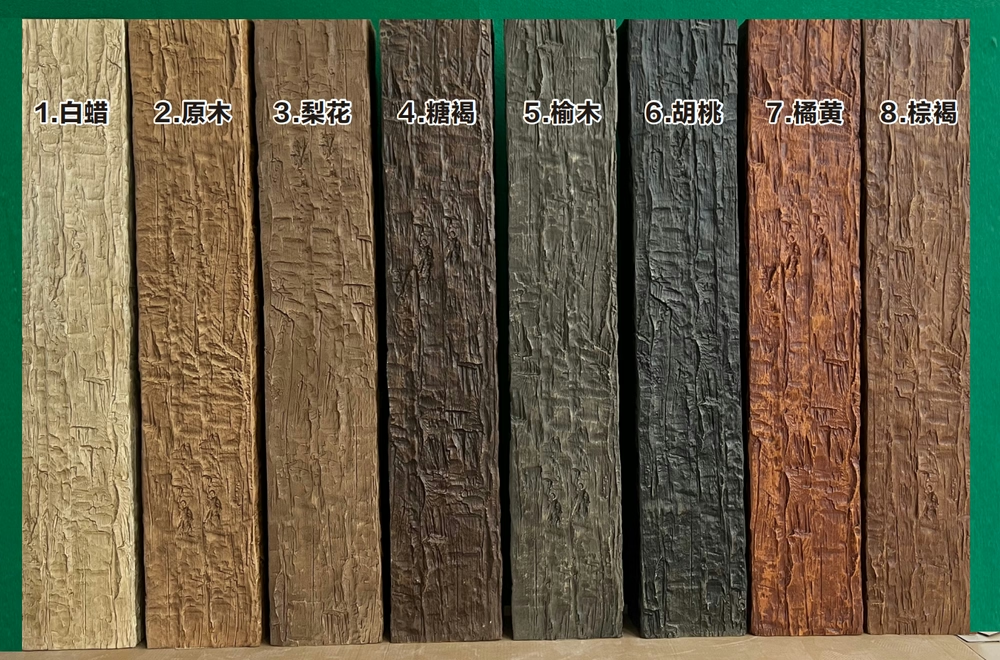
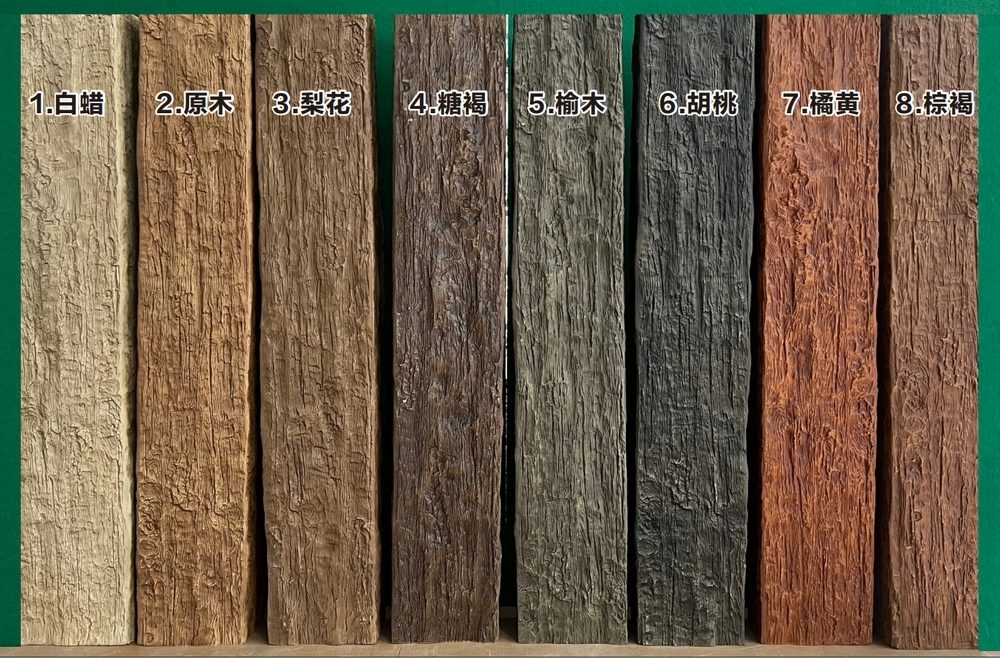
Yes, our faux wood beams feature hand-carved textures and multi-step finishing that captures every detail of authentic aged wood. Most people cannot tell the difference.
How much do these beams weigh?
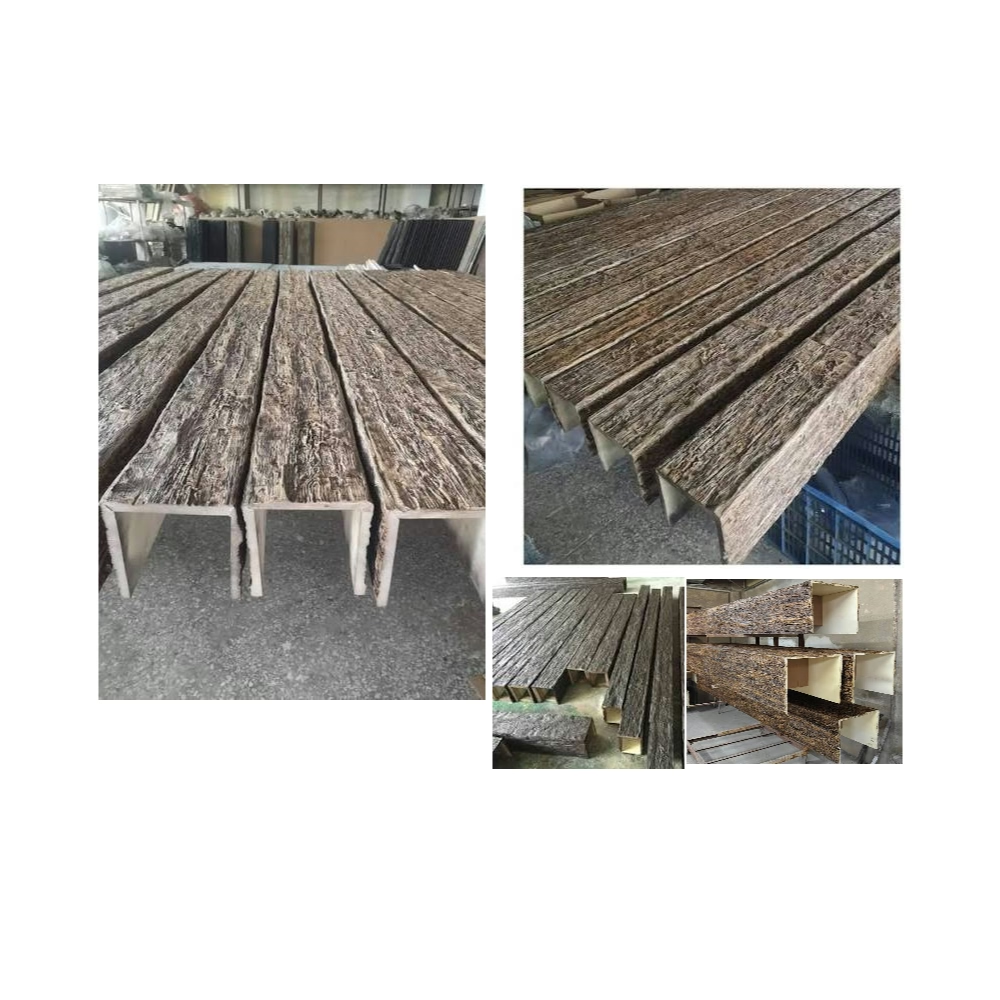
Our faux wood beams are approximately 88% lighter than real wood. A typical 8-foot beam weighs only 10-15 pounds, making DIY installation easy.
Can I install these outdoors?
Yes, we offer outdoor-rated faux wood beams that are UV-resistant and waterproof, perfect for covered patios and porches.
How do I get a quote?
Click the "Get Inspired - Contact Us" button above. We typically respond within 2-4 hours with pricing tailored to your project.