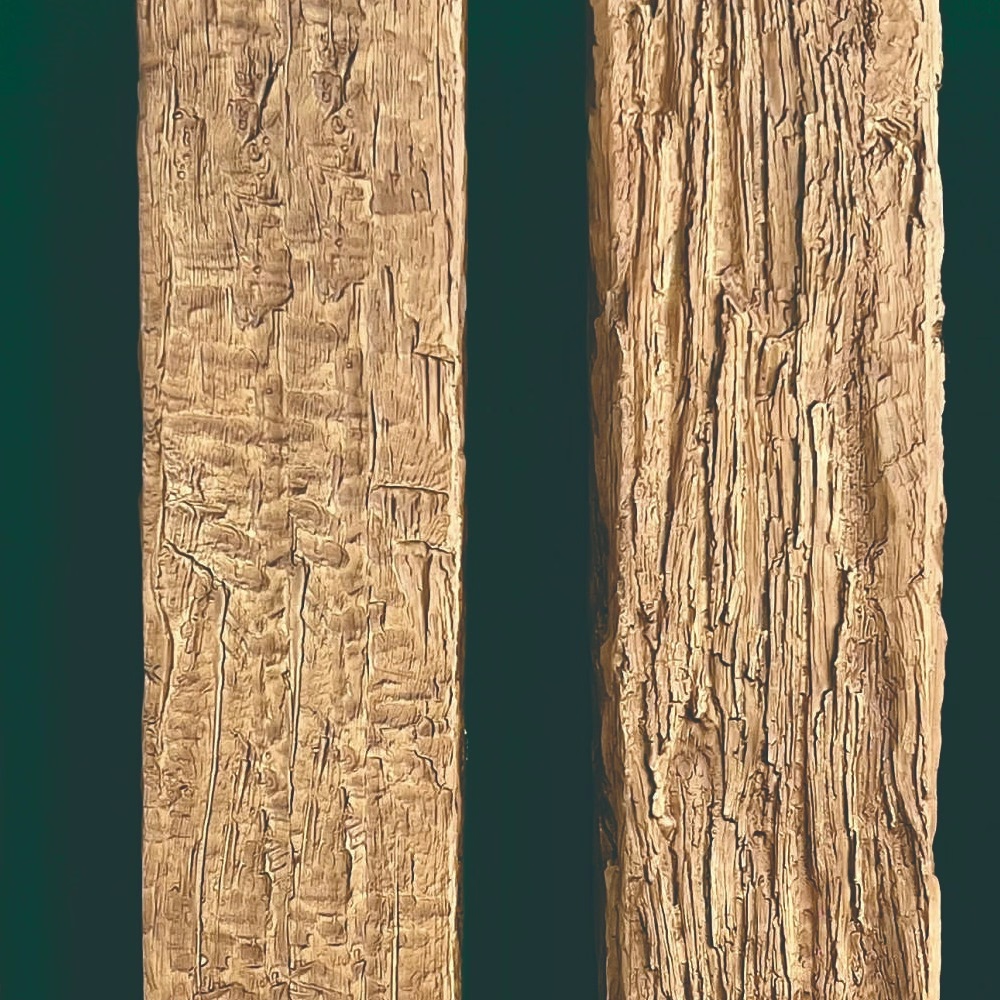
Eco-Friendly Alternative Polyurethane Faux Wood Beams
Interior Installation: fauxwoodbeams 034
Sustainability Consultant eco Friendly Perspective
Sustainability in building materials is more complex than most marketing suggests. Every material choice involves trade-offs - what's better in one category (carbon footprint of manufacturing) may be worse in another (transportation impact, durability, end-of-life disposal). Polyurethane faux wood beams are neither universally 'green' nor universally 'bad' for the environment. They're a specific choice with specific implications. Let me break down the actual environmental considerations rather than the marketing claims.
Faux Wood Beam Installation
Sustainability in building materials is more complex than most marketing suggests. Every material choice involves trade-offs - what's better in one category (carbon footprint of manufacturing) may be worse in another (transportation impact, durability, end-of-life disposal). Polyurethane faux wood beams are neither universally 'green' nor universally 'bad' for the environment. They're a specific choice with specific implications. Let me break down the actual environmental considerations rather than the marketing claims.
writingStyle
sustainability-consultant eco-friendly
What's Green
The honest environmental advantages of polyurethane beams are: long lifespan without maintenance chemicals, lightweight transportation efficiency, and avoidance of harvesting old-growth timber (which is increasingly rare and ecologically valuable). The product enables architectural effects that would otherwise require harvesting trees - for a given visual outcome, using polyurethane preserves forest resources.
Better Choices
For customers who prioritize environmental performance, we offer a recycled-content option that uses post-industrial recycled polyurethane in the core formulation. The recycled content doesn't compromise structural performance and reduces the petroleum demand of the product. We also offer a take-back program for installations where beams are being replaced - we grind the old beams and incorporate them into new products, reducing landfill waste.
Third-Party Certifications
We hold third-party certifications for our environmental claims, including ISO 14001 manufacturing certification and recycled content verification. These certifications are audited by independent bodies and can be provided for any project that requires documentation. Be wary of any manufacturer making environmental claims without third-party verification - self-reported claims are often less accurate than they appear.
Holistic Thinking
Sustainability in building products is best evaluated across the full life cycle, not just at one point. A product with high manufacturing emissions but 30-year durability and full recyclability may be more sustainable than a product with low manufacturing emissions but 5-year lifespan and landfill disposal. We encourage customers to ask for life cycle assessments rather than relying on simple 'eco-friendly' marketing claims. The full picture usually tells a different story than the marketing.
Honest Environmental Assessment
Frequently Asked Questions
Are faux wood beams realistic looking?
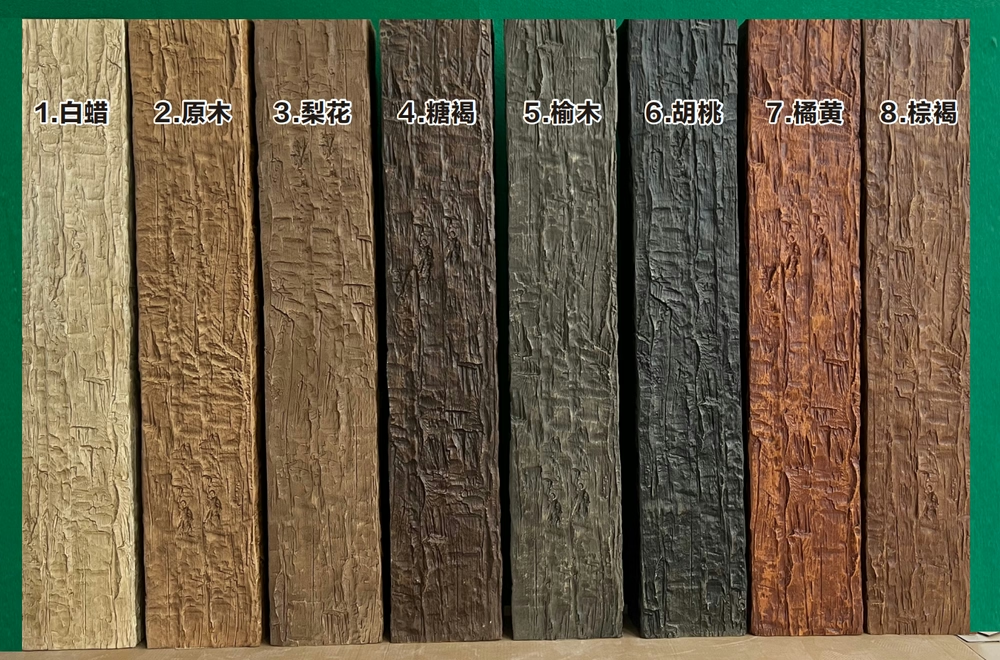
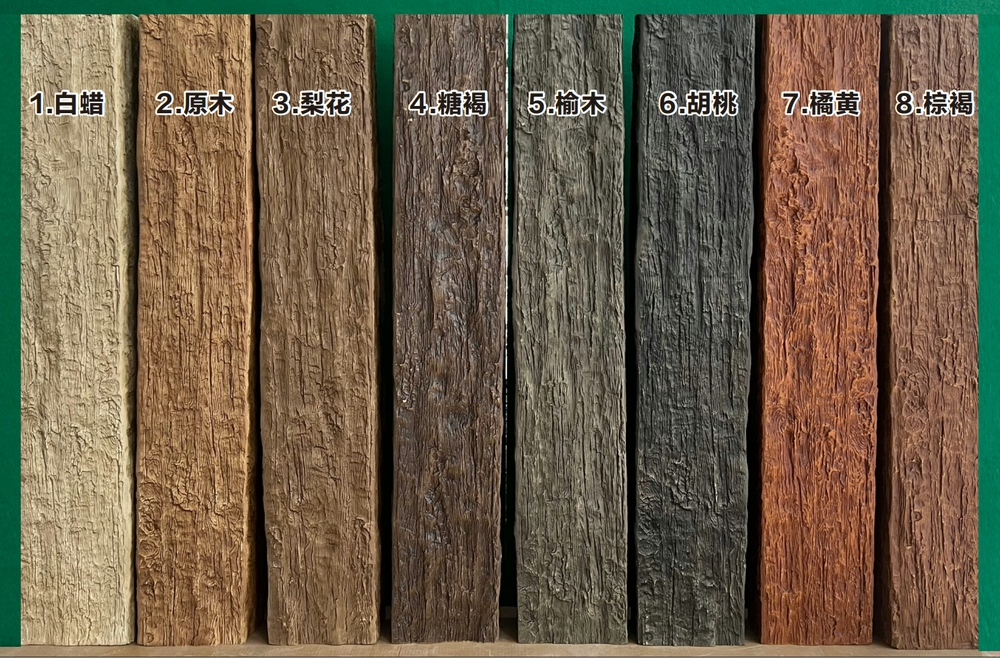
Yes, our faux wood beams feature hand-carved textures and multi-step finishing that captures every detail of authentic aged wood. Most people cannot tell the difference.
How much do these beams weigh?
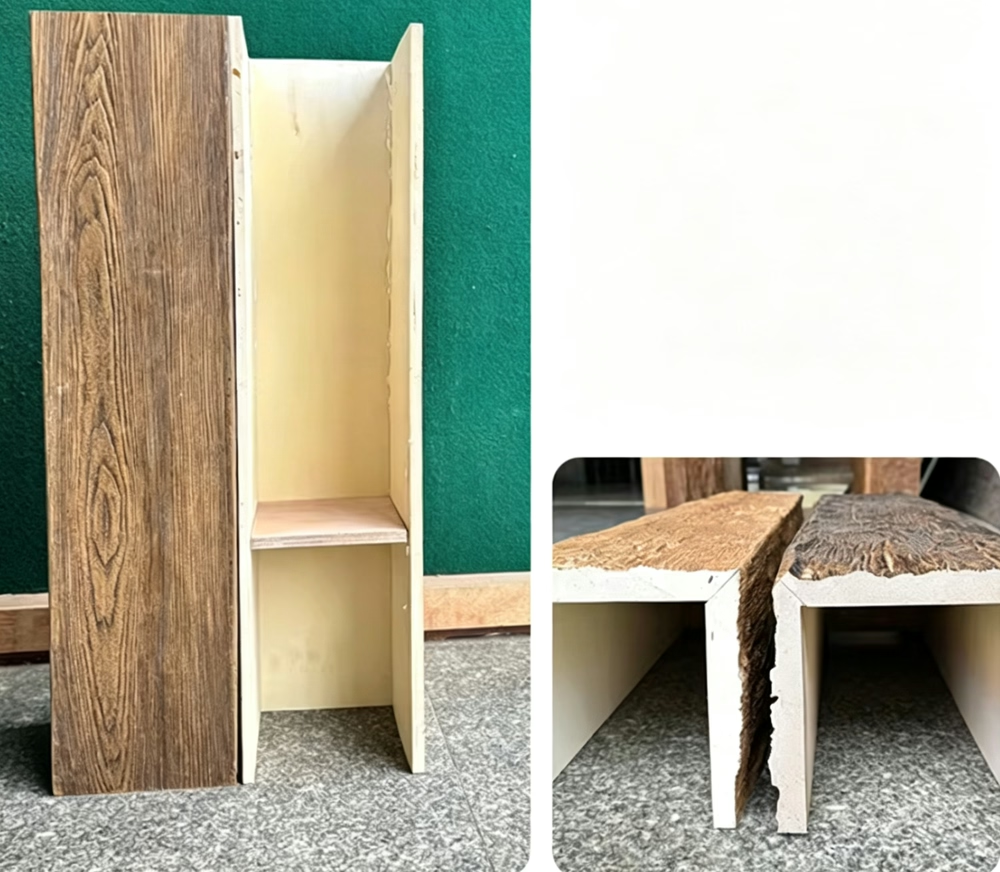
Our faux wood beams are approximately 88% lighter than real wood. A typical 8-foot beam weighs only 10-15 pounds, making DIY installation easy.
Can I install these outdoors?
Yes, we offer outdoor-rated faux wood beams that are UV-resistant and waterproof, perfect for covered patios and porches.
How do I get a quote?
Click the "Get Inspired - Contact Us" button above. We typically respond within 2-4 hours with pricing tailored to your project.