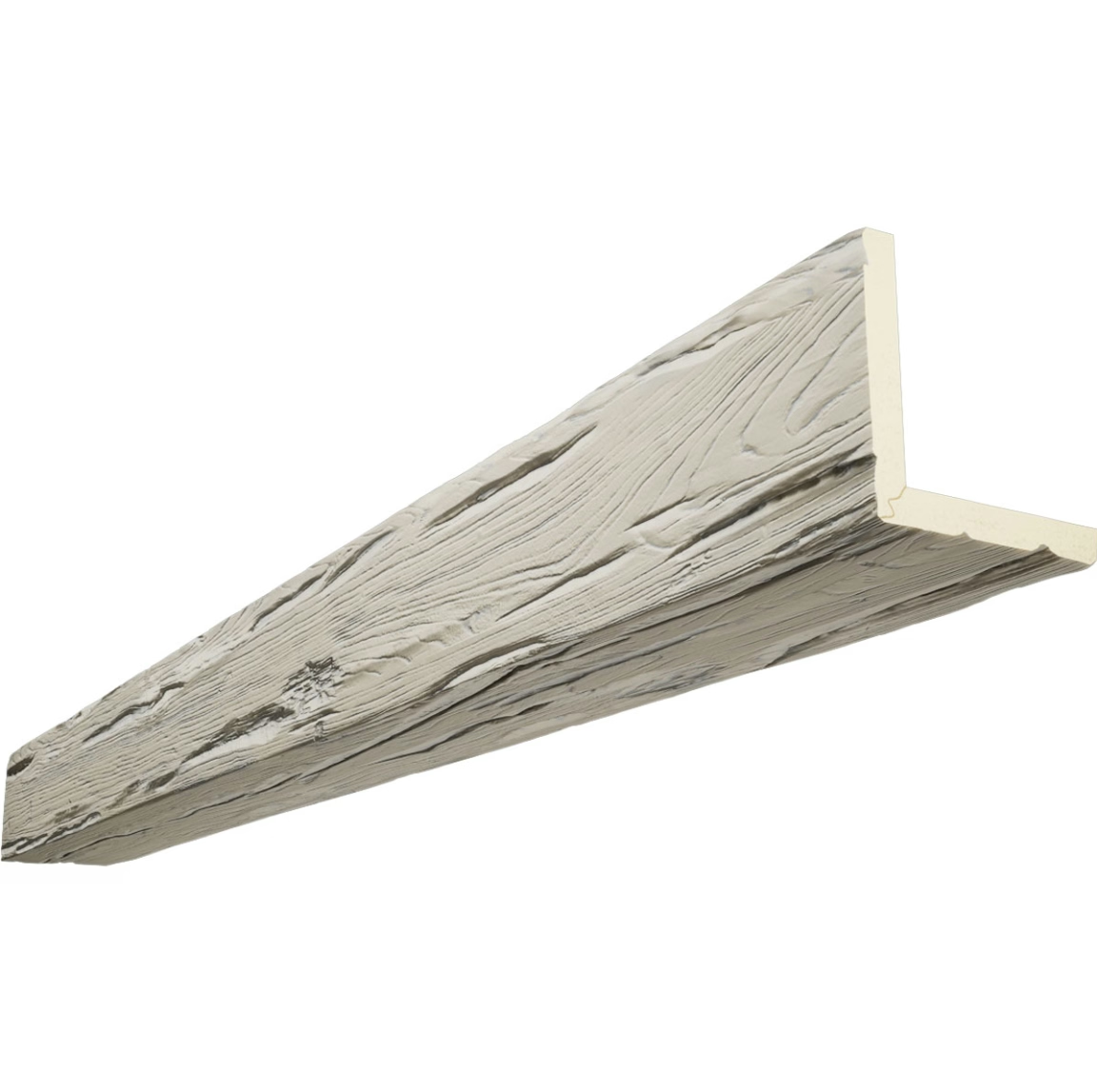
Rot-Proof Polyurethane Faux Wood Beams for Ceilings
Interior Installation: fauxwoodbeams 035
Humid Climate Builder rot Prevention Perspective
I build homes in the southeastern United States, where humidity is a constant factor in building performance. We've spent decades learning what materials hold up in this climate and what doesn't. Real timber beams in our climate are a maintenance burden - they're constantly absorbing and releasing moisture, which leads to checking, warping, and eventually rot. The polyurethane beams we've been using for the last decade have performed dramatically better. Here's what I've observed on actual jobs in coastal and humid environments.
Faux Wood Beam Installation
I build homes in the southeastern United States, where humidity is a constant factor in building performance. We've spent decades learning what materials hold up in this climate and what doesn't. Real timber beams in our climate are a maintenance burden - they're constantly absorbing and releasing moisture, which leads to checking, warping, and eventually rot. The polyurethane beams we've been using for the last decade have performed dramatically better. Here's what I've observed on actual jobs in coastal and humid environments.
writingStyle
humid-climate-builder rot-prevention
Why Wood Fails in Humid Climates
Wood absorbs moisture from humid air, swells, then releases moisture and shrinks. This constant dimensional change causes the grain to lift, the surface to check, and joints to open up. Over time, the wood develops small cracks that collect moisture, which leads to rot. Even pressure-treated wood eventually fails in consistently humid environments. The wood may last longer than untreated wood, but it still degrades - just more slowly.
Polyurethane Performance
Closed-cell polyurethane doesn't absorb water at measurable levels - the cellular structure is sealed and the material is non-hygroscopic. This means the beam doesn't swell in humid weather, doesn't shrink in dry weather, doesn't develop checking from moisture cycling, and doesn't support mold growth. After a decade of installing these beams in coastal Carolina and Florida projects, we've seen essentially zero moisture-related failures.
Installation Considerations
Even with moisture-resistant beams, installation details matter in humid climates. Use corrosion-resistant fasteners (stainless steel or hot-dipped galvanized) to prevent fastener failure. Leave proper expansion gaps at joints to accommodate thermal movement. Ensure adequate ventilation in ceiling cavities to prevent moisture buildup behind the beams. These details add little cost but extend the installation life significantly.
Client Education
When I explain polyurethane beams to clients in humid climates, I focus on the long-term maintenance savings rather than the upfront cost difference. A real wood beam that needs refinishing every 3-5 years in a humid climate costs significant money over 20 years. The polyurethane beam that needs nothing in the same period is clearly more economical - even if the upfront cost is higher. The math works in favor of polyurethane for any humid climate installation lasting more than 10 years.
Humidity Challenges For Building Materials
Frequently Asked Questions
Are faux wood beams realistic looking?
Yes, our faux wood beams feature hand-carved textures and multi-step finishing that captures every detail of authentic aged wood. Most people cannot tell the difference.
How much do these beams weigh?
Our faux wood beams are approximately 88% lighter than real wood. A typical 8-foot beam weighs only 10-15 pounds, making DIY installation easy.
Can I install these outdoors?
Yes, we offer outdoor-rated faux wood beams that are UV-resistant and waterproof, perfect for covered patios and porches.
How do I get a quote?
Click the "Get Inspired - Contact Us" button above. We typically respond within 2-4 hours with pricing tailored to your project.