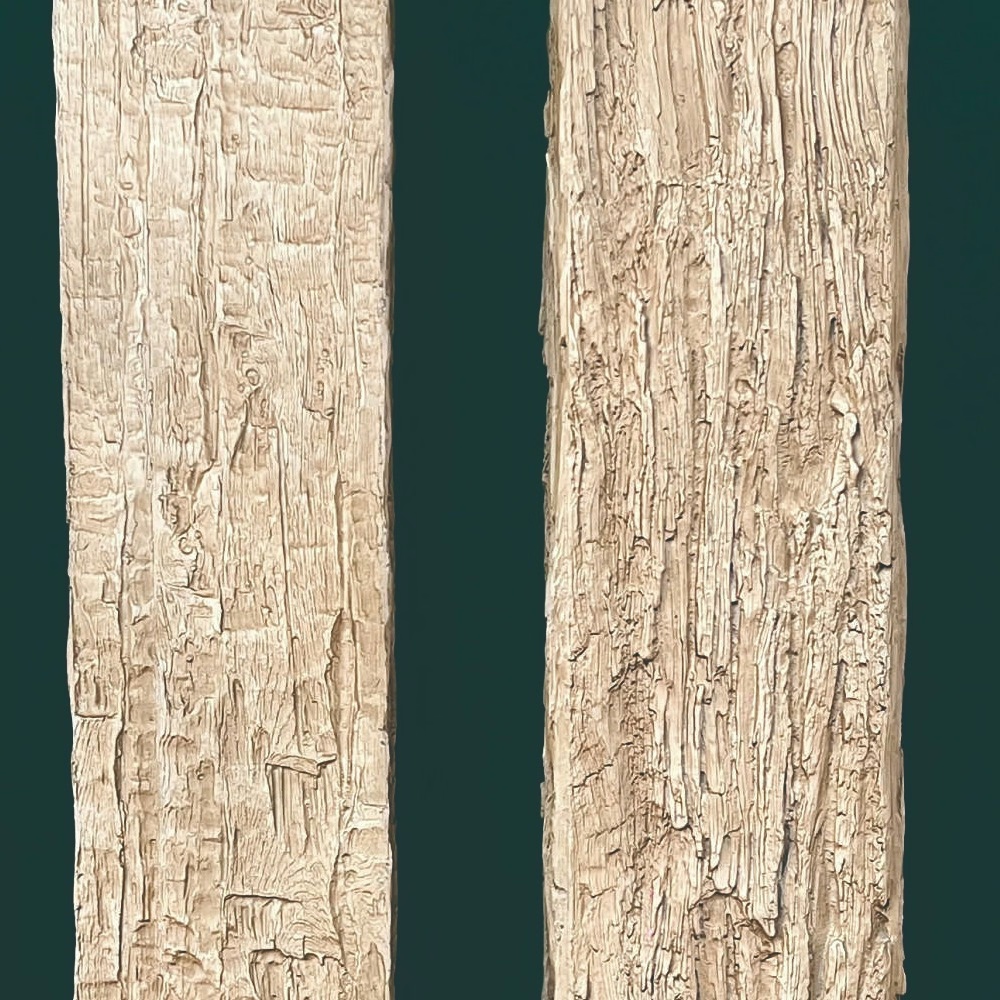
Moisture Resistant Polyurethane Faux Wood Ceiling Beams
Interior Installation: fauxwoodbeams 036
Bathroom Designer moisture Resistant Perspective
Bathrooms are the most demanding interior environment for most building materials. Steam from showers, splashes from tubs and sinks, and humidity from baths all create moisture exposure that wood and wood-based materials struggle to handle. I've been designing luxury bathrooms for fifteen years, and the move toward moisture-resistant materials in bathroom ceilings has been one of the most significant changes in the industry. Here's my approach to specifying beams in bathroom installations.
Faux Wood Beam Installation
Bathrooms are the most demanding interior environment for most building materials. Steam from showers, splashes from tubs and sinks, and humidity from baths all create moisture exposure that wood and wood-based materials struggle to handle. I've been designing luxury bathrooms for fifteen years, and the move toward moisture-resistant materials in bathroom ceilings has been one of the most significant changes in the industry. Here's my approach to specifying beams in bathroom installations.
writingStyle
bathroom-designer moisture-resistant
Beam Specifications
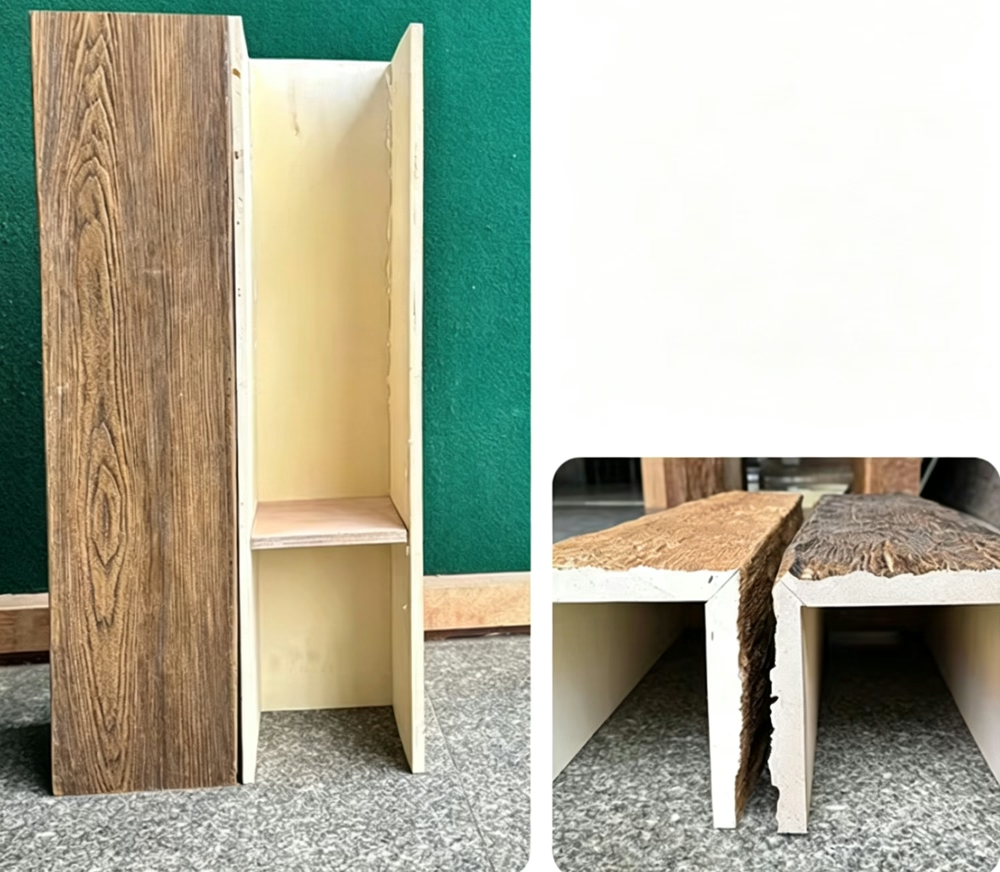
For bathroom installations, I specify closed-cell polyurethane with marine-grade finishes. The closed-cell structure prevents moisture absorption at the material level. The marine-grade finish adds additional moisture resistance at the surface. This combination performs like the gel coat on a boat hull - designed for sustained moisture exposure. Standard residential finishes work in bathrooms with good ventilation, but marine-grade adds a margin of safety for bathrooms with poor ventilation or heavy use.
Ventilation Requirements
The most important factor in bathroom beam longevity isn't the beam material - it's the room ventilation. A bathroom with a properly sized exhaust fan (rated for the room volume) that runs during and after showering will protect any ceiling material. A bathroom without adequate ventilation will eventually damage any material, including polyurethane. I always coordinate beam specifications with the HVAC design to ensure the bathroom has appropriate ventilation.
Clearance Considerations
If a beam is installed in a ceiling directly above a shower or tub, leave adequate clearance between the beam and any water source. Steam rises, so the highest point in the room sees the most moisture concentration. Beams in vaulted bathroom ceilings are more exposed than beams in standard height ceilings. For steam shower installations, I typically recommend against beams directly above the steam source entirely - the heat and moisture concentration can damage even marine-grade finishes over time.
Finish Selection
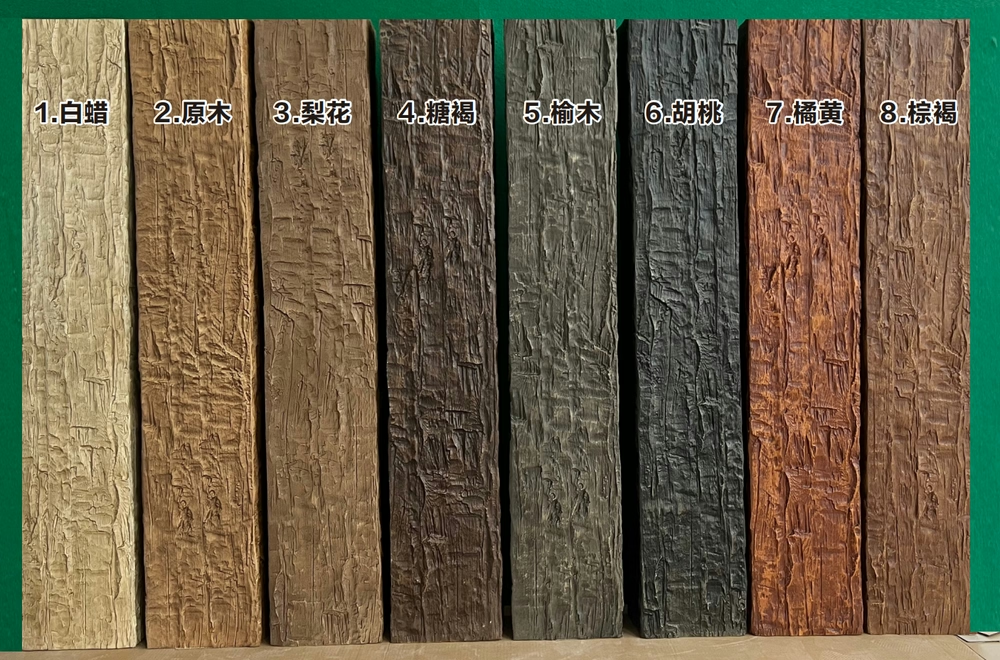
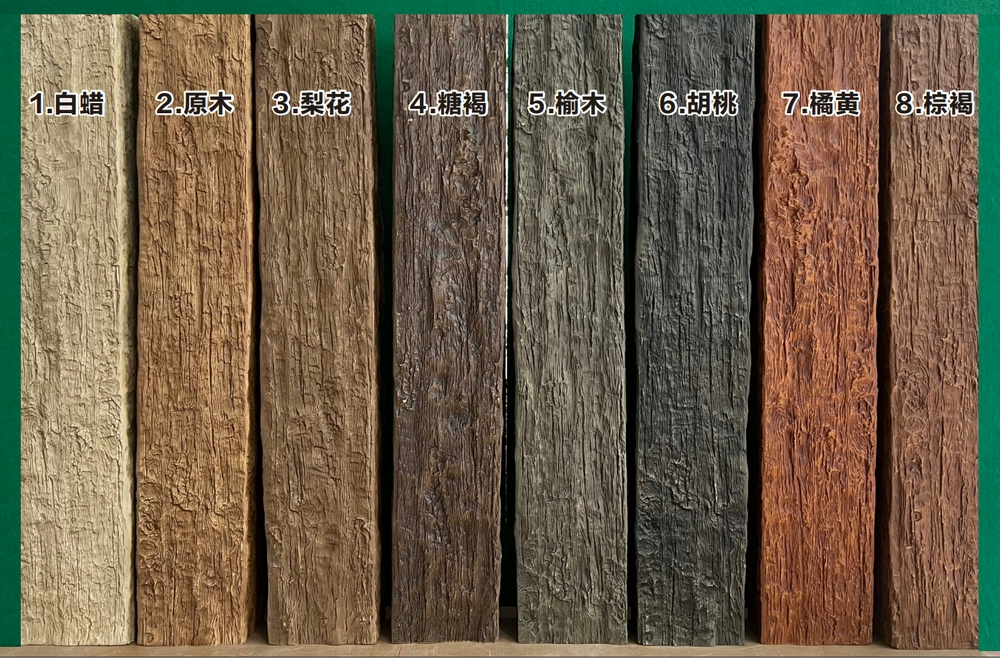
Matte finishes perform better in bathrooms than gloss finishes. Gloss finishes show water spots and soap residue more clearly. Matte finishes hide these visual variations and maintain a consistent appearance with less cleaning effort. The matte finish should still be specified at bathroom-grade durability - not all matte finishes are equally durable.
Coordination
Bathroom beams often need to integrate with ventilation fans, light fixtures, and sometimes even speakers or heating elements. The beam layout should be coordinated with these other systems to avoid conflicts. A beam that blocks a ventilation fan reduces fan effectiveness. A light fixture that's too close to a beam can create hot spots that age the beam finish unevenly. Good design coordinates all of these systems together rather than addressing each separately.
Bathroom Moisture Challenges
Frequently Asked Questions
Are faux wood beams realistic looking?
Yes, our faux wood beams feature hand-carved textures and multi-step finishing that captures every detail of authentic aged wood. Most people cannot tell the difference.
How much do these beams weigh?
Our faux wood beams are approximately 88% lighter than real wood. A typical 8-foot beam weighs only 10-15 pounds, making DIY installation easy.
Can I install these outdoors?
Yes, we offer outdoor-rated faux wood beams that are UV-resistant and waterproof, perfect for covered patios and porches.
How do I get a quote?
Click the "Get Inspired - Contact Us" button above. We typically respond within 2-4 hours with pricing tailored to your project.