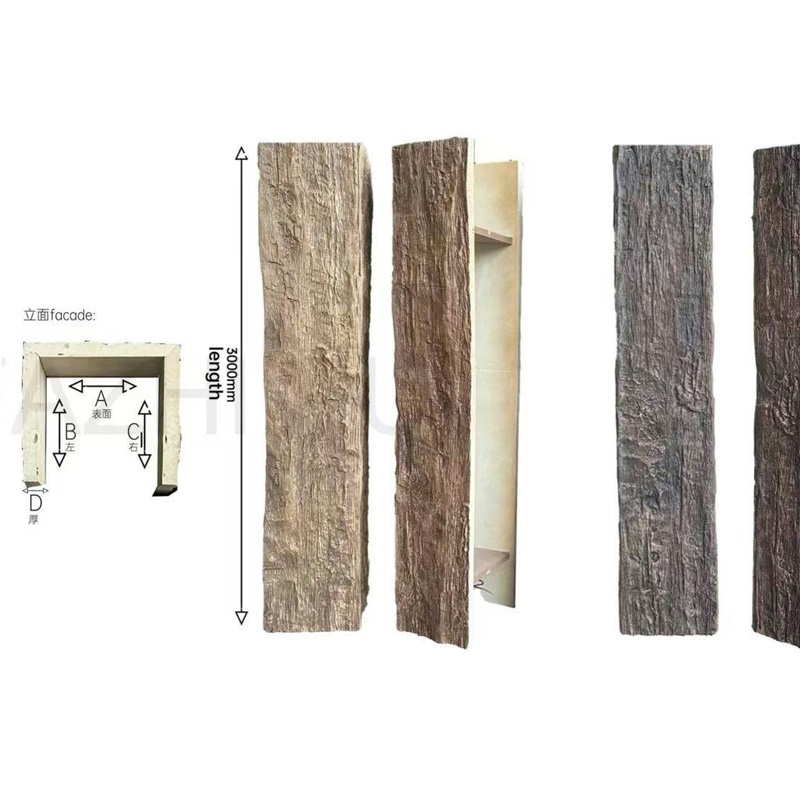
Insect-Proof Polyurethane Faux Wood Ceiling Beams
Interior Installation: fauxwoodbeams 038
Home Inspector common Findings Perspective
I'm a home inspector with 3,000+ inspections under my belt. I see the same problems repeatedly across different homes and different decades of construction. Insect damage to wooden beams is one of those recurring issues - particularly in certain regions of the country. When I'm inspecting a home with wooden ceiling beams, insect damage is one of the first things I check. When I'm inspecting a home with polyurethane beams, that whole category of concern disappears. Let me explain what I look for and why the material choice matters for long-term home integrity.
Faux Wood Beam Installation
I'm a home inspector with 3,000+ inspections under my belt. I see the same problems repeatedly across different homes and different decades of construction. Insect damage to wooden beams is one of those recurring issues - particularly in certain regions of the country. When I'm inspecting a home with wooden ceiling beams, insect damage is one of the first things I check. When I'm inspecting a home with polyurethane beams, that whole category of concern disappears. Let me explain what I look for and why the material choice matters for long-term home integrity.
writingStyle
home-inspector common-findings
Why Polyurethane Eliminates This Concern
Insects cannot eat, bore into, or nest in closed-cell polyurethane. The material is not a food source, not a suitable nesting material, and not damaged by their boring activities. I've been inspecting homes with polyurethane beams for over a decade now and have never seen insect damage to a polyurethane beam. The concern is genuinely eliminated - not reduced, not mitigated, eliminated.
Regional Considerations
Insect pressure varies dramatically by region. The southeastern US, gulf coast, and parts of California have severe termite pressure. The northeast and upper midwest have carpenter ant issues but lower termite pressure. The pacific northwest has moisture-related wood-boring insects. Homes in high-pressure regions benefit most from insect-proof beam materials - the peace of mind alone is worth the material choice for many homeowners.
Preventive Measures
For homeowners who have wooden beams and want to minimize insect damage, several preventive measures help: annual inspection by a pest control professional, treatment of surrounding soil for termites (ongoing contract), maintenance of paint or finish (sealed wood is less attractive to insects), moisture control in the building envelope (dry wood is less attractive to most wood-boring insects), and prompt attention to any signs of damage. These measures don't prevent all damage - they reduce the likelihood and catch problems early.
Detection Methods
During an inspection, I look for several signs of insect damage: small holes in wood surfaces (exit holes for beetles or bees), fine powder or frass near beams (a sign of active infestation), hollow sounds when tapping the wood (indicates internal galleries), visible tunnels or galleries on exposed surfaces, and damaged areas with crumbling wood texture. I also check surrounding areas for the conditions that support infestations - moisture problems, wood-soil contact, and inadequate clearance between wood and vegetation.
Insects That Damage Wooden Beams
Frequently Asked Questions
Are faux wood beams realistic looking?
Yes, our faux wood beams feature hand-carved textures and multi-step finishing that captures every detail of authentic aged wood. Most people cannot tell the difference.
How much do these beams weigh?
Our faux wood beams are approximately 88% lighter than real wood. A typical 8-foot beam weighs only 10-15 pounds, making DIY installation easy.
Can I install these outdoors?
Yes, we offer outdoor-rated faux wood beams that are UV-resistant and waterproof, perfect for covered patios and porches.
How do I get a quote?
Click the "Get Inspired - Contact Us" button above. We typically respond within 2-4 hours with pricing tailored to your project.