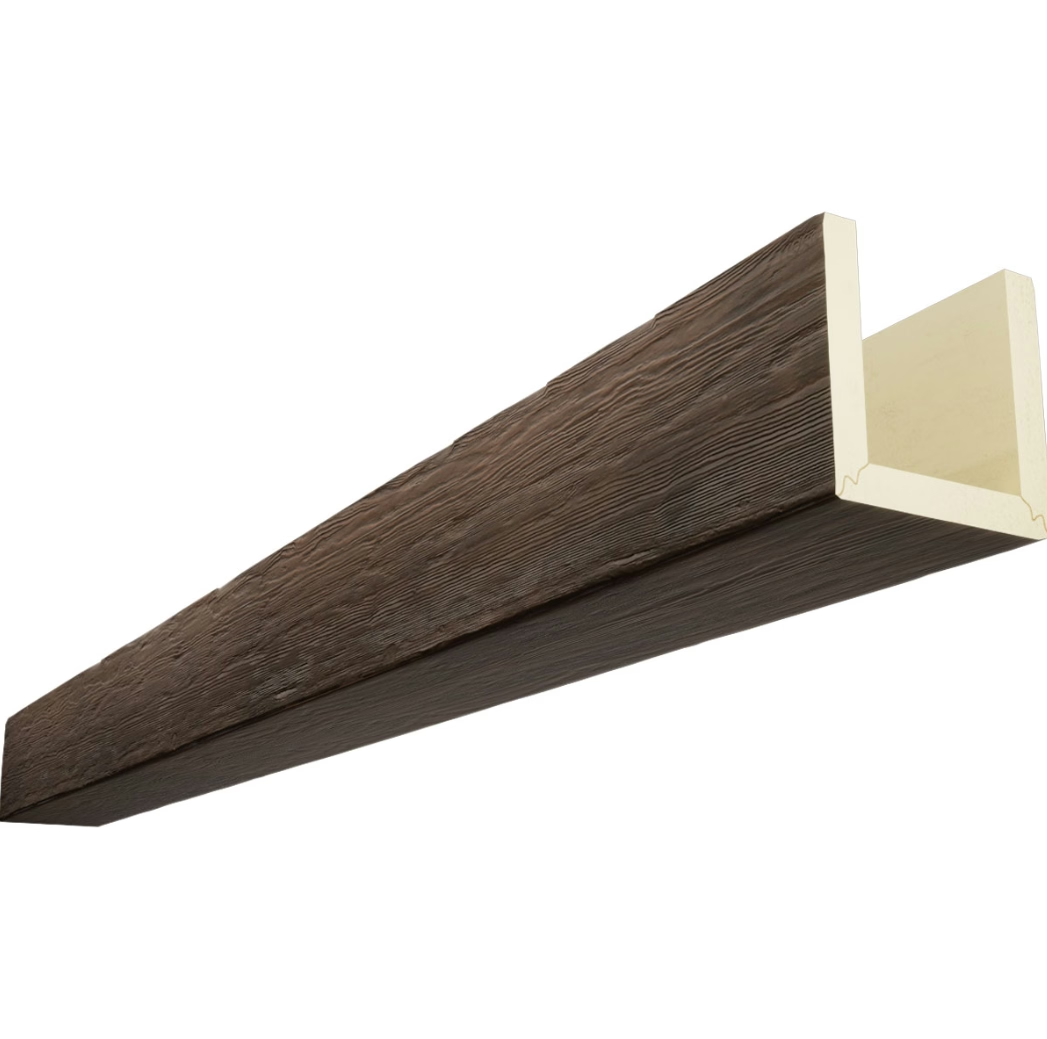
Graystone Finish Polyurethane Faux Wood Beams
Interior Installation: fauxwoodbeams 043
Modern Designer Gray Tones Perspective
Gray finishes on wood - whether real or faux - have a complicated history. They became extremely popular in the early 2010s as part of the 'weathered' and 'farmhouse' trends, then fell out of favor when they started to feel ubiquitous, and now have settled into a more nuanced role. Our graystone finish is one of the more sophisticated gray formulations - it has subtle warmth underneath the gray, preventing the cold industrial look that basic gray finishes can produce. Let me explain when gray works, when it doesn't, and how to specify it well.
Faux Wood Beam Installation
Gray finishes on wood - whether real or faux - have a complicated history. They became extremely popular in the early 2010s as part of the 'weathered' and 'farmhouse' trends, then fell out of favor when they started to feel ubiquitous, and now have settled into a more nuanced role. Our graystone finish is one of the more sophisticated gray formulations - it has subtle warmth underneath the gray, preventing the cold industrial look that basic gray finishes can produce. Let me explain when gray works, when it doesn't, and how to specify it well.
writingStyle
modern-designer-gray-tones
When It Works
Graystone works in coastal, contemporary, industrial, transitional, and modern farmhouse design styles. It's particularly effective in rooms with both warm and cool elements - the gray bridges the temperature gap. It works in spaces with lots of natural light where the gray tone can be fully appreciated. It works against white walls, gray walls, and surprisingly against some darker wall colors where the gray creates a sophisticated tonal palette.
When It Doesn't Work
Graystone doesn't work in highly traditional or formal settings where the gray feels out of place. It doesn't work in extremely warm color palettes (the gray feels disconnected from the warmth). It doesn't work as a matching tone for actual gray-stained wood - the underlying warmth of our graystone prevents it from matching true cool gray stains. And it doesn't work when the design intent is to evoke old-growth timber or historic warmth - gray reads as modern.
Lighting Effects
Gray shows more lighting variation than warm-toned finishes. Under warm lights, our graystone becomes slightly warmer - the brown undertones become more prominent. Under cool lights, the gray becomes more pronounced and the brown undertones recede. In rooms with significant natural light from cool north-facing windows, graystone can look quite different than in rooms with warm south-facing light. Sample testing in the actual room is essential.
Trends
Gray wood finishes have evolved from the early 2010s versions that were basically weathered gray. Today's grays are more nuanced - they have undertones, they have variation, they have depth. The simple weathered gray that was popular in 2013 looks dated now; the sophisticated warm grays like our graystone look contemporary. If you're specifying gray now, choose a formulation with character rather than a flat gray - it will age better as trends evolve.
Maintenance
Gray finishes show wear differently than warm wood tones. The lighter areas may show dirt more readily than the darker areas. Dust shows on gray surfaces more visibly than on dark brown surfaces. For homeowners who don't want to dust frequently, gray finishes may be more demanding than darker alternatives. The aesthetic benefit is real; the maintenance consideration is also real.
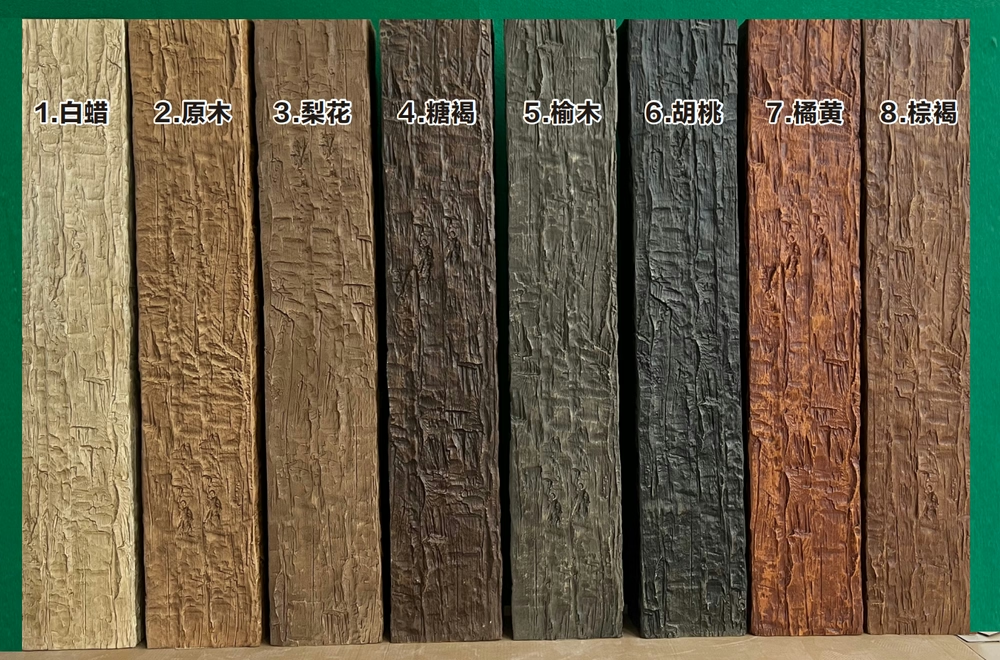
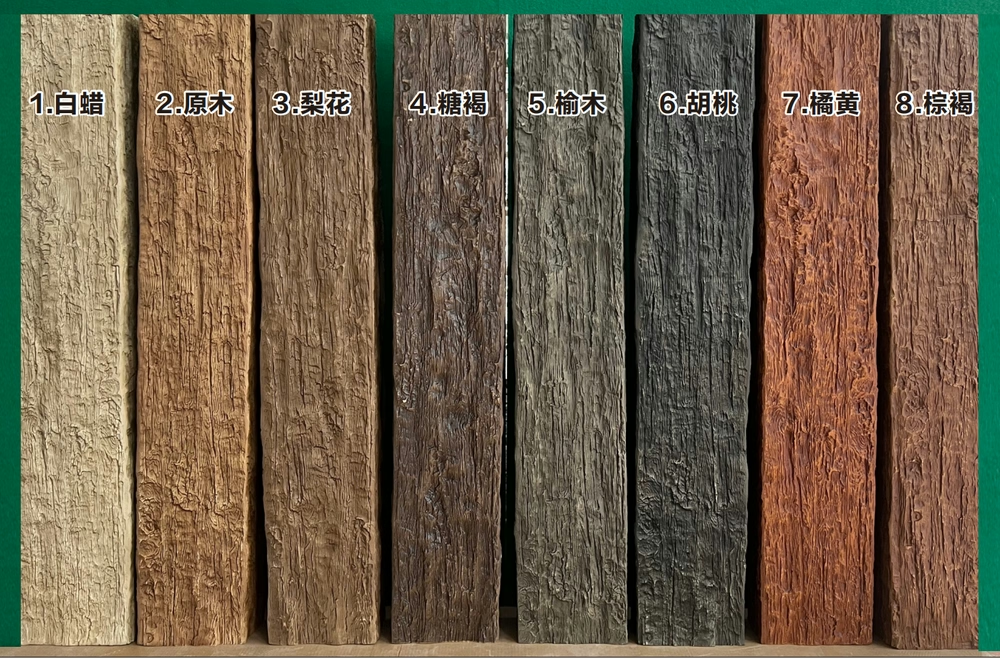
Graystone Color Profile
Frequently Asked Questions
Are faux wood beams realistic looking?
Yes, our faux wood beams feature hand-carved textures and multi-step finishing that captures every detail of authentic aged wood. Most people cannot tell the difference.
How much do these beams weigh?
Our faux wood beams are approximately 88% lighter than real wood. A typical 8-foot beam weighs only 10-15 pounds, making DIY installation easy.
Can I install these outdoors?
Yes, we offer outdoor-rated faux wood beams that are UV-resistant and waterproof, perfect for covered patios and porches.
How do I get a quote?
Click the "Get Inspired - Contact Us" button above. We typically respond within 2-4 hours with pricing tailored to your project.