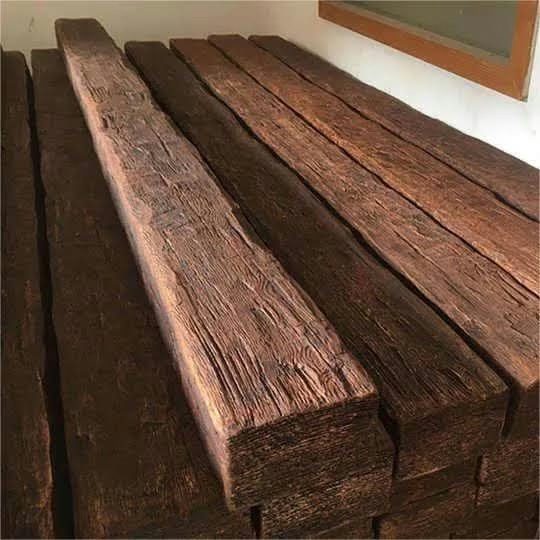
Craftsman Style Polyurethane Faux Wood Ceiling Beams
Interior Installation: fauxwoodbeams 046
Craftsman Bungalow Style historical Perspective
The craftsman style emerged in the early 1900s as a reaction against the ornate Victorian architecture of the previous era. Designers like Gustav Stickley promoted honest materials, visible craftsmanship, and simpler forms. Craftsman beams reflect these values - they're substantial but not ornate, they showcase the wood, they connect to traditional joinery references. After 100+ years, craftsman style has become a permanent part of American design vocabulary. Here's how to specify craftsman beams well.
Faux Wood Beam Installation
The craftsman style emerged in the early 1900s as a reaction against the ornate Victorian architecture of the previous era. Designers like Gustav Stickley promoted honest materials, visible craftsmanship, and simpler forms. Craftsman beams reflect these values - they're substantial but not ornate, they showcase the wood, they connect to traditional joinery references. After 100+ years, craftsman style has become a permanent part of American design vocabulary. Here's how to specify craftsman beams well.
writingStyle
craftsman-bungalow-style historical
Craftsman Characteristics
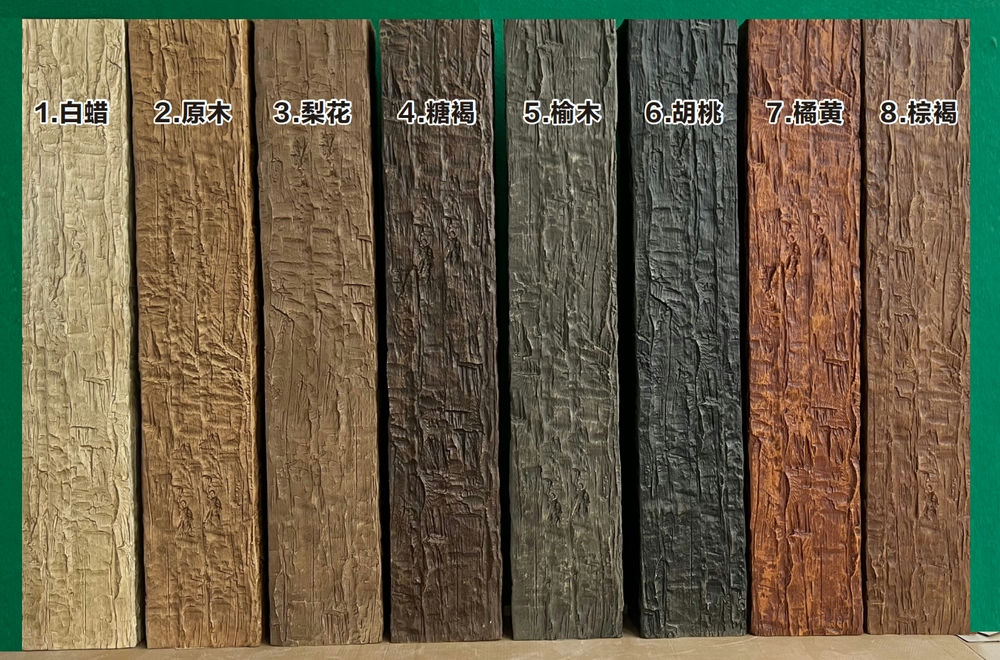
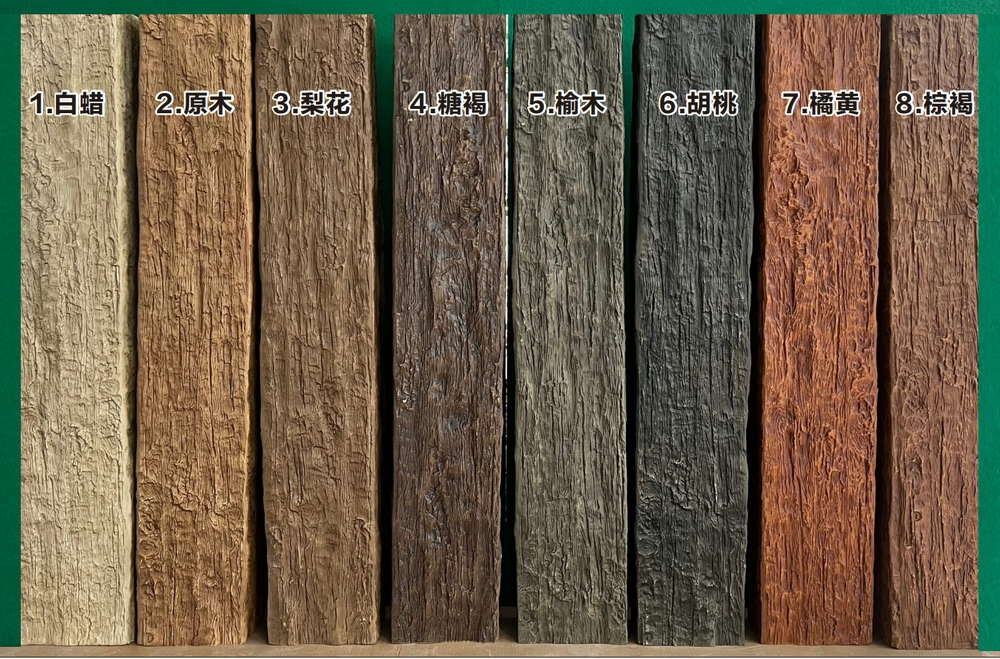
Craftsman beams are typically substantial but not heavy - 6x8 to 8x10 profiles work well, larger than decorative trim but not massive. The texture is visible but not aggressive - a clean rough-sawn appearance rather than heavily distressed. The finish is usually natural or slightly enhanced wood tones - the wood aesthetic is celebrated rather than hidden under paint. End details often include simple geometric patterns rather than ornate carvings.
Integration
Craftsman beams don't exist in isolation - they connect to other craftsman elements throughout the home. Look for: tapered column details, exposed rafter tails, knee braces at beam connections, built-in cabinetry with similar wood tones, and simple geometric patterns in other elements. The coherence of these details creates the craftsman character; missing details make even correct beams feel disconnected.
Modern Adaptations
Modern craftsman homes adapt the traditional style for contemporary living. Beams are often more refined than original craftsman beams - cleaner lines, less texture, more consistent proportions. Floor plans are more open than original craftsman bungalows. But the core values remain - honest materials, visible craftsmanship, natural finishes. Our craftsman profile can be specified in either traditional (closer to historical originals) or modern (closer to contemporary adaptations) interpretations.
New Construction
For new construction in craftsman style, the beams are an investment that anchors the design. The cost is higher than simpler beam profiles but lower than the actual timber frame construction that original craftsman homes used. Specify beams early in the design process - their placement affects ceiling heights, lighting layout, and room proportions. Don't try to add craftsman beams to a home that wasn't designed for them; the result usually looks forced rather than authentic.
Craftsman Style Historical Context
Frequently Asked Questions
Are faux wood beams realistic looking?
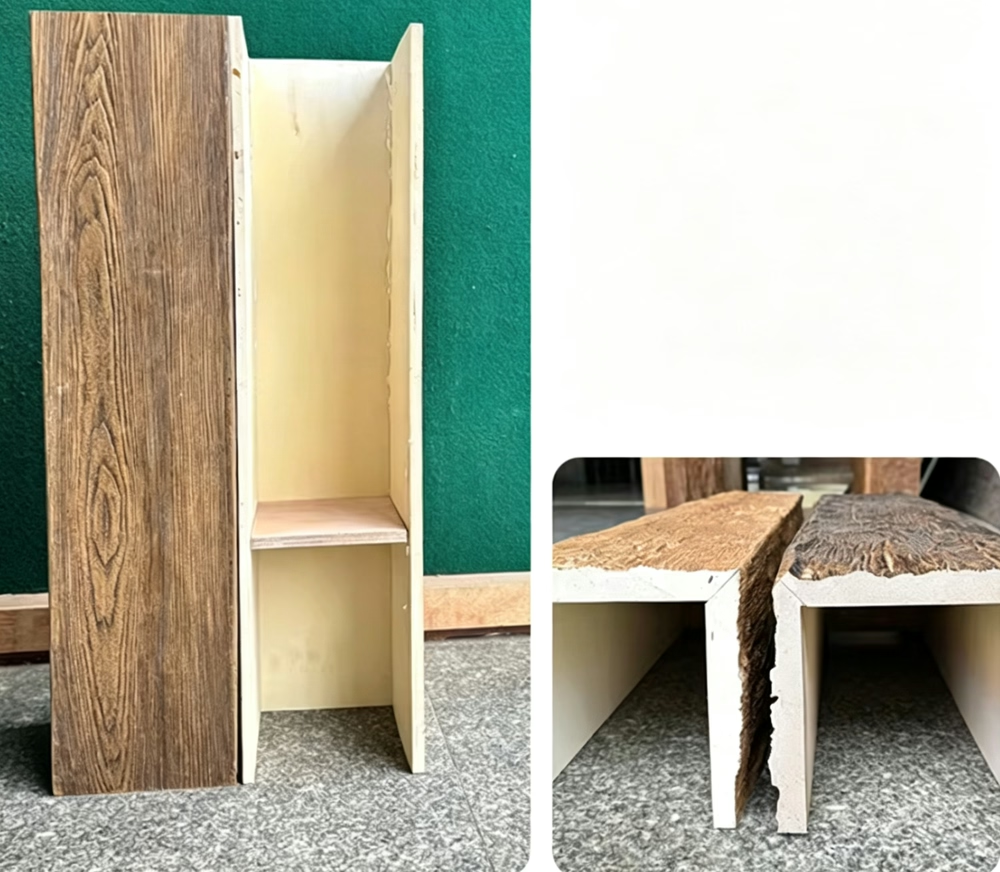
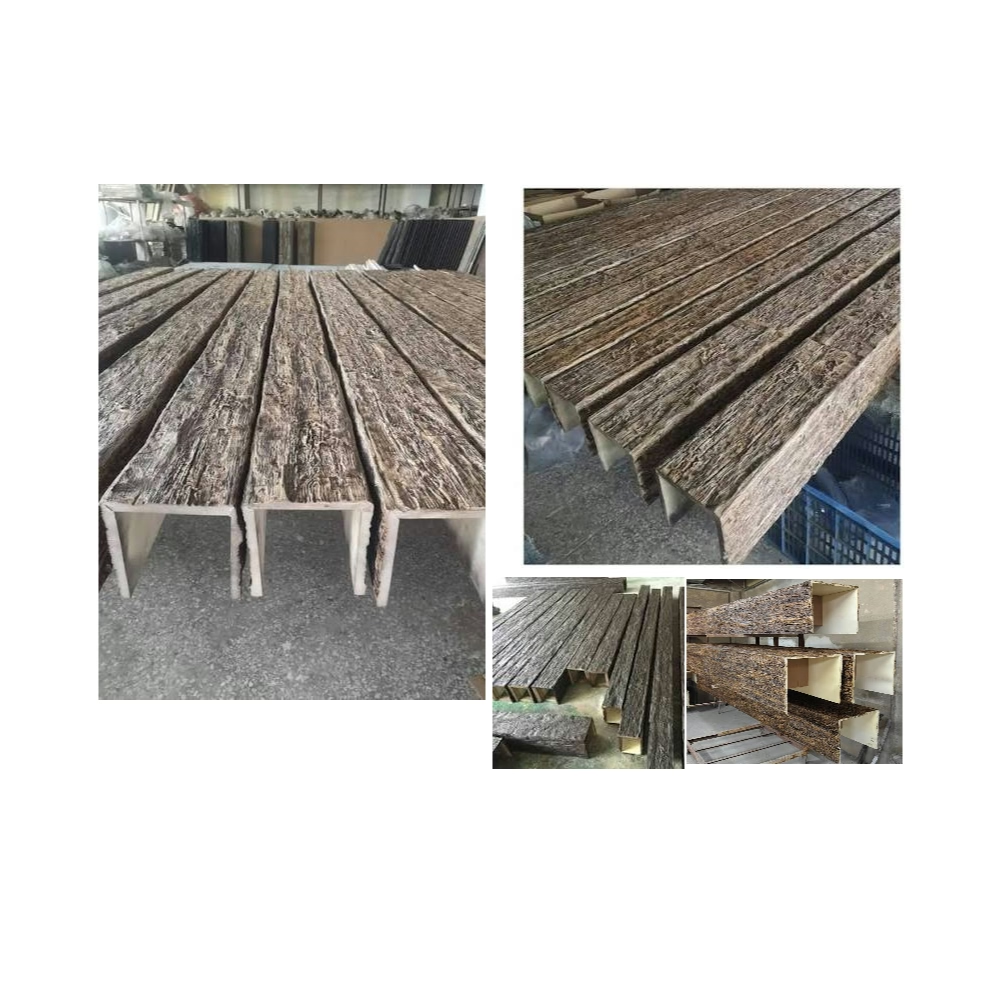
Yes, our faux wood beams feature hand-carved textures and multi-step finishing that captures every detail of authentic aged wood. Most people cannot tell the difference.
How much do these beams weigh?
Our faux wood beams are approximately 88% lighter than real wood. A typical 8-foot beam weighs only 10-15 pounds, making DIY installation easy.
Can I install these outdoors?
Yes, we offer outdoor-rated faux wood beams that are UV-resistant and waterproof, perfect for covered patios and porches.
How do I get a quote?
Click the "Get Inspired - Contact Us" button above. We typically respond within 2-4 hours with pricing tailored to your project.