Scandinavian Style Polyurethane Faux Wood Beams
Interior Installation: fauxwoodbeams 052
Nordic Designer scandinavian Values Perspective
Scandinavian design emerged from the specific conditions of Nordic countries - long winters with limited daylight, abundant local wood, a cultural value of functional beauty, and a democratic design philosophy that quality should be accessible. Scandinavian beams reflect these origins - they showcase wood in clean forms, they emphasize function as well as appearance, and they create warmth in spaces that need to feel cozy during long winters. Here's what makes Scandinavian design beams distinctive.
Faux Wood Beam Installation
Scandinavian design emerged from the specific conditions of Nordic countries - long winters with limited daylight, abundant local wood, a cultural value of functional beauty, and a democratic design philosophy that quality should be accessible. Scandinavian beams reflect these origins - they showcase wood in clean forms, they emphasize function as well as appearance, and they create warmth in spaces that need to feel cozy during long winters. Here's what makes Scandinavian design beams distinctive.
writingStyle
nordic-designer scandinavian-values
Scandinavian Characteristics
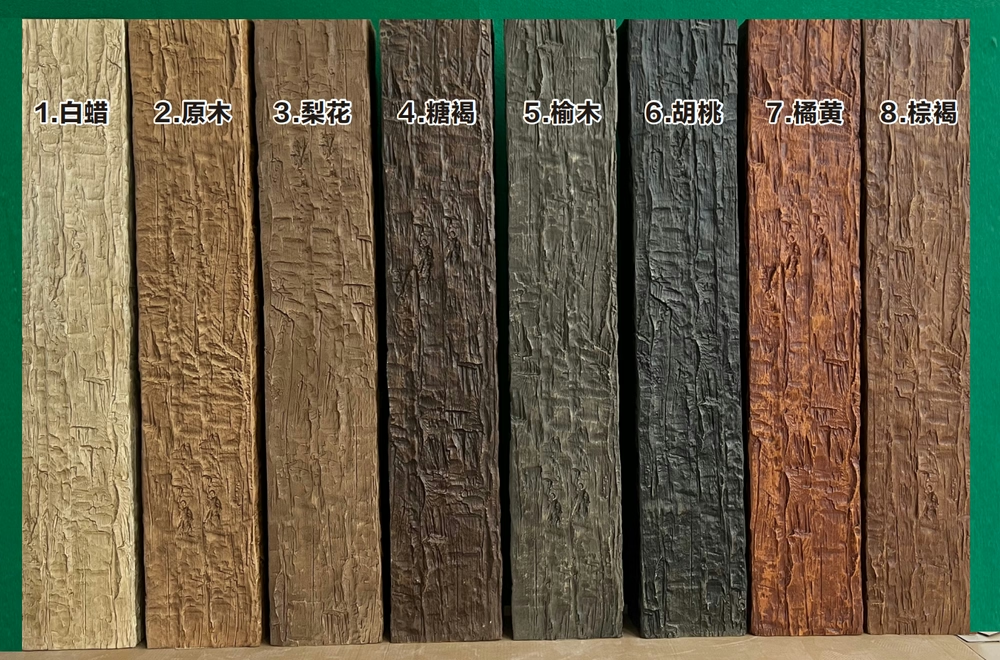
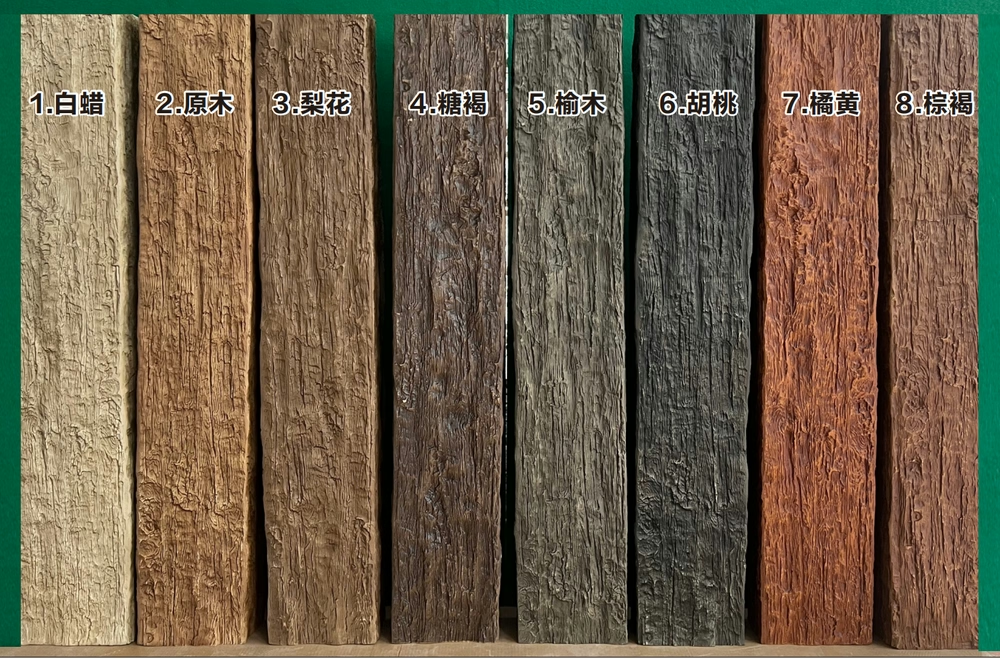
Scandinavian beams are typically pale - white oak, light pine, natural birch tones. The texture is visible but refined - the wood character is celebrated but not aggressive. The proportions are restrained - beams are sized appropriately for the room but not oversized for visual impact. The finish is matte or low-sheen - gloss finishes would feel inappropriate in Scandinavian design.
Hygge & Beam Contribution
The Danish concept of hygge - cozy contentment - influences Scandinavian design significantly. Beams contribute to hygge by adding warmth and natural character to spaces that would otherwise feel stark. A Scandinavian room without beams can feel cold and minimalist; a Scandinavian room with beams feels warm and inviting despite the minimal material palette.
Light Interaction
Light interaction is critical in Scandinavian design. Beams should not block natural light from windows or skylights. The beam finish should complement natural light rather than absorb it - pale finishes reflect light, dark finishes absorb it. Scandinavian rooms often have multiple light sources at different heights - ceiling, wall, floor, and table - creating layered illumination that beams can integrate with or interrupt.
Pairing with Furniture
Scandinavian beams pair naturally with Scandinavian furniture - clean-lined wood furniture, simple textiles, and functional design objects. The wood tones should be compatible - Scandinavian furniture tends toward pale woods that match Scandinavian beam finishes. The scale should be compatible - Scandinavian furniture is typically proportional to the room rather than oversized for drama.
Global Influence
Scandinavian design has spread globally as a design vocabulary. Many homes now incorporate Scandinavian elements without being purely Scandinavian - a Scandinavian beam in a non-Scandinavian room can work if the surrounding design supports it. The pale wood, simple proportions, and matte finish are versatile enough to work in many contexts.
Scandinavian Design Origins
Frequently Asked Questions
Are faux wood beams realistic looking?
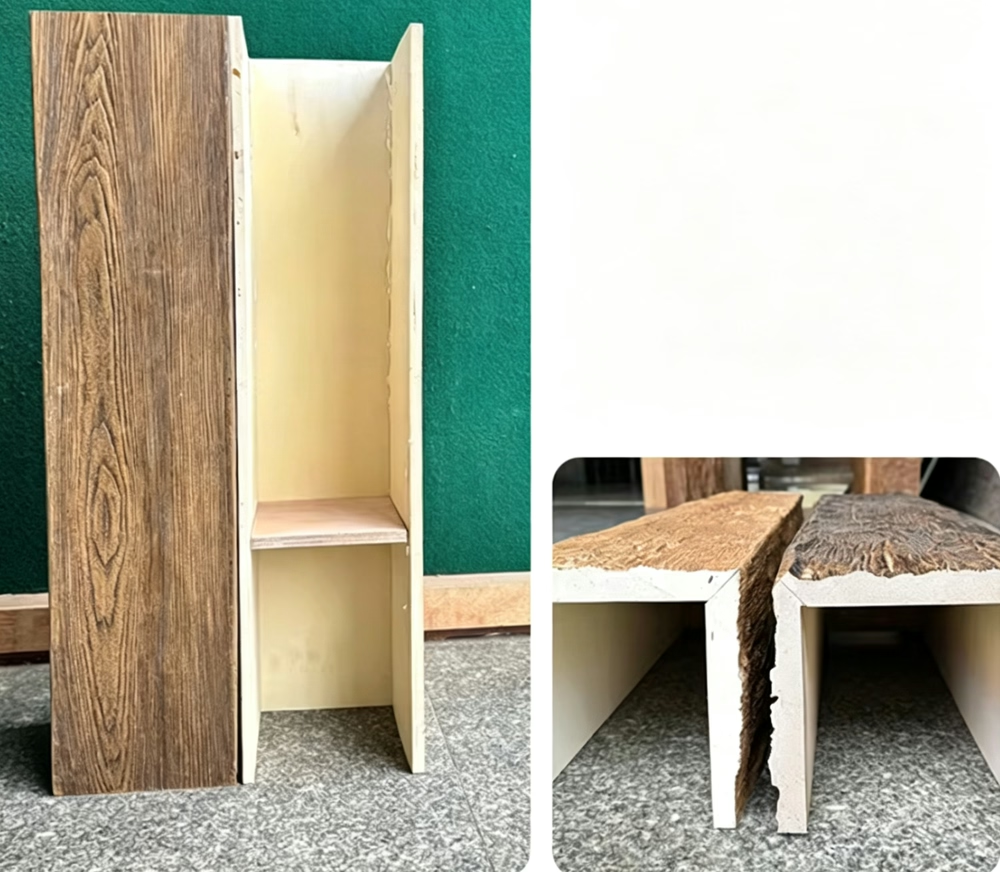
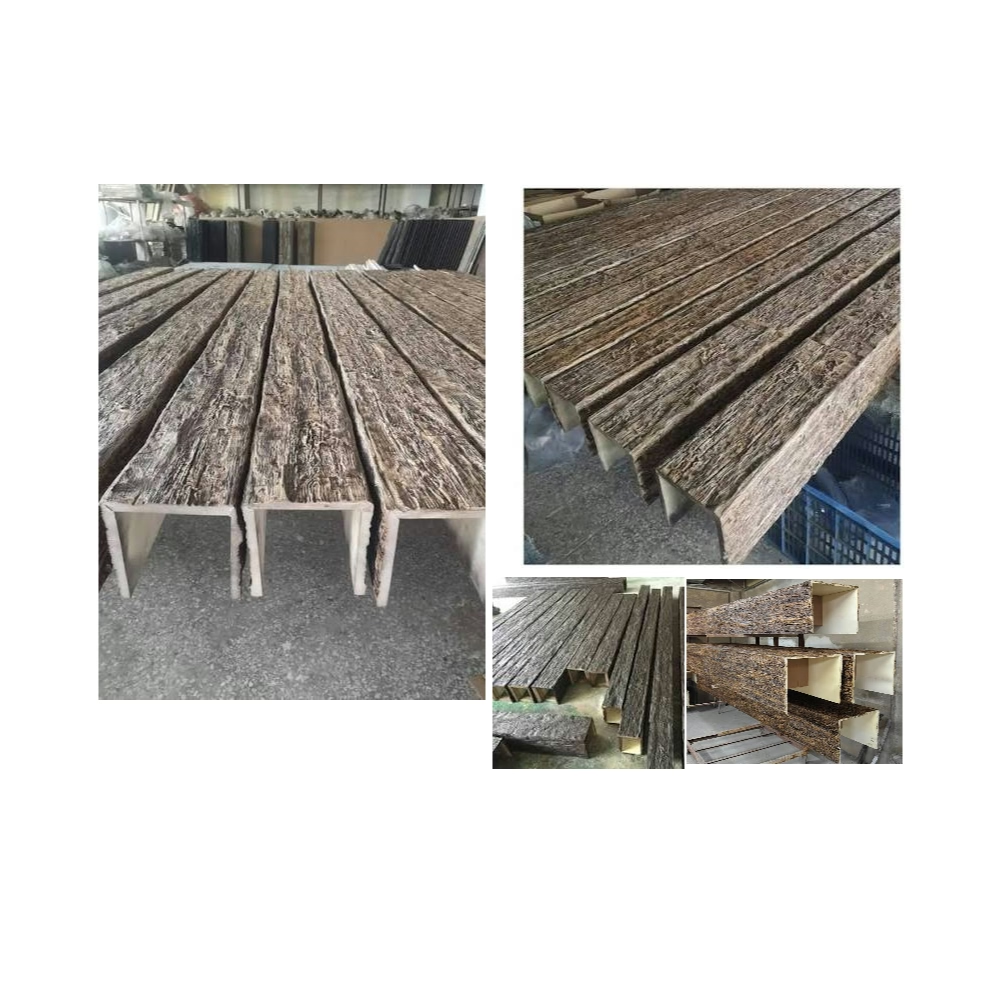
Yes, our faux wood beams feature hand-carved textures and multi-step finishing that captures every detail of authentic aged wood. Most people cannot tell the difference.
How much do these beams weigh?
Our faux wood beams are approximately 88% lighter than real wood. A typical 8-foot beam weighs only 10-15 pounds, making DIY installation easy.
Can I install these outdoors?
Yes, we offer outdoor-rated faux wood beams that are UV-resistant and waterproof, perfect for covered patios and porches.
How do I get a quote?
Click the "Get Inspired - Contact Us" button above. We typically respond within 2-4 hours with pricing tailored to your project.