Traditional Coffered Ceiling Polyurethane Faux Beams
Interior Installation: fauxwoodbeams 054
Classical Architect coffered Ceiling Design Perspective
Coffered ceilings have been a mark of architectural sophistication for millennia - from ancient Roman temples through Renaissance palaces to contemporary executive offices. The coffered ceiling uses a grid of beams to create recessed panels, adding depth and rhythm to what would otherwise be a flat ceiling. Our traditional coffered ceiling beam system makes this classical architectural element accessible for residential applications. Here's how coffered ceilings work and what to consider when specifying them.
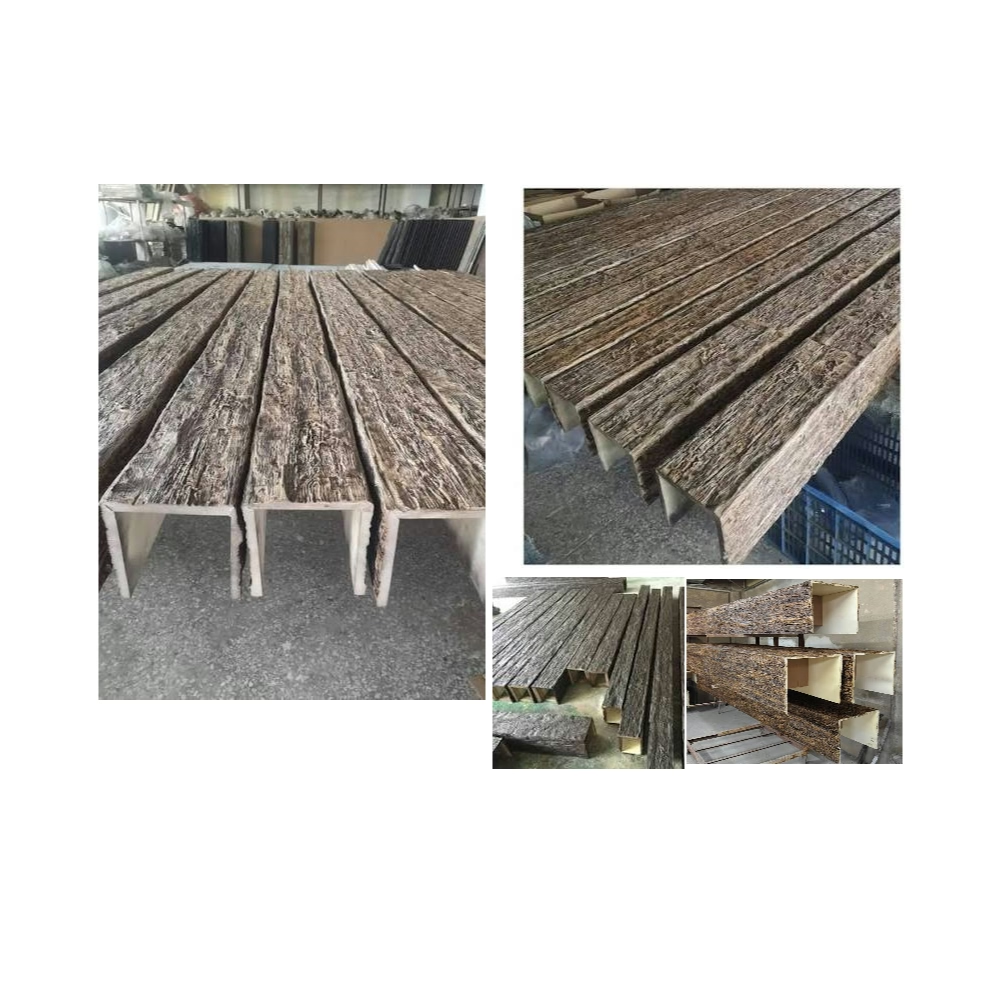
Faux Wood Beam Installation
Coffered ceilings have been a mark of architectural sophistication for millennia - from ancient Roman temples through Renaissance palaces to contemporary executive offices. The coffered ceiling uses a grid of beams to create recessed panels, adding depth and rhythm to what would otherwise be a flat ceiling. Our traditional coffered ceiling beam system makes this classical architectural element accessible for residential applications. Here's how coffered ceilings work and what to consider when specifying them.
writingStyle
classical-architect coffered-ceiling-design
Coffered Structure
A coffered ceiling consists of intersecting beams that form a grid, with the spaces between beams (the coffers) recessed below the ceiling plane. The beams run in two directions - main beams and cross beams - creating the structural grid. The depth of the coffers (how far below the structural ceiling they sit) affects the visual impact - deeper coffers are more dramatic, shallower coffers are more subtle.
Coffered Ceiling History
Frequently Asked Questions
Are faux wood beams realistic looking?
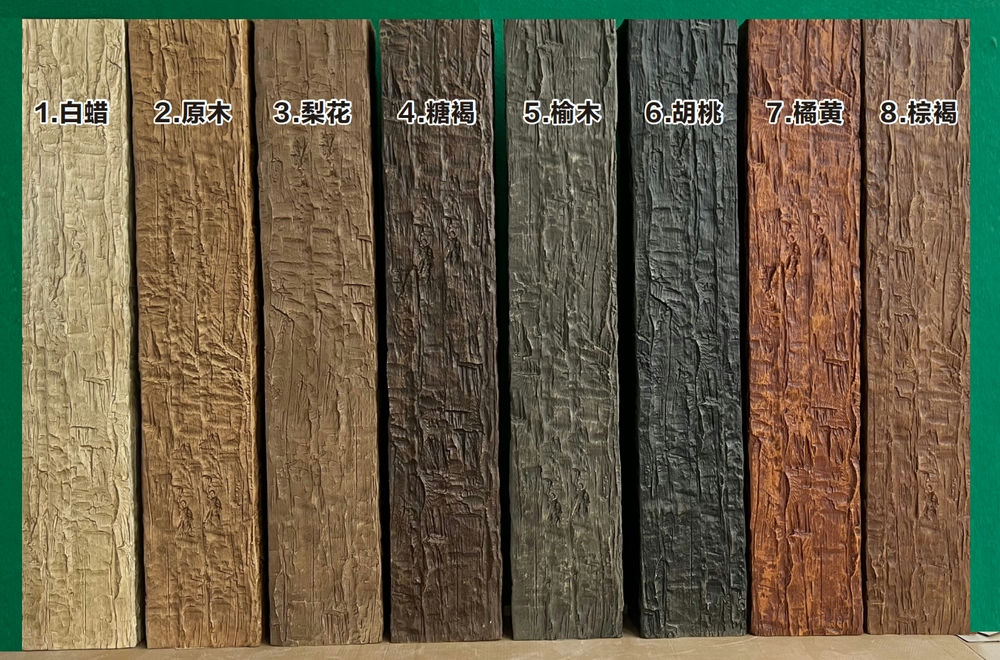
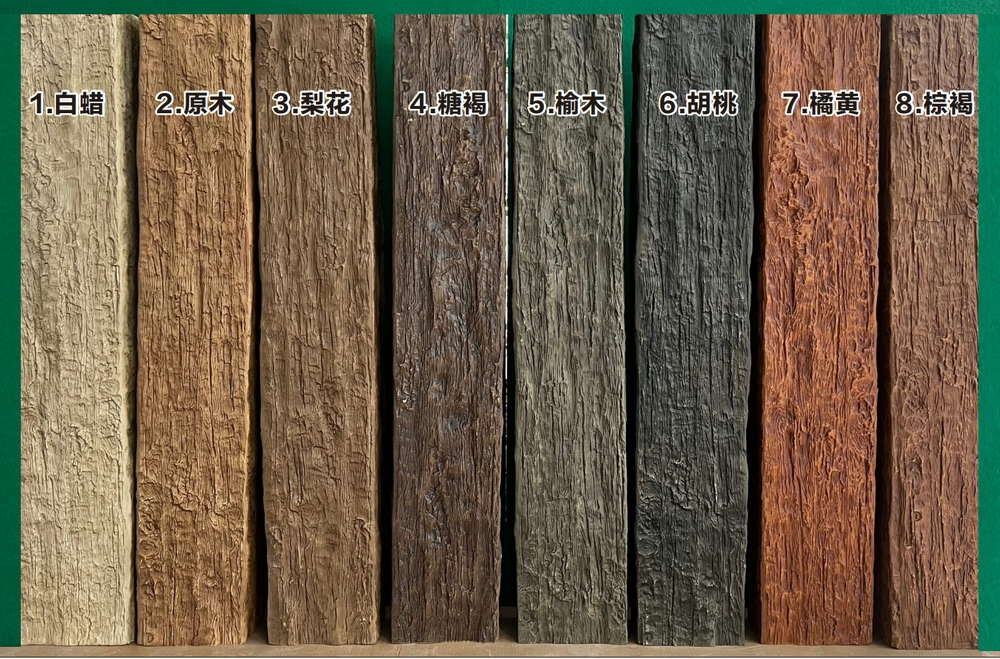
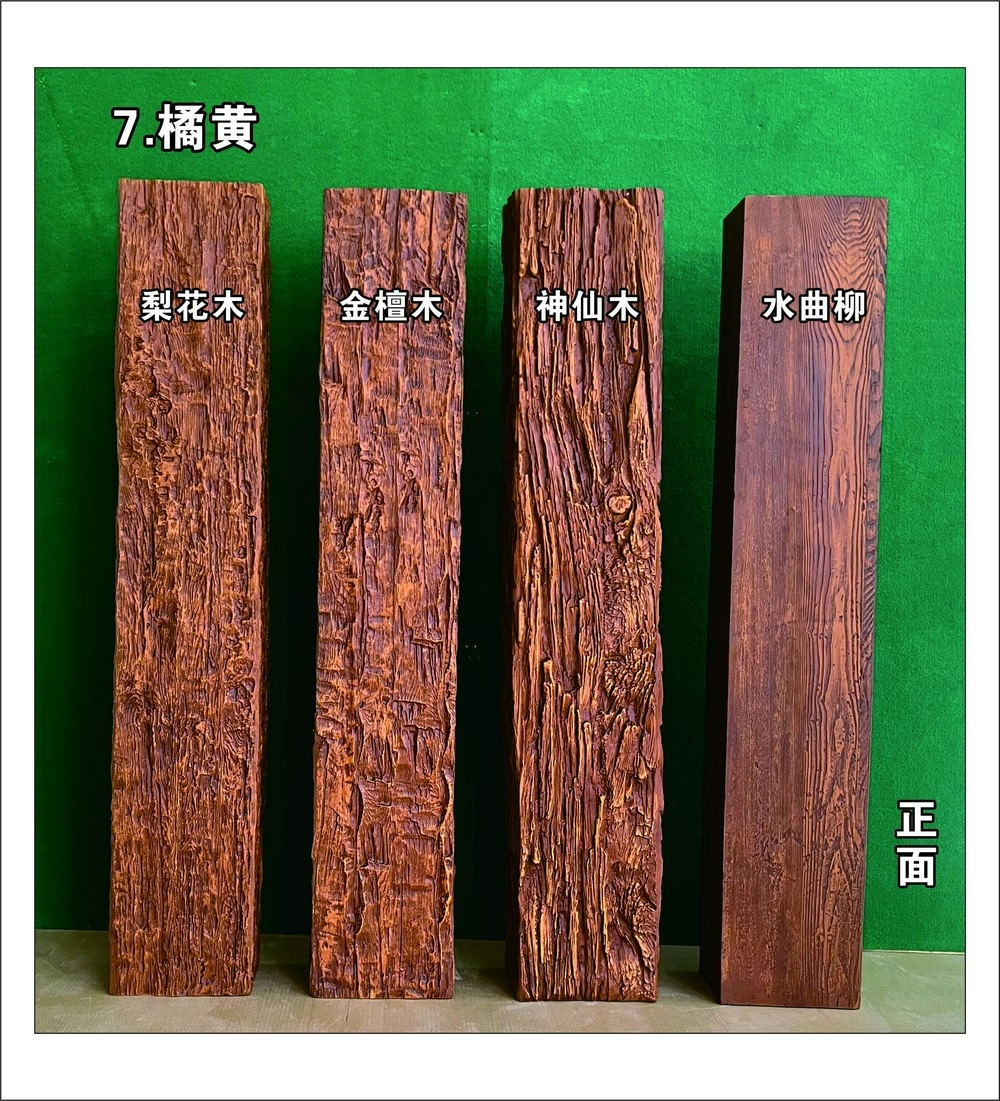
Yes, our faux wood beams feature hand-carved textures and multi-step finishing that captures every detail of authentic aged wood. Most people cannot tell the difference.
How much do these beams weigh?
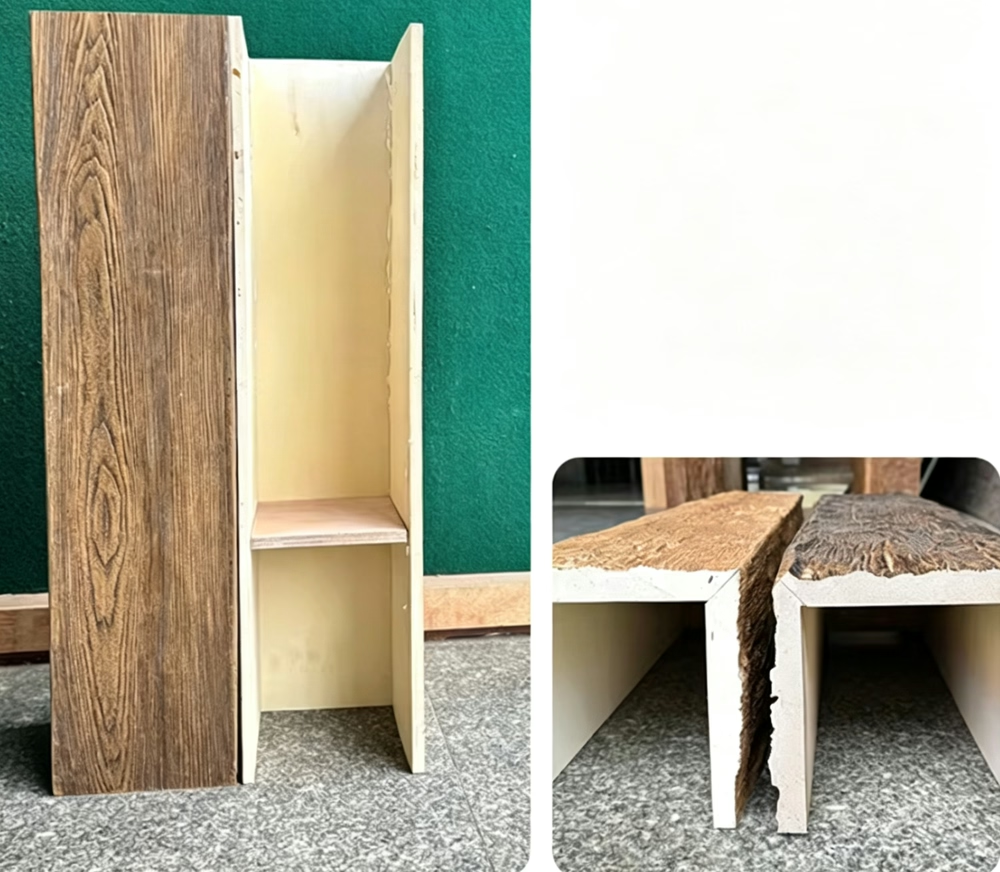
Our faux wood beams are approximately 88% lighter than real wood. A typical 8-foot beam weighs only 10-15 pounds, making DIY installation easy.
Can I install these outdoors?
Yes, we offer outdoor-rated faux wood beams that are UV-resistant and waterproof, perfect for covered patios and porches.
How do I get a quote?
Click the "Get Inspired - Contact Us" button above. We typically respond within 2-4 hours with pricing tailored to your project.