Fireplace Beam Appeal
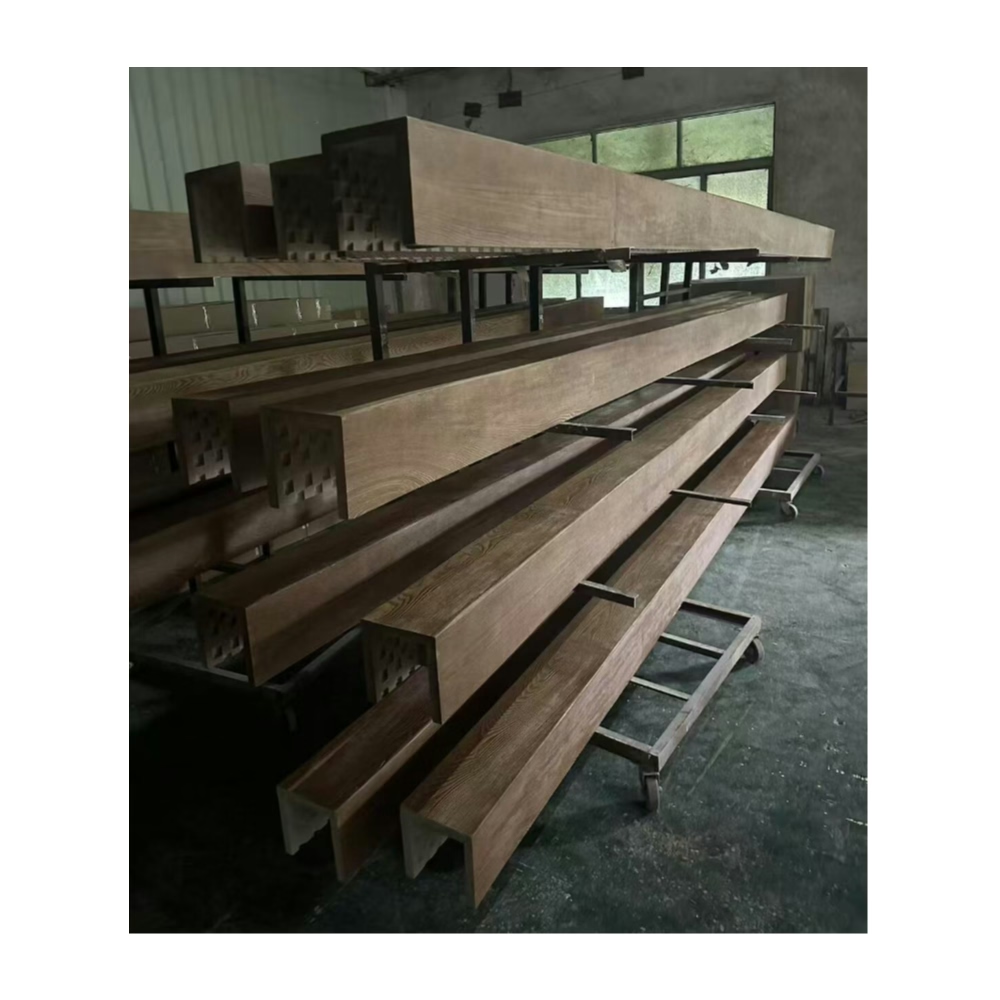
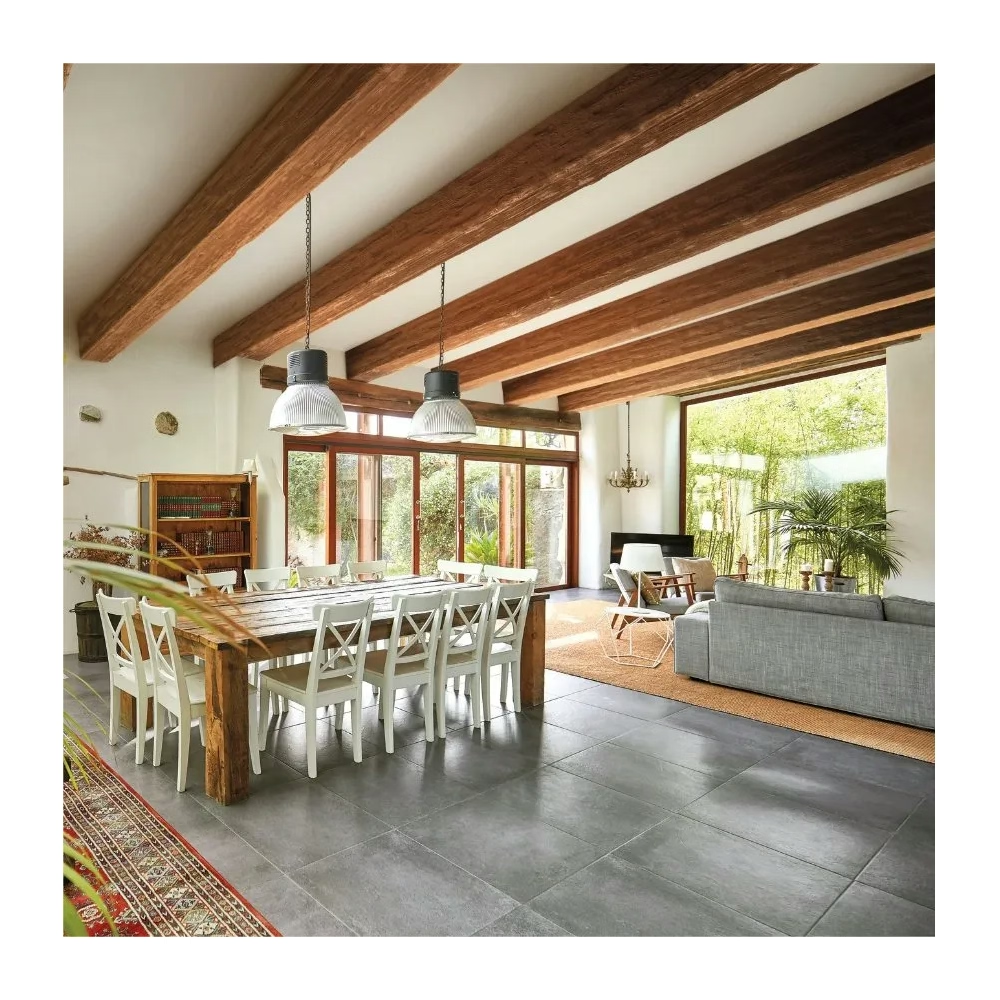
A fireplace beam mantel creates the essential focal point that anchors the entire fireplace composition. It frames the fire, supports décor, and brings natural warmth to one of the home's most important gathering spaces.
The right mantel completes the fireplace.
Design Considerations
Style Coordination
Matching fireplace style:
- Contemporary fireplaces: clean beam mantels
- Traditional fireplaces: ornate or substantial beams
- Rustic fireplaces: weathered, heavy beams
- Modern fireplaces: minimal, floating beams
- Farmhouse fireplaces: reclaimed-style beams
Style coordination creates unity.
Proportion Balance
Mantel proportion guidelines:
- Width: extends beyond surround by 6-12 inches each side
- Depth: 8-14 inches for functionality
- Thickness: appropriate to room scale
- Height: comfortable access (44-50 inches from floor)
- Visual weight: matches surround mass
Proportion ensures balance.
Material Coordination
Coordinating materials:
- Stone surround: warm wood beam
- Brick surround: traditional wood beam
- Tile surround: complementary wood tone
- Concrete surround: natural wood contrast
- Metal surround: weathered wood warmth
Material coordination creates cohesion.
Safety Requirements
Heat Clearance
Critical safety distances:
- Minimum 12 inches above fireplace opening
- Local code requirements vary (12-36 inches)
- Manufacturer specifications govern
- Gas vs. wood-burning differences
- Recessed installation requirements
Clearance prevents fire hazards.
Heat-Resistant Materials
Materials for heat zones:
- Standard PU for distances over 18 inches
- Heat-resistant PU for closer placement
- Metal insert options
- Heat shields available
- Professional assessment recommended
Right materials ensure safety.
Code Compliance
Regulatory requirements:
- Local building codes vary
- Inspection may be required
- Permit sometimes needed
- Insurance implications
- Professional installation recommended
Compliance protects homeowners.
Mantel Styles
Traditional Mantel
Classic approach:
- Substantial beam thickness
- Plain or minimally detailed
- Deep, functional shelf
- Support corbels optional
- Timeless appeal
Traditional mantels serve generations.
Floating Mantel
Modern minimalist:
- No visible support
- Clean, floating appearance
- Hidden bracket mounting
- Minimal visual weight
- Contemporary aesthetic
Floating mantels suit modern spaces.
Corbel-Supported
Supported traditional:
- Visible corbels or brackets
- Substantial beam shelf
- Traditional appearance
- Authentic support styling
- Decorative opportunity
Corbel supports add detail.
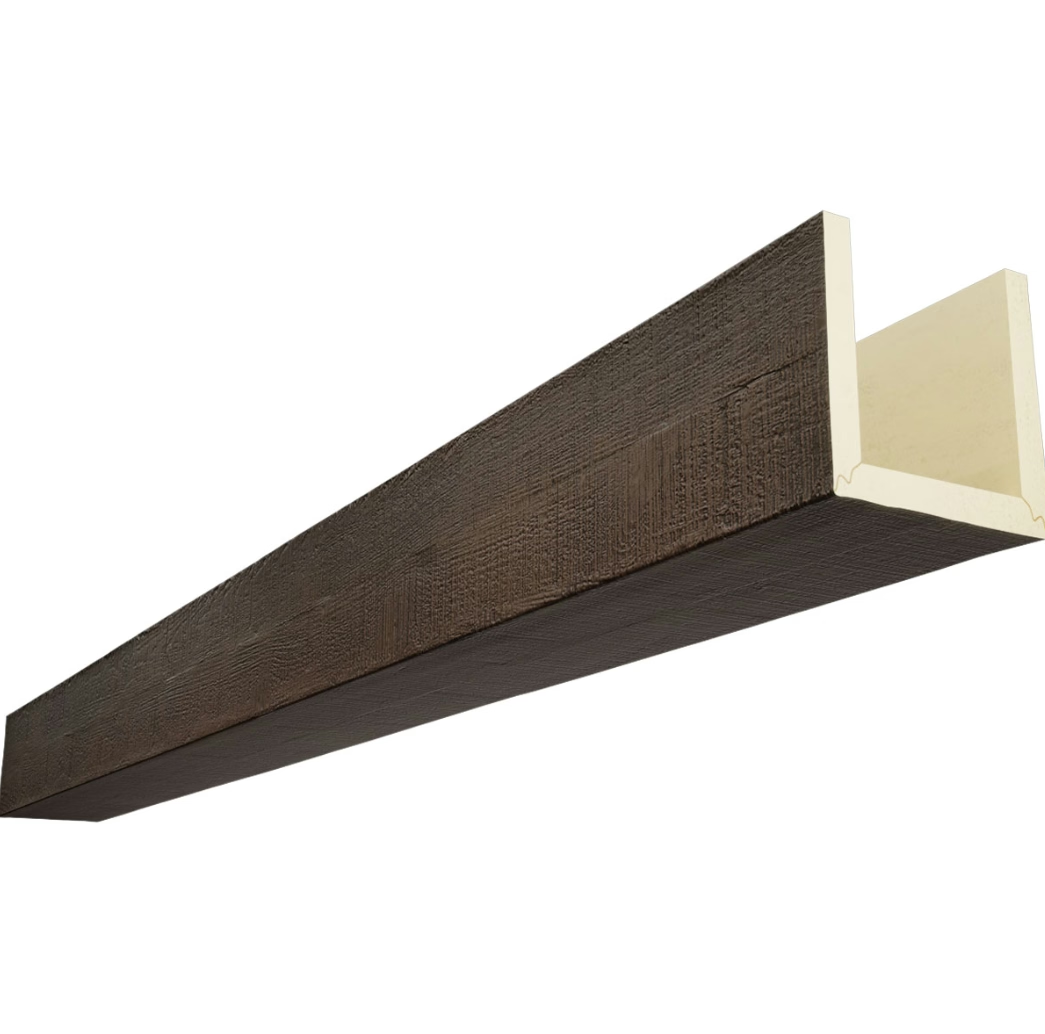
Box Mantel
Contemporary enclosed:
- Box-shaped beam profile
- Clean, modern lines
- Often painted finish
- Minimal detail
- Simplified maintenance
Box mantels offer clean style.
Installation Methods
Support Bracket Installation
Bracket mounting process:
- Locate wall studs
- Install support brackets
- Verify level and alignment
- Position beam on brackets
- Secure beam to brackets
- Check stability
Brackets provide essential support.
French Cleat Mounting
Cleat system installation:
- Attach wall cleat to wall
- Attach mating cleat to beam
- Position beam and engage cleats
- Secure with set screws
- Verify stability
- Add decorative trim if needed
Cleats enable secure mounting.
Direct Mounting
Heavy beam mounting:
- Locate wall studs
- Install mounting boards
- Position beam
- Secure with lag screws
- Verify level
- Add finish trim
Direct mounting suits heavy beams.
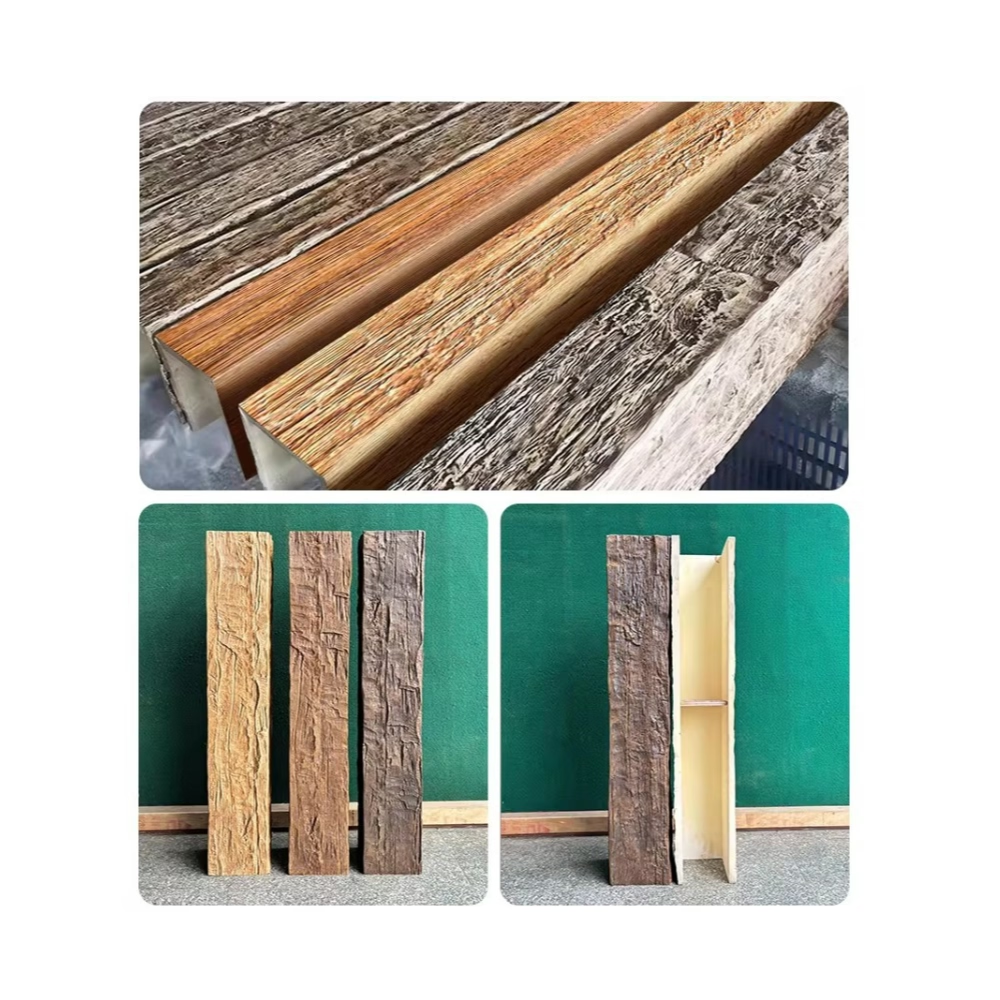
Decorative Elements
Corbels and Brackets
Support decorations:
- Wood corbels match beam
- Metal brackets contrast
- Traditional carved designs
- Modern geometric shapes
- Custom decorative options
Corbels add visual detail.
End Caps
Beam end treatment:
- Routed edges
- Decorative trim
- Painted finish
- Metal end caps
- Natural weathering
End caps finish appearance.
Trim Coordination
Trim matching:
- Coordinate with surround trim
- Match existing millwork
- Consider transition pieces
- Blend beam with wall
- Create cohesive look
Trim unifies design.
Coordinate Decorating
Shelf Styling
Mantel décor guidelines:
- Asymmetric arrangement
- Odd numbers of items
- Varying heights
- Personal items included
- Seasonal rotation
Styled mantels create personality.
Weight Capacity
Understanding limits:
- Check beam weight rating
- Account for decorative items
- Distribute heavy items
- Monitor over time
- Reinforce if needed
Capacity prevents accidents.
Accessory Selection
Mantel accessories:
- Candles and candle holders
- Picture frames
- Decorative objects
- Seasonal decorations
- Natural elements
Accessories personalize spaces.
Room Integration
Living Room Fireplace
Living room placement:
- Room focal point
- Seating arrangement guide
- Visual anchor
- Architectural feature
- Gathering space definition
Living room fireplaces deserve presence.
Bedroom Fireplace
Bedroom placement:
- Softer styling
- Coordinated with bed
- Intimate atmosphere
- Romantic element
- Relaxation focus
Bedroom fireplaces need gentler treatment.
Outdoor Fireplace
Outdoor considerations:
- Weather-resistant materials
- UV protection needed
- Proper sealing
- Professional installation
- Climate-specific products
Outdoor needs specialized care.
Fireplace beam applications create the essential mantel that anchors fireplace design. Style coordination, proportion balance, and material matching ensure visual harmony. Heat safety—proper clearance, appropriate materials, code compliance—protects both home and family. Mantel styles from traditional to floating serve different aesthetics. Professional installation with proper support ensures stability and safety. Decorative elements—corbels, end caps, trim—add finishing detail. Coordinate styling creates personalized mantels that complete the fireplace composition while serving functional needs.
Technical References
ASTM standards cited in every specification
Test Data
Lab results from internal testing program
Updated 2026
Reviewed against current product specs