
Luxury hospitality and high-end residential projects demand architectural details creating memorable spaces that command premium rates and drive guest satisfaction. Exposed ceiling beams deliver this visual impact—they add warmth, define space, and establish character that distinguishes properties in competitive markets. Traditional solid timber beams create installation nightmares in these applications: excessive weight requiring structural reinforcement, complex rigging during installation in finished spaces, and ongoing maintenance that disrupts operations. Lightweight polyurethane faux wood beams solve these challenges comprehensively. Weighing one-tenth what timber weighs, installing with simple adhesive, and requiring zero maintenance, PU beams enable the architectural vision luxury properties require without the logistical complications and ongoing costs solid wood demands.
Weight Advantages in Luxury Applications
Numbers tell the story dramatically. A 16-foot solid oak beam 8x10 inches weighs approximately 320 pounds. The polyurethane equivalent weighs 28-32 pounds. This 10:1 weight ratio creates cascading advantages affecting every project phase from design through long-term ownership.
Structural loading becomes a non-issue with lightweight beams. Solid timber beams spanning 16+ feet require structural analysis confirming ceiling joist capacity or triggering reinforcement adding thousands to project costs. Eight beams in a grand foyer loading 2,560 pounds demand engineering review and potential structural upgrades. The same eight PU beams total 240 pounds—less than two adults standing in that space. Structural reinforcement needs simply disappear, saving engineering fees, materials, and installation labor.
Installation labor requirements drop dramatically. Solid wood beams weighing 300+ pounds need three installers plus mechanical lifting for ceiling installations. Hotel lobby beams 18 feet high require scaffolding, rigging equipment, and half-day installation cycles per beam. Lightweight PU beams install with two workers using ladders—no rigging, no specialized equipment, no extended disruption. In occupied hotels, this installation simplicity enables off-hours work minimizing guest impact. In villa construction, it accelerates schedules and reduces labor costs directly impacting project margins.
Shipping and logistics costs decrease proportionally with weight. A container holding 2,000 linear feet of timber beams might exceed vessel weight limits before volume capacity fills. The same container accommodating 4,000-5,000 linear feet of PU beams never approaches weight constraints. This shipping efficiency reduces freight cost per linear foot by 40-60%, delivering material cost advantages beyond purchase price comparison. International shipments to resort destinations in Hawaii, Caribbean islands, or remote luxury locations benefit especially from weight-based freight savings.
Installation Efficiency in Finished Spaces
Hotel renovations and villa projects often occur in fully finished spaces where construction activity must minimize disruption and prevent damage to surrounding finishes. Lightweight beam installation methodology perfectly suits these constrained environments.
Adhesive mounting eliminates fastener requirements and structural penetrations. Construction adhesive formulated for polyurethane creates structural bonds to drywall, plaster, or wood substrates without mechanical fasteners. Apply continuous adhesive beads to beam backs, position against ceiling, and temporarily brace until adhesive cures. This approach prevents the drilling, fastener driving, and patching that timber beams require—operations generating dust, noise, and vibration that finished-space renovations must minimize. Hotel projects working overnight between guest occupancy particularly value this quiet installation method.
Lightweight handling prevents damage to existing finishes. Moving 300-pound timber beams through finished corridors risks wall damage, floor scratching, and doorframe contact. Insurance claims and repair costs from construction damage sometimes exceed material savings prompting timber selection. Two workers carrying 30-pound PU beams navigate finished spaces without special protection or damage risk. This handling ease enables installation in occupied buildings where timber installation would require facility closure.
Rapid installation cycle reduces disruption duration. Timber beam installation consuming 4-6 hours per beam means multi-day disruption for typical hotel lobby or villa great room containing 6-8 beams. PU beam installation completing in 20-30 minutes per beam finishes entire spaces in single days. Hotels scheduling renovations during low-occupancy periods maximize available time when installation efficiency compresses work into minimal disruption windows. Villa builders on tight delivery schedules appreciate the schedule certainty lightweight installation provides.
Tool requirements remain standard carpentry equipment—no specialty rigging, no heavy-duty scaffolding, no mechanical lifts. This simplicity reduces mobilization costs and enables smaller contractor crews to execute installations that would otherwise require specialty subcontractors. Remote luxury villa projects benefit particularly when simplified tool requirements eliminate equipment shipping and setup costs that remote locations amplify.
Authentic Appearance for High-End Markets
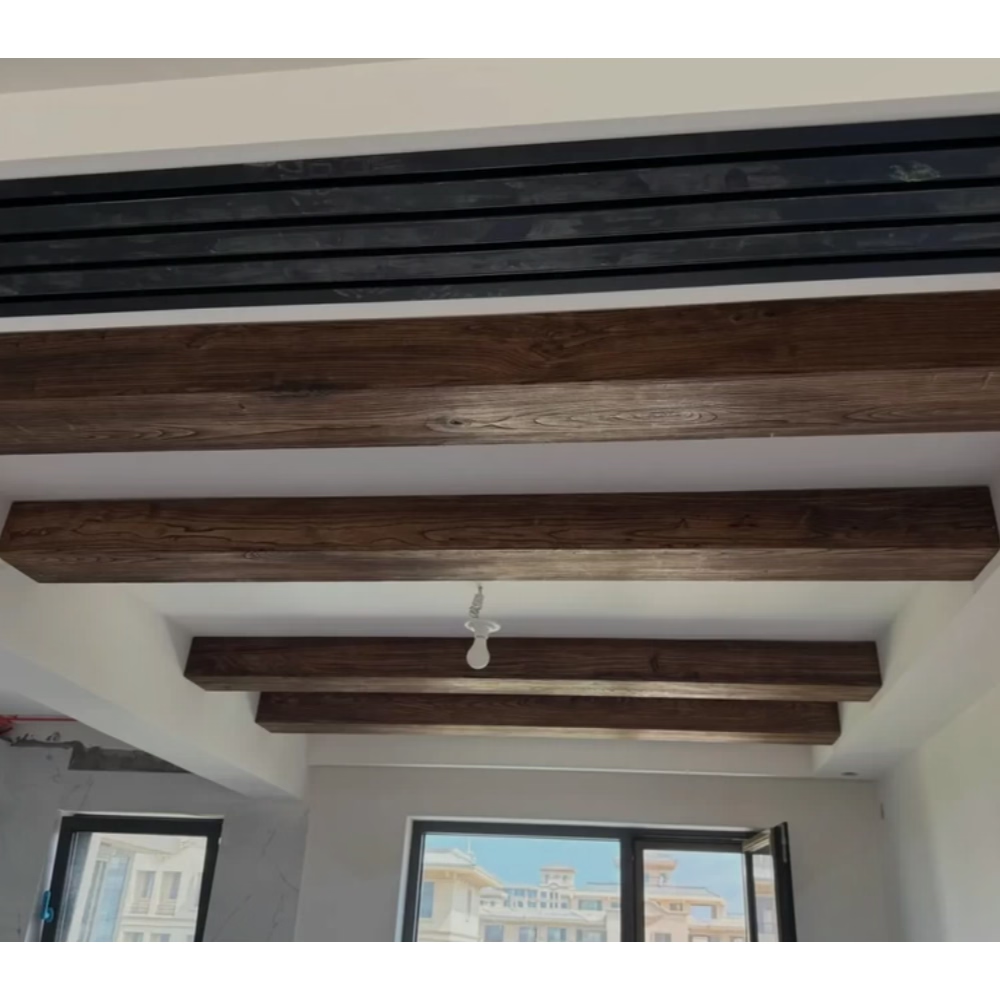
Lightweight construction doesn't compromise visual authenticity—critical concern for luxury markets where clients scrutinize quality and expect genuine materials. Modern polyurethane manufacturing replicates wood character at microscopic resolution, creating beams passing visual inspection at any distance guests or residents encounter them.
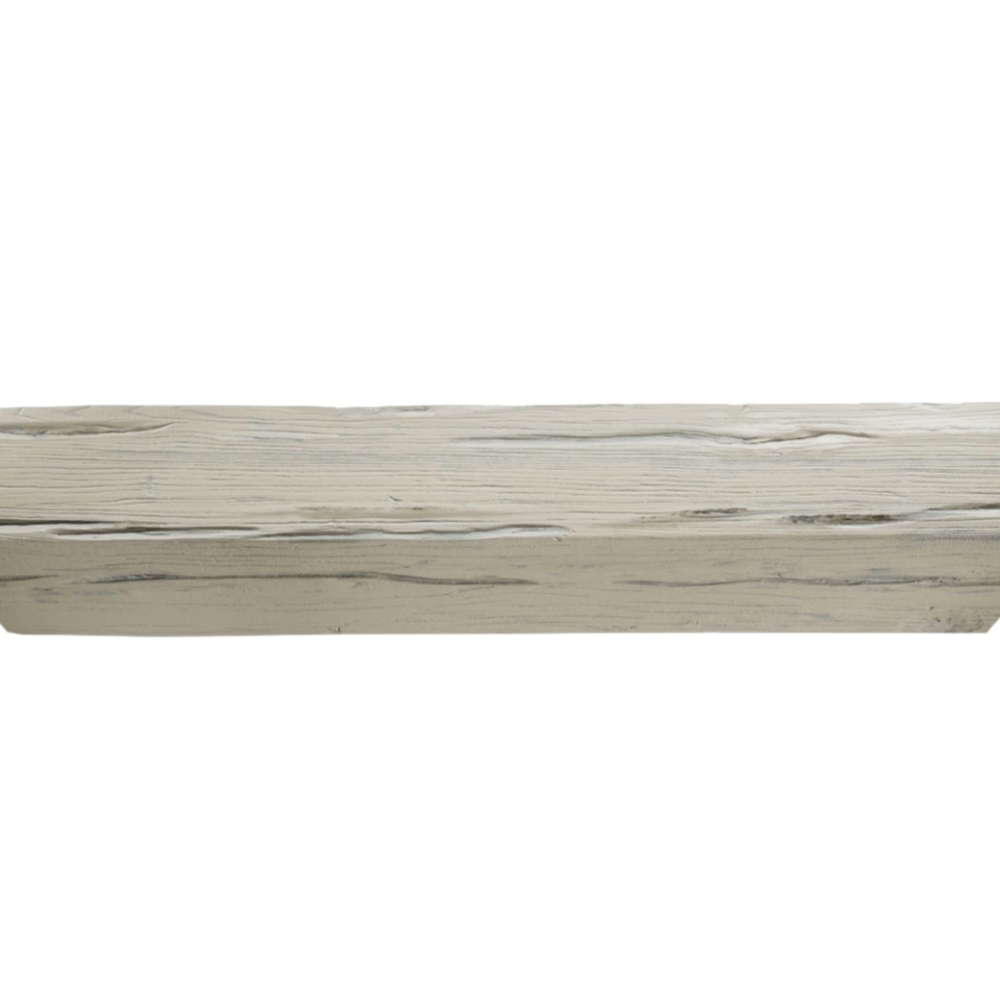
Surface texturing captures wood grain, saw marks, and age character indistinguishable from timber. Hand-hewn rustic textures show adze cuts and chisel marks. Smooth contemporary finishes reveal subtle grain definition. Distressed aged surfaces display checking, wormholes, and patina suggesting century-old reclaimed timber. These textures replicate from master patterns during molding, creating consistent high-fidelity detail across all beams in projects requiring 20, 50, or 100+ units for multi-building resort developments.
Color depth and variation mimics natural wood tones convincingly. Stain formulations penetrate PU surfaces creating color gradation and grain emphasis identical to wood staining. Highlight and shadow play across textured surfaces responds to lighting just as timber would. Close examination reveals polyurethane base, but normal viewing distances—standing in spaces looking at ceiling beams 10-15 feet away—presents completely convincing wood appearance. Guest perception and photography capture the warmth and character luxury markets demand.
Dimensional presence matches timber authenticity through proper scaling. Undersized beams look false regardless of material—6x6 beams in 20-foot-tall hotel lobbies appear decorative rather than structural. Properly proportioned 10x12 or 12x14 beams create visual weight suggesting actual structural function. Lightweight PU construction enables these massive dimensions without weight penalties that would make timber versions impractical. This scaling freedom lets designers specify beams appropriate to space volume rather than constrained by weight limitations.
Custom profiling accommodates diverse architectural styles. Spanish Colonial villas need beams with hand-hewn character and deep distressing. Contemporary mountain hotels specify cleaner textures with subtle grain. Traditional hospitality projects require smooth finishes integrating with refined millwork. Manufacturers serving luxury markets maintain texture libraries and custom profiling capabilities matching specific design aesthetics without forcing style compromises.
Villa Application Considerations
Private luxury villas present distinct specification requirements different from hotel applications. Understanding these differences guides appropriate product selection and specification.
Residential scale demands proportional beam sizing. Villa great rooms rarely exceed 25-foot ceiling heights where hotels might reach 35-40 feet. Beam cross-sections proportionate to residential scale—6x8, 8x10, 8x12—create appropriate visual weight without overwhelming spaces. Oversized beams suited to hotel lobbies look cartoonish in residential contexts. Suppliers experienced in villa work guide dimensional specifications achieving desired impact within residential architectural vocabulary.
Integration with millwork and cabinetry requires color coordination luxury residential clients demand. Villa projects specify custom color matching to kitchen cabinetry, built-in shelving, or imported flooring. Submit physical samples during specification, receive approval samples before production, and verify color matching during installation. This attention ensures beams integrate into comprehensive interior color palettes rather than appearing as disconnected ceiling elements.
Personalization opportunities distinguish custom villas from spec construction. Carved family crests, dimensional texture variations, or unique distressing patterns create one-of-a-kind elements impossible with timber without extraordinary expense. Polyurethane molding accommodates these customizations through modified master patterns—investment justified for ultra-luxury villas where uniqueness represents core value proposition.
Indoor-outdoor flow characterizes luxury villa design, particularly in resort climates. Beams extending from interior great rooms onto covered terraces create spatial continuity. While fully-exterior applications exceed polyurethane's intended use, covered outdoor spaces protected from direct weather exposure suit PU beams ideally. Their moisture immunity and UV-stable finishes maintain appearance in these transitional zones where wood requires constant maintenance fighting moisture and sun exposure.
Hotel and Resort Deployment Strategies
Hospitality applications involve unique logistical considerations and performance requirements that influence material selection and installation approach.
Brand consistency across properties requires specification standardization and color control. Hotel chains developing signature aesthetics use custom beam profiles and colors becoming brand identifiers. Manufacturers maintain specification records ensuring properties in different locations and construction phases match perfectly. This consistency builds brand recognition while simplifying specification and procurement across multiple projects.
Phased renovation schedules in operating hotels demand flexible installation sequencing. Renovating 200-room properties floor-by-floor over 18-month periods needs material delivered matching construction progress. Lobby renovation phase receives beams in month three, restaurant refresh gets materials month nine, event spaces renovate month fifteen. Suppliers coordinate these phased deliveries preventing on-site storage issues while ensuring material availability doesn't delay any renovation phase.
Fire code compliance requires documentation hotels can't compromise. Class A flame spread ratings and smoke development certifications qualify beams for assembly occupancies and high-rise applications. Manufacturers serving hospitality markets maintain these certifications and provide documentation satisfying building officials and insurance underwriters. Missing proper fire ratings can fail inspections shutting down renovation projects and creating massive delays.
Maintenance elimination drives hospitality economics powerfully. Hotel timber beams require refinishing every 3-5 years—operations closing spaces and generating disruption, expense, and lost revenue. PU beams require only periodic dusting as part of standard housekeeping. This zero-maintenance characteristic particularly benefits hospitality where operational continuity and cost control determine property profitability. Over 20-year property lifecycles, maintenance savings dwarf any material cost differences between polyurethane and timber alternatives.
Factory Direct Wholesale Economics
Luxury villa and hotel projects involve substantial beam quantities making procurement strategy economically significant. Direct manufacturer relationships capture optimal pricing and service levels.
Volume pricing structures reward project scale appropriately. Individual villa projects might install 400-800 linear feet of beams. Boutique hotels contain 1,500-3,000 linear feet. Resort developments with multiple buildings approach 5,000-10,000+ linear feet. Price breaks at 1,000, 2,500, and 5,000+ foot thresholds reflect manufacturing economics and reward substantial buyers with meaningful savings—15-30% off smaller-quantity pricing. These savings flow to project contingency, fund additional upgrades, or improve owner return on investment.
Custom specification accommodations become more flexible at volume. Single-villa custom beam profiles might face $8,000-12,000 tooling charges. Multi-property resort developments amortize tooling across hundreds of beams, reducing per-unit custom costs to levels comparable with standard profiles. This volume leverage enables architectural customization creating property differentiation without premium pricing destroying project economics.
Payment terms scale with project size and relationship. First-time 500-foot orders require 50% deposits. Established developers ordering 5,000 feet across multiple properties negotiate 30% deposits and net-60 terms aligning payment with construction draw schedules. These improved terms ease developer cash flow—important consideration on $5M-50M villa and hotel projects where working capital efficiency impacts overall project returns.
Supply relationship development supports multi-project developers and hotel operators building repeatedly. Annual volume commitments secure tier-one pricing across all projects. Priority production scheduling ensures critical-path items don't delay openings risking revenue loss. Technical support relationships provide installation training and application engineering across all properties. These strategic supplier partnerships deliver advantages transactional purchasing cannot match.
Quality Control for Luxury Standards
Luxury markets tolerate zero quality defects. Guests paying $800-2,000 nightly room rates or villa owners investing $3M-10M+ notice imperfections that mid-market properties might excuse. Supplier quality systems must deliver perfection consistently.
Visual inspection standards exceed typical construction grade requirements. Color variation, texture inconsistencies, or surface imperfections that wouldn't matter in production housing fail luxury project standards. Suppliers serving high-end markets implement rigorous inspection protocols catching minor defects that lower-grade suppliers would ship. This quality focus costs more in rejected material and inspection labor but delivers the consistency luxury markets demand.
Dimensional precision within 1/16 inch tolerances ensures perfect fit and alignment. Luxury projects often feature precise geometric ceiling layouts where beams align with lighting, millwork reveals, or architectural grid systems. Dimensional slop breaking these alignments creates visual discord that undermines expensive architectural intent. Precision manufacturing and verification prevent these alignment failures.
Packaging quality protects materials during international shipping to luxury destinations. Resort projects in Bali, Maldives, Cabo, or French Alps involve extended shipping times and multiple handling events. Premium packaging with individual beam wrapping, moisture barriers, corner protection, and robust palletization prevents damage that would create installation delays in remote locations where replacement shipments might require weeks. Inadequate packaging destroying materials mid-shipment has killed hotel opening schedules—competent suppliers prevent these disasters through proper protection.
Warranty coverage suitable for luxury applications provides 15-20 year material performance guarantees demonstrating manufacturer confidence and protecting property owner investment. These extended warranties exceed standard 10-year coverage, reflecting quality confidence and creating owner peace-of-mind valuable in luxury markets where material selection must justify premium construction costs.
Conclusion
Lightweight polyurethane faux wood beams deliver the architectural authenticity luxury villa and hotel projects demand without the weight, installation complexity, and maintenance burden solid timber imposes. Weight advantages eliminate structural reinforcement requirements, reduce installation labor 60-70%, and cut shipping costs dramatically. Installation methodology suits finished-space renovation in operating hotels, simplified tool requirements, and rapid completion cycles minimizing disruption. Visual authenticity through high-fidelity texturing and color depth convinces at all viewing distances guests and residents encounter. Villa applications benefit from residential-scale proportioning, millwork integration, and indoor-outdoor capability. Hotel deployments leverage brand consistency, phased delivery coordination, fire code compliance, and maintenance elimination driving long-term operational economics. Factory-direct wholesale purchasing captures volume pricing, enables custom specifications at scale, and develops strategic supply relationships supporting multi-project developers and operators. Rigorous quality control meets luxury market expectations where imperfections are unacceptable. For architects, developers, and owners creating distinctive properties in competitive luxury markets, lightweight faux wood beams represent not just a material substitution but an enabling technology delivering architectural visions that timber's weight, cost, and maintenance make impractical or economically untenable.
Technical References
ASTM standards cited in every specification
Test Data
Lab results from internal testing program
Updated 2026
Reviewed against current product specs