
General contractors and home builders face a persistent challenge: delivering the architectural character clients expect while keeping projects on schedule and within budget. Solid timber beams create logistical nightmares—weight restrictions, installation delays, ongoing maintenance concerns, and unpredictable material costs. Wholesale custom polyurethane faux beams solve these pain points systematically. Factory-direct sourcing eliminates middleman markup, custom manufacturing matches exact project specifications, and bulk order processing ensures consistent delivery across multi-unit developments or commercial build-outs.
Why Builders Choose PU Over Timber
The construction industry has witnessed a decisive shift toward engineered materials that perform better than the products they replace. Polyurethane faux beams weigh one-tenth what solid oak or Douglas fir beams weigh, yet they deliver identical visual impact. A 20-foot solid wood beam might require three installers and specialized lifting equipment; the polyurethane equivalent goes up with two people and standard adhesive. This weight difference translates directly to labor savings and eliminates structural reinforcement requirements that timber beams often demand.
Dimensional stability sets polyurethane apart in real-world applications. Solid wood expands and contracts with seasonal humidity changes, creating gaps at joints and stress cracks along grain lines. PU beams remain inert across temperature and moisture fluctuations. Coastal projects, humid climates, and spaces with variable HVAC conditions all benefit from this stability. Contractors avoid callback visits for gap-filling or crack repairs that timber installations generate within the first year.
Custom Manufacturing for Project-Specific Needs
Standard stock beams force design compromises. Custom polyurethane manufacturing removes those limitations. Builders specify exact length, width, and height dimensions matching architectural drawings. A 17-foot-6-inch ceiling span receives a beam molded to that precise measurement—no field splicing, no visible seams, no waste from cutting down oversized stock. Cross-section profiles adapt to design intent: shallow 4x6 profiles for subtle accents, massive 12x12 timber look for rustic lodges, or hand-hewn textures replicating reclaimed barn beams.
Color matching extends customization to finished aesthetics. Submit a sample chip from existing millwork, flooring, or cabinetry, and factory technicians formulate stain blends that integrate new beams into established color palettes. Multi-unit residential developers maintain visual consistency across phases completed months apart. Hotel chains achieve brand-standard finishes in properties separated by thousands of miles. This color control eliminates the lottery of natural wood grain variation.
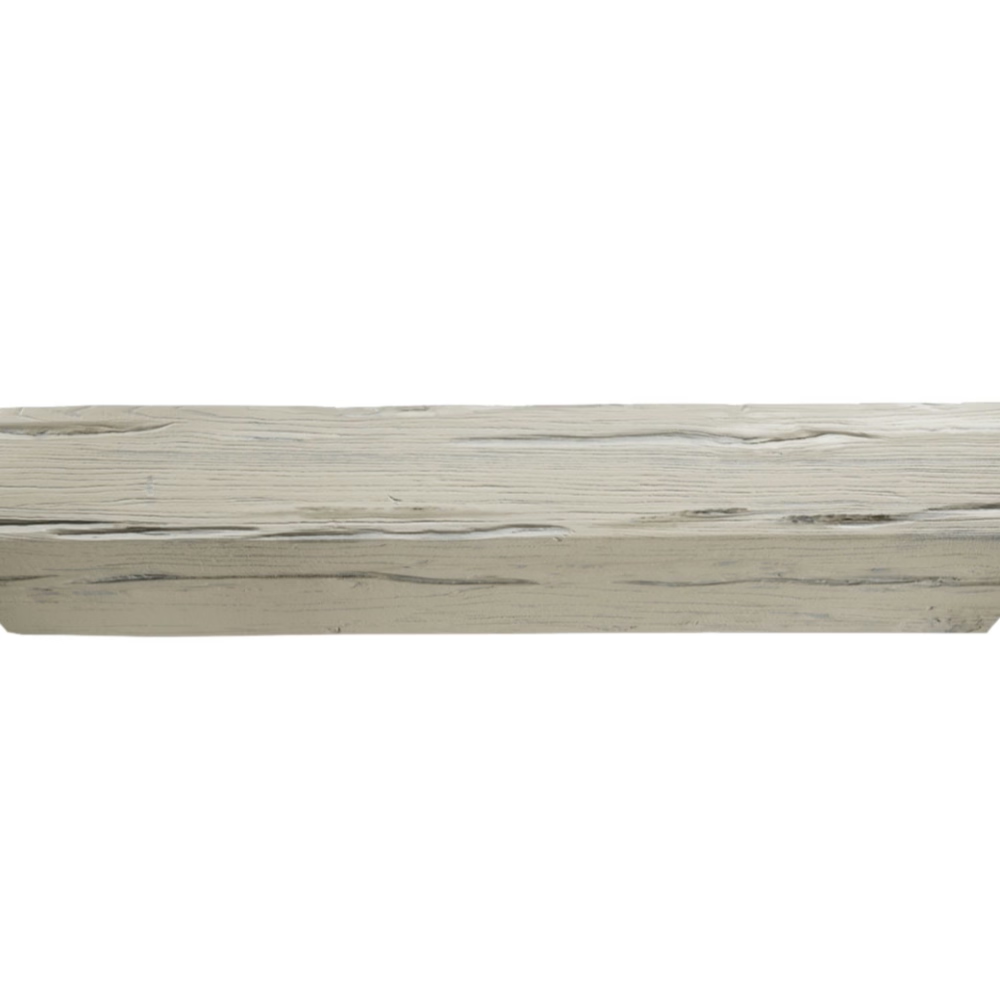
Texture options range from smooth contemporary finishes to deeply distressed surfaces showing saw marks, adze cuts, and hand-planed character. Spanish Revival projects receive beams with worm holes and age checking. Modern farmhouse builds get clean-lined beams with subtle grain definition. Rustic mountain lodges specify heavy distressing with corner wear and exposed knots. Surface treatment happens during molding, not through labor-intensive hand-work applied after installation.
Bulk Order Pricing and Lead Time Management
Volume pricing structures reward project scale. Orders exceeding 500 linear feet typically qualify for tier-one wholesale rates. Multi-building developments spreading thousands of feet across clubhouses, model homes, and amenity centers access the most competitive factory pricing. These economies of scale allow builders to incorporate architectural ceiling details that budget constraints would otherwise eliminate.
Lead time transparency prevents schedule surprises. Standard profiles in common dimensions ship within 7-10 business days. Custom color matching adds approximately two weeks for sample approval cycles. Complex profiles requiring new mold fabrication extend timelines to 4-6 weeks but deliver beams unavailable through any stock supplier. Builders integrate these timelines into construction schedules just as they plan for window delivery or millwork fabrication.
Container optimization reduces freight costs on large orders. A 40-foot high-cube container holds roughly 2,000 linear feet of 8x10 beams when packaging accounts for protective wrapping and structural bracing. Consolidating orders across multiple job sites into single container shipments cuts per-foot transportation expense significantly. Some manufacturers offer partial container programs for smaller builders, combining orders from several customers to capture container rates on 500-1000 linear foot purchases.
Installation Efficiency on Job Sites
Time on task drives contractor profitability. PU beam installation proceeds dramatically faster than timber alternatives. Lightweight handling eliminates crane rental and rigging coordination. Two installers complete ceiling layouts that would require four workers handling solid wood. Beams cut cleanly with standard miter saws—no specialized blades, no dulling issues, no sawdust management challenges from dense hardwoods.
Adhesive mounting provides structural reliability without visible fasteners. Construction adhesive formulated for polyurethane bonds create permanent attachments to drywall, plaster, or wood substrates. This approach eliminates pre-drilling, countersinking, and fastener concealment steps that timber installation requires. Open work time allows position adjustment before adhesive sets, accommodating field conditions and ceiling irregularities without locked-in errors.
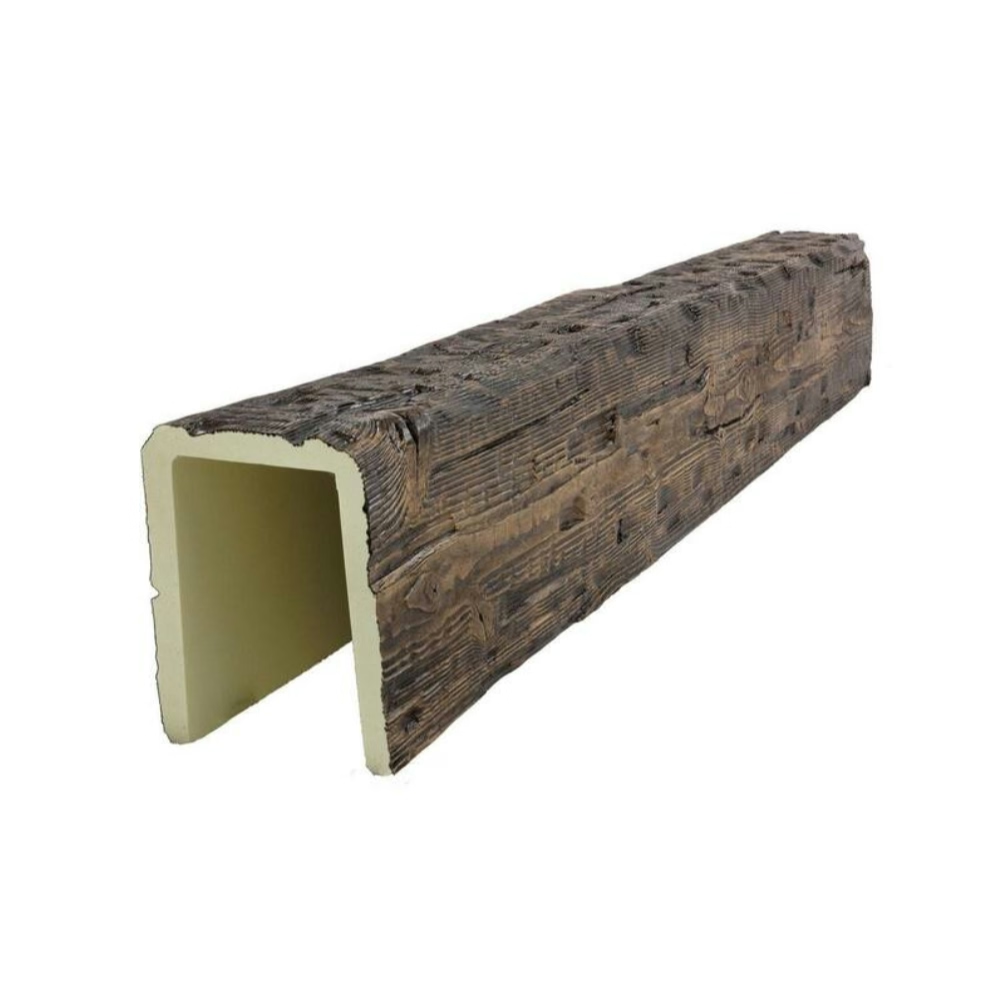
Hollow U-channel beam profiles conceal existing structural members. Many renovation projects expose steel I-beams or glulam headers that owners want hidden. Three-sided PU beams slip over these elements, transforming functional structure into decorative architecture. This covering approach takes minutes per beam versus the hours required to fur out and veneer solid members with wood planking.
Quality Control and Specification Compliance
Professional contractors demand material consistency across job lots. Factory polyurethane manufacturing delivers it. Computer-controlled mixing ensures uniform resin density. Temperature-regulated molding produces identical dimensions across production runs. This consistency means beams from different production dates fit together seamlessly in exposed layouts where dimensional variation would create visible step-offs or misaligned joints.
Material specifications support commercial building requirements. Class A fire ratings qualify beams for assembly occupancies and high-rise applications. VOC compliance meets California 01350 standards and LEED material transparency requirements. Structural certifications document non-load-bearing designation, satisfying building department plan review. These third-party validations prevent mid-project specification challenges that halt work and trigger costly redesigns.
Sample programs let builders evaluate materials before committing to project quantities. Request 12-inch beam sections in proposed colors and textures. These samples go to client selection meetings, get photographed in mockup spaces, and serve as field references during installation. This physical verification prevents the disconnect between catalog images and delivered materials that creates client dissatisfaction and change order disputes.
Geographic Distribution and Import Logistics
Most wholesale polyurethane beam manufacturers operate in China, where resin production, mold-making expertise, and skilled finishing labor concentrate. Understanding import mechanics helps builders manage costs and timing. FOB (freight on board) pricing places responsibility for ocean shipping and customs clearance on the buyer. DDP (delivered duty paid) pricing includes all costs through delivery to the builder's warehouse, simplifying budgeting but typically carrying higher overall expense.
Customs classification under HTS codes determines duty rates and documentation requirements. PU beams typically import under codes related to polyurethane articles or decorative building elements, with duty rates between 0-6% depending on product specifics and country of origin. Experienced freight forwarders handle classification, ISF filing, and customs release, but builders benefit from understanding these mechanisms during price comparison and supplier selection.
Port proximity influences logistics costs significantly. Projects in Los Angeles benefit from direct container delivery at lower drayage expense than inland destinations requiring truck or rail transloading. Consolidation services at major ports let builders combine beam shipments with other imported materials—flooring, tile, lighting—spreading container and customs processing costs across multiple product categories.
Warranty Coverage and Long-Term Performance
Material warranties demonstrate manufacturer confidence in product durability. Reputable suppliers provide 10-15 year warranties covering cracking, warping, and color fading under normal interior conditions. These warranties transfer to property owners, adding value in new home sales and protecting builders from future callback liability. Review warranty terms carefully—some exclude exterior applications or limit coverage in high-humidity environments without proper ventilation.
Polyurethane chemistry delivers true long-term stability. Unlike wood that degrades from insect damage or rot, PU remains inert to biological attack. Termites ignore it. Moisture doesn't initiate decay. This permanence matters in coastal markets, humid southern climates, and any application where timber would require ongoing treatment and monitoring. The material simply doesn't deteriorate the way organic products do.
Maintenance requirements essentially stop at occasional dusting. No oiling, no refinishing, no sealing. Homeowners appreciate this zero-maintenance characteristic, and builders benefit from eliminating the maintenance education and material recommendation that timber installations require. This hands-off performance distinguishes polyurethane in owner satisfaction surveys and reduces post-sale support demands on builder staff.
Conclusion
Wholesale custom polyurethane faux beams deliver the architectural presence builders need with the practical advantages contractors demand. Factory-direct purchasing eliminates distribution markup, custom manufacturing matches exact specifications, and bulk pricing supports project economics across residential and commercial construction. Material performance advantages—lightweight installation, dimensional stability, zero maintenance—reduce labor costs and eliminate callback liabilities. Geographic sourcing requires understanding import logistics, but established freight networks and experienced manufacturers make international procurement straightforward. For builders executing multiple projects annually or developers working at community scale, wholesale PU beam relationships represent strategic advantages in delivering differentiated products while maintaining competitive cost structures and reliable project schedules.
Technical References
ASTM standards cited in every specification
Test Data
Lab results from internal testing program
Updated 2026
Reviewed against current product specs