Making the Right Choice
Choosing between real wood and faux wood beams requires understanding the genuine differences in cost, appearance, installation, and long-term performance. The right choice depends on your specific priorities.
Informed decisions yield satisfaction.
Cost Comparison
Material Costs
Price comparison overview:
- Real timber: $200-600 per beam (depending on species)
- Reclaimed wood: $300-800 per beam
- PU faux beams: $50-200 per beam
- High-end faux: $150-350 per beam
- Installation costs add significantly
Cost difference is substantial.
Installation Costs
Labor comparison:
- Real timber: requires professional installation
- Heavy beam handling: additional labor costs
- Specialized equipment: scaffolding often needed
- Faux beams: often DIY-installable
- Reduced labor: significant savings
Installation affects total cost.
Long-Term Costs
Ongoing expenses:
- Real wood: potential refinishing needed
- Moisture damage: real wood vulnerable
- Pest issues: wood-boring insects possible
- Faux beams: minimal maintenance
- Replacement costs: consider longevity
Long-term costs affect value.
Appearance Comparison
Authentic Appearance
Real wood beauty:
- Natural grain variation
- Unique character marks
- Authentic aging patterns
- Genuine material presence
- Natural color depth
Real wood offers authenticity.
Faux Wood Appearance
Modern faux quality:
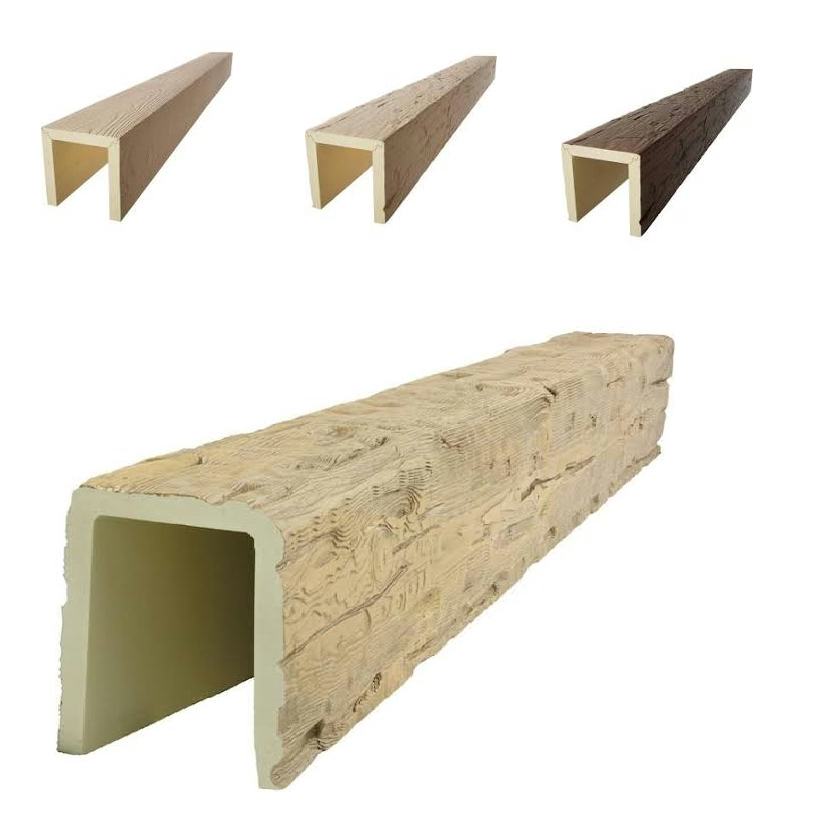
- High-quality molds capture detail
- Consistent quality control
- Wide style availability
- Custom finish options
- Modern faux remarkably realistic
Faux appearance improves steadily.
Visual Differences
Distinguishing factors:
- Weight difference (noticeable when handled)
- Sound difference (tapping reveals material)
- Temperature difference (real wood cooler)
- Grain consistency (real wood varies)
- Edge definition (molded vs. natural)
Close inspection reveals differences.
Weight and Handling
Real Timber Weight
Weight considerations:
- Solid oak: 40-50 lbs per cubic foot
- Solid pine: 25-35 lbs per cubic foot
- Reclaimed beams: often heavier
- Support requirements significant
- Handling equipment needed
Weight affects installation.
Faux Beam Weight
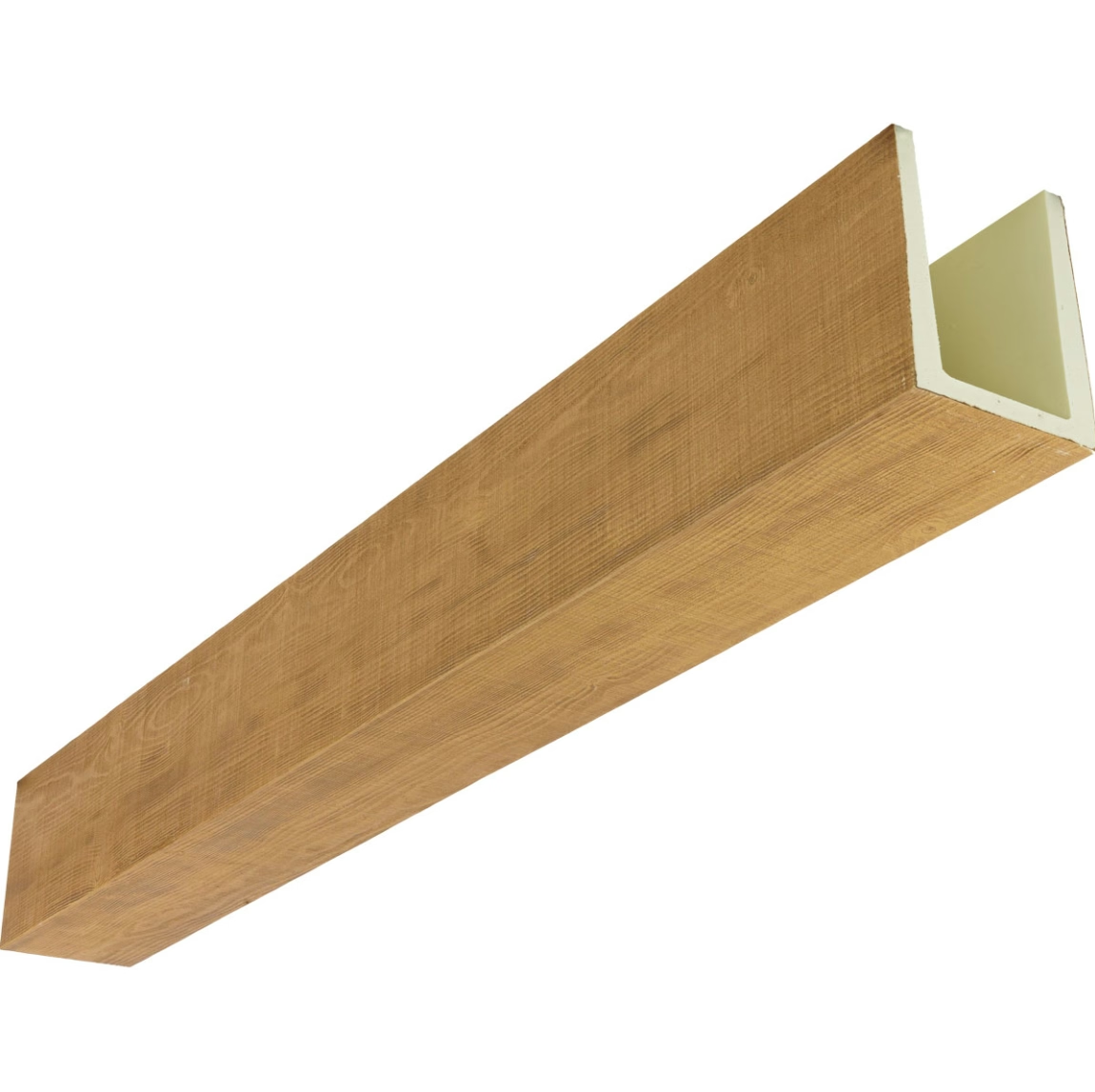
Lightweight benefits:
- PU density: 10-20 lbs per cubic foot
- Easy single-person handling
- Simple mounting requirements
- Reduced structural load
- DIY installation feasible
Lightweight simplifies everything.
Structural Implications
Load considerations:
- Real wood: adds significant load
- Ceiling structure assessment needed
- Engineering sometimes required
- Faux beams: negligible load added
- Easier retrofit applications
Load affects feasibility.
Installation Comparison
Real Timber Installation
Professional requirements:
- Heavy equipment often needed
- Multiple installers required
- Structural mounting essential
- Specialized hardware needed
- Professional expertise necessary
Real timber needs professionals.
Faux Beam Installation
DIY-friendly process:
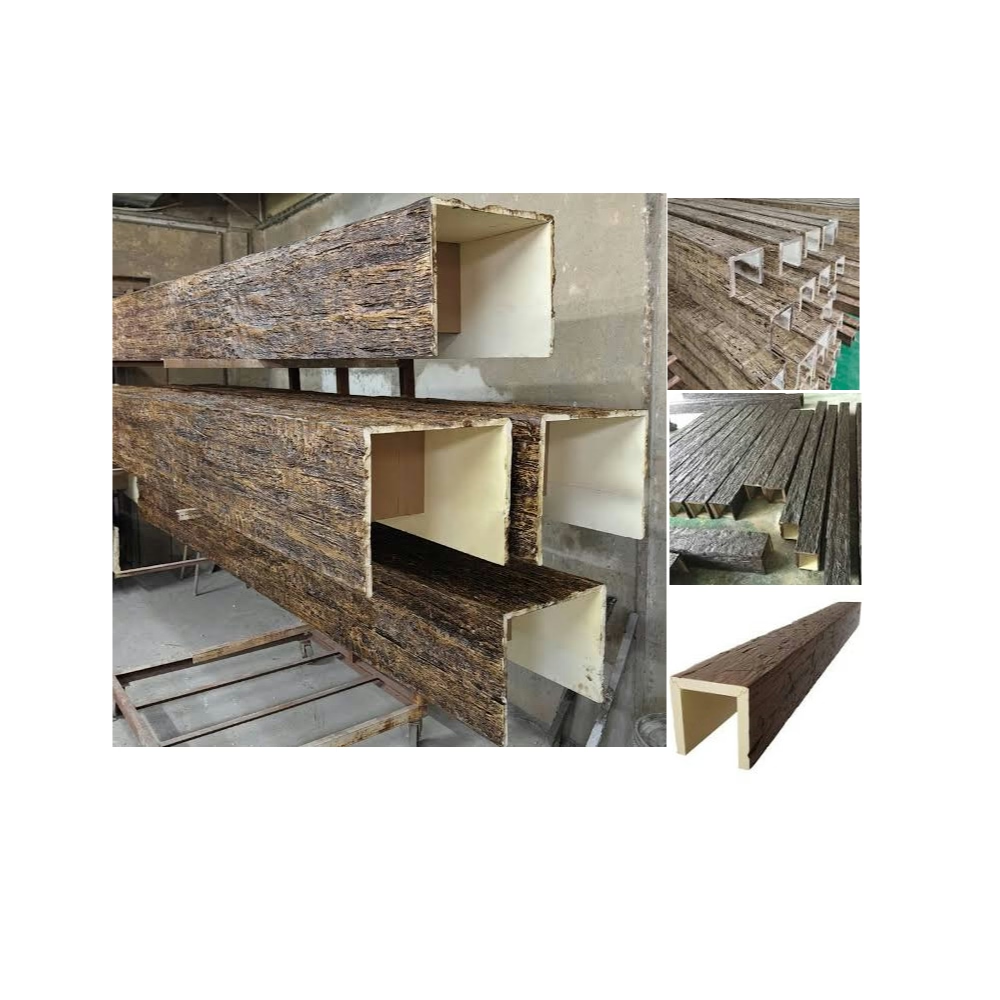
- Lightweight for easy handling
- Simple bracket systems
- Standard tools sufficient
- One-person installation possible
- Clear manufacturer instructions
Faux beams enable DIY.
Time Requirements
Installation time:
- Real timber: multi-day installation
- Site preparation extensive
- Finishing work often needed
- Faux beams: often single-day install
- Minimal finishing required
Time affects convenience and cost.
Durability Comparison
Real Wood Durability
Natural durability factors:
- Species determines longevity
- Proper maintenance extends life
- Moisture sensitivity high
- Pest vulnerability exists
- Can last centuries with care
Real wood durability varies.
Faux Beam Durability
Synthetic durability:
- Moisture-proof construction
- Pest-proof material
- Consistent quality
- UV-resistant finishes available
- Typical lifespan: 20-30+ years
Faux offers consistent durability.
Damage Resistance
Impact resistance:
- Real wood: dents and scratches
- PU beams: more resistant
- Real wood: can be repaired
- Faux: may show impact marks
- Both benefit from careful use
Damage resistance differs.
Maintenance Requirements
Real Wood Maintenance
Ongoing care:
- Periodic sealing or staining
- Moisture monitoring
- Pest inspection
- Refinishing when needed
- Repair of damage
Real wood needs attention.
Faux Beam Maintenance
Minimal needs:
- Occasional dusting
- Mild soap cleaning
- UV protection if needed
- No sealing required
- No pest treatment
Faux requires minimal care.
Repair Comparison
Repair approaches:
- Real wood: sand and refinish
- Natural patching possible
- Faux beams: touch-up paint
- Significant damage: replacement may be needed
- Both have repair options
Both can be maintained.
Environmental Considerations
Real Wood Sustainability
Environmental factors:
- Renewable resource
- FSC certification available
- Reclaimed wood option
- Carbon storage benefit
- Local sourcing reduces transport
Real wood offers green options.
Faux Beam Impact
Synthetic considerations:
- Petroleum-based material
- Long lifespan reduces replacement
- No deforestation required
- Recycling options limited
- Manufacturing energy costs
Faux has different impacts.
Making Green Choices
Balanced approach:
- Reclaimed real wood: excellent choice
- High-quality faux: longevity helps
- Local sourcing: reduces impact
- Quality over quantity
- Lifespan considered
Both can be responsible choices.
When to Choose Real Wood
Authentic Priority
Choose real wood when:
- Maximum authenticity required
- Heritage or period-correct appearance
- Structural timber needed
- Budget allows premium
- Professional installation available
Real wood suits authenticity priority.
Specific Applications
Real wood recommended for:
- Load-bearing applications
- Outdoor exposed use
- Period-accurate restoration
- Premium new construction
- Long-term heritage projects
Real wood serves specific needs.
When to Choose Faux Beams
Practical Priority
Choose faux beams when:
- Budget is primary concern
- DIY installation desired
- Moisture areas (bathrooms, kitchens)
- Weight is structural concern
- Low-maintenance priority
Faux suits practical priorities.
Application Benefits
Faux recommended for:
- Apartment installations
- Rental property upgrades
- Quick room transformations
- Ceiling height limitations
- Frequent style changes
Faux serves practical applications.
Real wood vs faux wood beams each serve different priorities effectively. Real wood offers authentic beauty, heritage appeal, and potential centuries of service for those who prioritize authenticity and can invest accordingly. Faux beams deliver remarkable appearance at accessible prices, with easy installation and minimal maintenance for practical homeowners. Cost, weight, installation requirements, and maintenance differ significantly. Understanding these differences helps homeowners choose confidently based on their specific priorities, budget, and application requirements. Both options create beautiful, lasting results when quality products are properly installed.
Technical References
ASTM standards cited in every specification
Test Data
Lab results from internal testing program
Updated 2026
Reviewed against current product specs