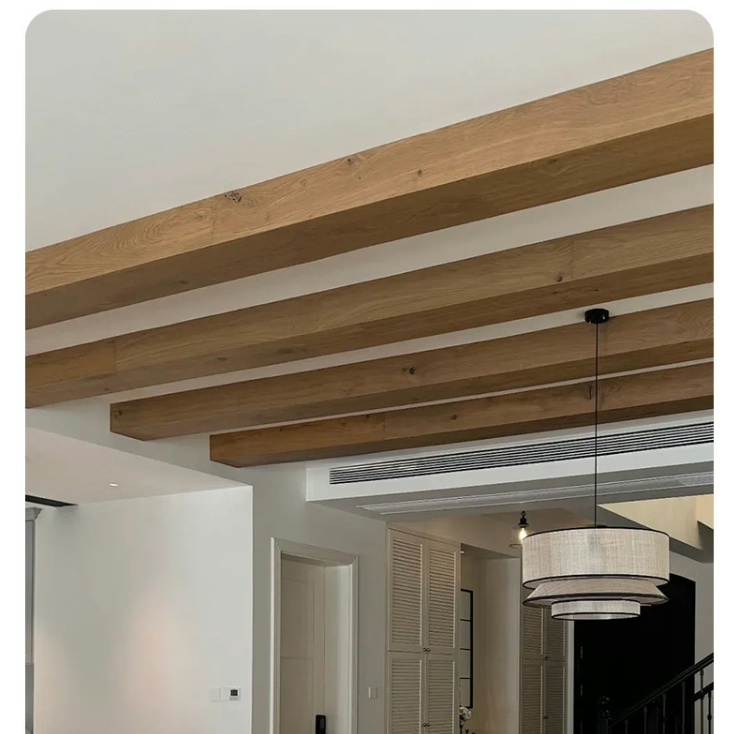
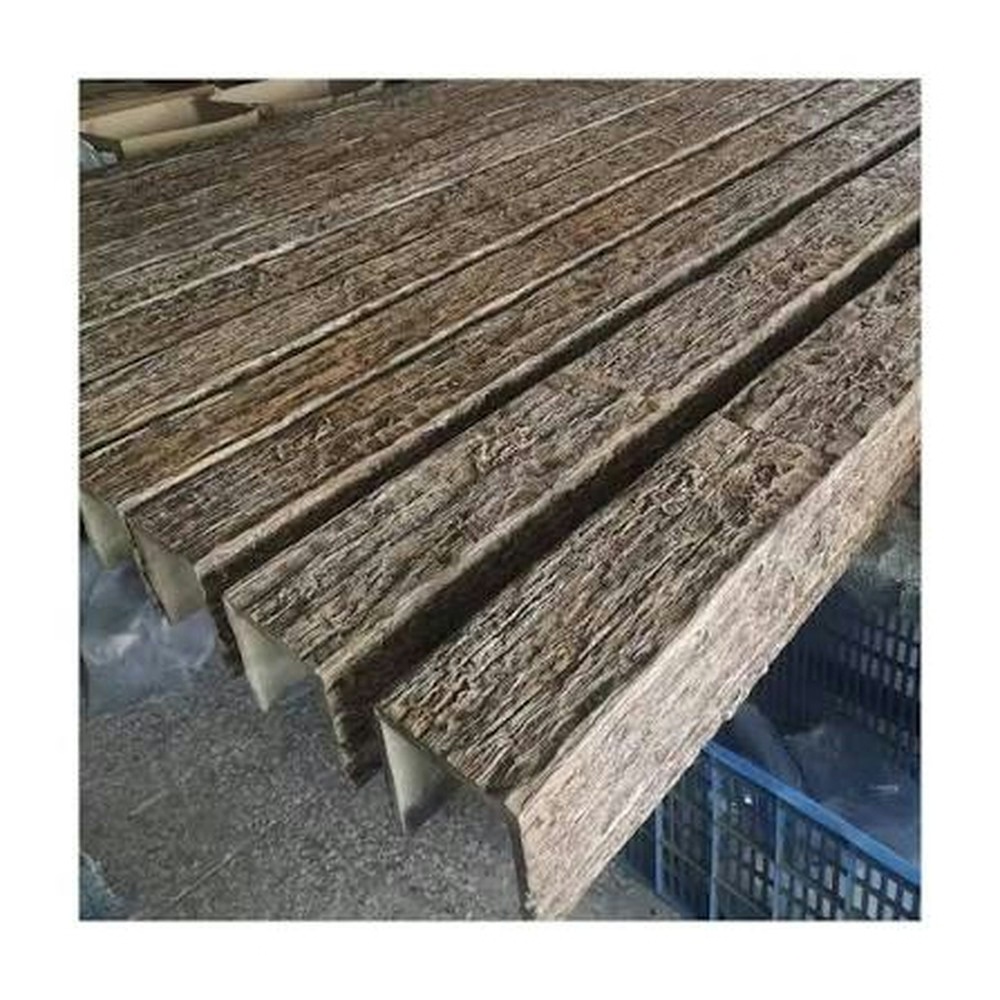
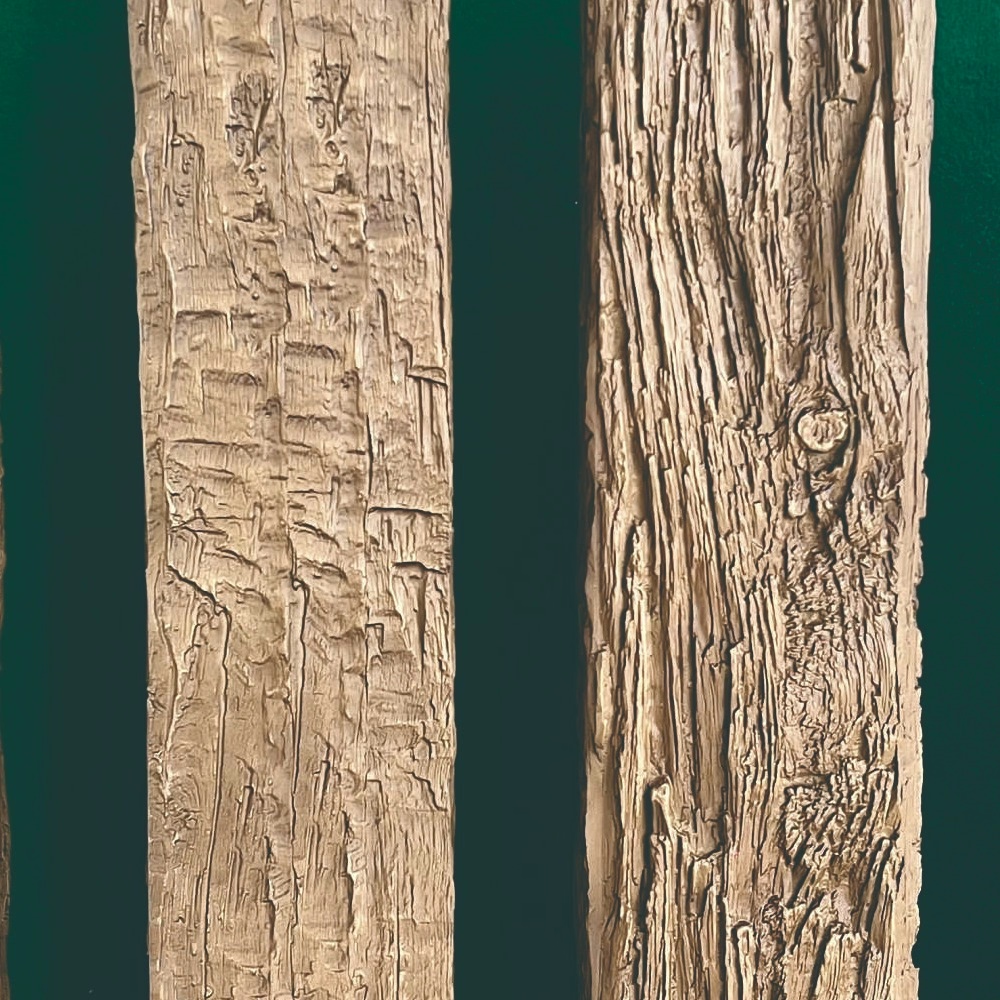
All-In-One Complete Polyurethane Faux Wood Beam System for Full Renovations
Comprehensive renovation projects benefit from integrated solutions that coordinate components across entire systems. All-in-one beam systems provide this integration, offering complete ceiling treatment solutions that include beams, mounting infrastructure, finishing elements, and often installation services. These turnkey approaches simplify renovation management while ensuring that all components work together effectively.
Understanding system scope and limitations helps renovation planners evaluate whether integrated approaches suit their specific requirements. Comprehensive solutions offer convenience but may limit customization that renovation complexity demands.
System Component Integration
Complete beam systems integrate multiple components into unified solutions. Beams arrive pre-finished with textures and colors designed to work together. Mounting systems coordinate with beam profiles for secure, invisible attachment. Finishing elements—corners, joints, trim—provide transitions that complete installations professionally.
This integration eliminates the compatibility problems that component mixing creates. Different manufacturers' products may not fit together properly, may color-match imperfectly, or may impose conflicting installation requirements. System approaches eliminate these risks through pre-engineered coordination.
Design Coordination Benefits
System approaches enforce design coordination that might otherwise suffer from ad-hoc decision-making. When all components come from single systems, finishes match automatically, proportions align consistently, and visual results achieve coherent aesthetics that assembled alternatives may struggle to match.
Design discipline embedded in system specifications ensures that installations maintain consistent design language throughout. This coherence produces professional results more reliably than guidance-based approaches that depend on individual installer interpretation.

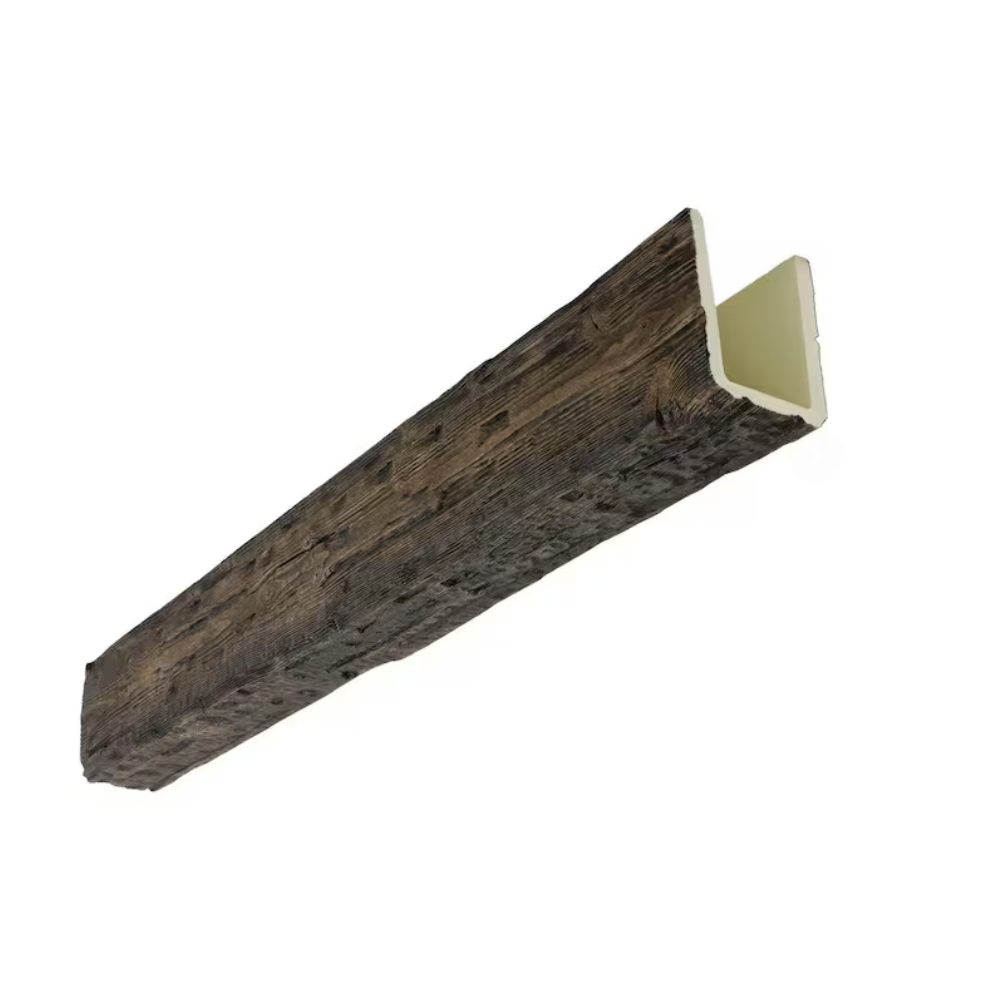
Cost Transparency and Value
System pricing may appear higher than component totals initially, but this appearance can mislead. System pricing typically includes coordination value—engineering, design, and quality assurance—that component purchasing excludes. Comparing true total costs requires including procurement effort, quality verification, and compatibility risk that component approaches impose.
Request complete pricing breakdowns that show all system components and associated costs. Compare against itemized pricing for equivalent component assemblies to evaluate true value propositions. Consider soft costs—time, effort, and risk—that affect total project economics.
Installation Service Options
Some system packages include professional installation services that transform purchasing into complete solutions. These turnkey options simplify renovation management substantially, reducing coordination requirements and ensuring professional execution throughout.
Evaluate installation service quality when packages include this option. Verify contractor credentials, experience with specific systems, and warranty coverage that installation services provide. Premium installation costs may prove economical compared to DIY risks that amateur execution introduces.

Renovation Integration Considerations
Beam systems don't exist in isolation—they relate to adjacent construction, finishes, and systems throughout renovated spaces. System specifications should coordinate with overall renovation requirements, ensuring that beam treatments complement rather than conflict with surrounding elements.
Include beam system specifications in overall renovation planning. Coordinate timing, sequencing, and interface details with other renovation trades. System approaches simplify this coordination by providing complete component specifications that other trades can reference.
Technical References
ASTM standards cited in every specification
Test Data
Lab results from internal testing program
Updated 2026
Reviewed against current product specs