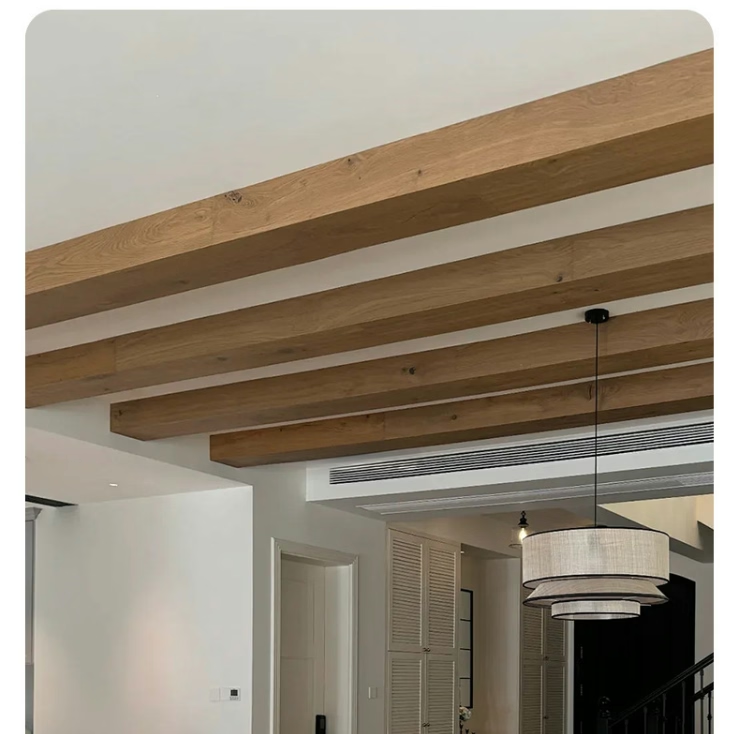
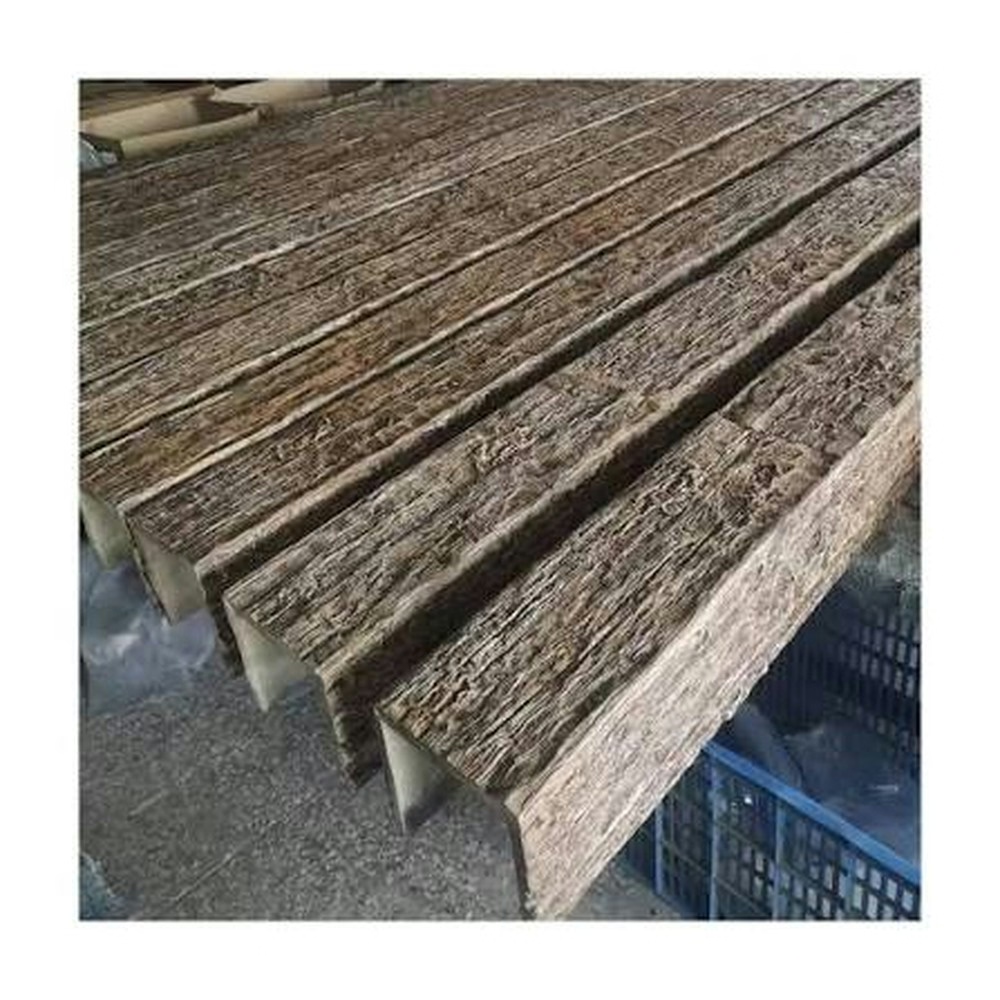
All-Weather Weather-Resistant Polyurethane Faux Wood Beams for Exteriors
Exterior installations demand materials that laugh at weather rather than merely tolerate it. Polyurethane faux wood beams designed for outdoor use must contend with sun exposure that would bleach natural wood, rain that promotes rot, temperature swings that crack lesser materials, and the freeze-thaw cycles that demolish marginal products. The all-weather designation isn't marketing hyperbole—it's an engineering commitment to year-round performance regardless of climate.
Engineering for Ultraviolet Challenge
Sunlight represents exterior materials' most relentless adversary. UV radiation breaks down organic compounds, degrades polymers, and strips color from surfaces in ways that accumulate gradually before becoming undeniable. Standard polyurethane, while resistant to many environmental factors, requires specialized UV stabilization to maintain appearance under sustained sun exposure.
Premium exterior formulations incorporate HALS (hindered amine light stabilizers) alongside UV-absorbing compounds. This dual-protection approach addresses both the immediate radiation absorption that causes surface heating and the longer-term photochemical degradation that erodes material integrity. The result is surface retention that maintains authentic wood appearance year after year.

Moisture Management for Longevity
Natural wood's vulnerability to moisture creates its characteristic maintenance burden: sealing, staining, replacing rotted sections, addressing insect damage that follows moisture intrusion. Polyurethane's closed-cell structure inherently resists moisture absorption, but exterior-grade products enhance this resistance with additional hydrophobic additives and precision molding that eliminates the surface porosity where moisture collects.
The dimensional stability implications matter practically. When beams don't absorb moisture, they don't swell, warp, or develop the gaps that allow water infiltration behind the installation. Exterior PU beams maintain their dimensions through seasonal humidity cycles, preserving tight joints and secure fastenings that lesser materials progressively lose.
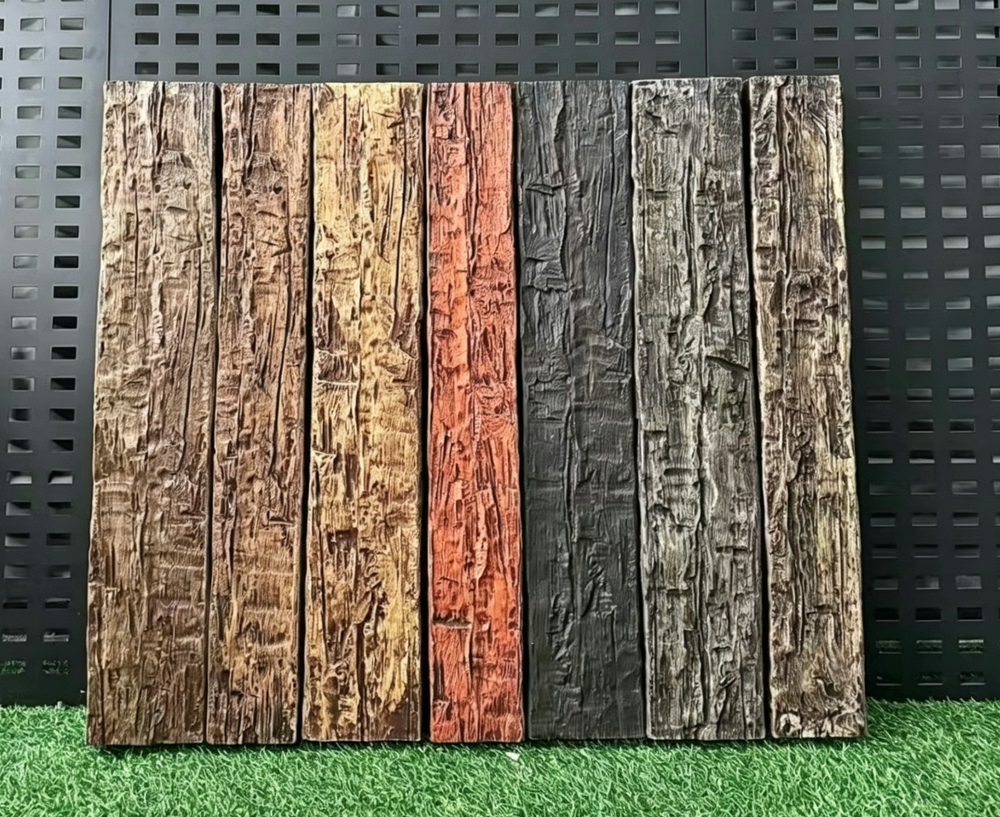
Thermal Cycling Resilience
Materials expand with heat and contract with cold—this basic physics challenges any exterior installation. Natural wood moves with moisture rather than temperature, but polyurethane responds directly to thermal conditions, potentially developing stress cracks or joint separations through repeated expansion-contraction cycles.
Exterior-grade formulations address this with impact modifiers that maintain flexibility across extreme temperature ranges. These additives allow the material to absorb thermal stress without脆裂 (brittle fracture), enabling performance from arctic winters through desert summers without the degradation that standardized products experience.
Salt Exposure for Coastal Applications
Properties within a few miles of saltwater experience accelerated material degradation from salt-laden air. Coastal installations face unique challenges: salt crystals abrade surfaces, salt moisture promotes corrosion of metal components, and salt air penetrates areas that rainfall never reaches directly.
Exterior-grade PU beams for coastal applications incorporate salt-resistant formulations alongside marine-grade mounting hardware that resists the galvanic corrosion that attacks standard fasteners in saline environments. The complete system—beam, bracket, and fastener—functions as an integrated coastal solution rather than a standard product with coastal afterthoughts.
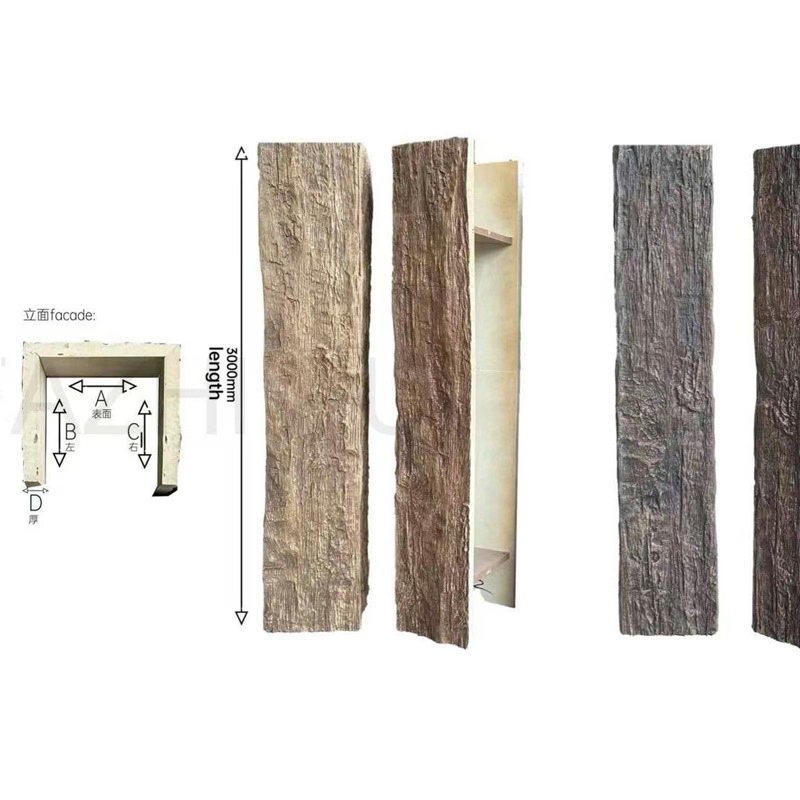
Cold-Weather Installation Considerations
Exterior beams often require winter installation in northern climates when renovation schedules align with off-season availability. Quality exterior formulations maintain workability at temperatures as low as 40°F (4°C), allowing installation through much of the year in temperate climates. Cold-weather adhesives specifically formulated for PU materials ensure initial bonds form correctly despite reduced cure rates at lower temperatures.
Professional installers in four-season climates appreciate this cold-weather capability, enabling project scheduling that maximizes workforce utilization without waiting for spring thaws that delay interior work.
Technical References
ASTM standards cited in every specification
Test Data
Lab results from internal testing program
Updated 2026
Reviewed against current product specs