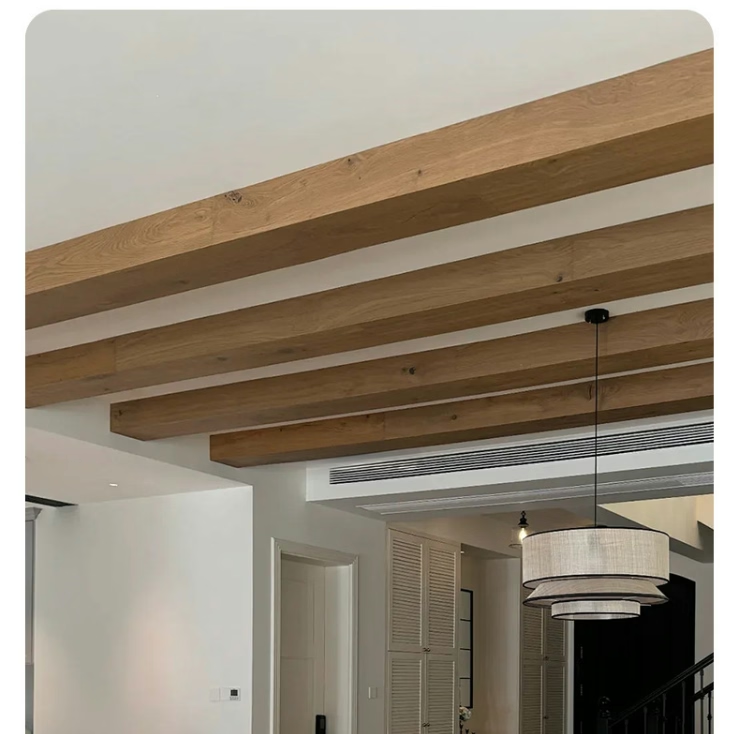
Alpine Chalet Style PU Faux Timber Beams for Mountain Home and Lodge Interiors
Mountain architecture communicates warmth, shelter, and connection to landscape through materials that feel earned by altitude. The Alpine chalet tradition exemplifies this aesthetic—exposed timber structure, generous fireplaces, and interior spaces that embrace rather than resist their dramatic settings. Polyurethane faux timber beams in authentic Alpine styles bring this mountain character to homes and lodges regardless of their actual elevation or construction type.
Understanding Alpine Styling Foundations
True Alpine chalet design emerged from practical necessity: steep roofs shed heavy snow, thick walls provide insulation against cold, and exposed timber carries structural loads while creating warm interior aesthetics. These functional origins produced an architectural vocabulary that reads as inherently authentic—the visual language matches the structural logic.
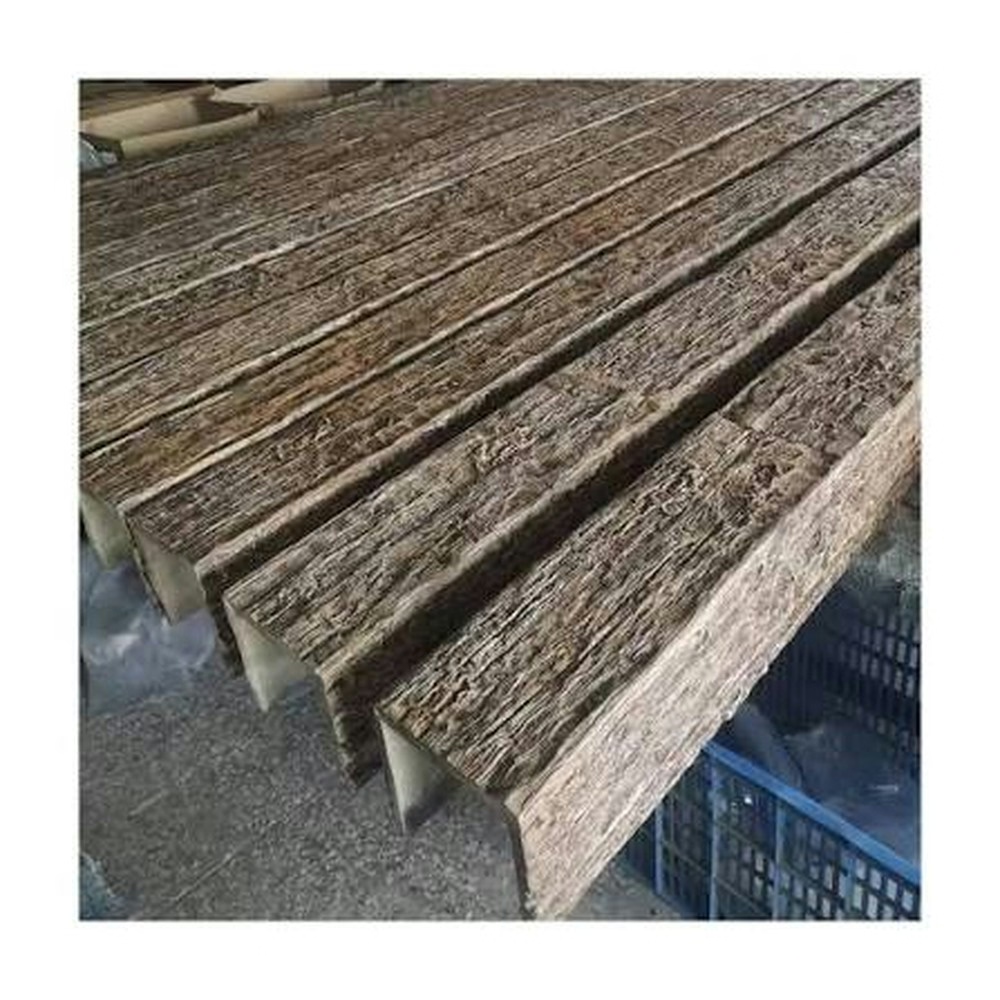
Alpine-style beams reflect this heritage through proportions that suggest genuine structural capacity, textures that imply hand-hewn or sawmill origin, and color treatments that reference the silver-grey weathering of naturally aged mountain timber. Replicating these qualities in polyurethane requires understanding which visual elements create authenticity and which represent mere surface decoration.
Profile Selection for Alpine Authenticity
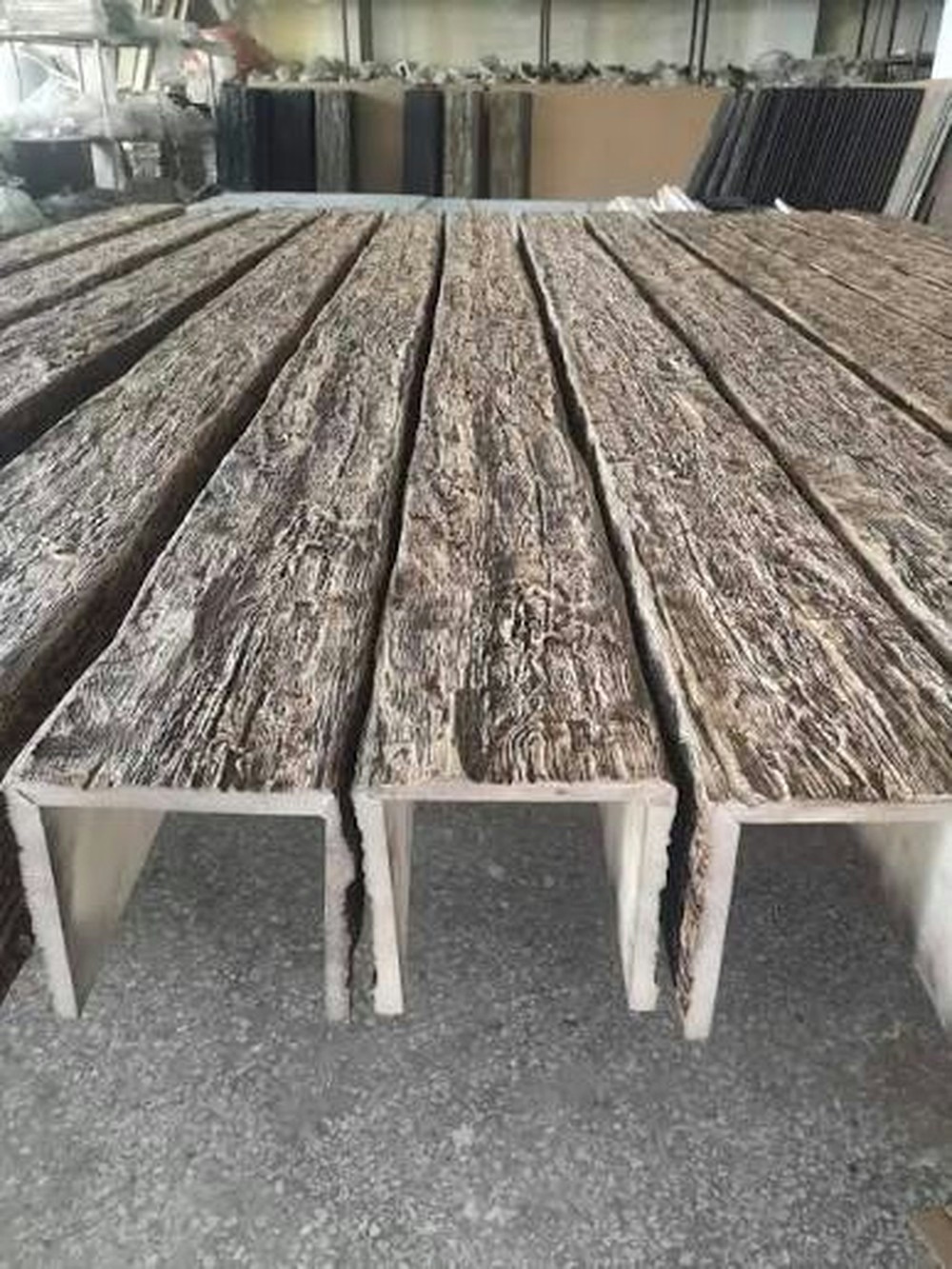
The beams themselves must carry the right proportions. Alpine construction traditionally used substantial timbers—often 8x8 or larger in natural wood equivalents—that created visual weight appropriate to the architecture's scale. Oversized faux beams that attempt to suggest this mass while remaining proportionally accurate to room dimensions create the intended effect; undersized beams that appear budget-substituted undermine the entire design intent.
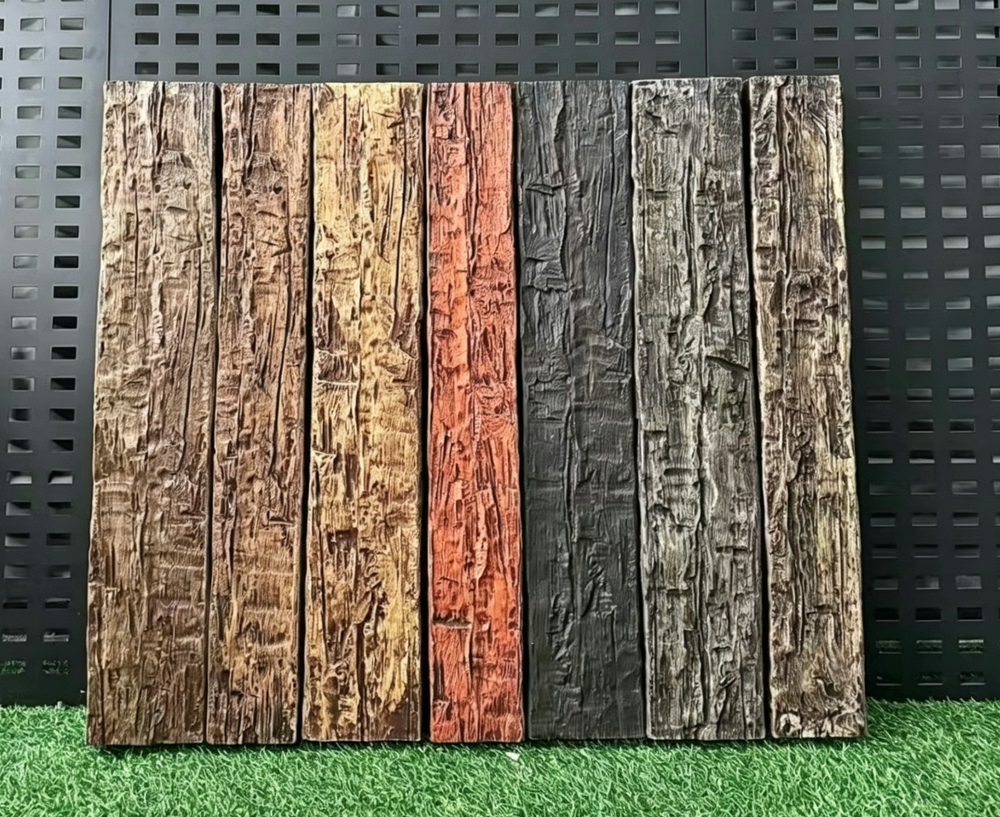
Surface texture becomes critical in Alpine applications. The best faux timber in this style replicates either hand-hewn surfaces (with their characteristic directional marks and slight irregularities) or coarse sawmill textures that suggest the original milling process. Smoother surfaces that might suit contemporary interiors read as inappropriately refined against Alpine architecture's rustic character.
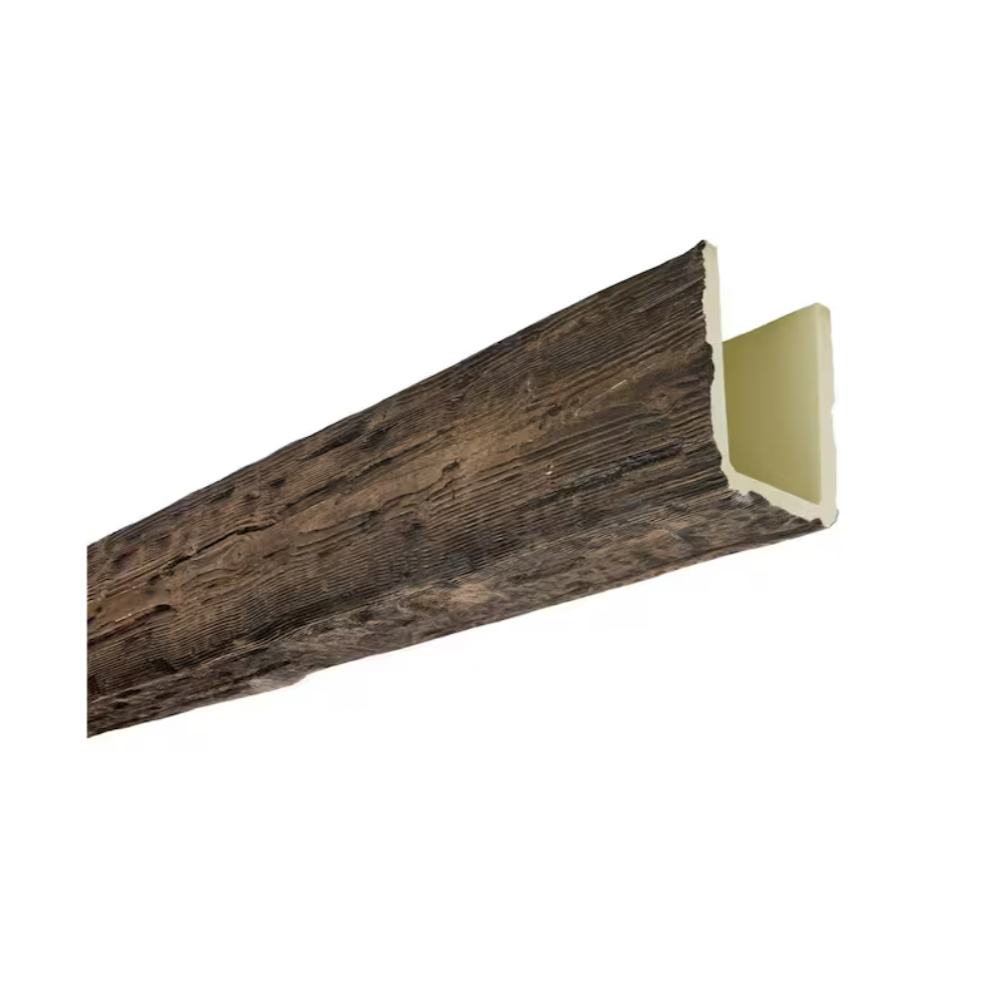
Color and Finish Considerations
Mountain light differs from lowland illumination—the angle, intensity, and color temperature all shift at elevation. Alpine beam finishes must account for how these lighting conditions interact with surface appearance. Warmer tones that might appear artificial in standard interior lighting feel appropriately natural under mountain light conditions.
Weathered grey tones reference the silver patina that natural timber develops at altitude, where UV exposure and precipitation accelerate aging. These tones pair naturally with stone surfaces common in mountain architecture, creating material harmony between beam and fireplace surround or accent walls.
Application Throughout Mountain Interiors
Great rooms represent the obvious Alpine beam application—vaulted ceilings where exposed structure creates the architectural drama the style demands. But the chalet aesthetic extends throughout living spaces: kitchen ceiling beams define the heart of the home, bedroom beams create intimate shelter, and bathroom beams introduce warmth into spaces that tile and glass would otherwise render cold.
This comprehensive application transforms individual room improvements into holistic interior design directions. When every ceiling incorporates matching Alpine-style beams, the home achieves the cohesive character that distinguishes genuine architectural intention from scattered renovation decisions.
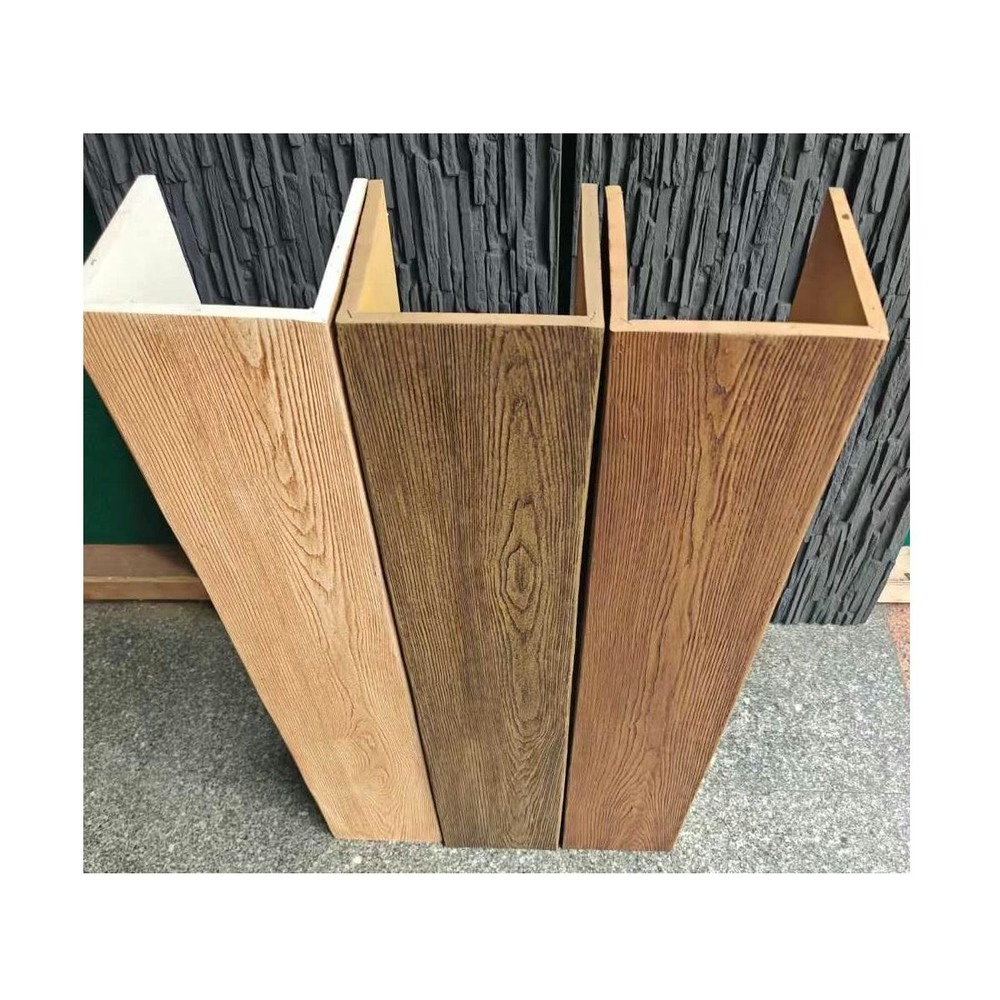
Climate Resilience for High-Altitude Interiors
Mountain homes face environmental challenges that standard interior finishes don't address. Temperature stratification between heated living spaces and cold attic areas creates condensation risks. Solar gain through large windows creates localized heating that challenges material stability. The very dramatic temperature swings that make mountain living invigorating stress building materials in ways that valley homes never experience.
PU faux timber in Alpine styling addresses these challenges through material stability that tolerates temperature fluctuation without cracking or delaminating. The closed-cell structure resists the moisture absorption that leads to mold and decay in natural timber, providing peace of mind in seasonal mountain properties where heating might be intermittent during shoulder seasons.
Technical References
ASTM standards cited in every specification
Test Data
Lab results from internal testing program
Updated 2026
Reviewed against current product specs