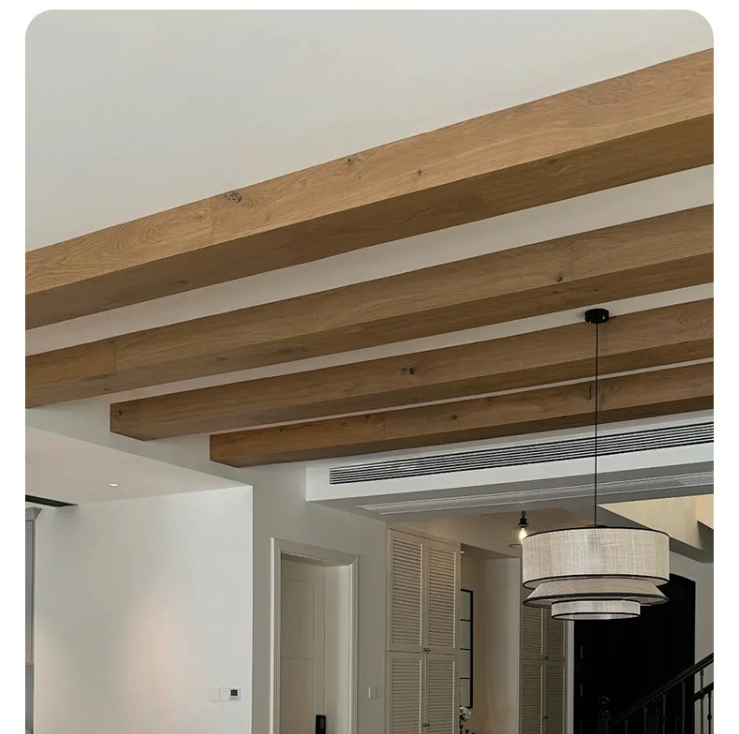
Ambient Ceiling Lighting Design Compatible With Faux Wood Beams
Lighting transforms ceiling beam installations from static architectural features into dynamic design elements that shift character through the day and create atmosphere that pure daylight cannot replicate. Thoughtful integration of lighting systems with faux wood beam installations elevates both components, using the beams' visual presence to organize lighting layouts while allowing illumination plans to emphasize beam textures and shadow patterns.
Strategic Lighting Approaches for Beam Ceilings
The relationship between beams and lighting operates bidirectionally: beams influence where light sources can be placed and how light distributes across ceiling planes, while lighting determines how beam surfaces read at different times and under varying conditions.
Grazing light, positioned to illuminate beam surfaces at shallow angles, emphasizes texture by casting shadows that reveal every grain line and tool mark. This technique works particularly well with heavily textured beams—coarse sawmill finishes, pronounced hand-hewn marks, or deep grain patterns. The same lighting on smooth beams produces minimal shadow definition, making grazing techniques better suited to rustic profiles than refined ones.
Wash lighting positions light sources to illuminate broad ceiling areas evenly, treating beams as elements within a larger composition rather than focal points. This approach suits contemporary beam designs where the overall ceiling shape matters more than individual beam detail.
Recessed Lighting Integration
Faux beam installations often require electrical work that precedes beam placement: recessed can installation, wiring for accent lighting, junction box placement for fixture mounting. Planning this integration early prevents the damage and rework that ad hoc installation creates.
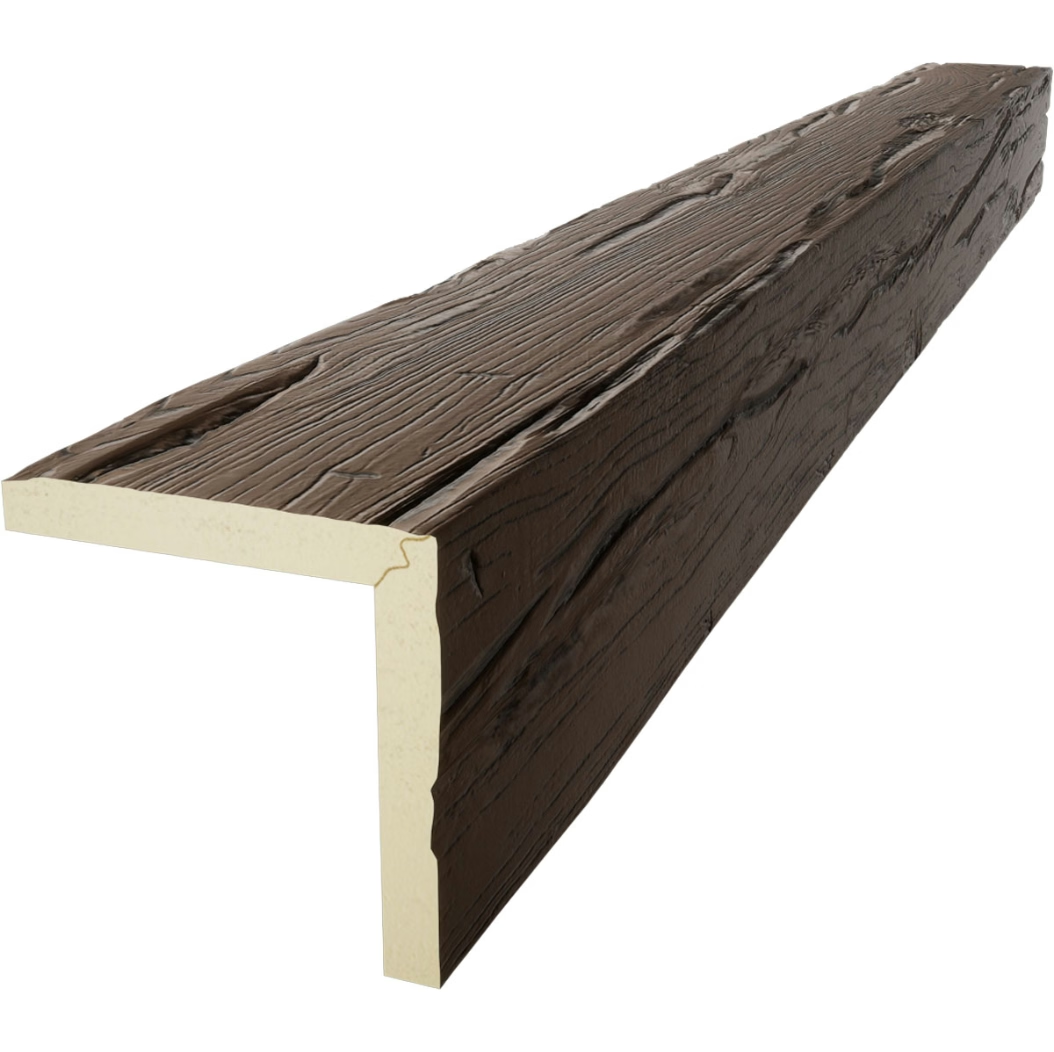
Beam manufacturers address this integration through specialized products: beams with integrated recessed housing recesses, pre-wired channel systems, and junction box provisions that accept standard electrical boxes. These features enable clean installation without cutting or modifying beams after manufacturing—preserving the factory finish that distinguishes quality products from field-modified alternatives.
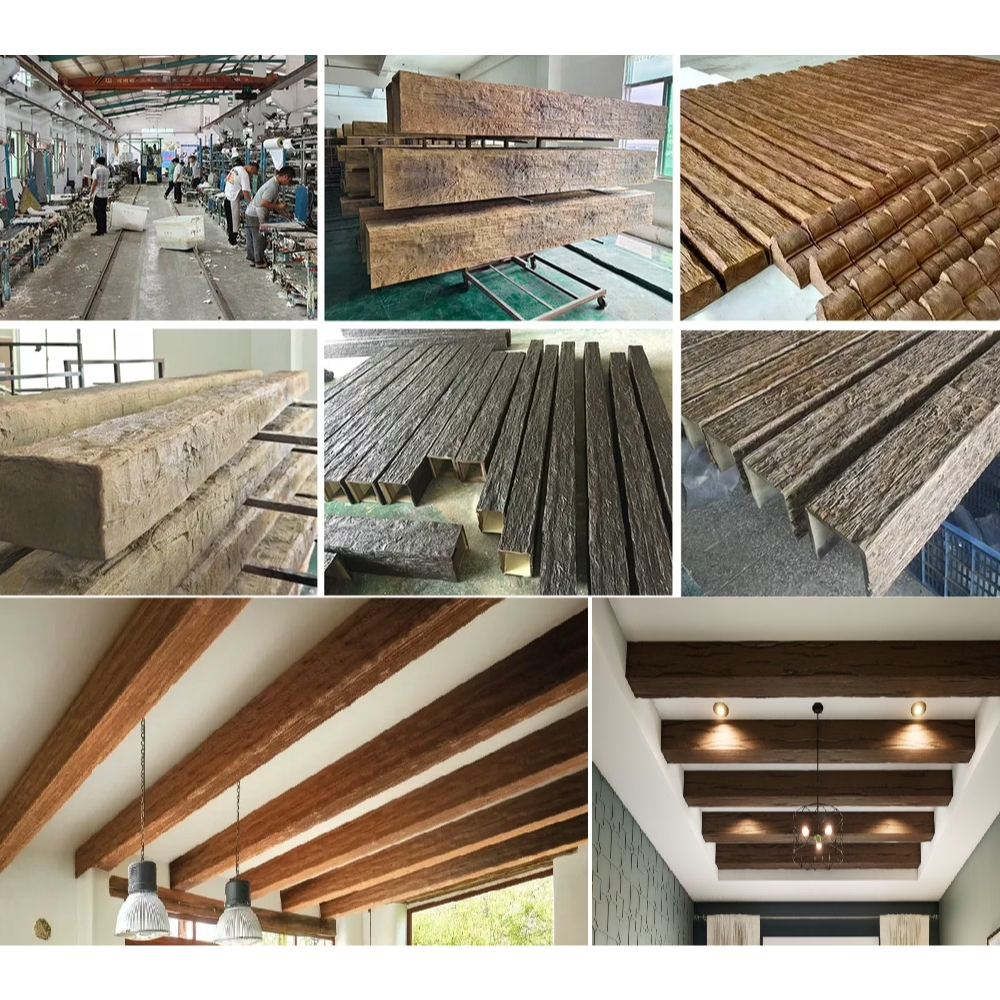
Placement coordination between beams and light fixtures requires understanding how beams will read under finished lighting. Fixtures positioned directly above beam centers illuminate beam faces while casting the space between beams into shadow. Offset positioning distributes light more evenly across the ceiling plane while still defining beam edges through contrast.

Faux Beam Light Valance Systems
Valance-mounted lighting—fixtures hidden behind horizontal boards that direct light upward and downward simultaneously—integrate naturally with beam installations. The valance itself can match beam styling, creating a cohesive element that serves both aesthetic and functional purposes.
This approach proves particularly valuable in hospitality applications: restaurant dining rooms, hotel lobbies, and resort common areas benefit from the layered illumination that valance systems provide. The upward component creates ambient ceiling glow that softens the space; the downward component provides task illumination for tables and seating areas.
Color Temperature Considerations
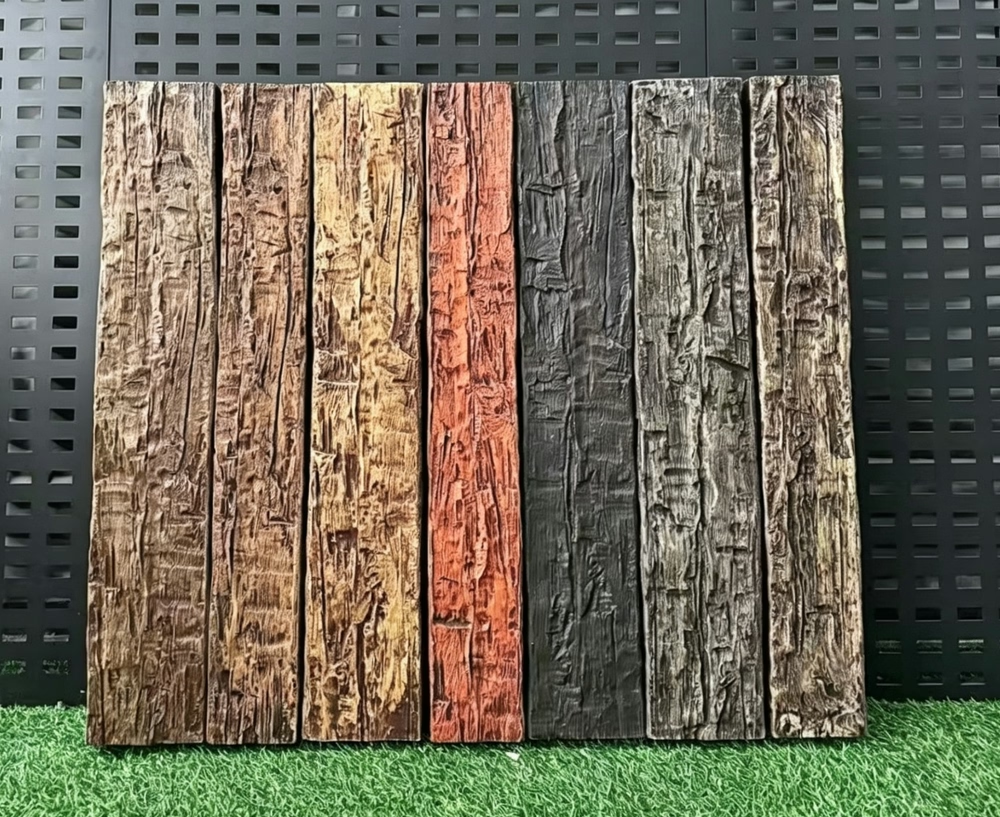
Beam materials interact with lighting color temperature in ways that affect both perceived warmth and accurate color rendering. Natural wood tones read differently under warm (2700K) versus cool (5000K) light sources, with warm light generally enhancing the amber and honey tones common in wood finishes while cool light can make warm wood tones appear muddy or gray.
LED lighting offers tunable color temperature options that allow adjustment to match beam finishes and design intent. This flexibility proves valuable in spaces where beam installations must coexist with other design elements that have their own color temperature requirements—artwork, furniture, or architectural finishes that prefer specific lighting conditions.
Dimming and Control Integration
Modern lighting installations rarely operate at full output continuously. Dimming systems create the flexibility that contemporary interior design demands, allowing spaces to transform from bright daytime functionality to intimate evening atmosphere through control system adjustments.
Faux beam installations should accommodate dimming components from initial planning: ensure junction boxes accommodate dimmer-equipped fixtures, specify LED drivers compatible with dimming protocols, and position control wiring for accessibility. These accommodations add minimal cost during initial construction but enable the functionality upgrades that building occupants inevitably request.
Technical References
ASTM standards cited in every specification
Test Data
Lab results from internal testing program
Updated 2026
Reviewed against current product specs