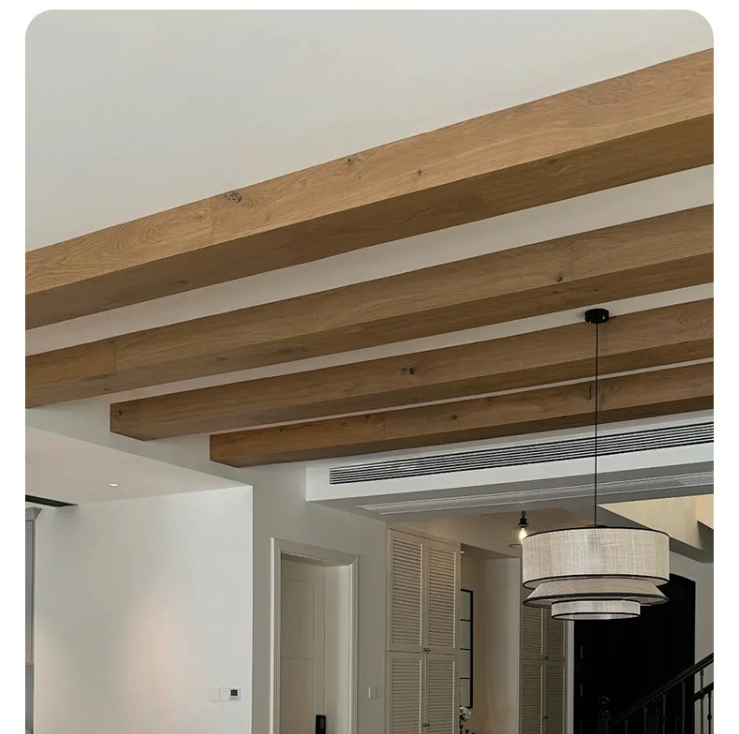
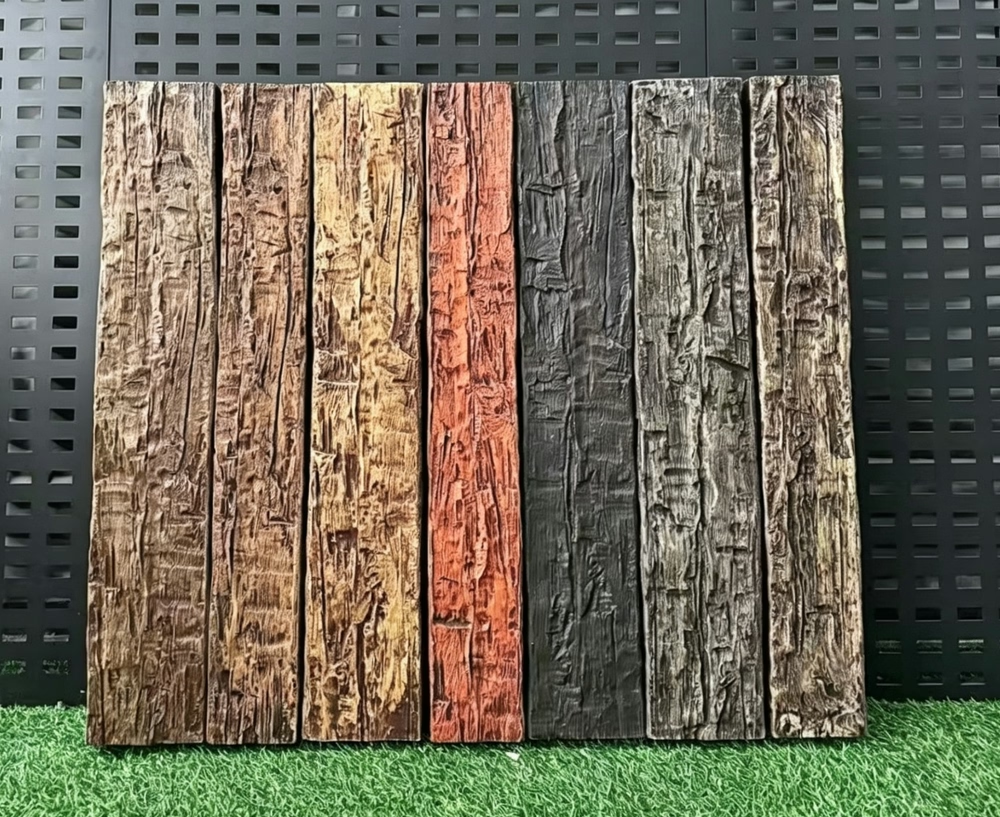
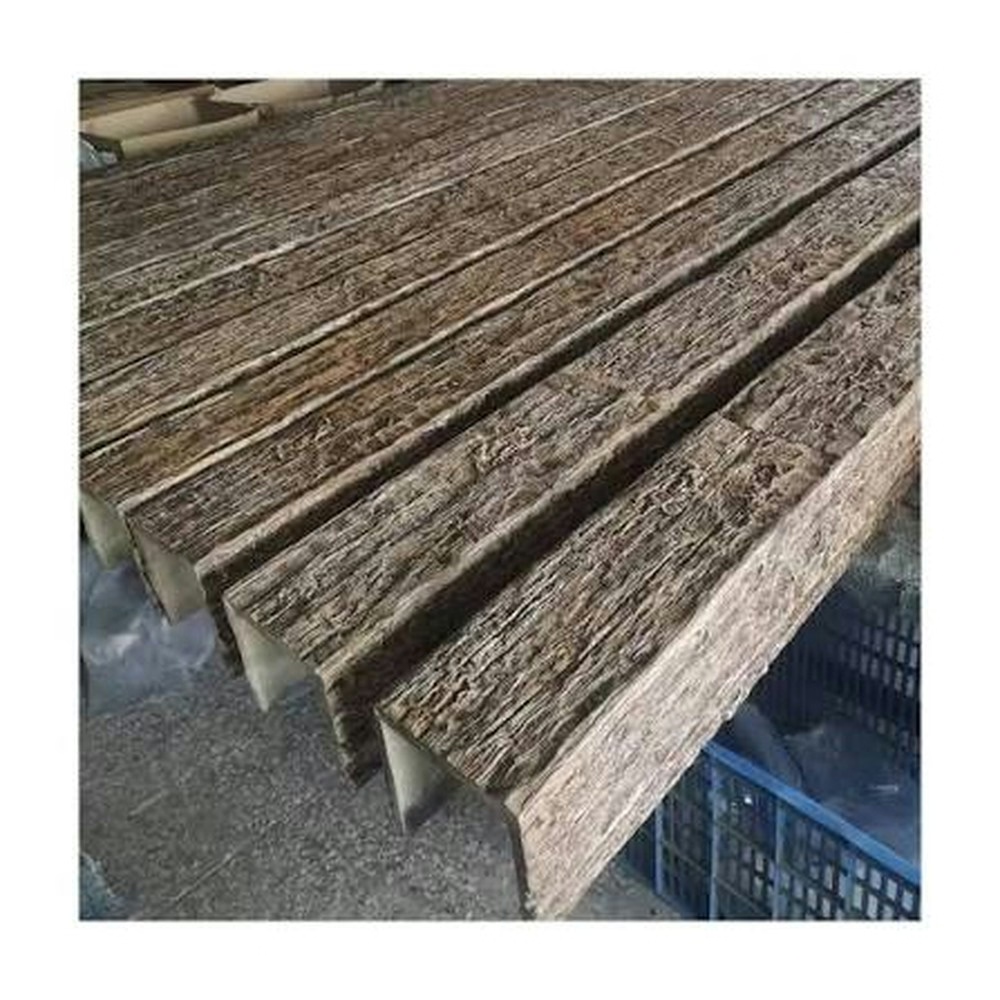
Annual Professional Checklist for PU Faux Beam Adhesive Bond Inspection
Polyurethane faux beam installations rely on adhesive bonds that, while extremely durable under normal conditions, benefit from periodic professional inspection to identify developing issues before they compromise installation integrity. Annual examination by qualified professionals provides documentation for warranty purposes, catches emerging problems while remediation remains simple, and extends installation longevity through timely intervention.
Why Annual Inspection Matters
Unlike structural building components with obvious failure modes, adhesive-bonded faux beams degrade gradually. The warning signs—subtle color changes, hairline separation at joints, slight movement under pressure—develop slowly enough that casual observation misses them until significant damage has occurred. Professional inspection applies systematic attention that catches these patterns.
Commercial installations face particular inspection requirements: building codes often mandate periodic documentation of decorative element integrity, insurance policies may require maintenance records to validate coverage, and liability concerns justify having professional assessments that demonstrate due diligence.
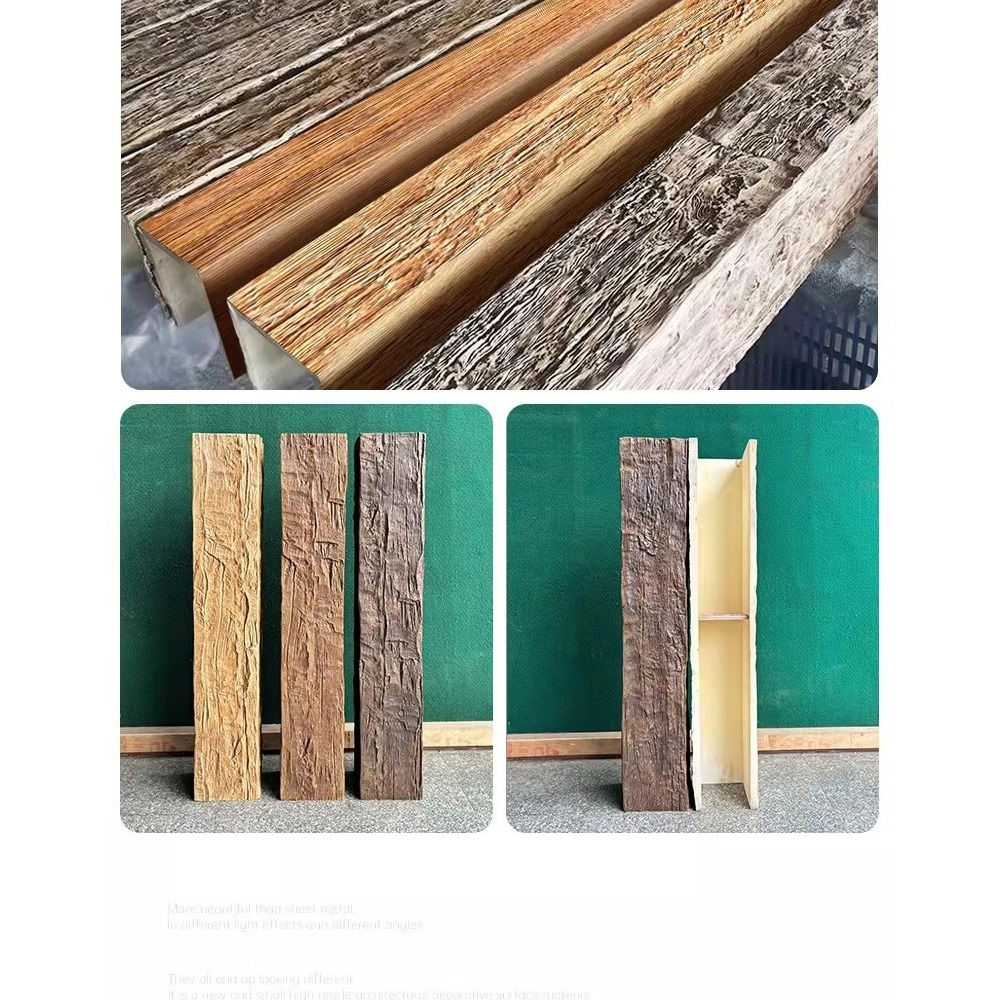
Inspection Protocol Components
A comprehensive annual inspection evaluates multiple bond characteristics through systematic examination:
Visual assessment begins at ceiling level, examining beam surfaces for discoloration that might indicate moisture intrusion or UV degradation. Joint conditions receive particular attention—edges where beams meet, corners where multiple pieces intersect, and termination points where beams end at walls all represent potential failure locations.
Physical testing applies gentle pressure at joint locations, testing for the slight movement that indicates adhesive bond degradation. This testing must be performed carefully to avoid damaging intact bonds, but qualified inspectors know appropriate force levels that reveal problems without creating new ones.
Fastener examination checks mounting hardware for corrosion, loosening, or displacement. Metal components that show rust staining or surface oxidation may indicate moisture conditions that threaten surrounding materials. Loose fasteners suggest that either the adhesive bond has failed locally or the mounting surface has deteriorated.
Documentation Requirements
Professional inspection generates documentation that serves multiple purposes. Written reports describe observed conditions, note any deficiencies discovered, and recommend remediation measures. Photographic records provide visual evidence of conditions at inspection time, enabling comparison with previous assessments to identify changes over time.
This documentation supports warranty claims when material defects emerge—the inspection record demonstrates that installation was properly maintained, preventing warranty denial based on alleged maintenance failures. For commercial installations, documentation satisfies insurance requirements and code compliance obligations.
Common Issues and Remedies
Inspection typically reveals several recurring problem categories:
Adhesive failure at termination points results from impact damage, thermal cycling, or moisture intrusion. Small failures can often be addressed through adhesive injection and re-clamping; extensive failures may require beam removal and re-installation.
Moisture damage manifests through discoloration, surface degradation, or physical distortion. Identifying and addressing moisture sources precedes repair work—installing beams without resolving moisture conditions simply delays recurrence.
UV degradation on exterior installations creates chalking, color shift, or surface erosion. Partial remediation through refinishing can address localized damage; extensive degradation may require beam replacement.
Scheduling Considerations
Annual inspection timing affects what conditions can be observed. Spring inspections following winter weather reveal cold-temperature damage. Autumn inspections before heating season begins document conditions that heating will change. Consistent annual timing creates comparable data across years.
Commercial installations should coordinate inspection scheduling with facility maintenance calendars, scheduling beam assessments alongside other periodic building inspections. This coordination minimizes disruption and ensures that building management attention includes faux beam conditions alongside more obvious maintenance concerns.
Technical References
ASTM standards cited in every specification
Test Data
Lab results from internal testing program
Updated 2026
Reviewed against current product specs