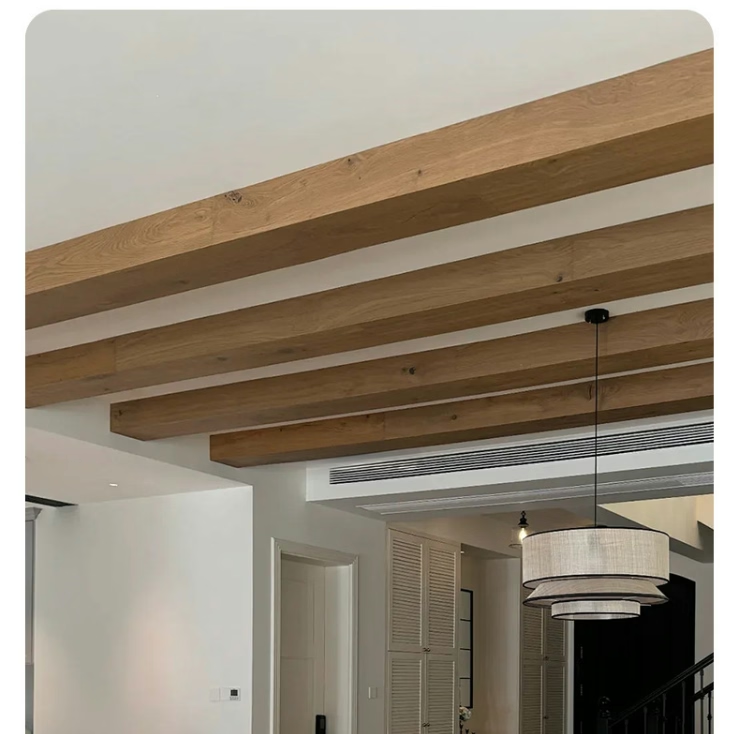
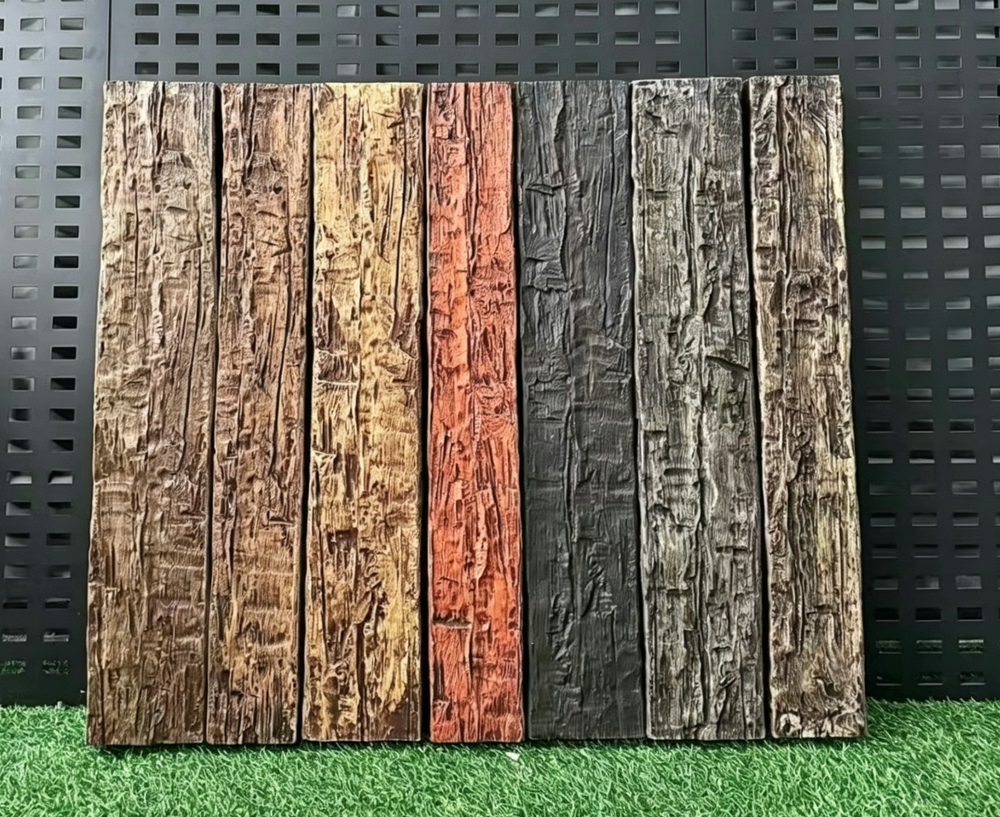
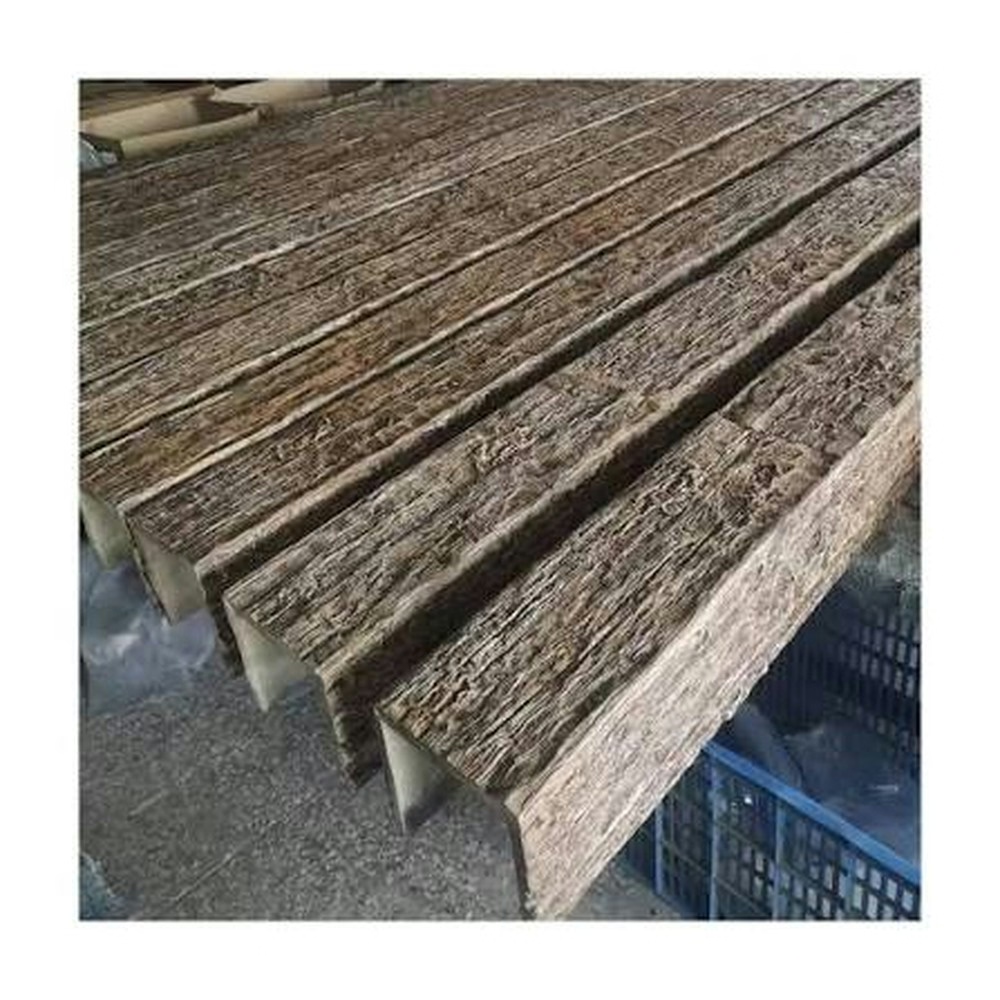
Antique Lumber Texture Faux Timber Beams for Historic Style Decor
Historic preservation and historically-inspired new construction both demand materials that reference the past authentically. Antique lumber texture polyurethane faux timber beams provide this historical reference through surface treatments that capture the appearance of aged structural timber, supporting historic style décor without requiring the structural compromises or ongoing maintenance that genuine antique lumber would impose.
Historical Timber Construction
Before the industrial revolution provided dimensional lumber in standardized sizes, timber construction employed whatever trees the local forest provided. This meant substantial variation in grain patterns, color tones, and surface characteristics—variation that modern standardized lumber has largely eliminated. Old timber construction displayed:
Growth ring patterns reflecting local climate and forest density—tight rings from slow-growing timber in dense forests, wider rings from faster growth in more favorable conditions. Color variation from heartwood to sapwood zones, with the darker heart tones often dominating exposed surfaces as weathering removed softer sapwood. Natural defects—knots, burls, reaction wood—that authentic timber construction incorporated rather than discarded.
The collective effect of these characteristics created visual richness that modern construction rarely achieves, even when using natural wood.
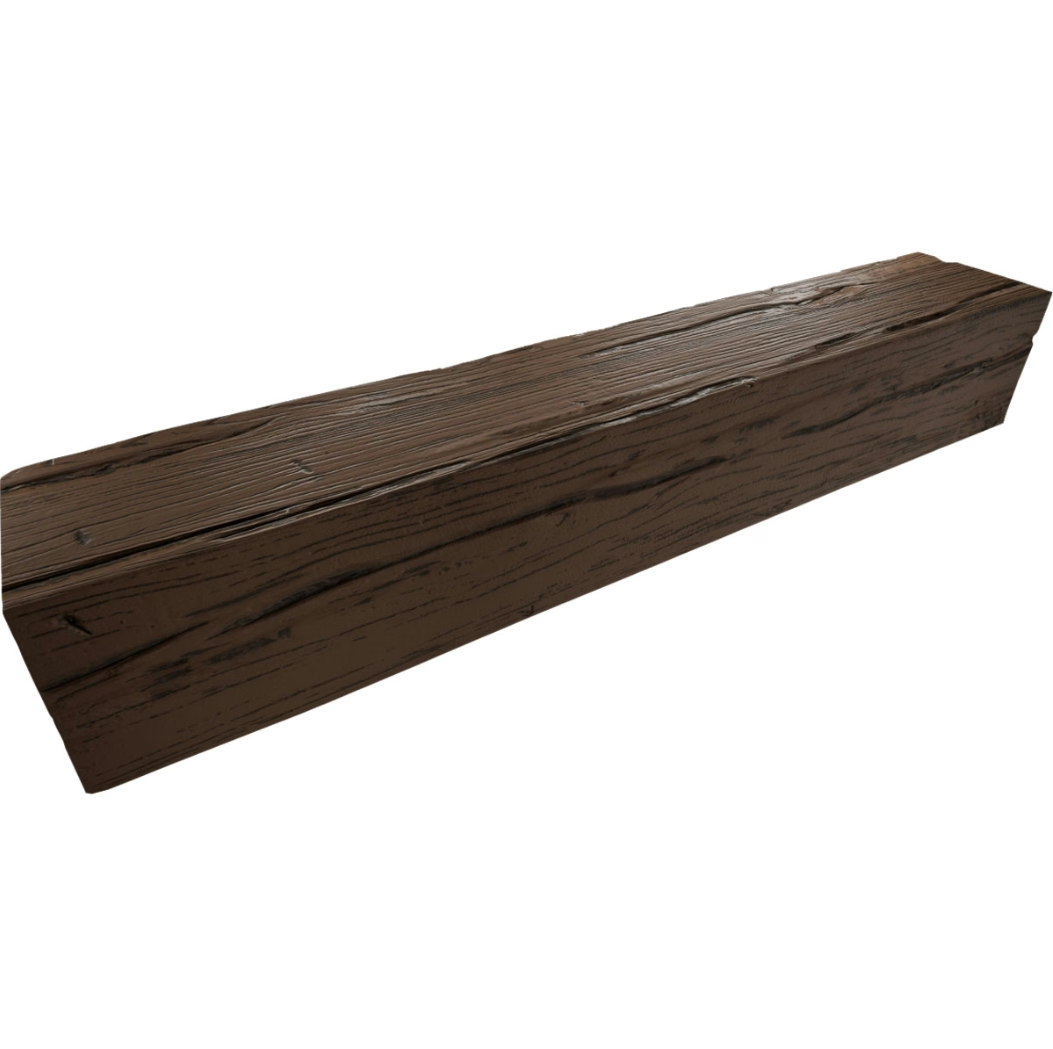
Texture Reproduction Technology
Quality antique lumber texture reproduction captures these historical characteristics through multi-stage manufacturing processes:
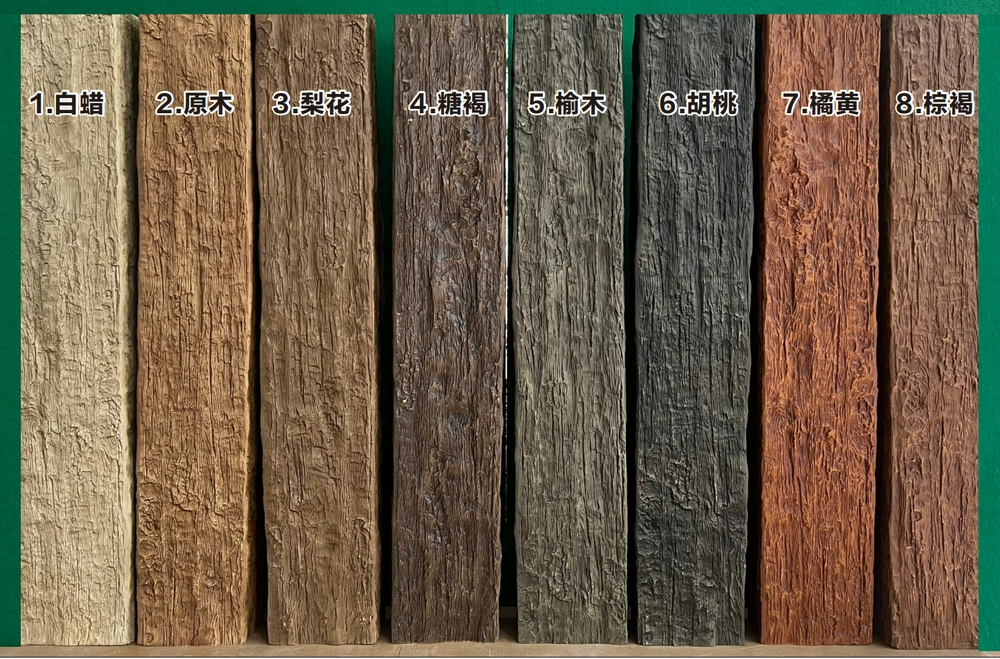
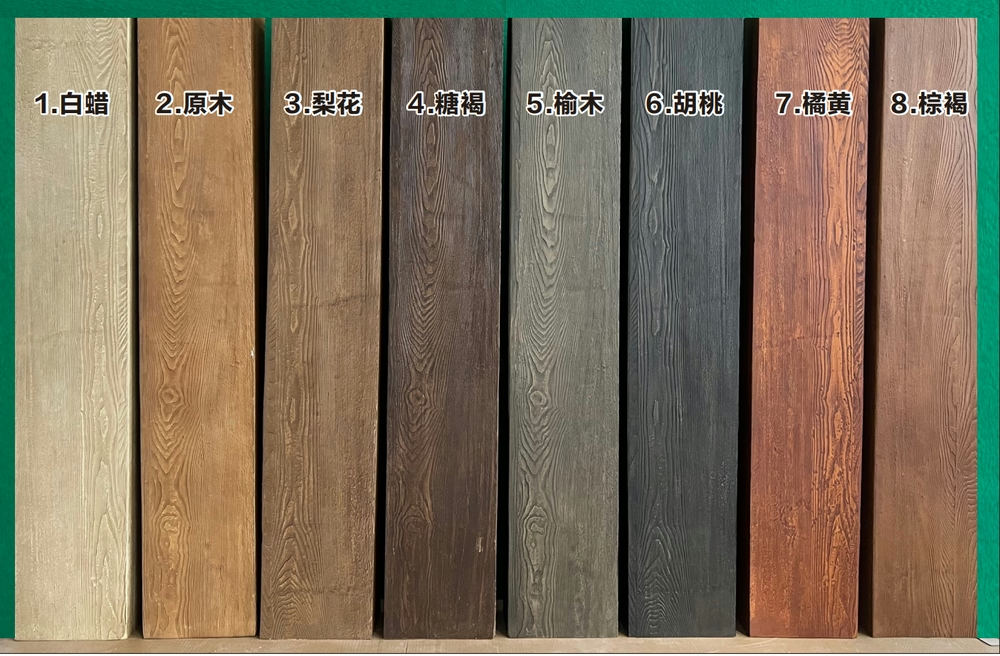
Base texture creation establishes the foundational wood surface, with grain patterns and surface irregularities that replicate natural wood characteristics. This stage employs advanced molding techniques that capture fine detail from authentic aged timber samples.
Aging treatment modifies the base texture to simulate the surface modification that decades of exposure create. This treatment softens sharp edges, creates subtle surface irregularities, and establishes the patina that distinguishes antique from new appearance.
Color development adds the complex coloration that aged timber displays, incorporating oxidation effects, weathering patterns, and the localized variations that genuine old wood exhibits. This stage often involves multiple color applications with selective removal that creates depth and authenticity.
Historic Style Decor Applications
Historic style décor spans multiple periods and regional variations, each with distinct timber characteristics:
Colonial and Early American styles featured timber from local forests, often oak, chestnut, or pine depending on geographic region. The relatively plain surfaces of this period's timber reflected both material availability and aesthetic preferences that valued simplicity.
Victorian era construction employed more elaborate timber detailing, with carved ornament, complex joint patterns, and the kind of craftsmanship that distinguished skilled artisans from common builders.
Craftsman and early modern periods emphasized the beauty of wood grain itself, often featuring exposed timber with minimal ornamentation but maximum grain display.
Each period requires different texture emphasis in beam specification—the tight grain and subtle coloring of Colonial timber differs dramatically from the pronounced grain and rich coloring of Craftsman-era oak.
Performance Advantages for Historic Applications
Historic preservation projects often face material requirements that standard products cannot satisfy. Fire codes may prohibit exposed structural timber in occupied spaces. Moisture sensitivity may limit natural wood in humid environments. Insect concerns may disqualify natural timber in some applications.
Polyurethane faux beams address these challenges while maintaining authentic appearance:
Fire-rated formulations achieve code compliance while preserving the visual character that historic preservation requires. These products can be specified where natural timber would fail code review.
Moisture resistance enables installation in basements, bathrooms, and other spaces where natural timber would face humidity challenges. The dimensional stability of polyurethane also prevents the movement that can damage historic plaster and millwork.
Insect resistance eliminates the pest concerns that affect natural timber installations. This proves particularly valuable in historic buildings where insect damage may have compromised existing structure.
Specifying for Historic Accuracy
Achieving convincing historic accuracy requires attention to details beyond simple texture reproduction:
Dimensional proportions should reflect the beam sizes that period construction employed. Overly slender beams that would have been structurally impossible in old construction break the historical illusion even if surface appearance is perfect.
Joint details and end treatments should reference period construction practices. The way beams met walls, intersected at corners, and terminated at visible locations all carry historical information that sophisticated observers recognize.
Supporting context—appropriate trim, period-compatible fixtures, historically-appropriate color palettes—reinforces the historic impression that beams create. Without supporting context, even perfect beams can appear as anachronisms rather than authentic period elements.
Technical References
ASTM standards cited in every specification
Test Data
Lab results from internal testing program
Updated 2026
Reviewed against current product specs