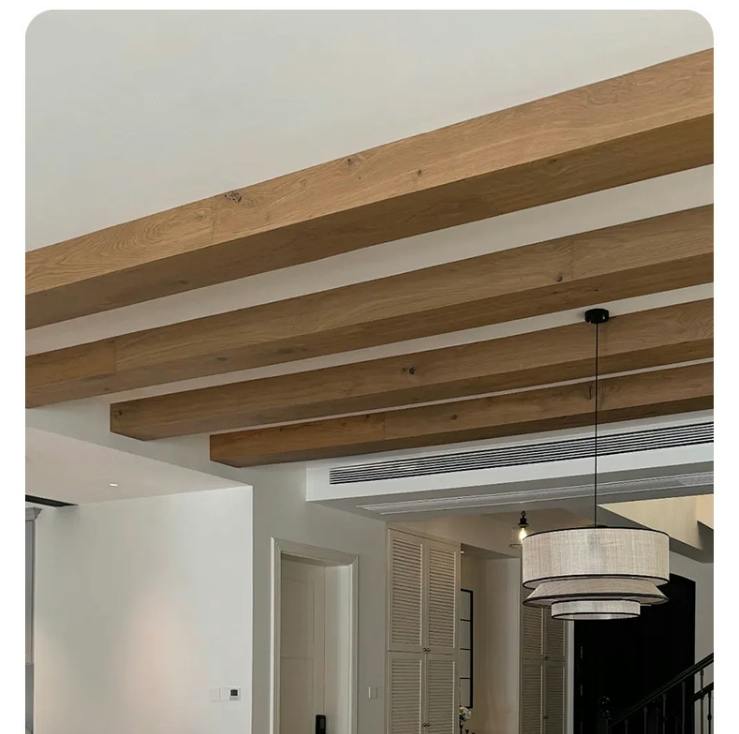
Antique Oak Faux Wood Beams for Classic Vintage Interior Styling
Oak has occupied a position of prominence in furniture and architectural design for centuries, prized for its strength, workability, and handsome appearance. Antique oak faux wood beams bring this distinguished heritage to ceiling applications, providing the character and warmth that oak's enduring popularity has always represented.
The Enduring Appeal of Oak
Oak's reputation developed through centuries of use in applications where strength and durability mattered: shipbuilding, heavy furniture construction, and structural applications demanded wood species that could handle substantial loads without failure. This functional foundation translated into aesthetic appreciation as designers recognized the wood's inherent beauty.
The grain patterns that oak displays—particularly in quarter-sawn boards where distinctive ray fleck appears—create visual interest that refined interiors embrace. Unlike dramatic exotic species that overwhelm through visual intensity, oak's beauty unfolds gradually, rewarding close attention while satisfying casual viewing.
Antique oak appearance deepens and enriches the wood's natural coloring, creating the warm amber tones that have become synonymous with refined traditional interiors. This aged appearance differs substantially from new oak's comparatively pale coloring, requiring specific manufacturing techniques to replicate authentically.
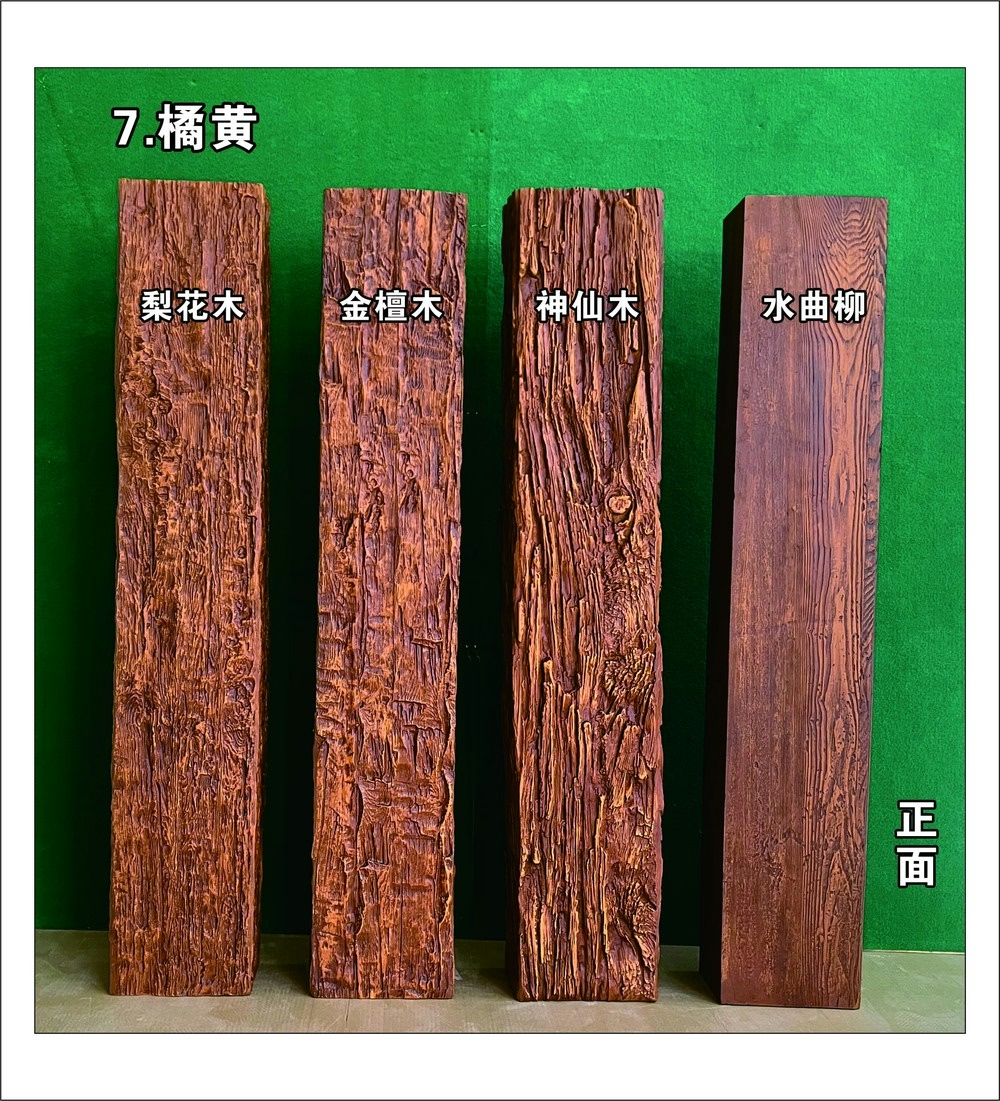
Characteristics of Quality Antique Oak Reproduction
Convincing antique oak appearance requires attention to multiple characteristics:
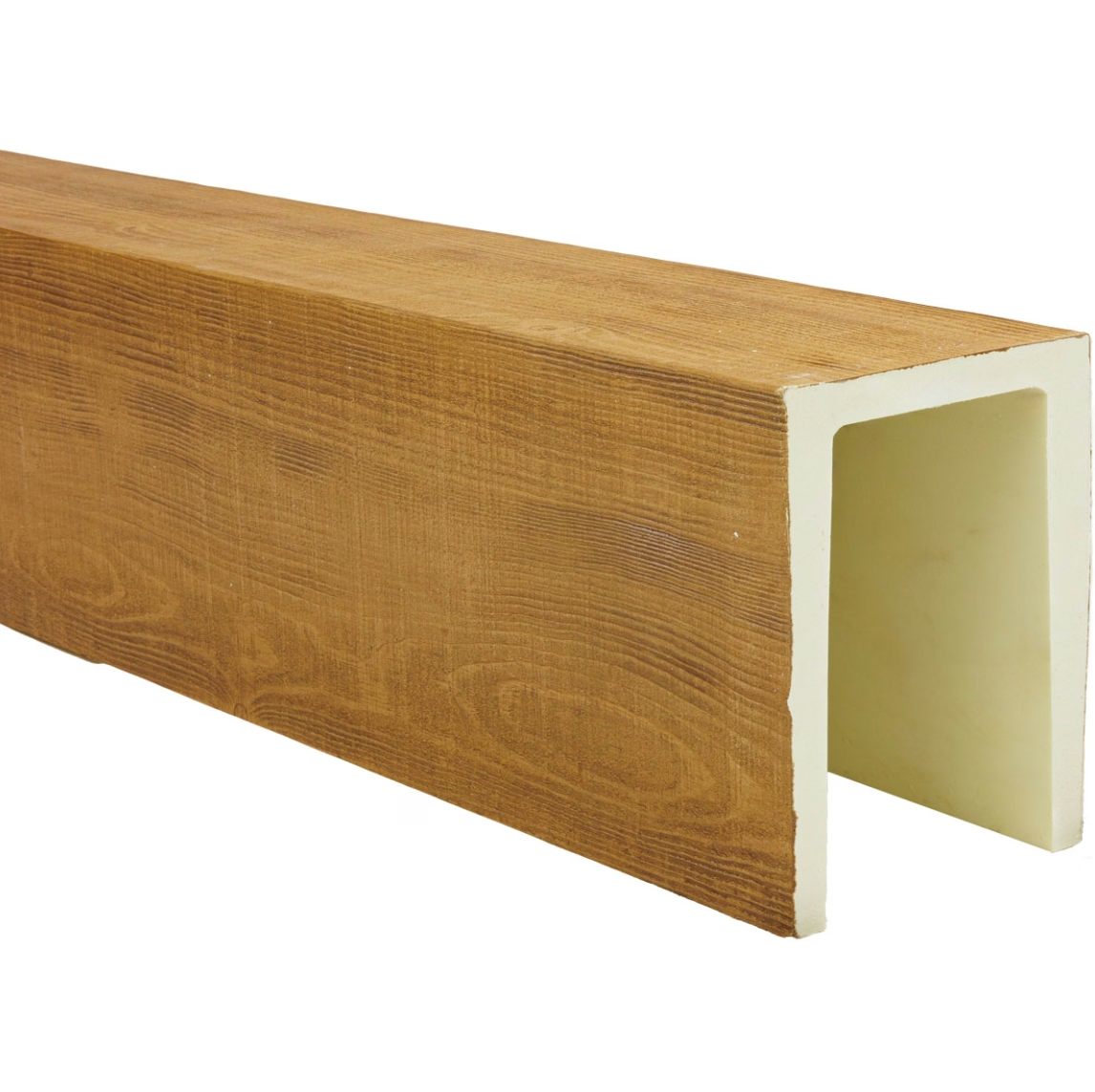
Grain pattern accuracy ensures that the distinctive oak figure—particularly the ray fleck that quarter-sawn oak displays—appears appropriately. Budget products often omit or misrepresent this characteristic, producing oak-colored beams that don't actually look like oak.
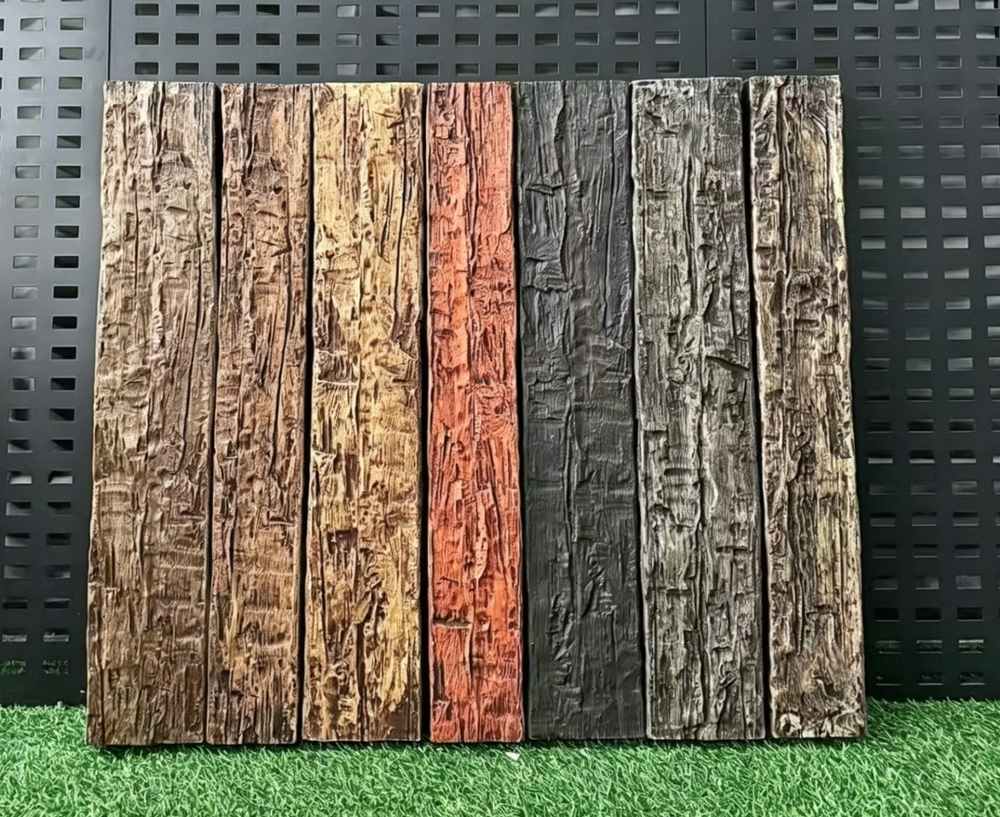
Color depth and complexity in aged oak includes warm amber tones, subtle grey undertones in weathered areas, and the gradual tonal variation that natural aging creates. Flat, uniform coloring reveals artificial production immediately.
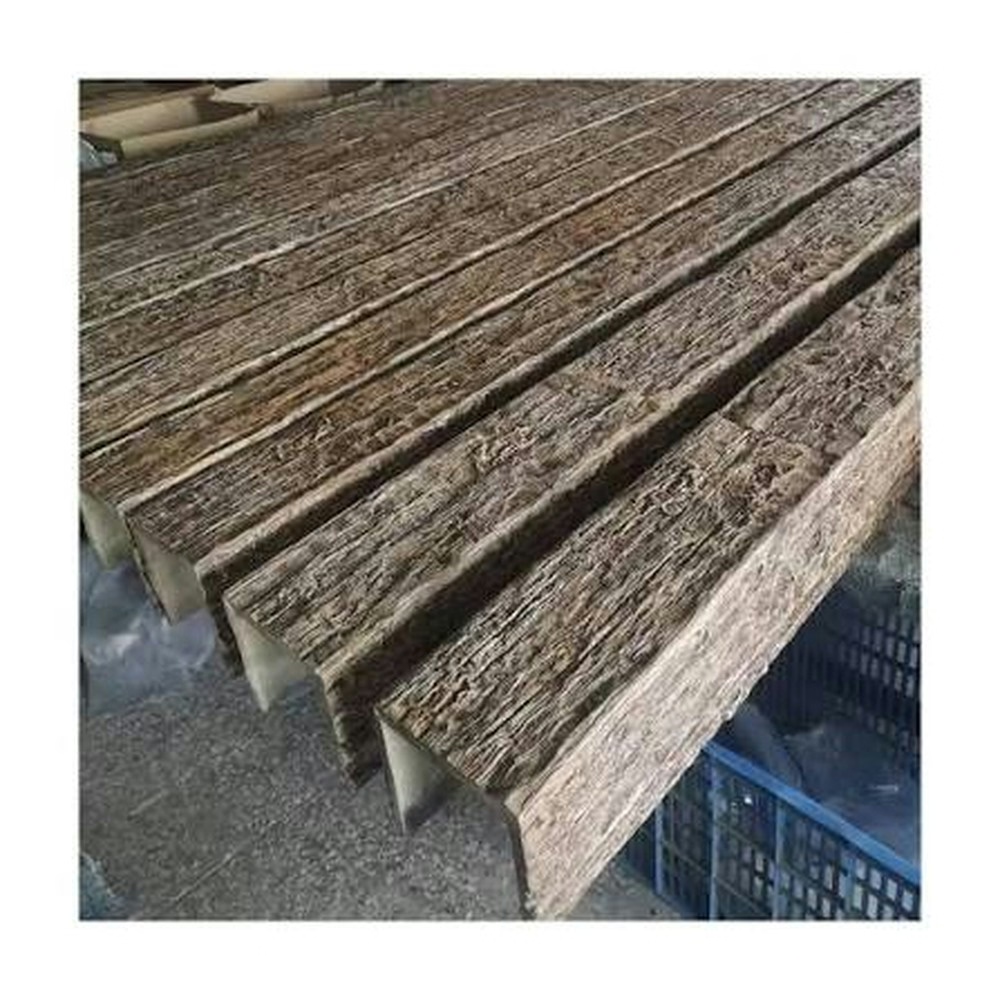
Surface texture should suggest decades of gentle use—subtle wear in handled areas, slight polish in frequently-touched zones, and the general softening of sharp edges that extended occupation produces.
Classic Vintage Interior Applications
Antique oak beams complement interior design styles that emphasize traditional elegance:
English country manor styling embraces oak's warmth through exposed timber, dark furniture, and layered textile elements. Ceiling beams in this context reinforce the material-rich atmosphere that country manor interiors pursue.
Farmhouse traditional aesthetics incorporate oak tones through cabinetry, flooring, and ceiling beams that create visual warmth in rooms often dominated by white walls and neutral upholstery. The oak character grounds these spaces, preventing them from reading as sterile or overly modern.
Formal living and dining rooms benefit from oak's refined character, particularly when paired with traditional upholstery, area rugs, and decorative elements. The beams provide visual warmth without overwhelming the formal proportions that these rooms typically employ.
Integration with Existing Oak Elements
Homes with existing oak elements—flooring, cabinetry, trim work—benefit from ceiling beams that extend rather than compete with the established material palette. When beams and existing woodwork coordinate successfully, the result is interior design that feels complete and intentional.
This coordination requires attention to tone matching: beams should read as the same material family even if not identical in color or texture. The warm amber of antique oak should complement rather than clash with existing oak finishes, creating harmonious relationships between ceiling and floor.
Matching aged appearance between beams and existing woodwork ensures that both elements read as belonging to the same time period. A beam with fresh, new appearance beside aged oak flooring creates visual discord; beams with appropriately aged character integrate naturally.
Technical References
ASTM standards cited in every specification
Test Data
Lab results from internal testing program
Updated 2026
Reviewed against current product specs