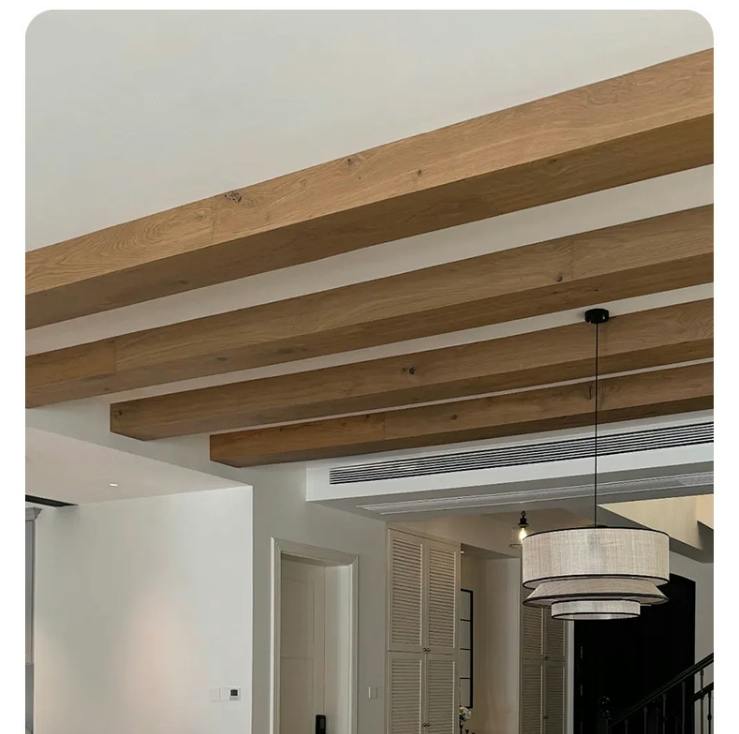
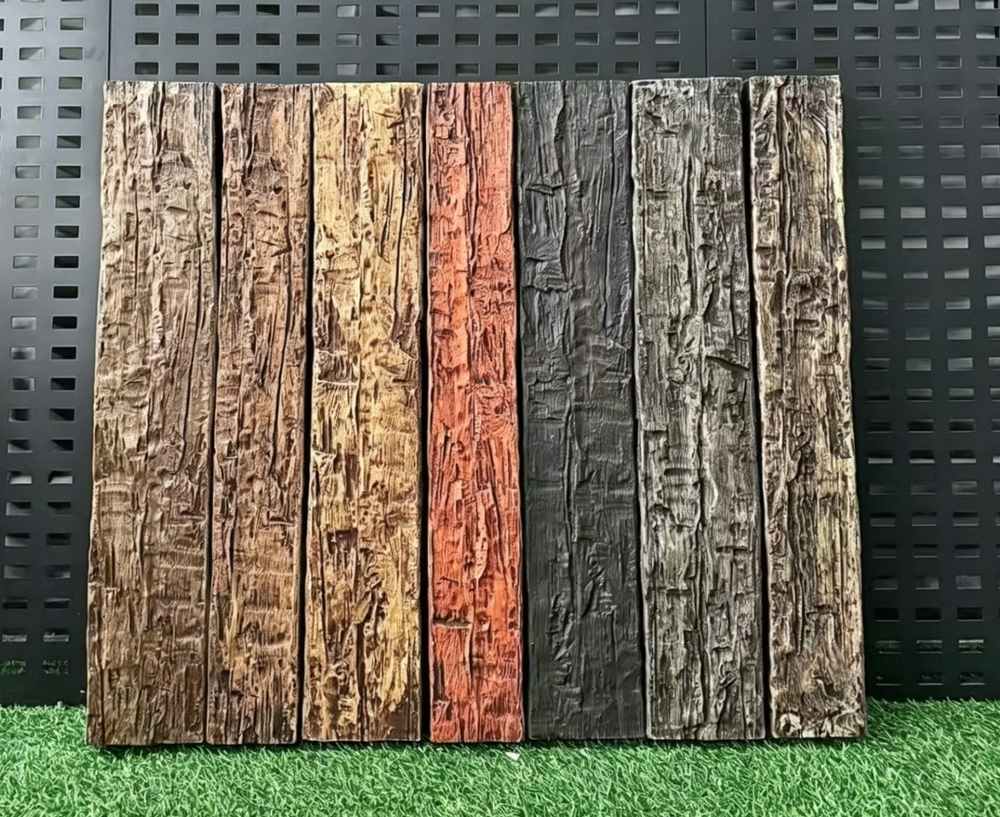
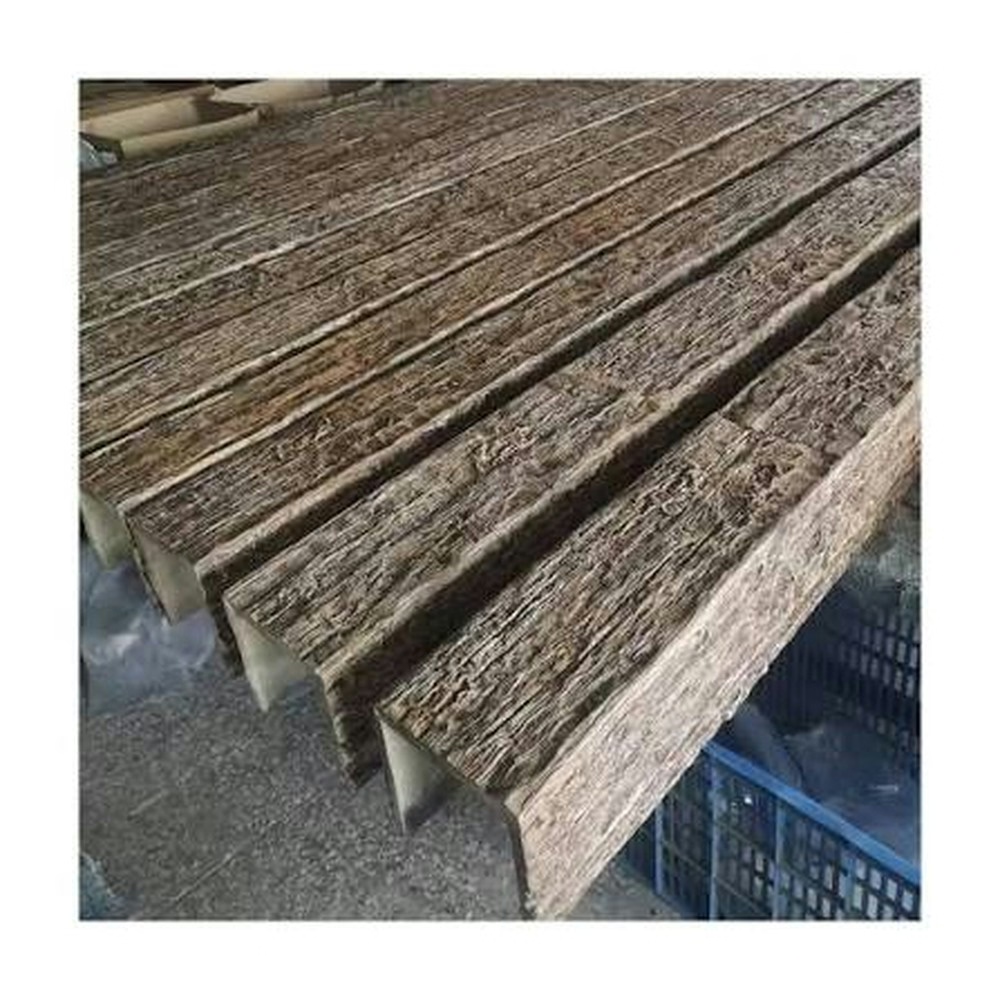
Antiqued Textured PU Faux Timber Beams for Classic Vintage Interiors
The term "antiqued" implies intentional treatment that accelerates natural aging processes, creating appearance that suggests history without requiring the decades that genuine aging demands. Antiqued textured polyurethane faux timber beams apply this concept specifically to classic vintage interior applications, where the refined character of aged timber serves design intentions that newer materials cannot achieve.
The Antiquing Process
Authentic antiquing differs from simple distressing through its attention to how materials actually age:
Natural aging concentrates wear in functional zones—edges, corners, and surfaces that experience handling or contact. Random distressing that distributes wear uniformly across surfaces looks artificial; targeted antiquing that respects functional patterns creates convincing results.
Color development in natural aging follows specific patterns related to light exposure, oxidation, and the selective degradation of surface materials. Antiquing processes that replicate these patterns produce more convincing results than uniform color application.
Surface modification from natural aging creates subtle effects: slight erosion in exposed areas, accumulation of patina in protected zones, and the general softening that decades of occupation produce. These effects require specific manufacturing attention rather than generic treatment.
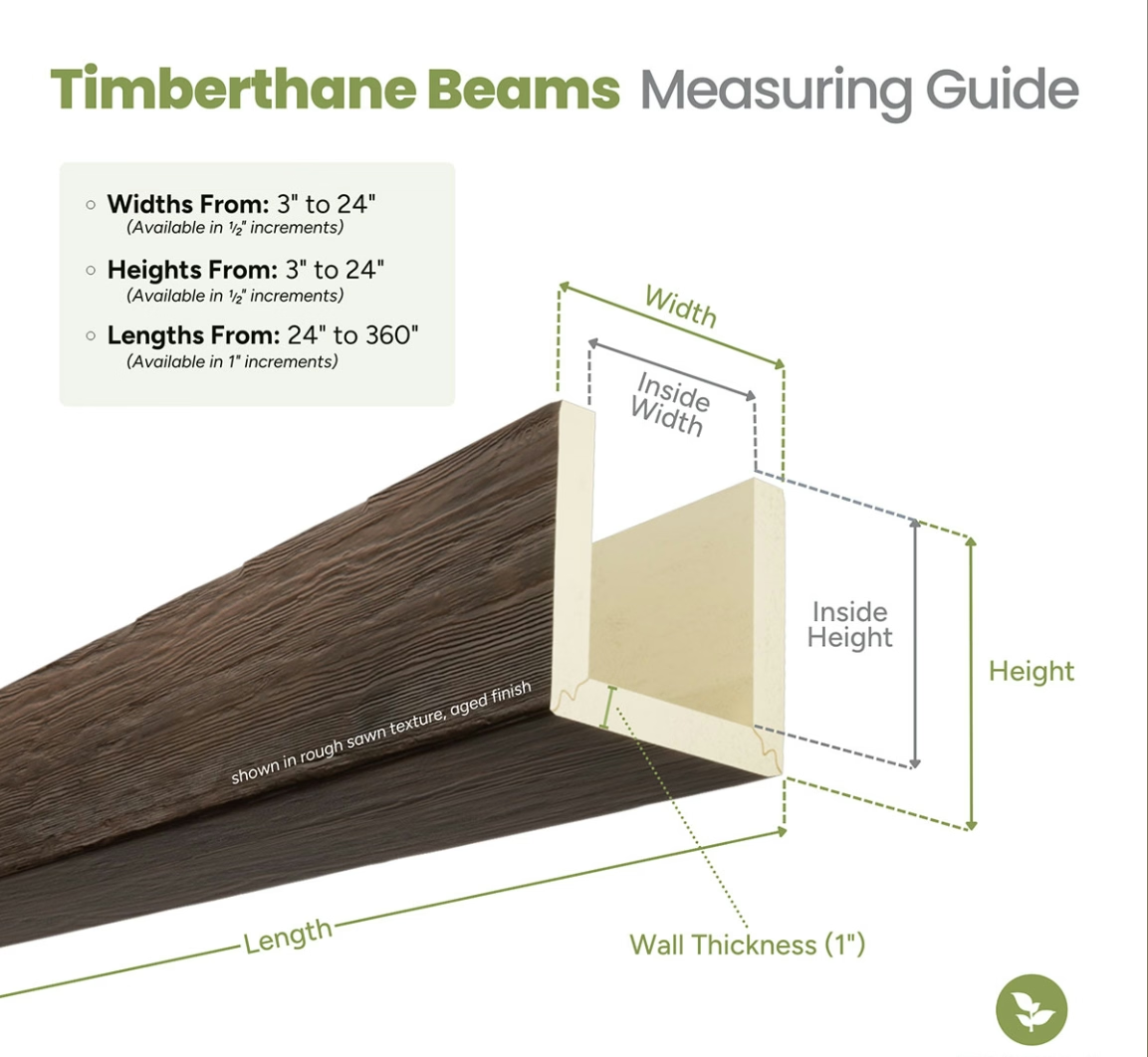
Classic Vintage Interior Characteristics
Classic vintage interiors occupy a design space between strict period authenticity and comfortable livability. The goal is warmth and character without the visual heaviness that fully authentic period interiors sometimes impose:
Proportional refinement characterizes classic vintage styling, with elements that suggest traditional origins while accommodating contemporary comfort requirements. Beams in these interiors should provide visual presence without overwhelming the refined scale that classic interiors typically employ.
Material richness through layered elements—upholstery, window treatments, area rugs, decorative objects—creates the accumulated character that distinguishes classic vintage from stark modern spaces. Beams contribute to this material richness while functioning as architectural elements rather than decorative objects.
Color palettes that classic vintage interiors embrace include warm neutrals, muted earth tones, and the occasional rich accent that provides visual focus. Beam coloring should integrate with these palettes rather than introducing jarring notes that complicate coordination.
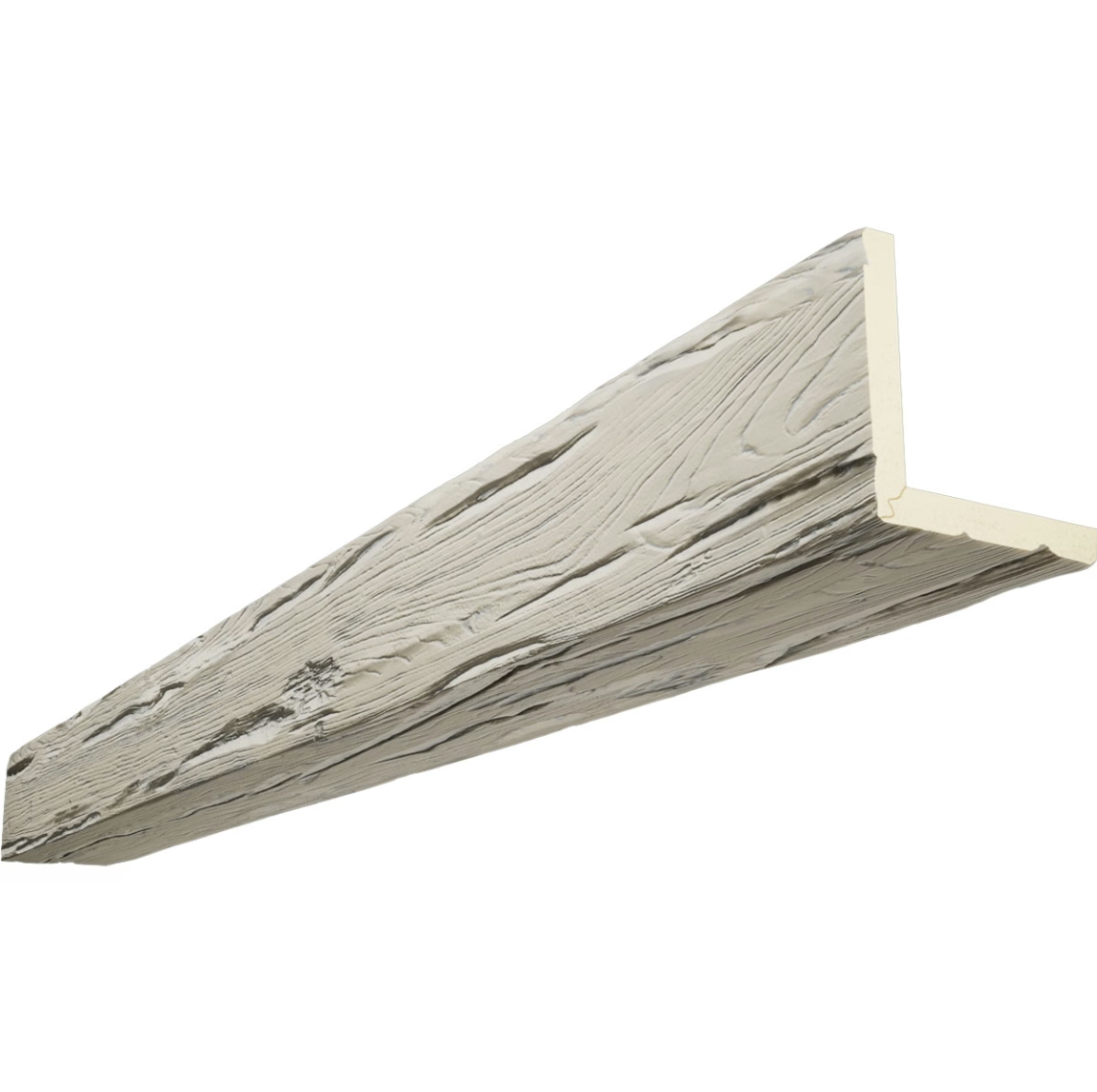
Antiqued Texture Specifications
Different antiqued textures serve different classic vintage applications:
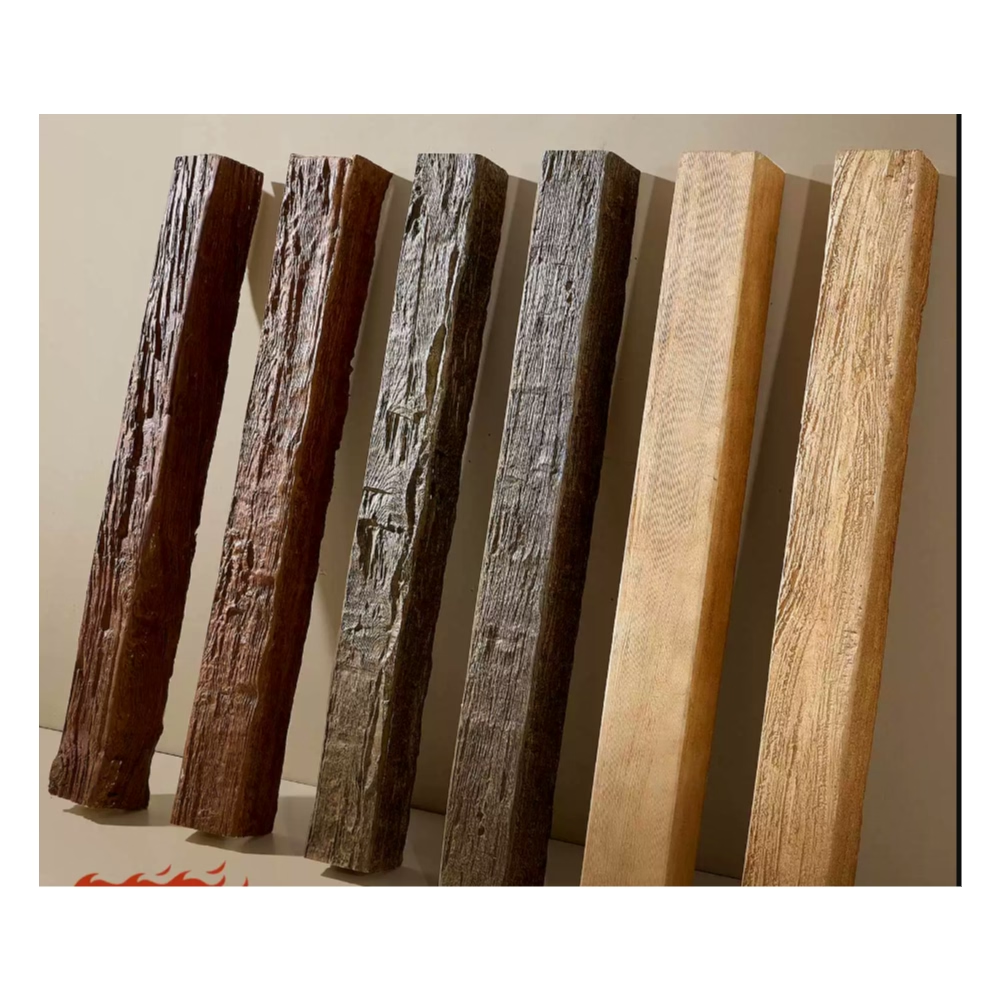
Light antiquing suggests gentle aging without dramatic effect, appropriate for interiors that want warmth without obvious vintage character. This treatment works well in refined spaces where subtle suggestions of history serve better than dramatic aging effects.
Moderate antiquing provides more obvious character while remaining appropriate for interiors that prioritize elegance over rustic effect. The aged appearance adds visual interest without dominating the spaces where it appears.
Heavy antiquing creates dramatic vintage character suitable for rustic lodge aesthetics, western-themed interiors, or spaces where bold design statements serve the overall concept. This treatment requires surrounding elements that complement rather than compete with the pronounced aging.
Integration with Vintage Furniture and Fixtures
Antiqued beams work best when integrated with vintage-compatible furnishings and fixtures:
Period-appropriate lighting fixtures reinforce the vintage character that beams suggest. Chandeliers, wall sconces, and table lamps with traditional styling complement antiqued beams more effectively than contemporary fixtures with clean lines and modern materials.
Upholstery and textile elements in classic vintage styling—leather, tapestry, traditional prints—coordinate naturally with antiqued wood elements. The accumulated material richness that these textiles provide complements the aged character that beams establish.
Decorative objects that suggest accumulated history—vintage finds, antique accessories, collected objects with stories—fill spaces in ways that modern accessories cannot. Antiqued beams provide architectural context for these objects, creating coherent environments rather than random collections.
Technical References
ASTM standards cited in every specification
Test Data
Lab results from internal testing program
Updated 2026
Reviewed against current product specs