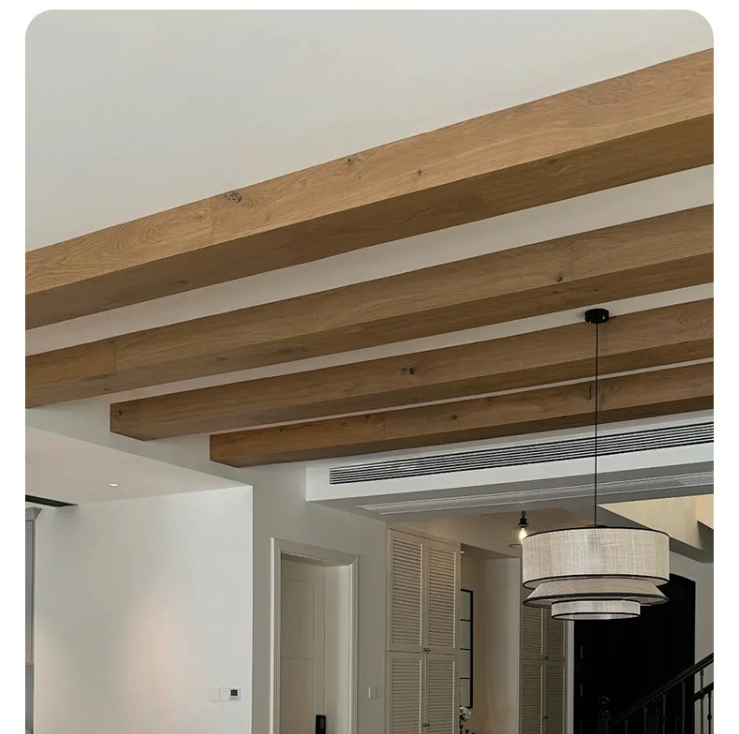
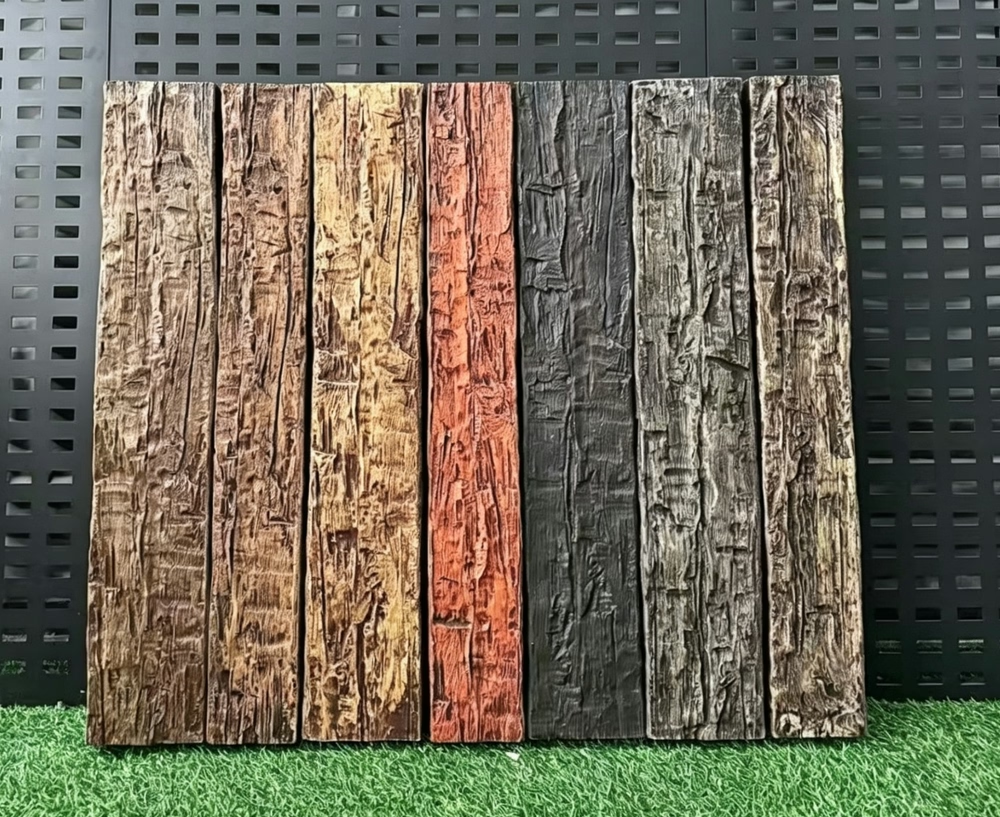
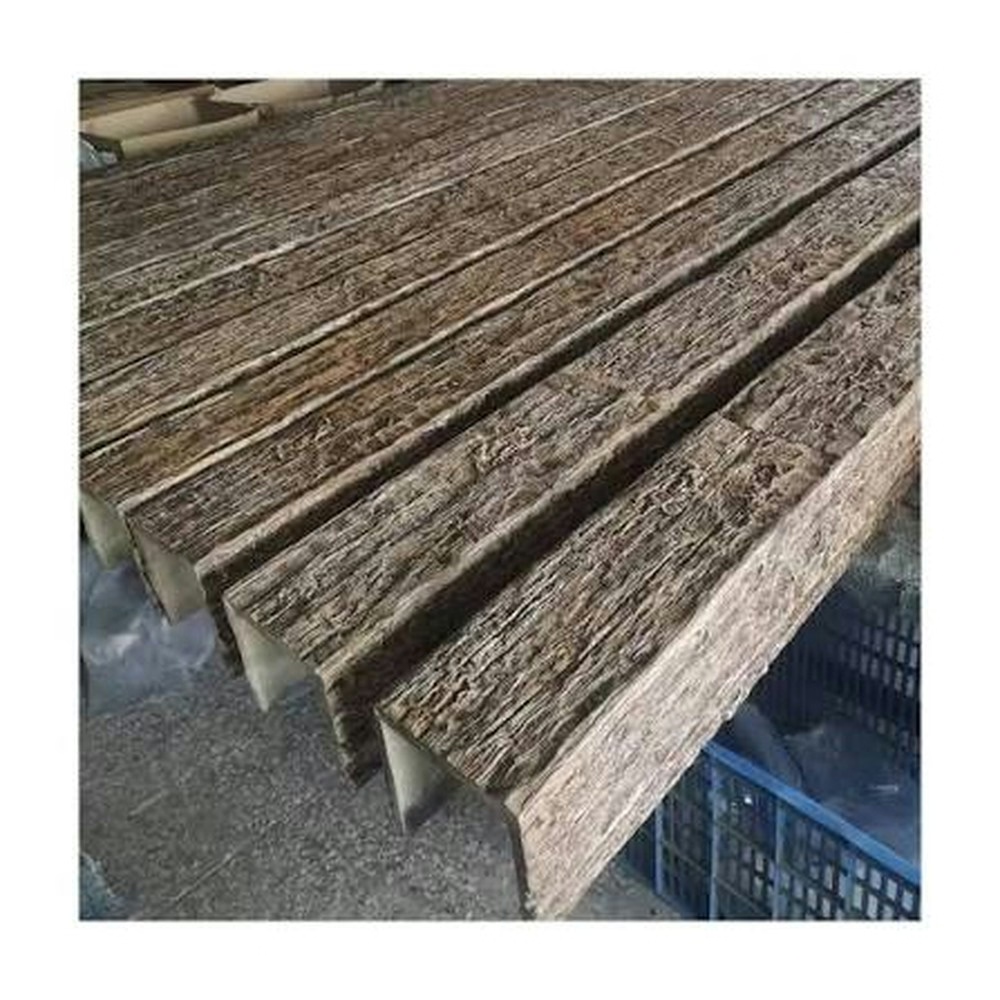
Anti-UV Fade-Resistant Polyurethane Exterior Faux Timber Beams
Exterior installations face ultraviolet radiation that indoor applications never encounter, creating degradation pathways that interior-rated products cannot address. Anti-UV fade-resistant polyurethane exterior faux timber beams incorporate advanced stabilization technology that maintains authentic wood appearance despite continuous sun exposure.
Ultraviolet Radiation Effects
UV radiation attacks polymer materials through photochemical reactions that break molecular bonds, degrade pigments, and create surface oxidation. The effects accumulate over time, manifesting as:
Surface chalking as degraded polymer converts to powder that washing removes, progressively exposing fresh material to further degradation. Color shift as pigments absorb UV energy that alters their chemical structure, changing the hues that were originally intended. Surface erosion as the combination of UV degradation and environmental weathering removes material gradually, softening edges and eliminating fine detail. Gloss loss as the smooth surface character that quality manufacturing provides degrades into matte texture that alters light reflection patterns.
These effects proceed slowly in quality products—barely perceptible year-to-year but substantial over decades. In poorly-stabilized products, degradation becomes obvious within a few seasons.
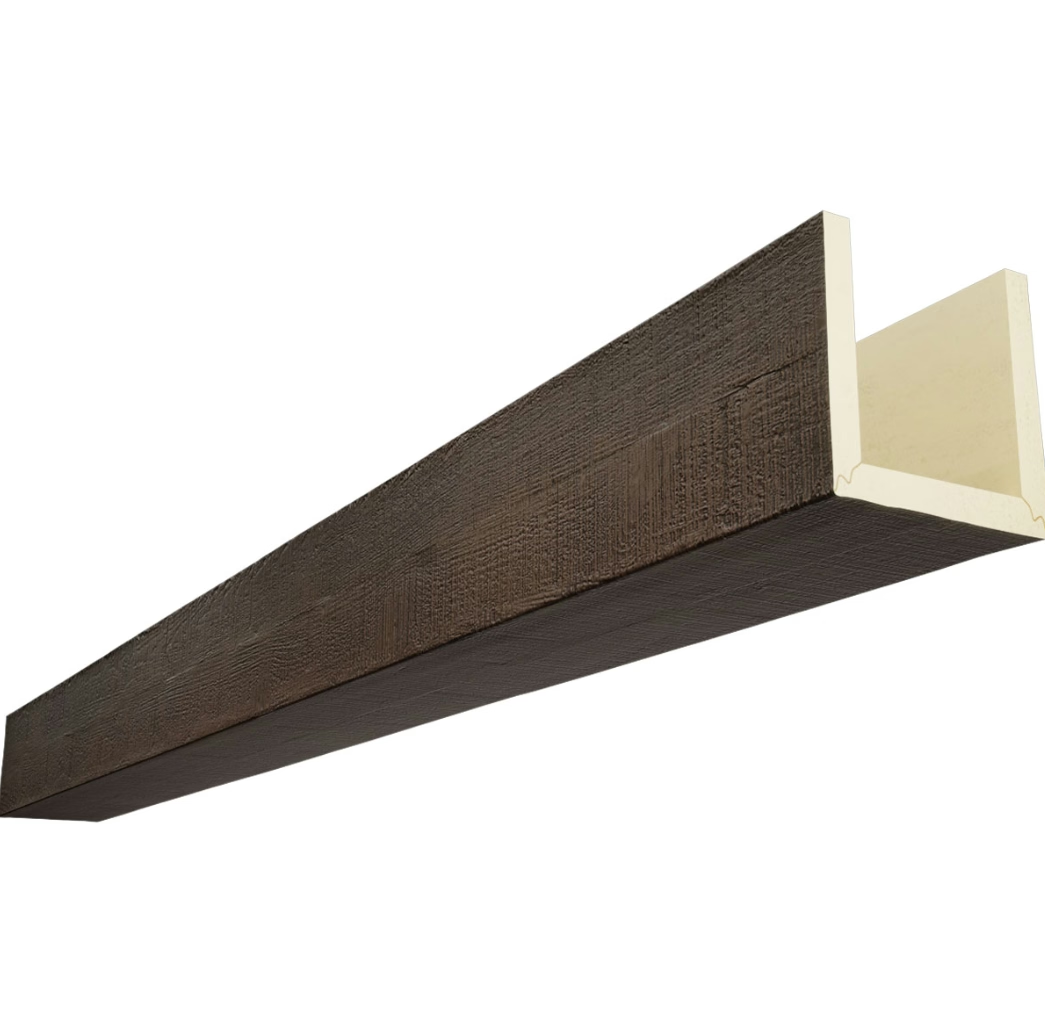
UV Stabilization Technologies
Modern UV stabilization employs multiple complementary mechanisms:
UV absorbers capture ultraviolet radiation before it damages underlying materials, converting harmful energy to无害 heat that dissipates without molecular damage. Different absorber chemistries work better for different polymer systems and exposure conditions.
Hindered amine light stabilizers (HALS) operate through a different mechanism, trapping free radicals that photochemical reactions generate. By preventing the radical chain reactions that propagate UV damage, HALS additives extend product life dramatically.
Physical UV barriers—surface coatings that reflect or block UV radiation—provide additional protection at the surface level. These barriers complement the chemical stabilization that bulk additives provide.
Quality exterior products employ multiple stabilization mechanisms simultaneously, creating redundant protection that addresses UV damage through different pathways.
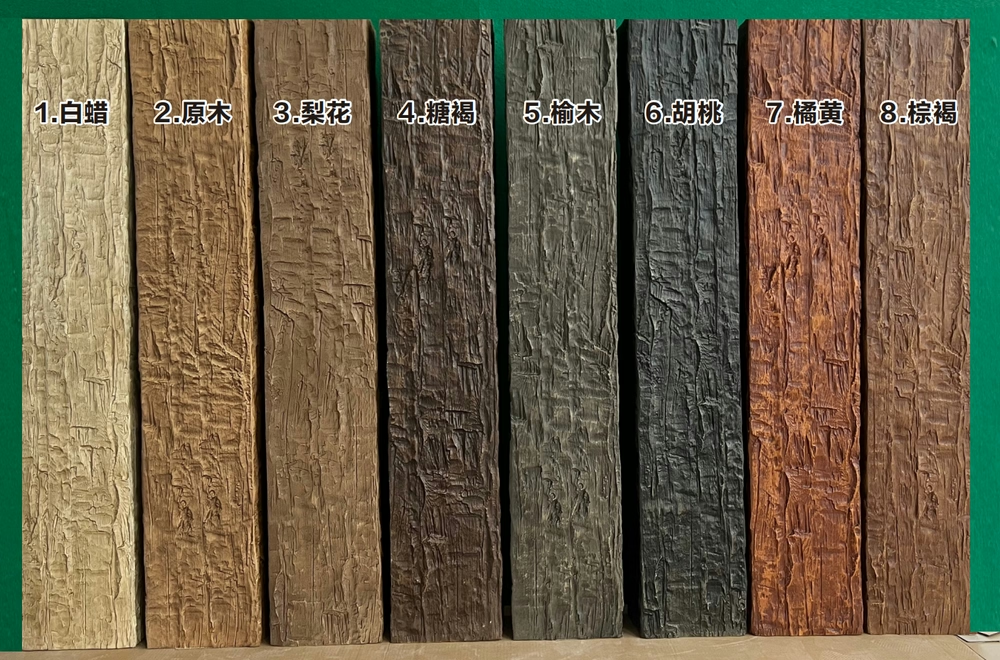
Fade Resistance Specifications
"Fade-resistant" claims require verification through accelerated weathering testing. Industry-standard tests expose products to concentrated UV radiation for extended periods, evaluating color retention and surface integrity. Test results quantify how well products perform under conditions far more aggressive than natural sun exposure.
buyers should request test data documenting UV performance:
ASTM G154 testing subjects materials to cyclical UV exposure with water spray, simulating natural weathering conditions. Color change measurements before and after exposure quantify fade resistance numerically.
Color retention specifications—often expressed as percentage of original color remaining after defined exposure—enable product comparison on objective terms. Products with 90% color retention after accelerated testing will maintain appearance far better than products with 60% retention.
Warranty coverage for fade resistance provides manufacturer commitment to the performance claims. Coverage duration and specific fade thresholds vary by manufacturer and product line.
Applications in Full-Sun Exposure
South-facing and west-facing exterior installations receive the most intense UV exposure, particularly in summer months when sun angles maximize radiation intensity. These demanding applications require the highest UV stabilization levels.
High-altitude installations face enhanced UV exposure due to reduced atmospheric filtering. Mountain properties, elevated decks, and installations at altitude require UV protection that exceeds specifications for sea-level applications.
Reflective surfaces nearby—water, light-colored pavement, low-emissivity glass—can create UV intensity spikes that increase exposure beyond what direct sun alone would provide. installations near these surfaces benefit from upgraded UV protection.
Maintaining Fade Resistance Over Time
While fade-resistant products maintain appearance dramatically better than unstabilized alternatives, some maintenance extends service life further:
Periodic cleaning removes accumulated dirt and debris that can create localized degradation hotspots. Gentle washing with mild detergent maintains surface cleanliness without damaging UV protection.
Prompt repair of surface damage prevents UV penetration at scratch or impact locations. Small repairs maintain the protective surface that UV stabilization depends on.
Overhead shade structures reduce overall UV exposure, extending the effective life of beam finishes by limiting total radiation received over the installation lifetime.
Technical References
ASTM standards cited in every specification
Test Data
Lab results from internal testing program
Updated 2026
Reviewed against current product specs