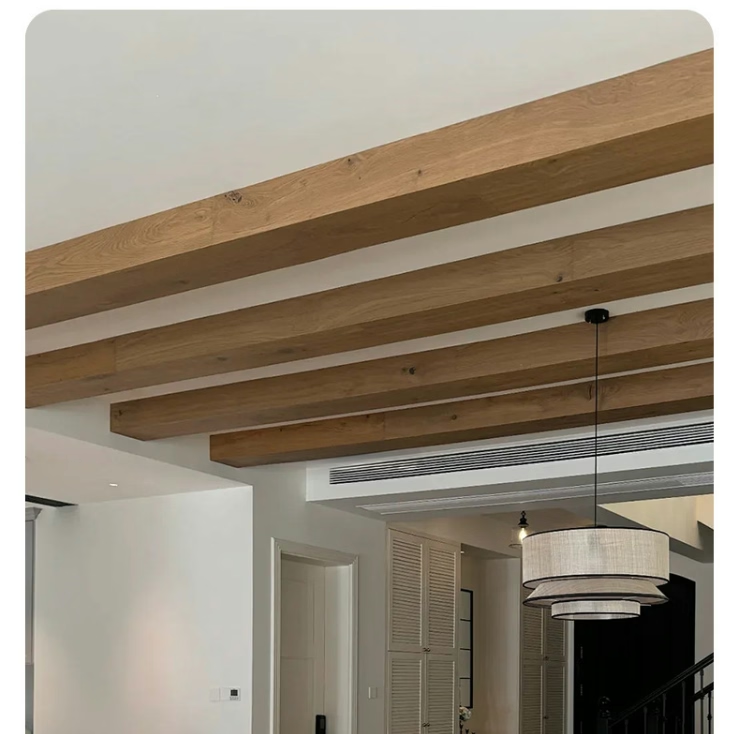
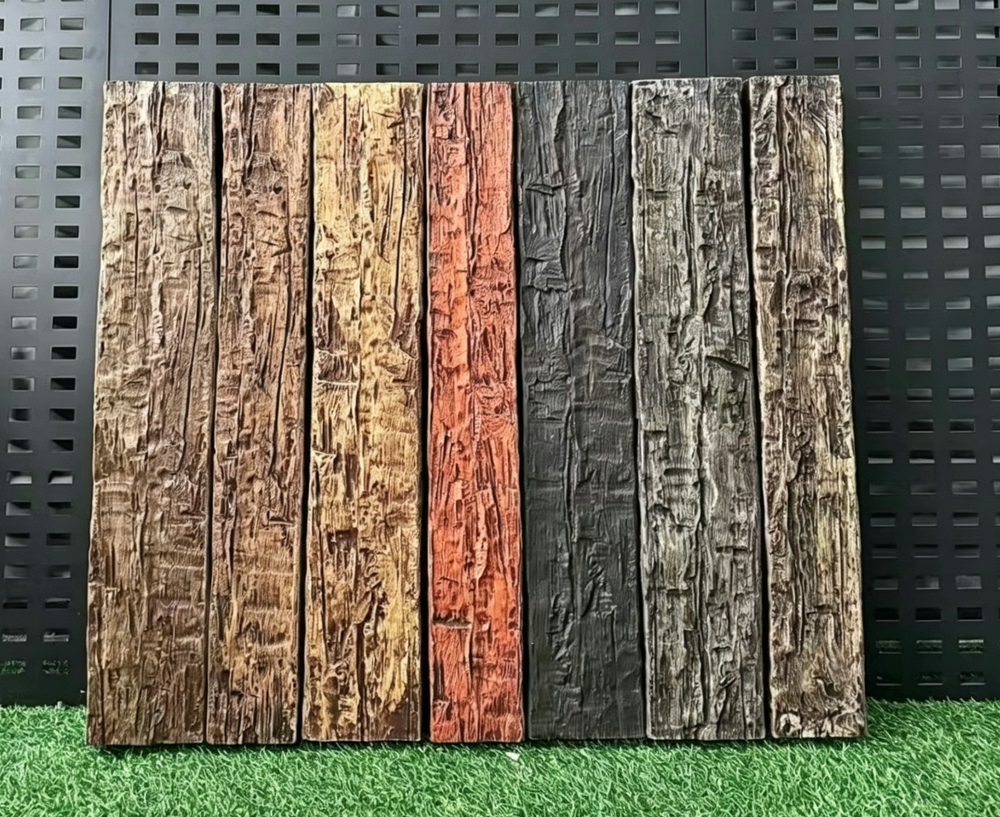
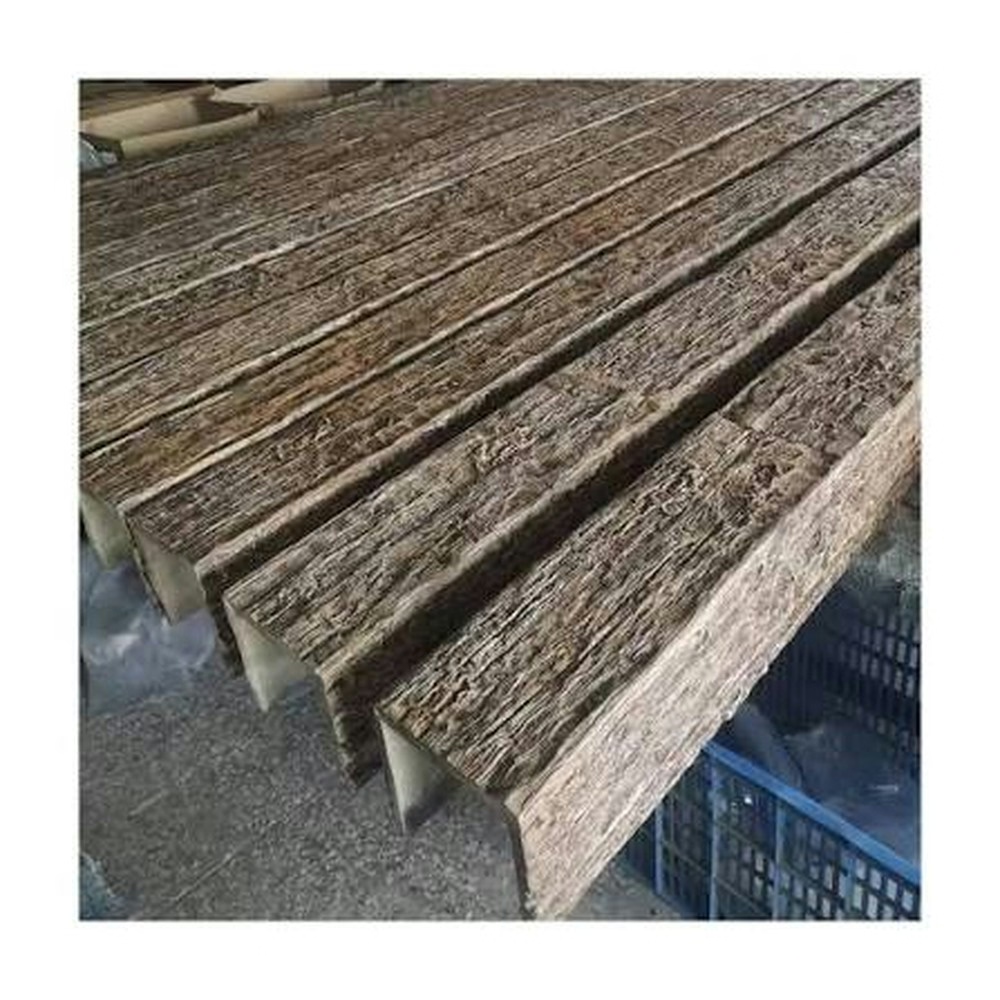
Architect Specified Grade PU Faux Wood Beams
Professional architectural specification requires products that satisfy rigorous standards for appearance, performance, and documentation. Architect specified grade polyurethane faux wood beams meet these professional requirements, providing the documentation, quality consistency, and design flexibility that specification-grade products must deliver.
What Specification Grade Means
Specification grade differs from consumer or contractor grade products through enhanced requirements across multiple dimensions:
Quality consistency ensures that every piece meets the same standards, enabling accurate specification and reliable substitution when ordering. Specification grade products maintain exact color match, texture consistency, and dimensional accuracy across production runs and over time.
Performance documentation supports specification by providing test data, certification documentation, and warranty terms that architects require for code compliance and liability management. This documentation enables the due diligence that professional specification demands.
Manufacturing stability ensures that specified products will remain available throughout project timelines and future replacement needs. Fly-by-night manufacturers who disappear between project phases cannot support specification-grade requirements.
Professional Documentation Requirements
Architects specifying faux wood beams typically require:
Product data sheets documenting physical properties, dimensional tolerances, and material characteristics. These documents enable specification review and substitution evaluation.
Test reports from independent laboratories verifying performance claims. Fire ratings, structural testing, and environmental performance tests provide objective evidence that marketing claims rest on solid foundations.
Warranty documentation committing manufacturers to stated performance levels. Professional specifications typically require minimum warranty durations and specific coverage terms.
CAD details and installation instructions supporting proper implementation. These construction documents enable accurate bidding and correct installation by contractors unfamiliar with specific products.

Quality Verification Processes
Specification grade products undergo verification processes that ensure consistent quality:
Statistical process control monitors production quality continuously, identifying trends before they produce defective output. This proactive quality management prevents problems rather than simply detecting them.
Incoming material inspection verifies that raw materials meet specifications before entering production. Component variations that might affect finished product quality are identified and rejected before causing manufacturing problems.
Finished product inspection checks output against specification requirements, ensuring that what reaches customers meets what was ordered. Dimensional checks, color verification, and surface quality inspection all contribute to consistent quality.
Specification Language for Faux Wood Beams
Professional specifications employ standardized language that ensures clear communication:
MasterFormat division 09 specifications address finish carpentry and decorative elements, including faux wood beams in appropriate sections.
Performance specifications describe required characteristics without mandating specific products, allowing substitution where equal alternatives exist.
Proprietary specifications name specific products when brand preference serves the project, typically with "or equal" provisions that enable substitution review.
Compliance verification through submittals ensures that provided products match specified requirements. Shop drawings, samples, and test reports all contribute to verification that ordered products will perform as specified.
Supporting Architectural Design Intent
Specification grade products support design intent through:
Custom capability that enables project-specific requirements beyond standard product offerings. Color matching, profile modification, and specialized treatments extend design flexibility.
Technical support from manufacturers who understand specification requirements and can provide the documentation and coordination that complex projects require.
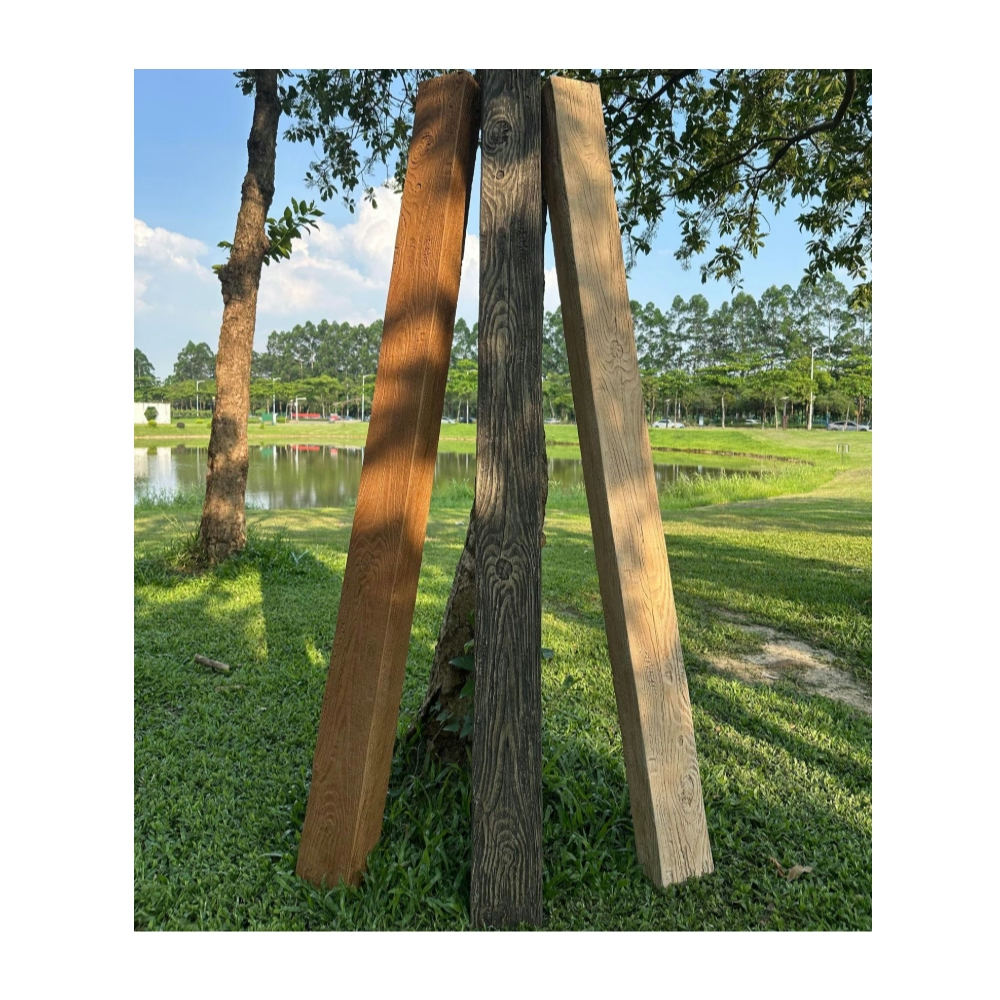
Consistency across large projects where multiple beams or extended installations require visual matching that only quality manufacturing can provide.
The architect-specified grade designation signals that products meet professional standards, providing confidence that specification intent will translate into finished construction that satisfies design expectations.
Technical References
ASTM standards cited in every specification
Test Data
Lab results from internal testing program
Updated 2026
Reviewed against current product specs