Architectural Faux Exposed Timber Beams for Building Interior Styling
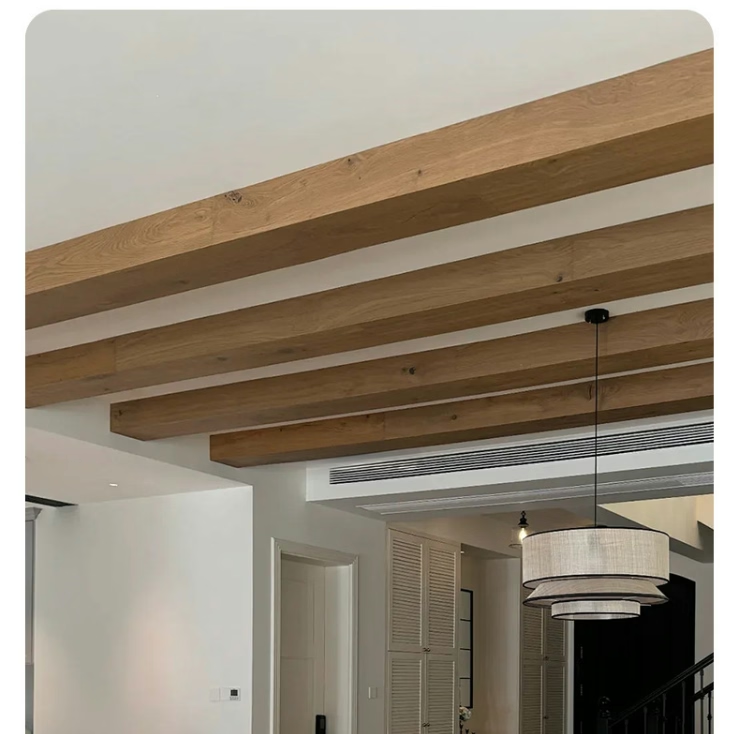
Exposed timber beams represent one of architecture's most enduring design elements, combining structural honesty with aesthetic warmth that countless architectural styles have employed across centuries. Architectural faux exposed timber beams for building interior styling bring this timeless design element to contemporary construction, providing authentic appearance with installation simplicity that genuine timber cannot match.
The Timeless Appeal of Exposed Timber
Exposed timber construction endures because it satisfies fundamental human preferences:
Tactile warmth that wood provides connects interior spaces to natural origins. Even when synthetic materials replicate wood appearance convincingly, the psychological comfort that authentic timber provides remains distinctive. Faux beams that achieve convincing appearance capture much of this psychological benefit.
Visual depth that wood grain creates cannot be fully replicated by printed or painted surfaces. The three-dimensional quality of genuine wood grain, with its subtle light-interaction patterns, creates visual richness that lesser reproductions cannot achieve.
Acoustic properties that wood possesses—warmth rather than harshness, absorption rather than reflection—contribute to interior comfort in ways that synthetic alternatives may not replicate. The acoustic contribution of exposed timber beams complements their visual qualities.
Environmental association that wood carries creates positive psychological response. The connection between wood interiors and natural environments activates associative responses that synthetic alternatives cannot trigger.
Authentic Appearance Requirements
Convincing exposed timber appearance requires attention to multiple details:
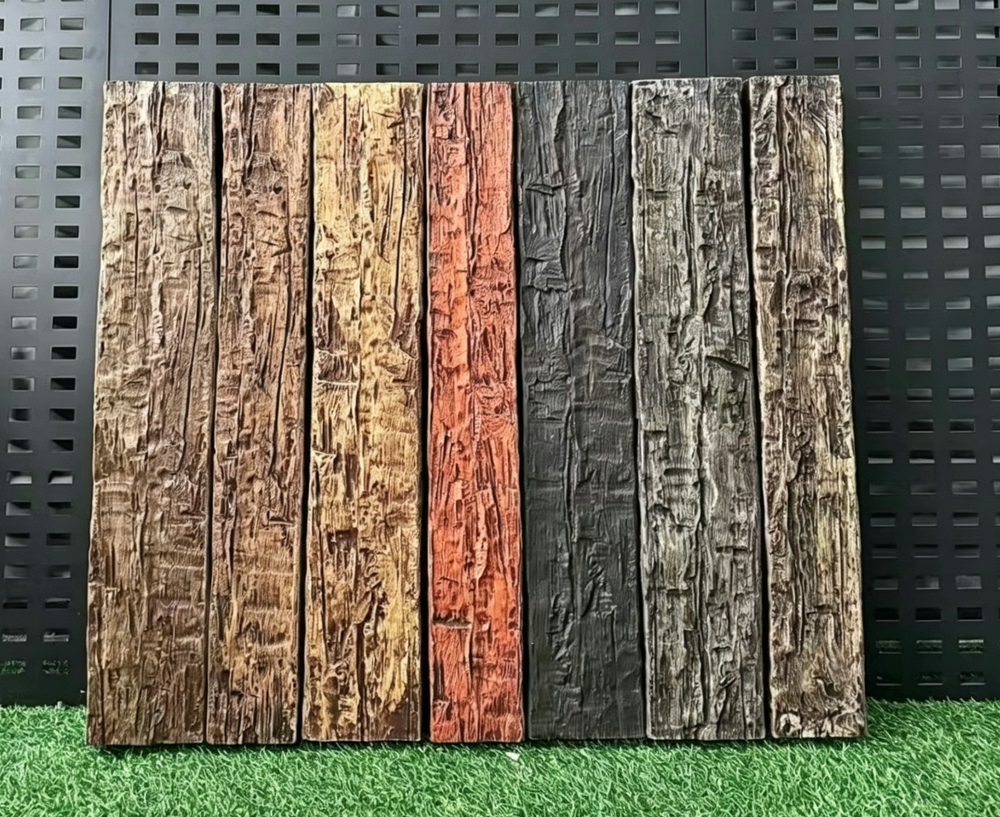
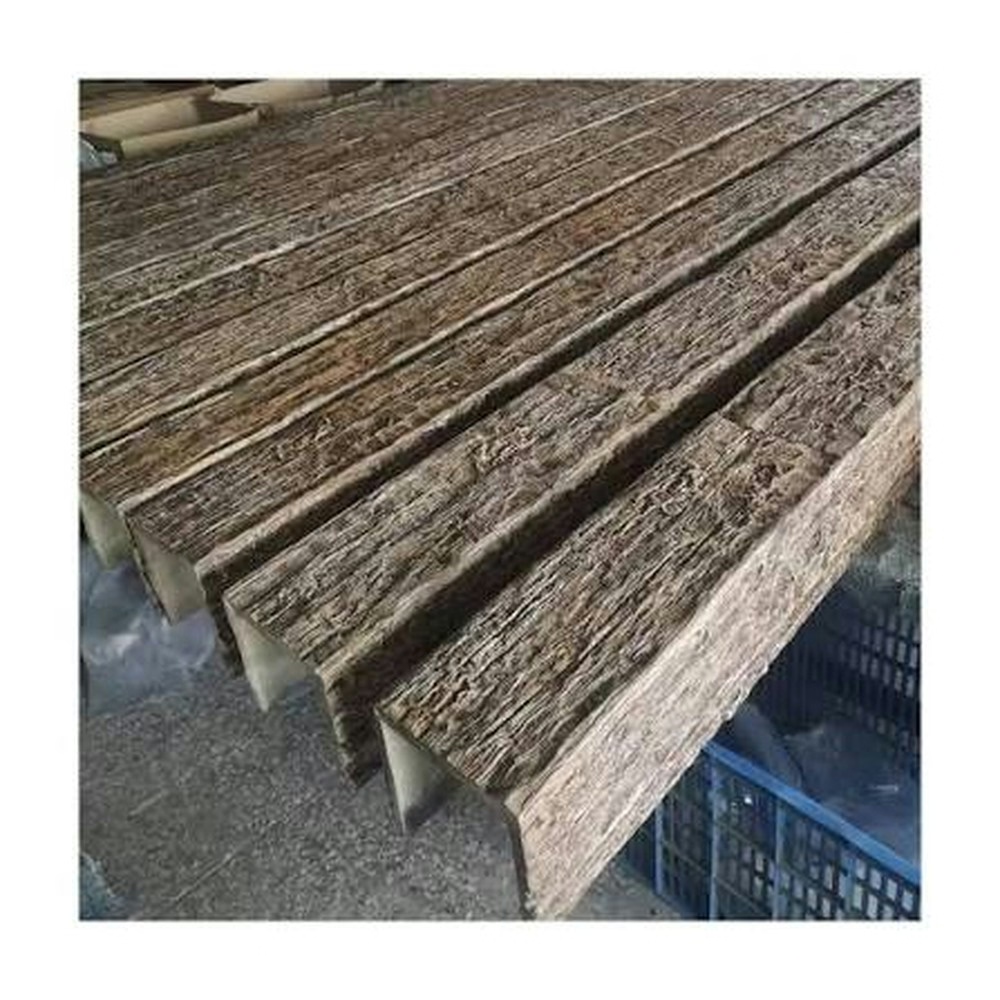
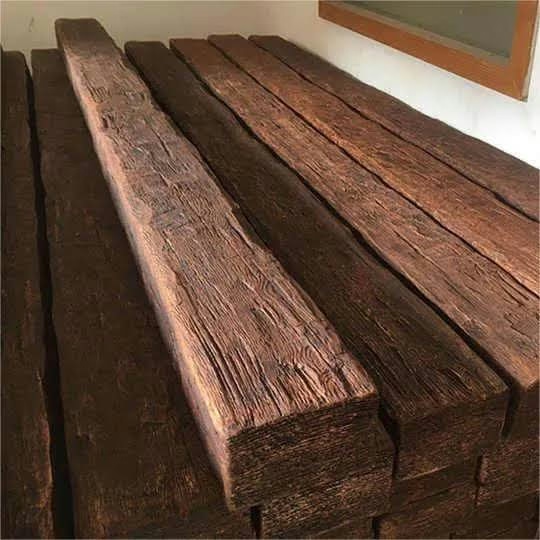
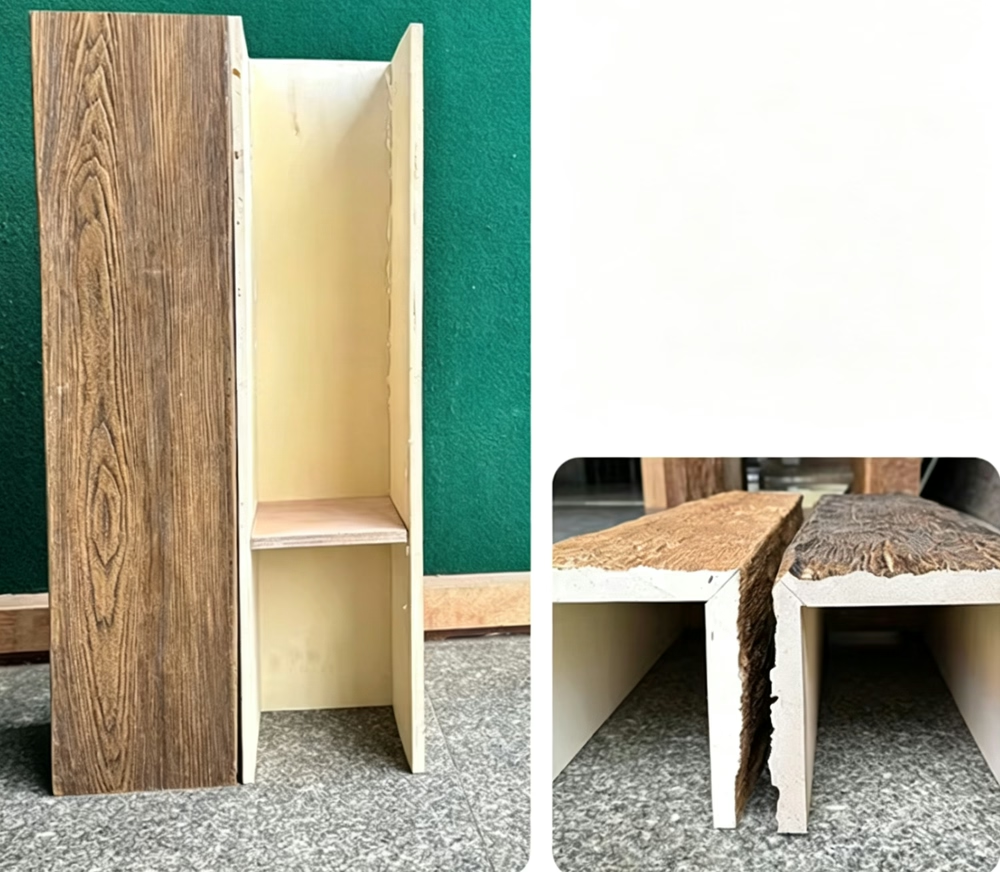
Surface texture that replicates genuine wood must be three-dimensional rather than merely visual. The subtle ridges and valleys that wood grain creates affect light interaction in ways that flat surfaces cannot replicate.
Edge treatment that differs appropriately from face texture. Wood edges present different characteristics than faces due to end grain versus longitudinal grain differences. Authentic faux beams should exhibit this difference.
Joint and end appearance that suggests genuine timber construction. How beams meet walls, intersect at corners, and terminate at visible locations all affect whether installations read as authentic or obviously synthetic.
Color variation that natural wood displays across surfaces and between pieces. Flat, uniform coloring reveals artificial origin; subtle variation suggests genuine material.
Interior Styling Applications
Exposed timber beams serve diverse interior styling approaches:
Rustic styling where beams contribute warmth and character to spaces embracing natural material aesthetics. The rough, honest quality that rustic interiors pursue aligns naturally with timber beam appearance.
Contemporary spaces where beams provide material contrast against otherwise modern finishes. The organic warmth of wood against glass, steel, and concrete creates productive tension that contemporary design often employs.
Traditional interiors where beams connect to established material vocabulary. Period-appropriate beam styling reinforces traditional design intentions that authenticity supports.
Integration with Building Systems
Exposed beam installations must coordinate with building systems that ceiling spaces contain:
Electrical systems including recessed lighting, power feeds, and low-voltage wiring all may route through ceiling spaces that beams occupy. Coordination ensures that beam installation doesn't conflict with electrical requirements.
HVAC distribution that ceiling diffusers, returns, and supply runs may position relative to beam layouts. Beam spacing should accommodate air distribution requirements without compromising either system.
Structural considerations that load-bearing elements create. While faux beams are typically decorative, structural elements that beams might wrap or appear to support require careful coordination.
Fire protection systems including sprinkler runs and detection wiring should be coordinated with beam layouts to ensure code compliance and proper coverage.
Quality Investment Considerations
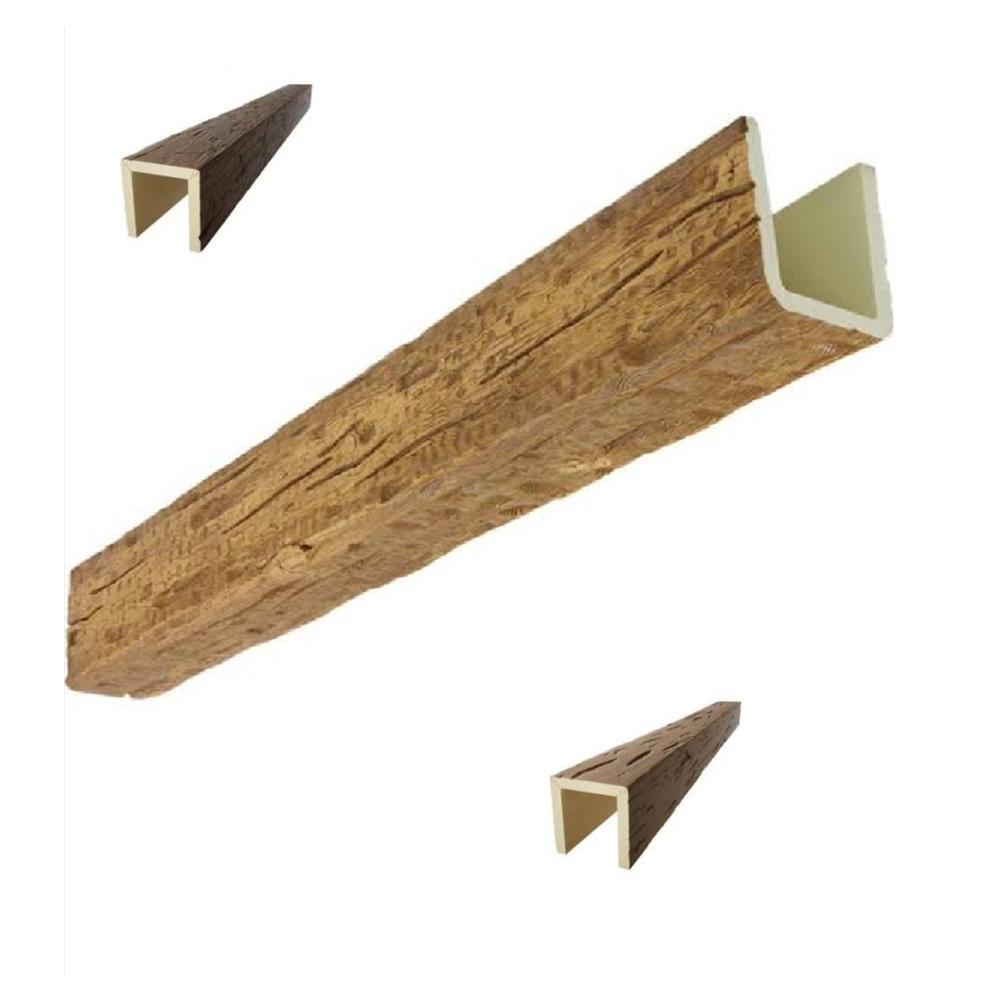
Quality faux beams that achieve authentic appearance represent investment that budget alternatives cannot match:
Manufacturing precision that captures genuine wood characteristics requires sophisticated processes that add cost. This investment differentiates products that satisfy discerning observers from those that fool no one.
Material formulation that ensures long-term performance requires quality components rather than cheapest-available alternatives. This formulation investment shows through in how products age over time.
Installation quality that authentic appearance requires professional execution. Even the best beams can appear synthetic when poorly installed; quality installation reveals itself in how installations read as cohesive architectural elements.
The comprehensive perspective that considers initial cost, installation quality, maintenance requirements, and appearance longevity reveals the true value that quality faux beams provide compared to apparent savings from budget alternatives.
Technical References
ASTM standards cited in every specification
Test Data
Lab results from internal testing program
Updated 2026
Reviewed against current product specs