Architectural Polyurethane Mouldings and Decorative Building Beams
The architectural millwork category encompasses diverse products that define interior spaces. Polyurethane mouldings and decorative beams represent the evolution of traditional craftsmanship into modern manufacturing, delivering authentic aesthetics with contemporary performance characteristics.
The Evolution of Architectural Millwork
Historically, architectural mouldings and beams were carved from solid timber by skilled craftspeople. This craftsmanship produced stunning results but introduced variables in quality, consistency, and cost. Hand-hewn beams showed tool marks from individual artisans; moulding profiles varied between shops and regions. Modern polyurethane replication technology captures the essence of traditional craftsmanship while eliminating its limitations.
Computer-controlled manufacturing achieves precision that handcraft cannot match. Each polyurethane piece exhibits exactingly reproduced profiles, consistent texture depth, and uniform color saturation. This reproducibility benefits large-scale commercial projects where dozens or hundreds of pieces must work together visually.
Material Advantages in Construction Applications
Polyurethane mouldings and beams outperform wood in several critical performance areas. The material resists moisture absorption that causes wood to swell, warp, or promote mold growth. In basements, bathrooms, and coastal buildings, polyurethane maintains its dimensions and appearance where genuine timber would deteriorate.
Insect damage represents another wood vulnerability that polyurethane eliminates. Termites, carpenter ants, and wood-boring beetles cannot infest polyurethane, protecting both the appearance and structural integrity of installed mouldings. This resistance proves particularly valuable in geographic regions where insect pressure challenges wood construction.
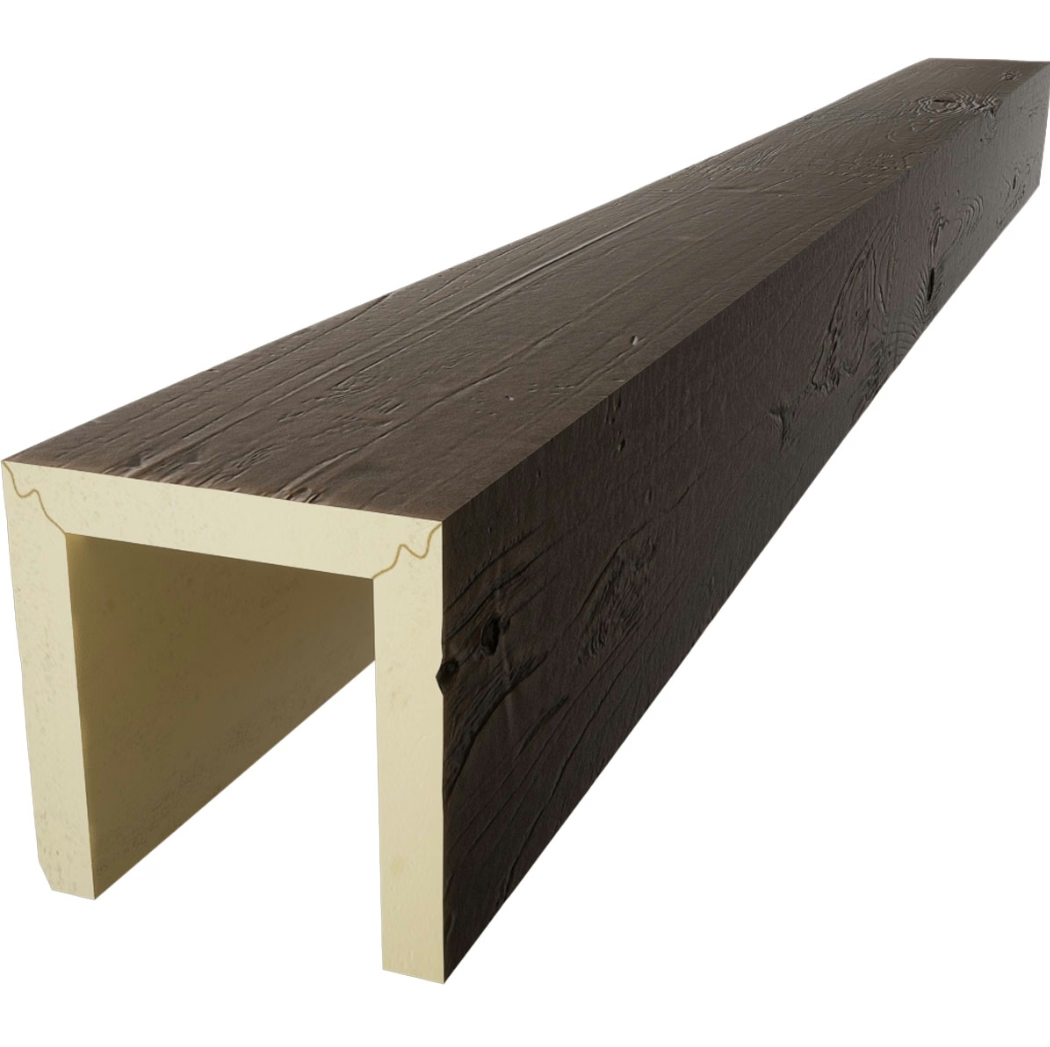
The lightweight nature of polyurethane simplifies handling and installation. Large decorative beams that would require structural support if made from solid timber can mount directly to ceiling joists or furring strips using standard fasteners. This installation simplicity reduces labor costs and expands design possibilities in existing buildings where structural modifications would be impractical.
Profile Depth and Detail Reproduction
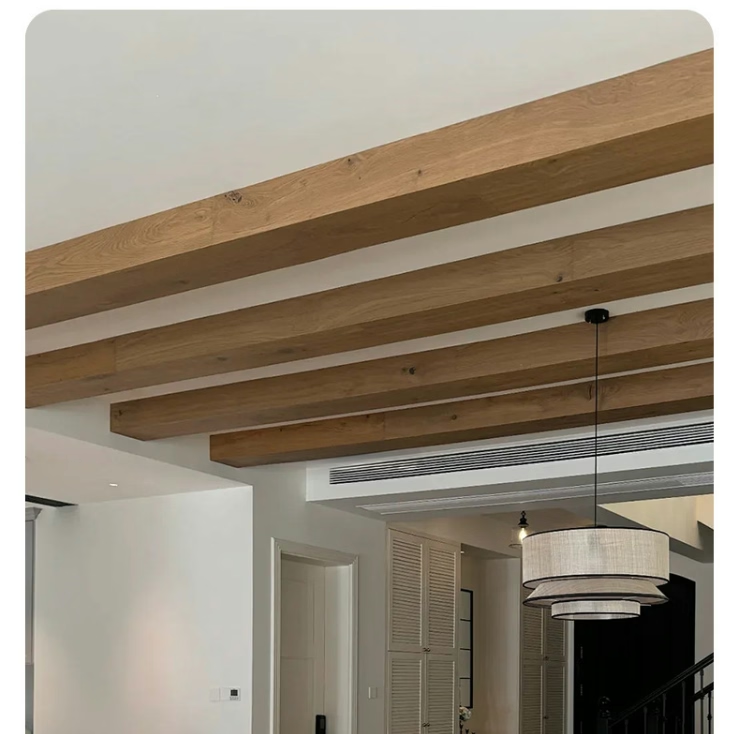
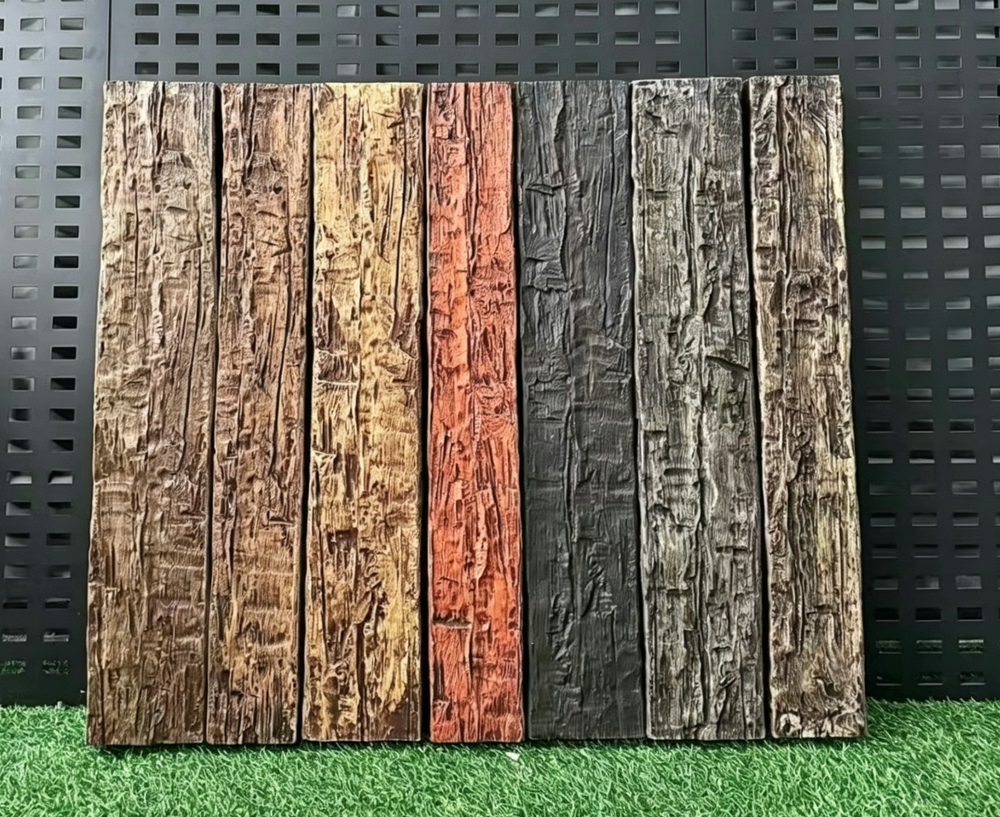
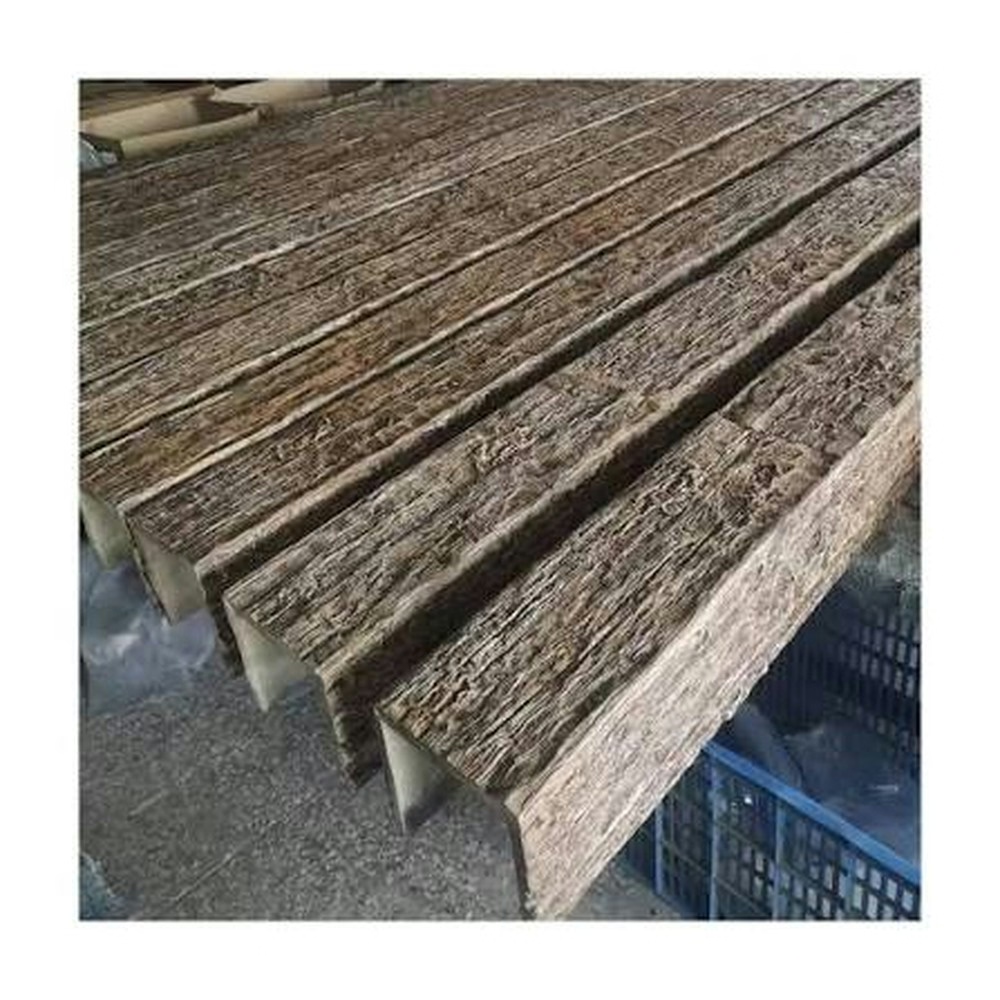
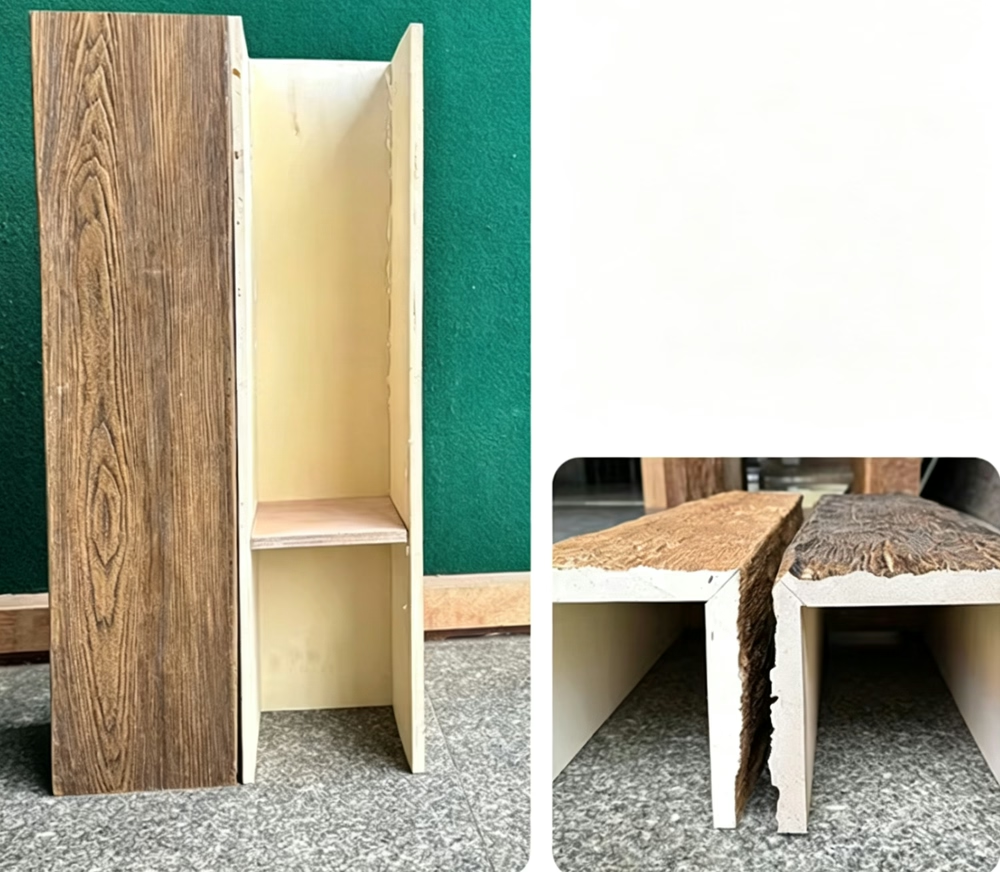
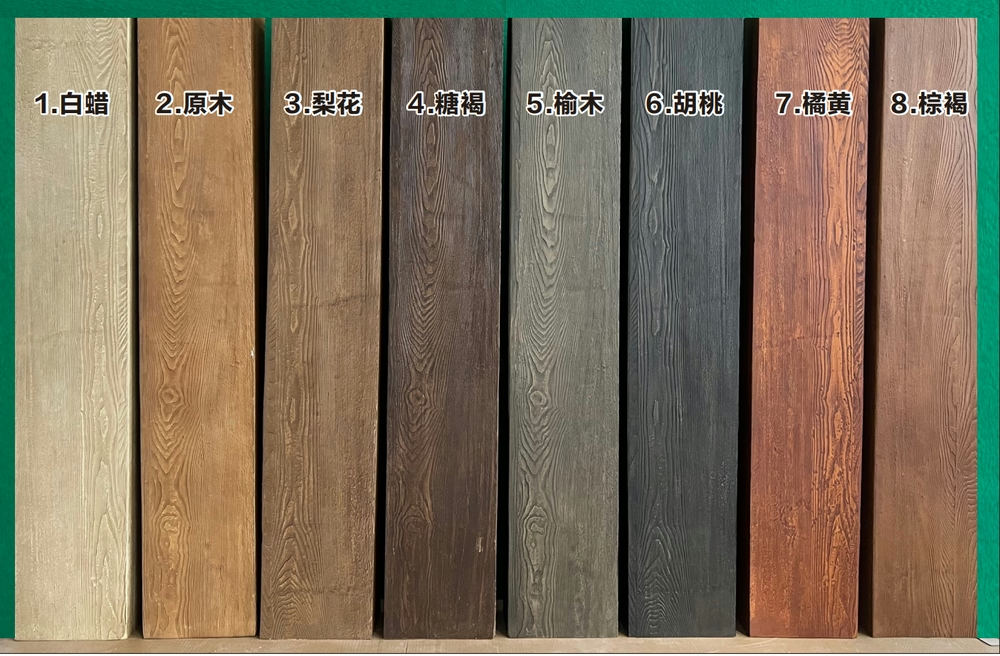
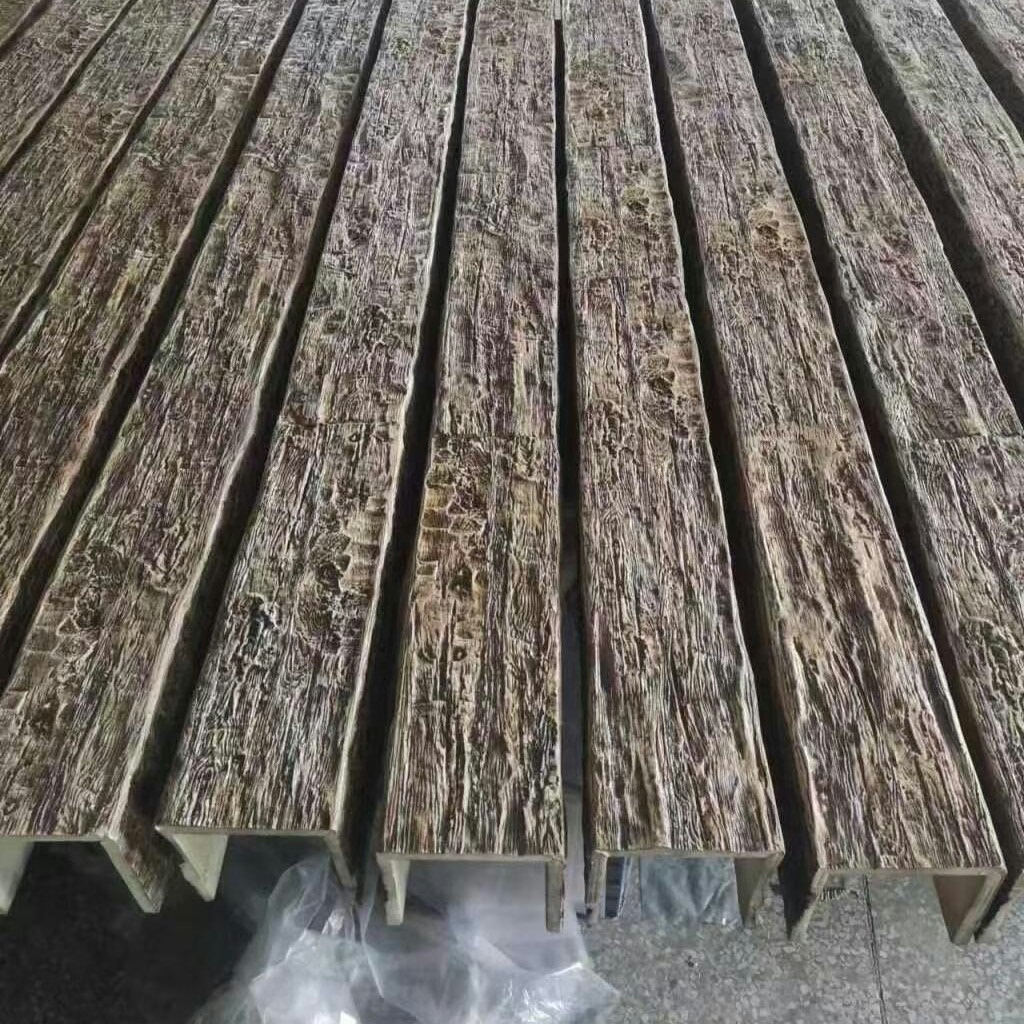
Modern polyurethane casting technology reproduces fine architectural details with remarkable fidelity. Complex moulding profiles featuring multiple ogee curves, reeds, and decorative bands transfer accurately from master patterns. Beams with authentic hand-hewn textures, saw marks, and natural wood characterizations achieve convincing appearances that fool even experienced builders.
Specification professionals should examine physical samples when evaluating polyurethane products, as quality varies significantly between manufacturers. Premium products exhibit sharp detail definition and consistent texture distribution, while inferior products may show surface blemishes, incomplete detail reproduction, or thin spot vulnerabilities.
Coordination with Adjacent Materials
Decorative beams and mouldings interact visually with surrounding architectural elements. Baseboards, door casings, crown mouldings, and window trim all contribute to interior aesthetic coherence. Designers should consider material compatibility when selecting polyurethane products for projects featuring wood trim.
Polyurethane accepts standard wood finishing products, enabling perfect color matching between polyurethane beams and wood trim elements. However, the reverse holds true as well—polyurethane's consistency often makes it preferable to natural wood when precise color matching across many pieces matters.
Professional installers plan connections between beams and other moulding elements carefully. Outside corners, mitered returns, and beam-to-wall junctions require thoughtful detail resolution that maintains authentic appearance while accommodating the different properties of polyurethane versus wood.
Environmental and Sustainability Considerations
Polyurethane mouldings and beams support sustainable building practices through their durability and material efficiency. Long service lives eliminate replacement cycles that consume additional resources. The material generates no sawdust or off-cuts during installation, reducing jobsite waste.
Manufacturing processes for architectural polyurethane have also improved environmental performance. Premium manufacturers utilize recycled content in their formulations and maintain closed-loop water systems that minimize waste. Building projects pursuing LEED certification or similar sustainability frameworks can document these attributes in credit documentation.
Technical References
ASTM standards cited in every specification
Test Data
Lab results from internal testing program
Updated 2026
Reviewed against current product specs