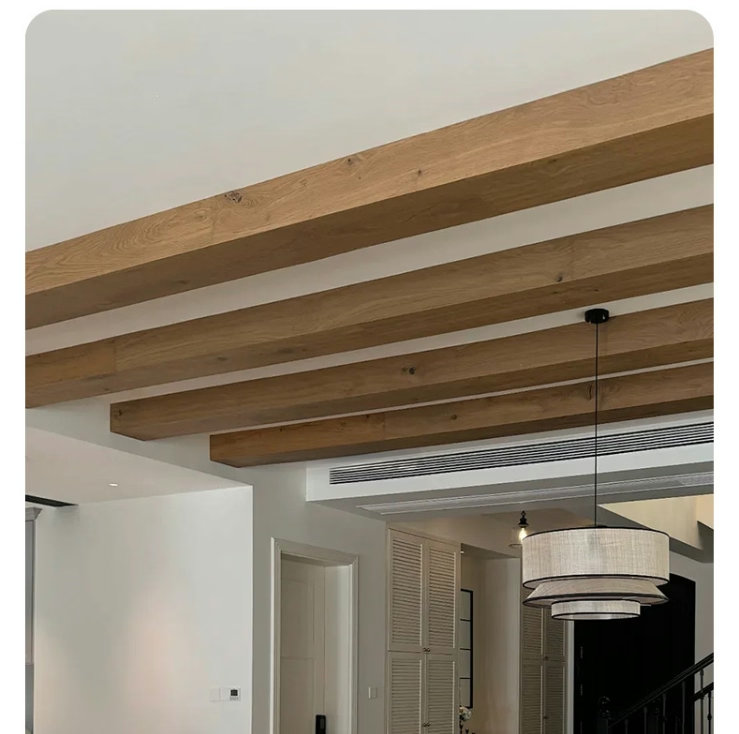
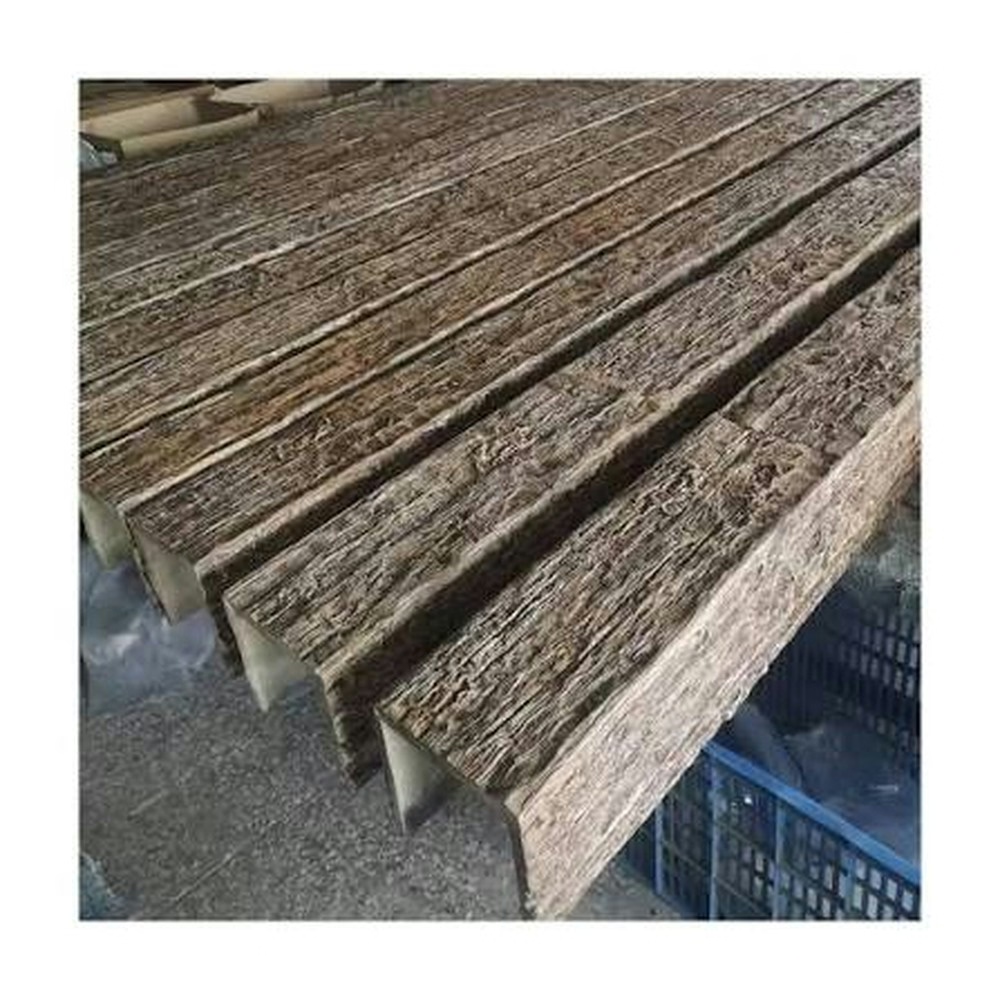
Architectural Specification Clauses for Non-Structural PU Decorative Faux Wood Beams
Professional specifications communicate project requirements precisely to contractors, suppliers, and quality assurance personnel. Well-written specification clauses for decorative faux wood beams ensure consistent product quality, appropriate installation methods, and measurable performance standards.
Standard Specification Format Structure
Architectural specifications for building products typically follow CSI MasterFormat divisions. Faux wood beams appear in Section 06 52 00 (Architectural Woodwork) or Section 09 92 00 (Wall and Ceiling Specialty Products), depending on project-specific organization. Section 06 16 00 (Board and Bat Siding) occasionally references faux timber products in exterior applications.
Regardless of section placement, effective specifications include product description, material requirements, performance criteria, fabrication standards, and installation instructions. Each element should reference accepted industry standards and test methods that verify compliance.
Material Performance Requirements
Specification clauses should establish minimum performance thresholds for polyurethane decorative beams. Relevant standards include ASTM E84 for surface burning characteristics, ASTM D570 for water absorption, and ASTM D638 for tensile strength. Products meeting or exceeding these thresholds receive objective verification of their fitness for intended applications.
Fire safety requirements vary by building type and occupancy classification. Residential occupancies typically require materials meeting Class C fire ratings, while commercial assembly spaces often mandate Class A ratings. Specification writers must verify applicable code requirements for each project and translate them into specific product requirements.
Impact resistance testing (ASTM D4226 or equivalent) demonstrates durability against accidental damage during construction and normal service. High-traffic commercial applications benefit from specifying products with documented impact resistance ratings.
Dimensional Standards and Tolerances
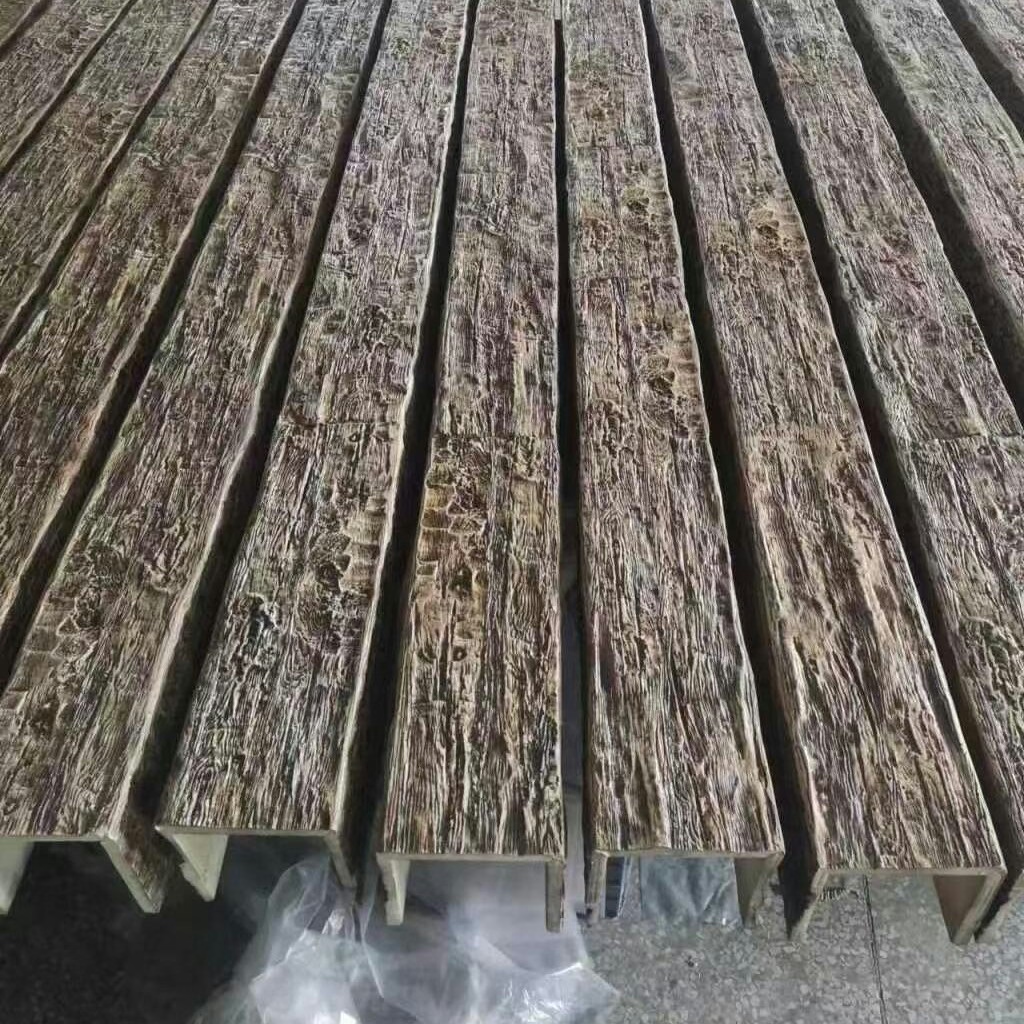
Product specifications should reference published dimensional standards or establish project-specific tolerances for beam lengths, widths, and profiles. Length tolerances of ±1/8 inch typically satisfy installation requirements, while profile tolerances ensure consistency across multiple pieces from the same production run.
Texture depth specifications prove challenging to quantify objectively. Reference samples established during the submittal process provide the clearest quality benchmarks. Material submittals should include production samples matching expected installation textures for approval before manufacturing proceeds.
Surface Finish Requirements
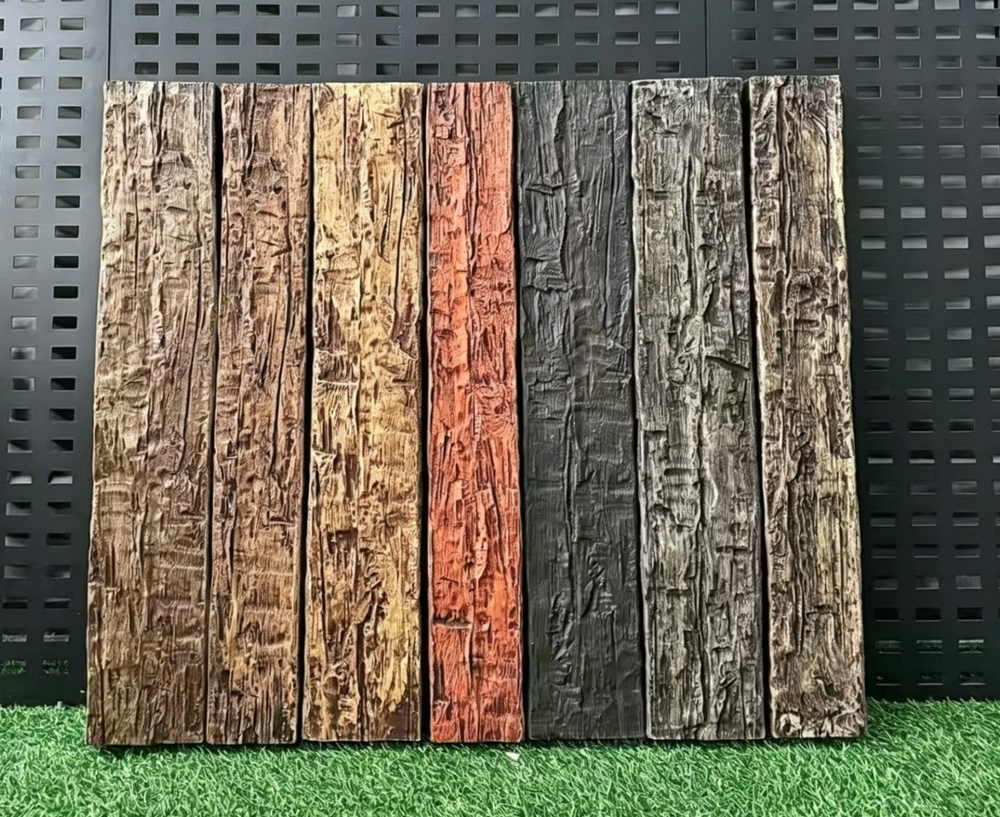
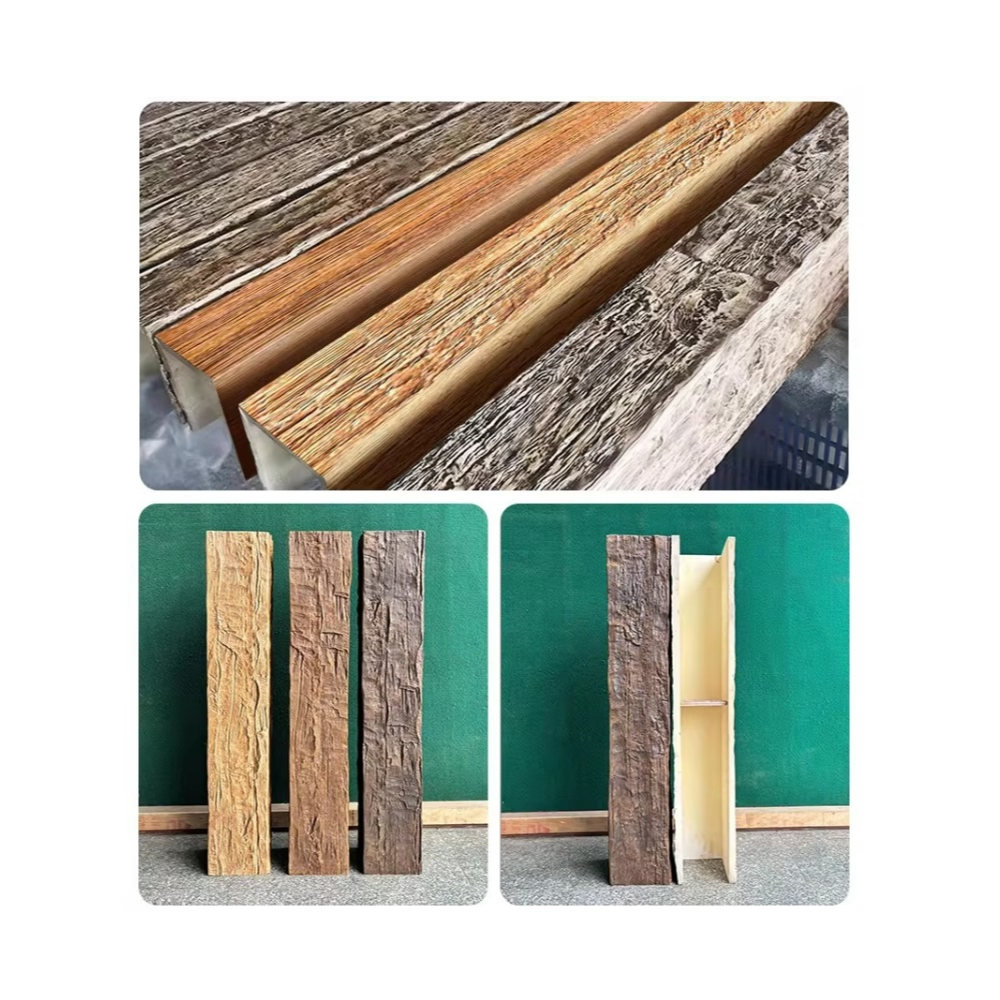
Finish specifications communicate appearance expectations clearly. Options range from prime-painted surfaces ready for site finishing to fully factory-finished products with wood stain, clear coats, or specialty patinas. Factory finishing typically provides superior durability and consistency compared to site application, particularly for multi-step staining processes.
Color specifications should reference established color systems (Munsell, Natural Color System, or major paint manufacturer standards) or project-specific custom colors. Custom color matching requires extended lead times and may involve additional charges that should be documented in specifications and contracts.
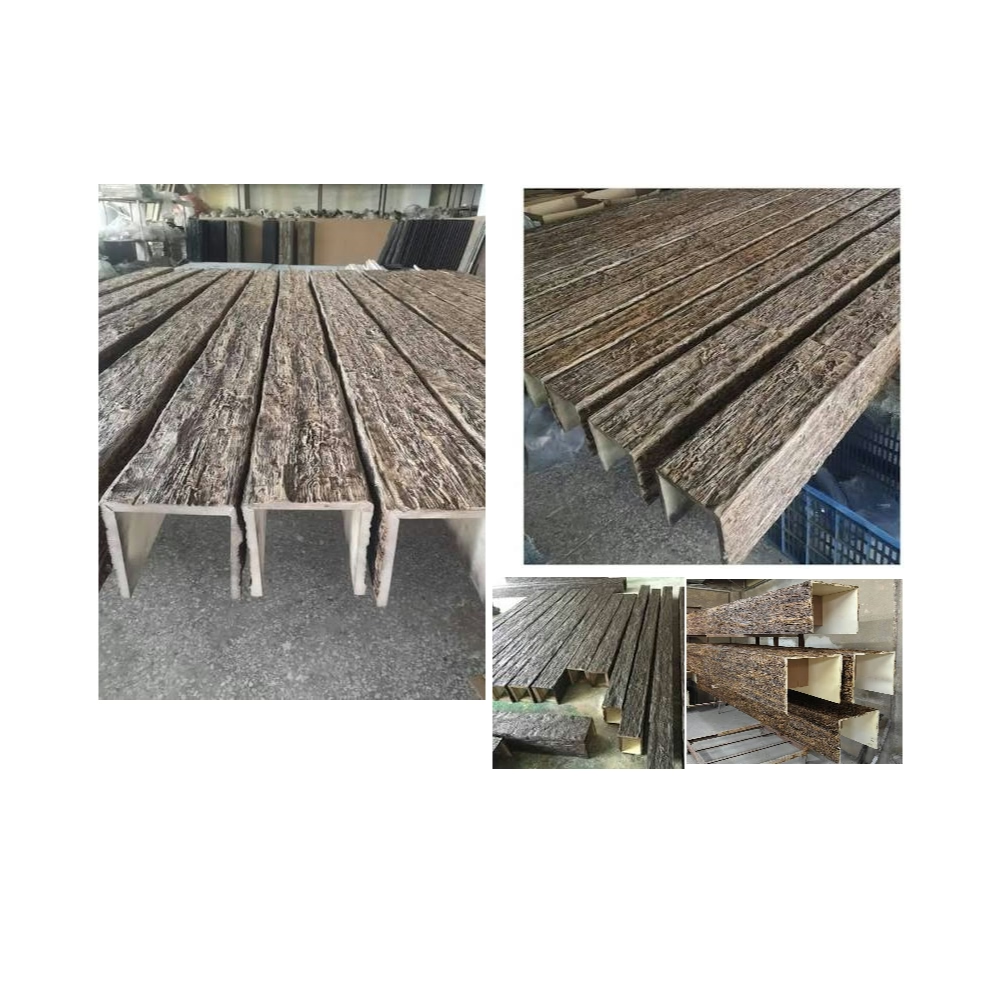
Submittal Requirements and Mockups
Professional specifications identify required submittals including product data sheets, test reports, finish samples, and installation instructions. Sample requirements should specify minimum quantities and approval timelines that support project scheduling.
Large or prominent installations often justify full-scale mockups that demonstrate appearance, installation methods, and finishing quality before committing to final production. Mockup requirements should identify location, scope, approval authority, and whether mockup elements become permanent construction or are removed after approval.
Warranty and Maintenance Documentation
Warranty provisions protect building owners from defective materials and installation failures. Specifications should establish warranty duration (typically one to five years for decorative products), coverage scope, and claim procedures. Manufacturer warranties exceeding minimum requirements provide additional quality assurance.
Maintenance instructions inform building owners about care requirements that preserve product appearance. Polyurethane decorative beams generally require only periodic cleaning with mild detergents, but specifications should document any restrictions on chemical cleaners, pressure washing, or abrasive tools.
Compliance Verification Methods
Specifications must identify how compliance will be verified during fabrication and installation. Options include third-party inspection, manufacturer certification, and site inspection by the architect or owner's representative. Verification requirements should match project complexity and owner oversight preferences.
Documentation requirements for imported products should address country of origin labeling, import duty classification, and any required testing or certification from origin countries accepted under reciprocal agreements.
Technical References
ASTM standards cited in every specification
Test Data
Lab results from internal testing program
Updated 2026
Reviewed against current product specs