Are Premium PU Faux Wood Beams Fire-Safe for Indoor Residential Use?
Fire safety concerns influence material selection for residential construction and renovation. Homeowners researching faux wood beams need accurate information about fire performance to make informed decisions.
Understanding Fire Ratings and Classifications
Building codes classify materials based on fire performance testing. The most common classification system uses flame spread and smoke developed indices from ASTM E84 testing (also known as UL 723 or NFPA 255). Results categorize materials as Class A, B, or C based on flame spread indices under 25, 25-75, and 75-200 respectively.
Class A materials represent the highest fire resistance, limiting flame spread across surfaces and reducing contribution to fire propagation. Building codes typically require Class A or B ratings for ceiling materials in residential applications, though specific requirements vary by occupancy type and building location.
Polyurethane Fire Performance Characteristics
Polyurethane, like many plastics, can burn when exposed to sufficient heat. However, premium manufacturers incorporate fire retardant additives that significantly improve performance. These additives work through chemical mechanisms that interrupt combustion reactions when exposed to flame.
Test results for fire-retardant polyurethane typically show Class B or Class A ratings depending on formulation thickness and additive concentration. Products with Class A ratings perform comparably to fire-retardant treated wood in standard testing scenarios.
The critical distinction is between burning behavior under direct flame exposure versus contribution to fire propagation. Fire-retardant polyurethane resists ignition from incidental heat sources and limits flame spread if ignited, meeting residential safety requirements in most jurisdictions.
Comparison with Natural Wood
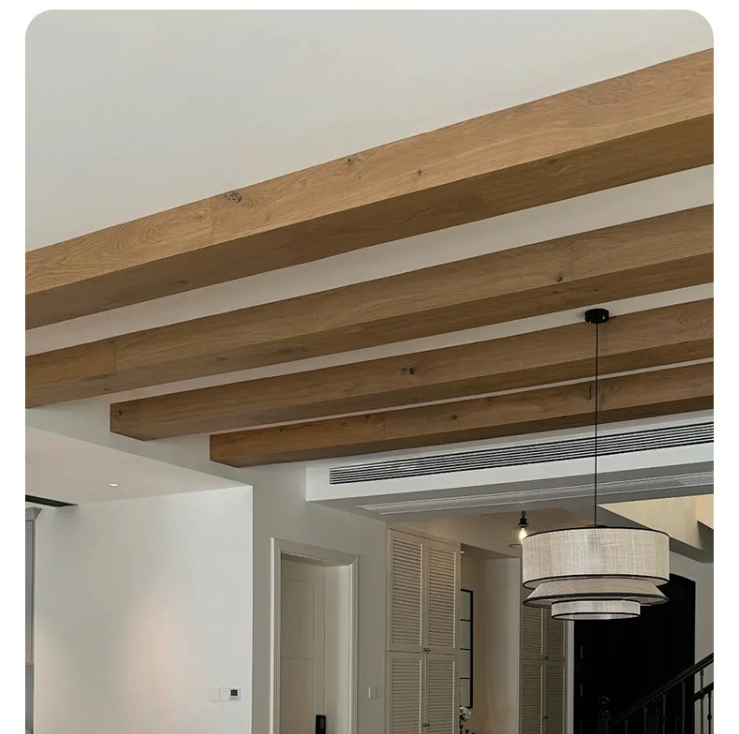
Natural wood flames readily and contributes significantly to fire growth. While fire-retardant treated wood performs better than untreated timber, untreated natural wood beams present greater fire hazards than fire-rated polyurethane alternatives.
This comparison matters for ceiling applications where flames spreading upward encounter beam surfaces. The difference between a material that ignites quickly and one that resists ignition can affect逃生 time available to occupants and damage extent in fire events.
Code Requirements for Residential Applications
Model building codes including the International Residential Code establish fire performance requirements for interior finishes. These requirements apply to walls and ceilings in specific locations, particularly in garages and areas adjacent to wood-burning appliances.
Homeowners should verify applicable requirements for their specific projects. Renovations in existing homes may not trigger code compliance for existing construction, but new construction and additions must meet current requirements.
Fire-rated faux wood beams carry documentation of their classification for code compliance verification. Inspectors reviewing building permits may request this documentation to confirm compliance.
Installation Considerations for Fire Safety
Proper installation affects fire performance significantly. Gaps between beams and ceiling structures can allow flames to penetrate behind installations, bypassing surface fire ratings. Sealing these gaps with fire-rated caulk or other approved materials maintains intended protection levels.
Penetrations for lighting fixtures, speakers, and other ceiling-mounted items require similar attention. Fixtures rated for through-penetration use in fire-rated assemblies should be specified when beams are installed in required fire-rated ceiling assemblies.
Additional Fire Performance Factors
Beyond surface burning characteristics, polyurethane's fire performance includes smoke development, heat release rate, and dripping behavior under flame exposure. Premium products address these factors in formulation development, balancing fire safety with other performance requirements.
Toxicity of combustion products concerns some specifiers. Fire-retardant polyurethane formulations have evolved significantly, and current-generation products meet stringent toxicology standards. Independent testing verifies that smoke from burning polyurethane does not exceed safe exposure limits.
Warranty and Liability Considerations
Manufacturers warrant fire performance characteristics as part of product specifications. Products meeting stated fire ratings carry manufacturer warranties against defects affecting performance. This warranty protection provides recourse if products fail to perform as specified.
Commercial projects typically require specific fire ratings documented in specifications. Using products with documented ratings and maintaining installation records supports liability defense if fire incidents occur.
Making Informed Decisions
Fire safety represents one factor among many in material selection. Premium polyurethane faux wood beams meet residential fire safety requirements in most applications, providing aesthetic benefits without compromising occupant protection.
Homeowners with specific concerns should discuss project requirements with local building officials or fire marshals. These professionals understand local conditions and code applications that generic guidance cannot address.
Documentation from premium manufacturers confirms fire performance characteristics and appropriate applications. Requesting this documentation before purchase ensures products meet specific project requirements.
Ongoing Research and Development
Polyurethane technology continues evolving, with manufacturers pursuing improved fire performance through advanced additive packages and alternative chemistries. Staying current with product development helps specifiers select optimal materials for safety-critical applications.
Industry associations and testing laboratories publish research findings that inform product development and code updates. Premium manufacturers participate in these programs, contributing to continuous improvement in fire safety performance.
Technical References
ASTM standards cited in every specification
Test Data
Lab results from internal testing program
Updated 2026
Reviewed against current product specs