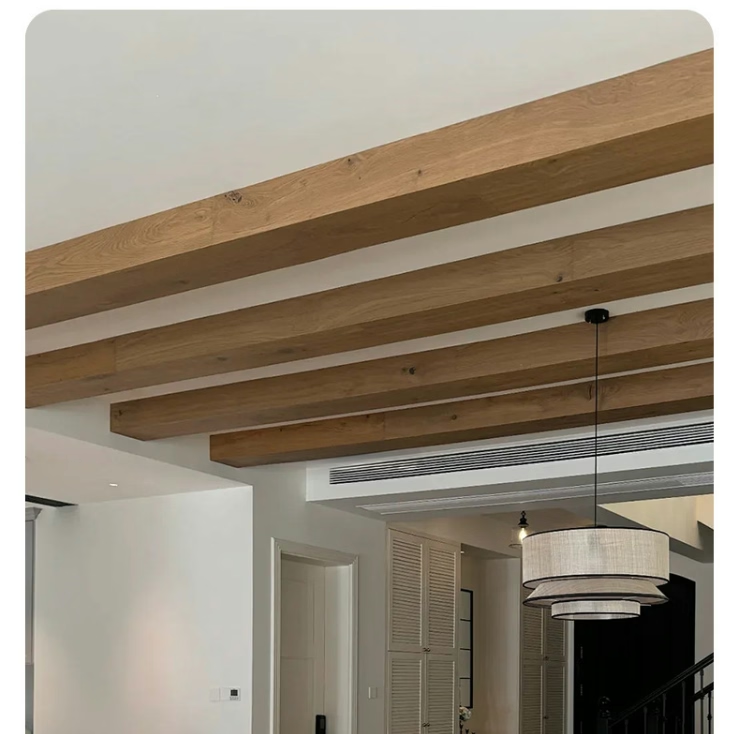
Artisan Handcrafted Look Molded Polyurethane Faux Beams
The artisan handcrafted aesthetic represents the intersection of traditional craft and modern manufacturing. Molded polyurethane faux beams achieve appearances that reference centuries of woodworking tradition while delivering contemporary performance advantages.
The Handcrafted Aesthetic Explained
Handcrafted wood products carry inherent variations that mass production cannot replicate. Tool marks, material inconsistencies, and human decisions during production create unique character in each piece. This character appeals to homeowners seeking authentic craft rather than mechanical perfection.
Traditional woodworking created structural and decorative elements with identifiable maker characteristics. Regional styles emerged from local timber availability, tool traditions, and design preferences. These styles communicate cultural heritage that uniform products cannot convey.
Modern design appreciation for craft character has revived interest in handmade aesthetics. Interior designers specify handcrafted elements to create spaces that feel lived-in and human rather than sterile and corporate.
Molded Polyurethane Technology
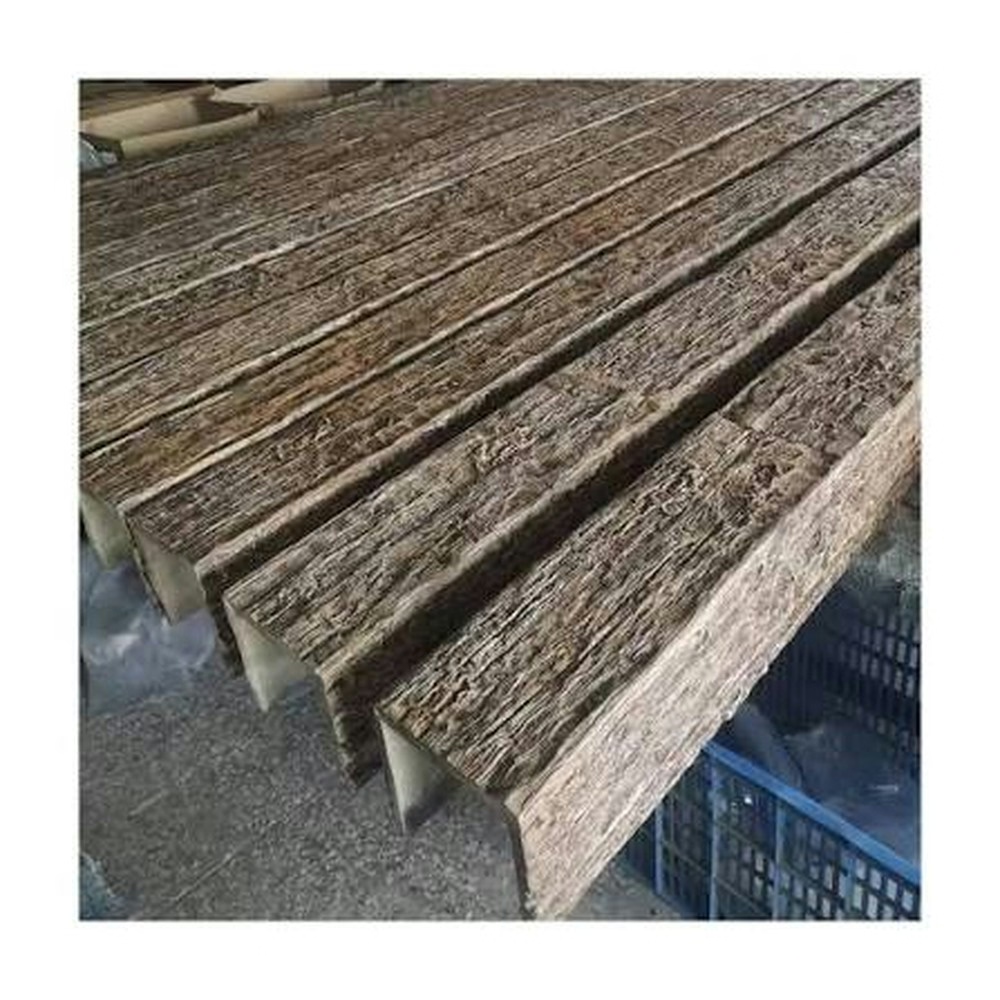
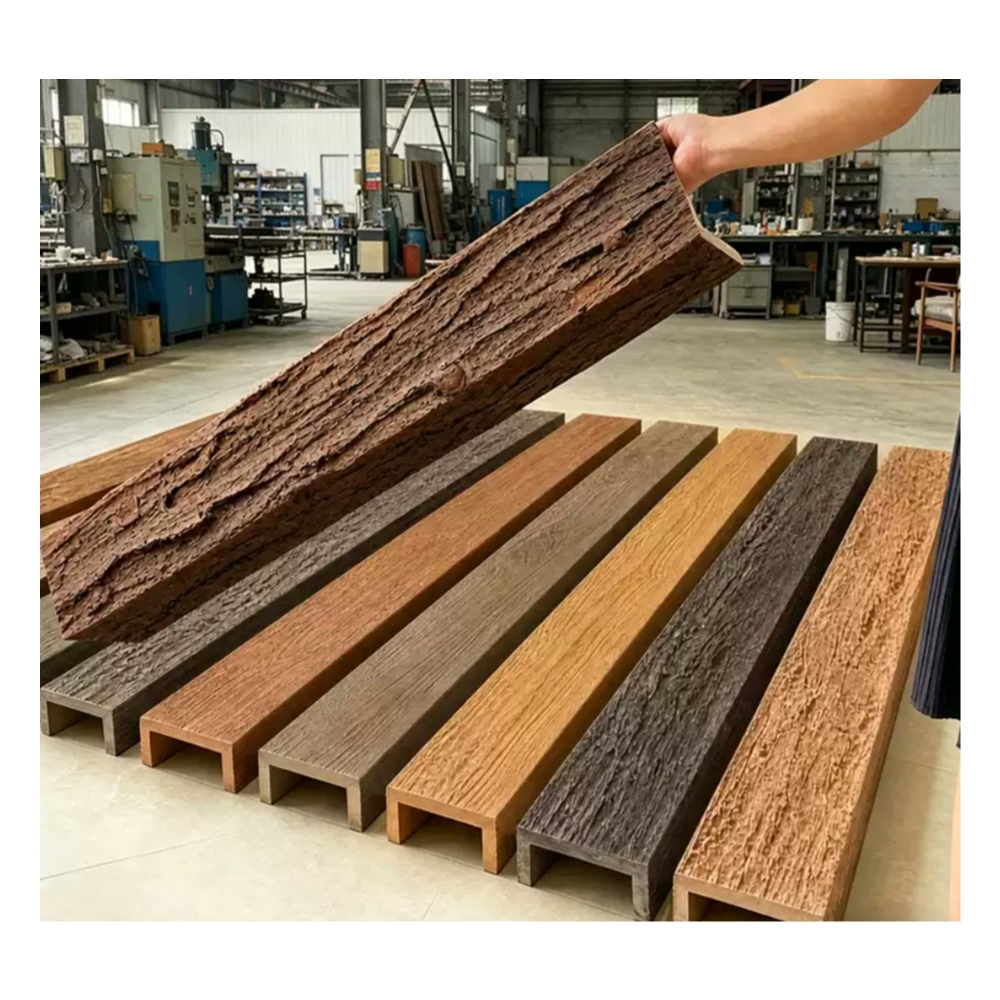
Molded polyurethane production begins with master pattern creation. Skilled artisans sculpt original models that capture intended aesthetic qualities in full detail. These master patterns become the negative molds that shape production pieces.
Polyurethane liquid components combine and pour into molds where chemical reactions create solid forms. This process captures every surface detail present in the master pattern with fidelity that handcraft cannot equal in consistency.
Production molds undergo repeated use that would destroy wooden pattern materials. Polyurethane molds maintain dimensional accuracy across hundreds of production cycles, enabling economical mass production of authentically detailed beams.
Character Elements in Handcrafted Beams
Quality handcrafted-look beams incorporate multiple character elements that create authentic appearance:
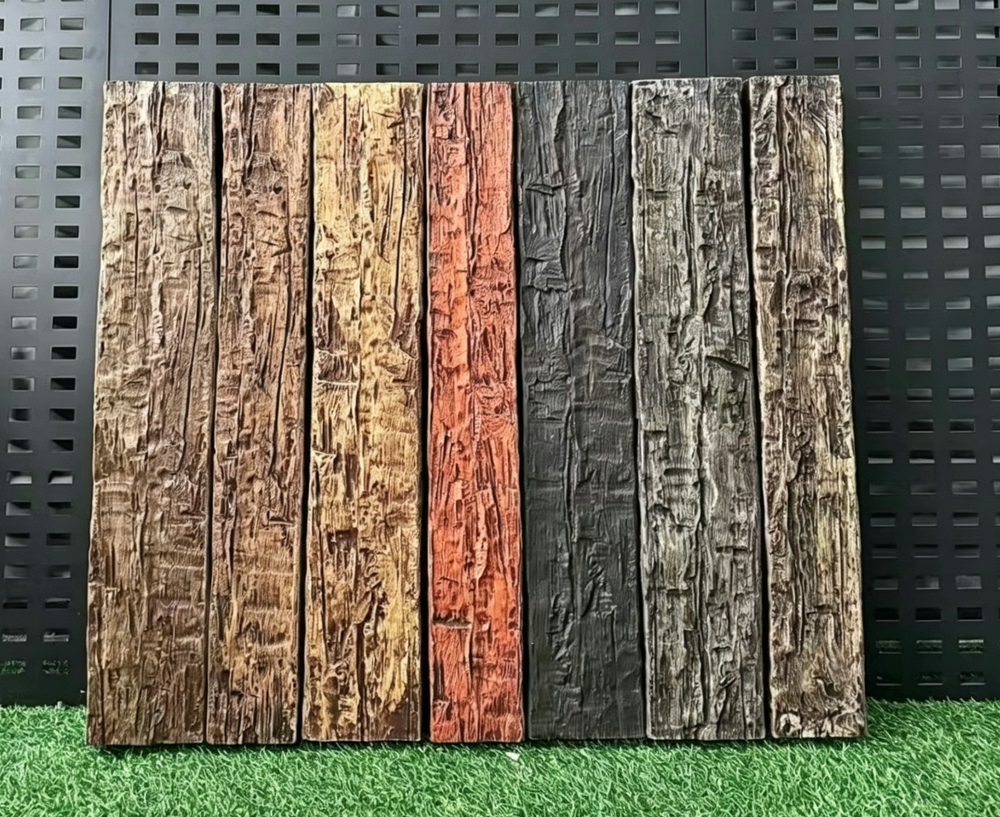
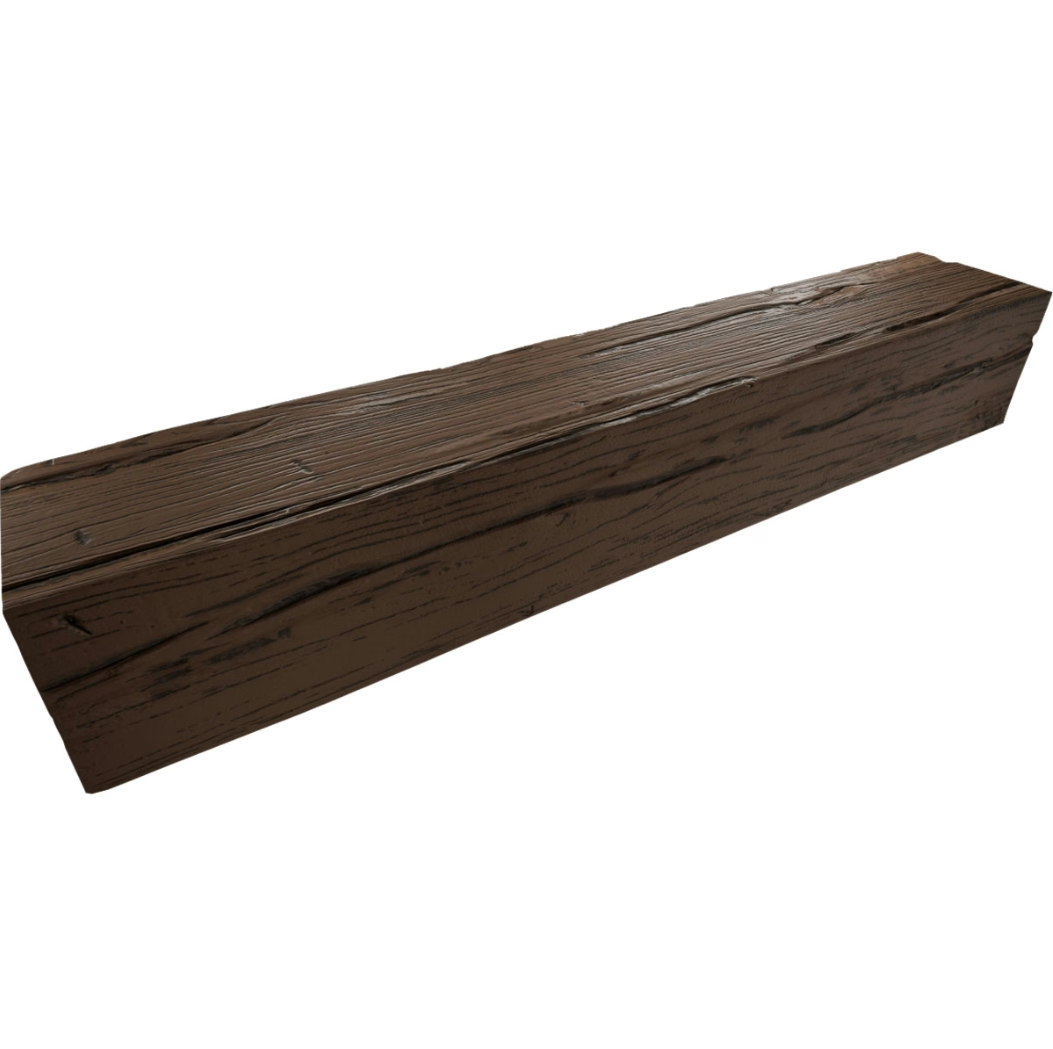
Varied tool marks reference traditional woodworking techniques. The combination of axe, adze, and hand plane marks creates visual complexity that single-tool surfaces lack.
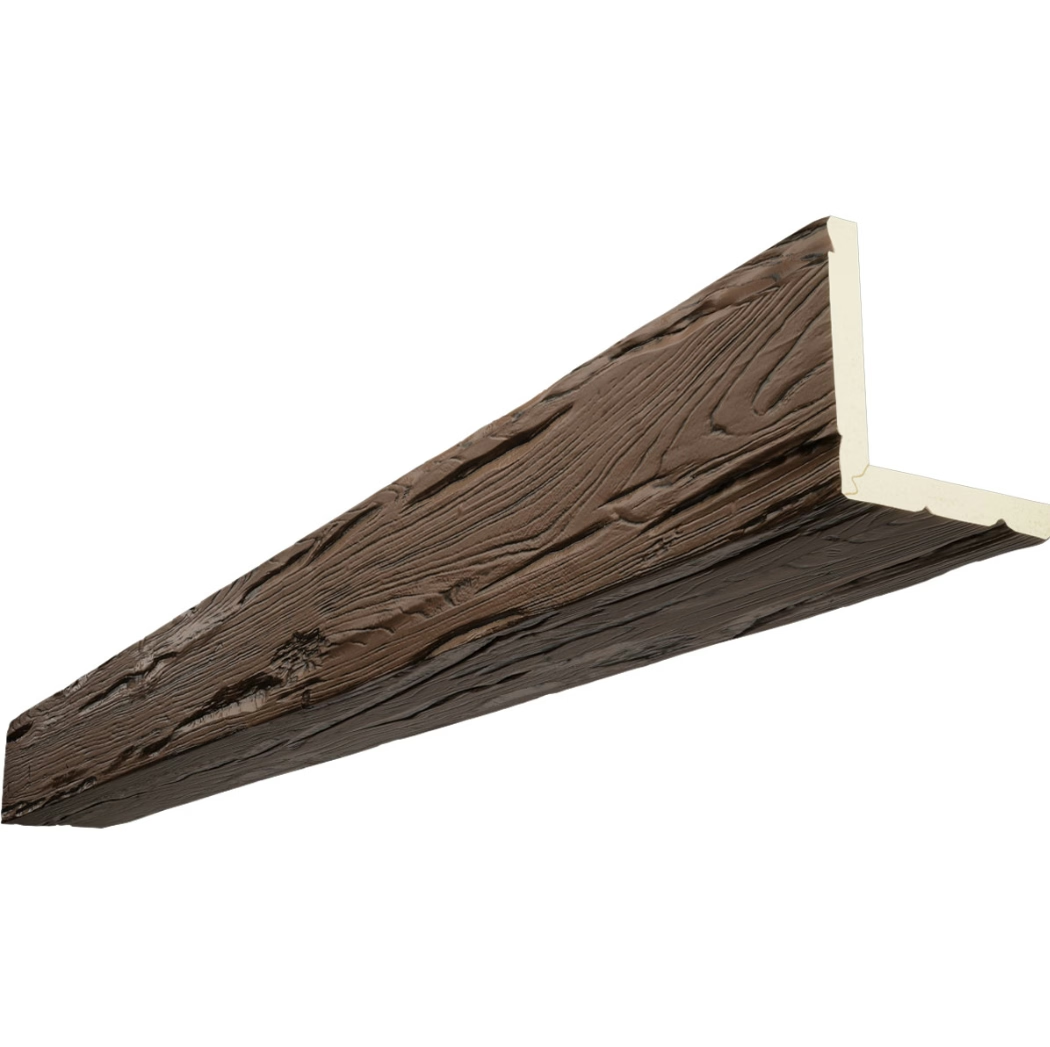
Natural wood characteristics appear through careful texture design. Knots, grain patterns, and growth variations reference genuine timber origins while remaining controlled enough for consistent production.
Edge treatments include characteristic wear patterns that authentic old timber exhibits. Corner rounding, end checking, and surface weathering create aged appearances that uniform machined edges cannot achieve.
Surface irregularities prevent mechanical repetition that industrial products display. The variation between beam sections, while controlled, suggests handmade production rather than automated manufacturing.
Interior Design Applications
Hospitality interiors embrace handcrafted aesthetics that communicate welcome and authenticity. Restaurants, boutique hotels, and specialty retail spaces benefit from the crafted character that generic millwork cannot provide.
Residential interiors use handcrafted beams to soften contemporary architecture and add warmth to minimalist spaces. The human-scale character invites dwelling rather than mere occupation.
Healthcare and wellness spaces incorporate handcrafted elements to reduce clinical sterility. Studies show natural material character supports healing environments that accelerate patient recovery and enhance staff satisfaction.
Finish Options and Techniques
Handcrafted-look beams accept various finish approaches that complement different interior styles:
Natural wood stains preserve grain character while introducing warmth. Multiple stain colors allow customization for specific wood species appearances.
Painted finishes range from solid coverage to wash techniques that preserve texture visibility. White and cream tones create farmhouse aesthetics; darker tones support dramatic contemporary designs.
Distressed finishing introduces additional aging beyond molded texture. Edge wear, highlight application, and tonal variation create layered appearances that reference antique origins.
Durability and Performance
Molded polyurethane construction provides durability advantages over traditional materials. The homogeneous composition resists splitting, checking, and moisture damage that affect genuine timber.
Surface finishes bond permanently to polyurethane substrates, eliminating the peeling and flaking that plague wood finishes. This adhesion ensures long-term appearance maintenance without periodic refinishing.
Impact resistance protects handcrafted details from accidental damage during construction and normal service. While extreme impacts can damage any surface material, polyurethane absorbs impacts better than wood without cracking or splintering.
Installation Efficiency
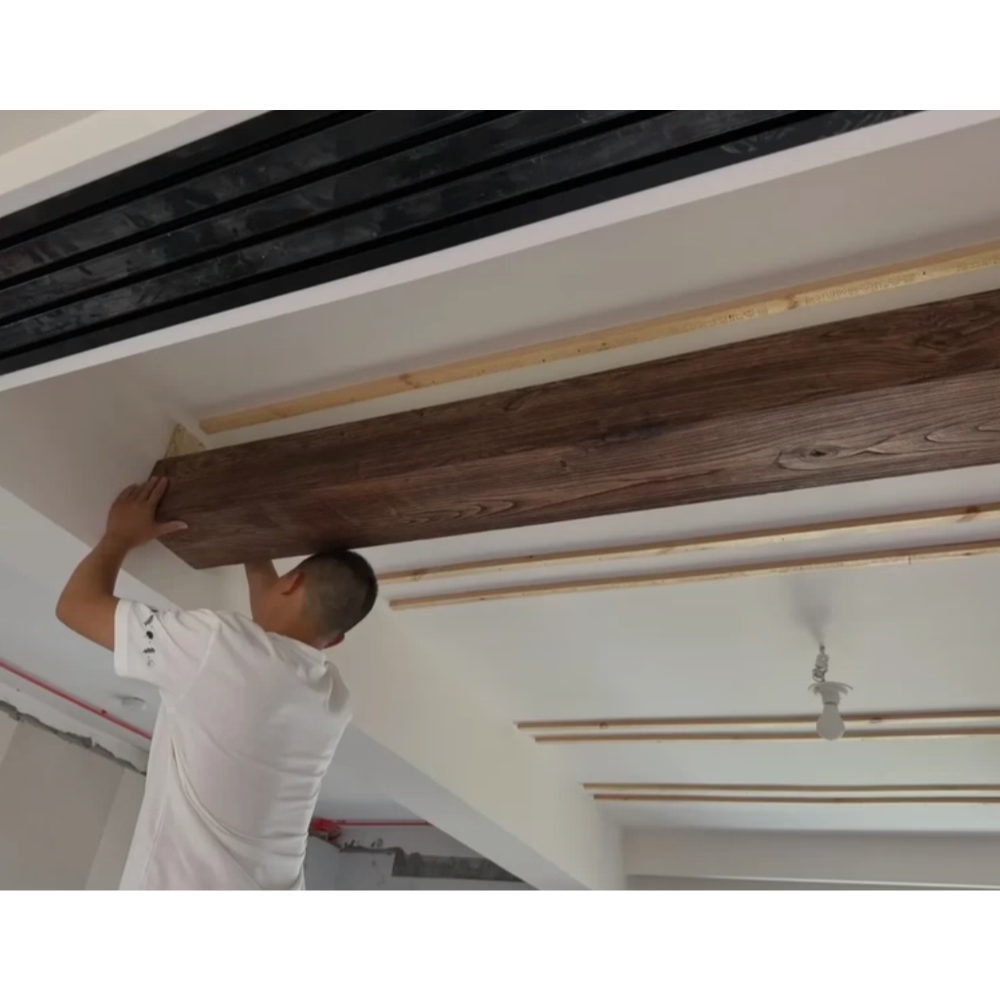
Handcrafted-look polyurethane beams install identically to other faux beam products. Lightweight handling, straightforward fastening, and no finishing requirements streamline installation compared to genuine timber.
The consistent dimensions that molded production provides simplify layout and installation planning. Unlike timber where each piece requires individual measurement and fitting, polyurethane beams arrive with predictable characteristics.
Cost Considerations
Handcrafted-look beams cost more than simple profile beams but less than genuine antique timber with comparable character. This middle positioning makes artisan aesthetics accessible without extraordinary expense.
Total installed cost comparisons favor polyurethane over genuine timber when labor, finishing, and maintenance factors are included. The elimination of on-site finishing alone can justify material cost premiums.
Selecting Quality Products
Not all handcrafted-look beams achieve equivalent authenticity. Examining production techniques and surface details helps identify quality:
Mold quality determines texture reproduction fidelity. Premium manufacturers invest in pattern development that captures genuine handcraft character.
Material formulation affects surface quality and durability. Premium polyurethane formulations resist surface blemishes and maintain detail definition.
Finish application techniques influence final appearance. Quality finishes enhance rather than obscure texture character.
Request physical samples that represent actual production quality before committing to purchases. Photography cannot convey the tactile qualities that distinguish quality products.
Care and Maintenance
Handcrafted-look beams require minimal maintenance beyond occasional dusting and cleaning. Mild detergent solutions remove accumulated grime without damaging finishes or textures.
Avoid abrasive cleaners or tools that could wear texture details over time. Soft cloths and gentle cleaning agents preserve surface character indefinitely.
Inspect mounting systems periodically to ensure continued secure attachment. While beams themselves are maintenance-free, the hardware connecting them to structures benefits from occasional verification.
Long-Term Value
The combination of authentic aesthetics and durable performance creates long-term value that budget alternatives cannot match. Handcrafted-look beams maintain their appearance for decades, making initial investments in quality products economical over building lifespans.
The timeless character of handcrafted aesthetics ensures these beams remain appropriate as design trends evolve. Unlike trendy finishes that date quickly, authentic craft character maintains appeal across changing fashion cycles.
Technical References
ASTM standards cited in every specification
Test Data
Lab results from internal testing program
Updated 2026
Reviewed against current product specs