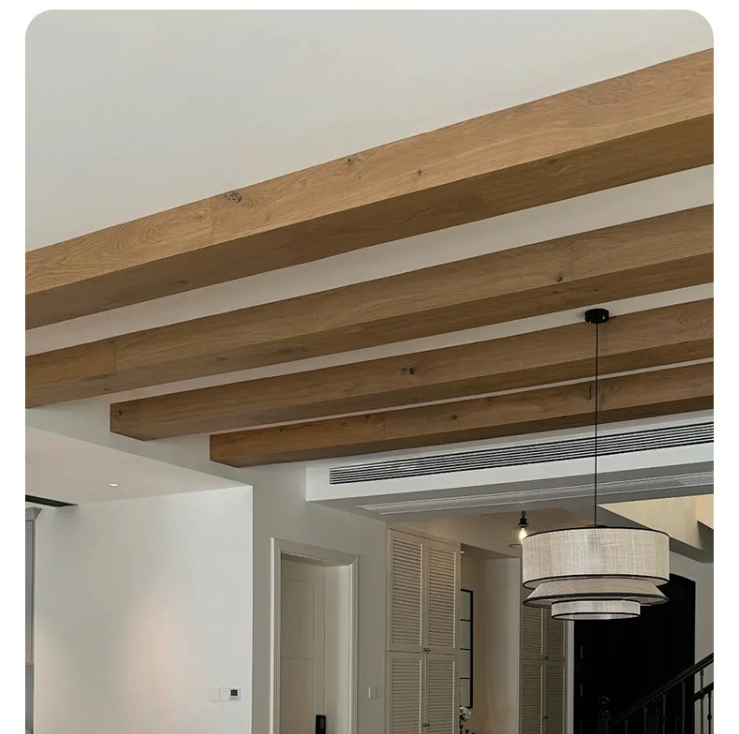
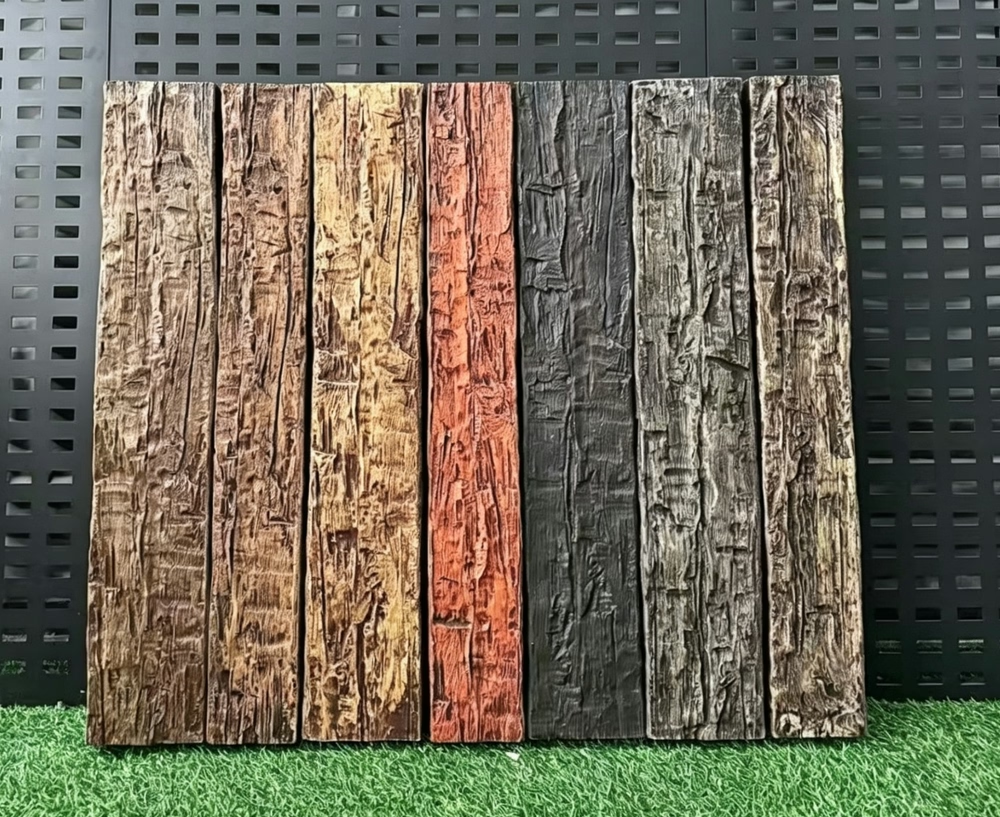
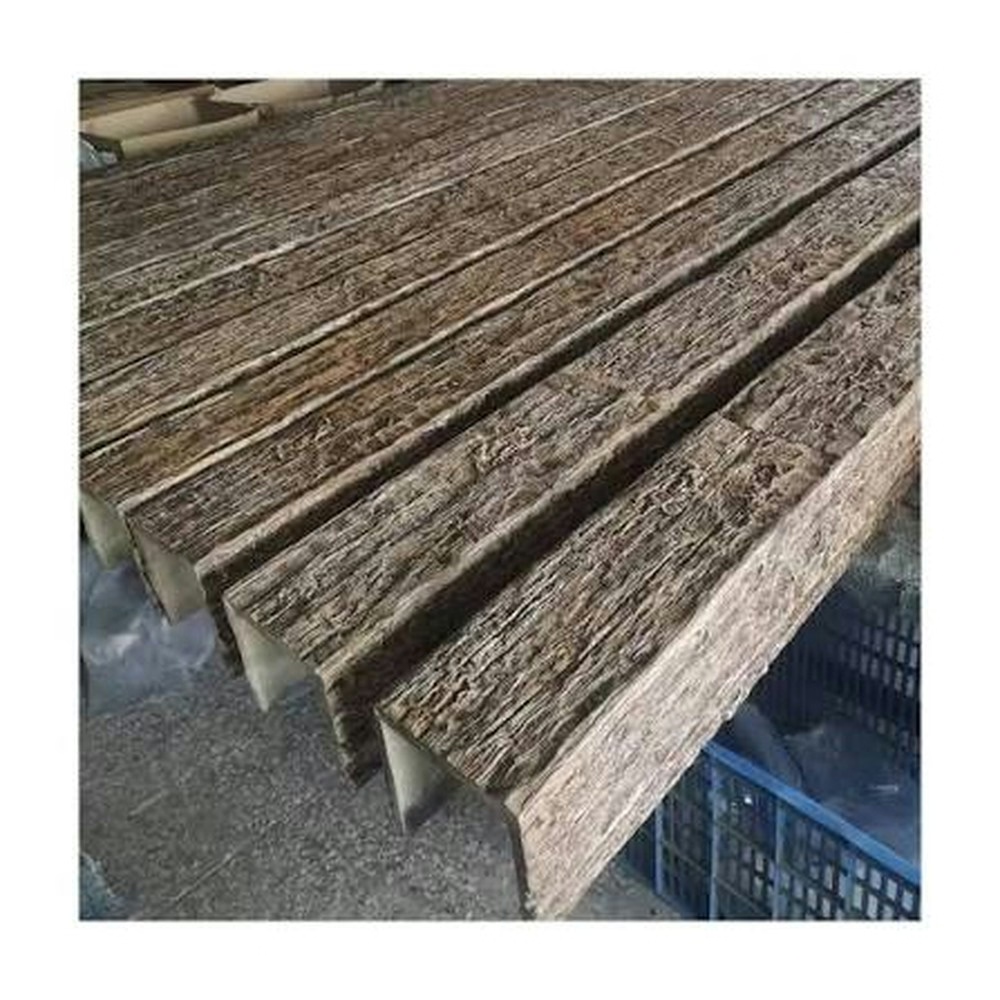
Artisan Hand-Hewn Molded Polyurethane Faux Wood Beams
The hand-hewn aesthetic has adorned architectural spaces for centuries, representing skilled craftsmanship that transformed raw timber into structural elements. Artisan hand-hewn molded polyurethane faux wood beams bring this time-honored tradition into modern construction with unprecedented accuracy and durability.
Historical Context of Hand-Hewn Construction
Before industrial sawmills produced dimensional lumber, carpenters created structural beams by hand. Working with axes, adzes, and hand planes, they shaped round timber logs into rectangular beams suitable for building construction.
This process left distinctive marks that became valued aesthetic characteristics. Homeowners and builders who appreciate hand-hewn beams today value exactly these traces of human craftsmanship—the evidence that skilled workers shaped these elements by hand.
Preserving this heritage in modern construction presents practical challenges. Genuine hand-hewn beams are scarce, expensive, and carry maintenance requirements that contemporary buildings may not accommodate.
Manufacturing Authentic Texture
Molded polyurethane technology enables authentic reproduction of hand-hewn texture. The process begins with careful study of genuine antique beams, documenting tool marks, wear patterns, and surface characteristics that define authentic hand-hewn appearance.
Master pattern makers then sculpt detailed replicas that capture every nuance of original surfaces. High-resolution scanning and digital modeling supplement traditional pattern-making techniques, ensuring that pattern details reflect genuine antique characteristics.
Production molds formed from these master patterns enable mass production of beams that look authentically hand-hewn. Each production beam carries the texture character of historic examples while benefiting from modern material performance.
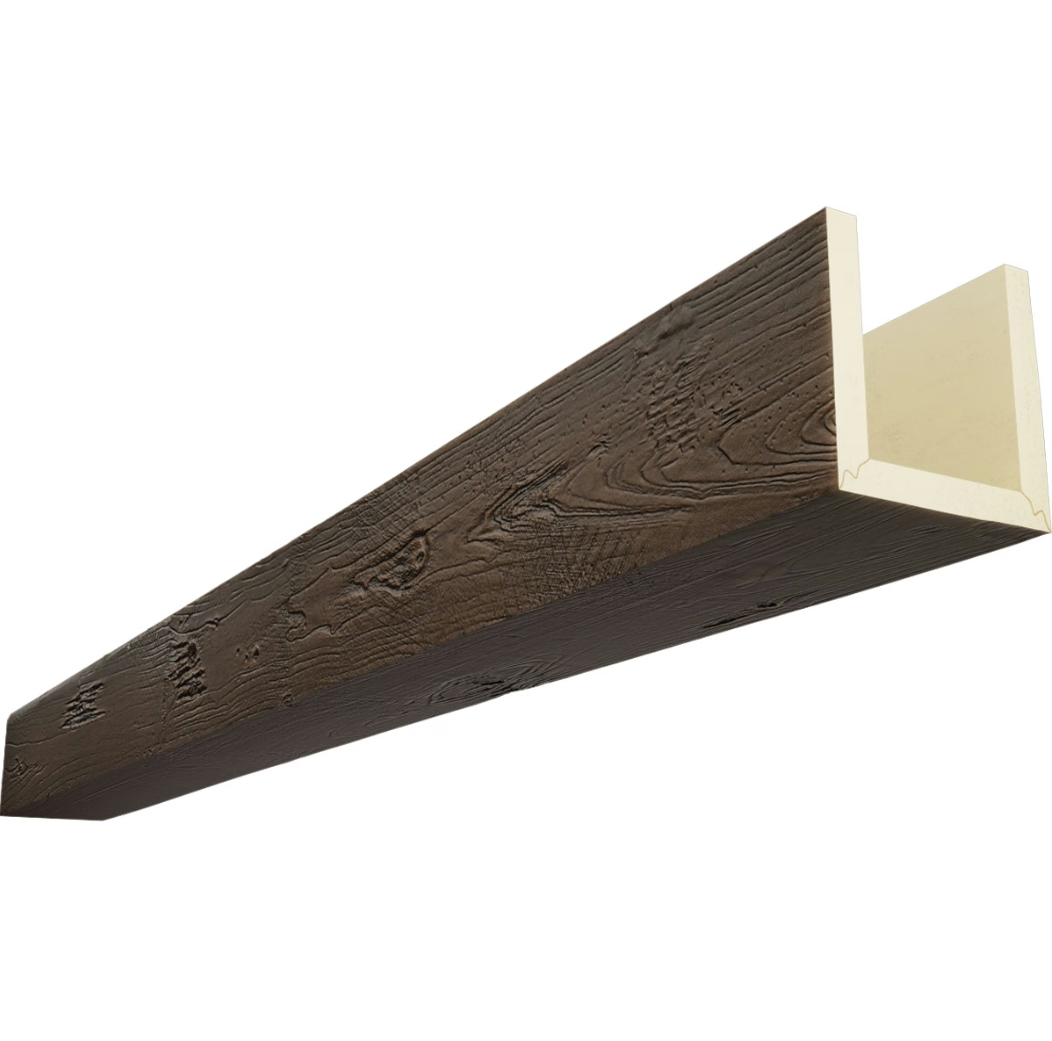
Characteristics of Quality Hand-Hewn Texture
Premium hand-hewn texture beams display multiple authentic characteristics:
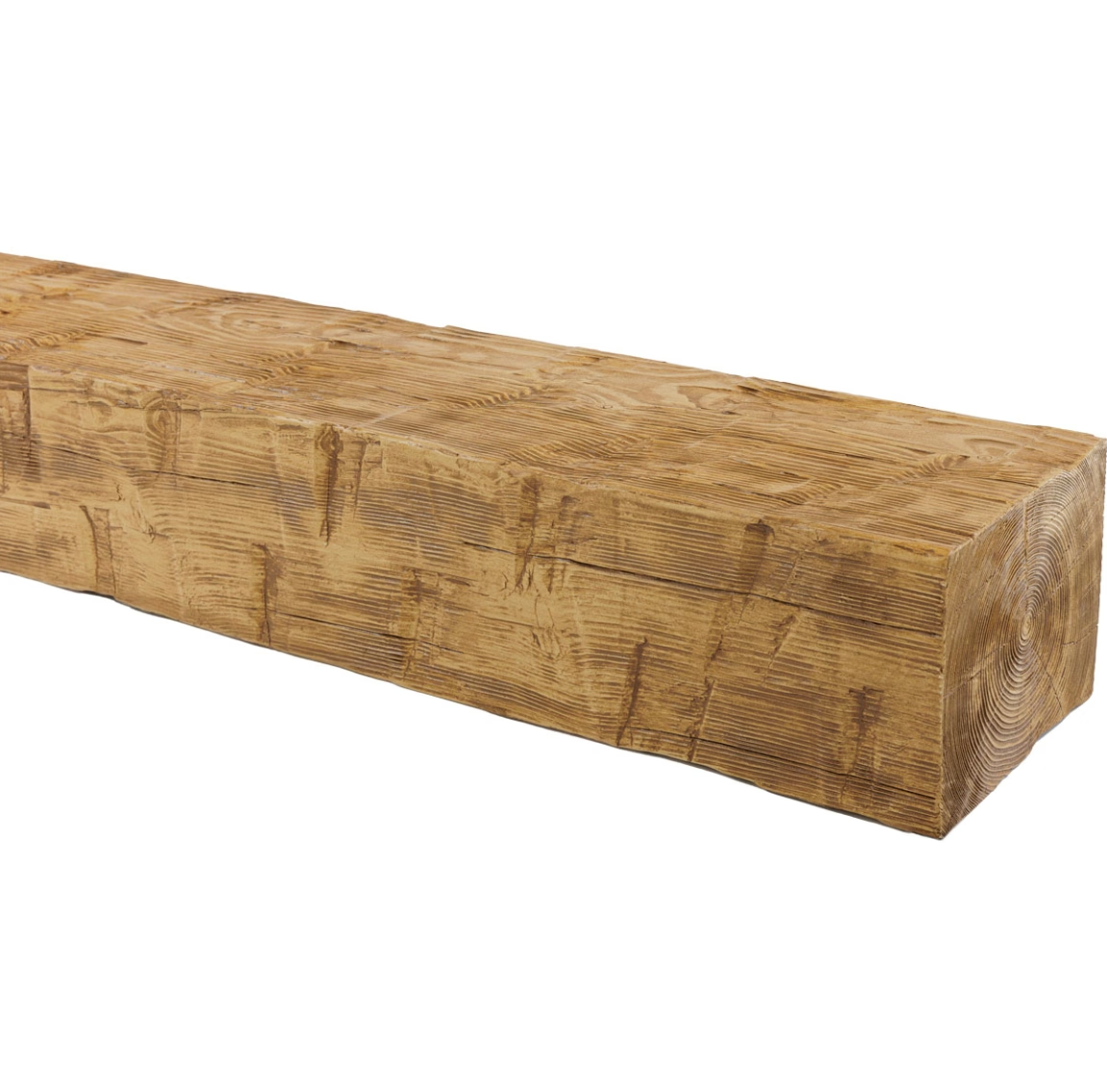
Axe hewing marks appear across major surfaces, typically running along the grain direction. These broad marks reference the primary shaping process that reduced log diameter to beam dimensions.
Adze working fills areas between axe marks, smoothing surfaces while maintaining texture. The characteristic curved adze pattern adds visual complexity and authentic craft reference.
Hand plane marks appear where final surfacing occurred, typically on bearing surfaces and visible faces. These fine marks overlay earlier tool work, creating layered texture that suggests genuine construction sequence.
Natural wood grain shows through texture treatment in areas of lighter working. This grain visibility adds depth and natural character that purely mechanical textures cannot achieve.
Application in Residential Design
Residential interiors embrace hand-hewn beams for their warmth and authentic character. Great rooms, living areas, and master bedroom suites gain architectural interest that supports comfortable, grounded living.
Kitchen installations have grown increasingly popular as homeowners recognize the visual impact of overhead wood character in spaces where families gather. The hand-hewn aesthetic complements both traditional and transitional kitchen designs.
Porch and covered patio applications extend hand-hewn aesthetics to outdoor living spaces. Premium exterior-rated polyurethane products maintain texture character despite environmental exposure.
Commercial and Hospitality Applications
Restaurant designers specify hand-hewn beams to create warm, welcoming atmospheres that encourage dining duration and repeat visits. The crafted character suggests careful attention to detail that extends to food preparation and service.
Boutique hotels use hand-hewn beams to differentiate properties from corporate chain competitors. Unique architectural character supports brand positioning that justifies premium room rates.
Retail spaces incorporate hand-hewn beams to create memorable shopping experiences. The warmth and craft character help transform commercial transactions into memorable experiences that build customer loyalty.
Installation Best Practices
Successful hand-hewn beam installation requires attention to texture protection and connection detailing:
Transport beams with protective covering to prevent texture damage. Padding beneath tied bundles prevents surface contact that could compress texture details.
Handle beams carefully during positioning, avoiding impacts against hard surfaces. While polyurethane resists damage better than wood, sharp impacts can compress or chip texture features.
Plan connection details to minimize visible hardware. Hand-hewn aesthetics conflict with obviously mechanical connections; concealed fastening preserves authentic appearance.
Dry-fit assembled configurations before permanent installation to verify fit and appearance. Field adjustments are easier before adhesive application.
Finish Selection and Application
Hand-hewn texture accepts various finish approaches depending on desired appearance:
Natural finishes with clear sealers preserve wood tone while protecting surfaces. Multiple coat applications ensure complete sealing without obscuring texture.
Stain finishing adjusts wood tones to match existing woodwork or achieve specific color goals. Testing on scrap material ensures acceptable color before full application.
Paint finishing can range from solid coverage to translucent washes. Lighter washes preserve texture visibility while neutralizing wood tones.
Quality Verification
Distinguishing quality hand-hewn beams from inferior products requires careful evaluation:
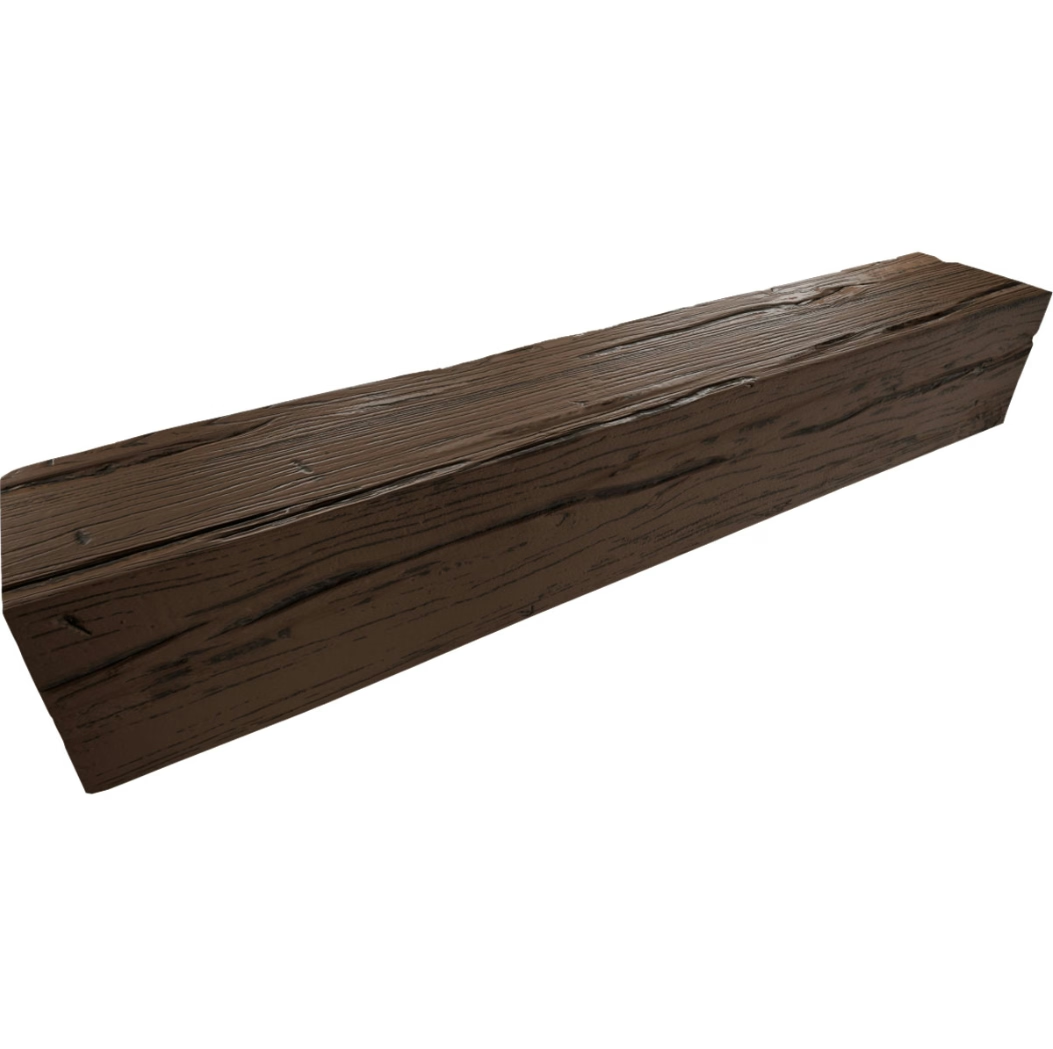
Texture depth should include genuine three-dimensional relief rather than flat surface treatment. Light and shadow should create natural visual interest.
Tool mark patterns should suggest authentic techniques rather than mechanical repetition. Variation between marks indicates genuine craft reference.
Edge definition should maintain character without appearing manufactured. Authentic beams show evidence of hand work at corners and ends.
Color application should enhance texture rather than obscure it. Finishes that flatten texture appearance indicate quality problems.
Long-Term Performance
Premium hand-hewn beams maintain appearance for decades without maintenance beyond occasional cleaning. The polyurethane composition resists moisture, insects, and environmental exposure that damage genuine timber.
This durability eliminates refinishing cycles that genuine timber requires. Initial investment in quality products provides long-term economy that budget alternatives cannot match.
Investment Value
Hand-hewn beams represent significant investment in architectural quality. While premium products cost more than simple beam profiles, the authentic character they provide justifies higher prices for projects where aesthetic quality defines success.
The timeless quality of hand-hewn aesthetics ensures continued appropriateness as design trends evolve. Unlike trendy finishes that date quickly, authentic craft character maintains appeal across generations.
Customization Opportunities
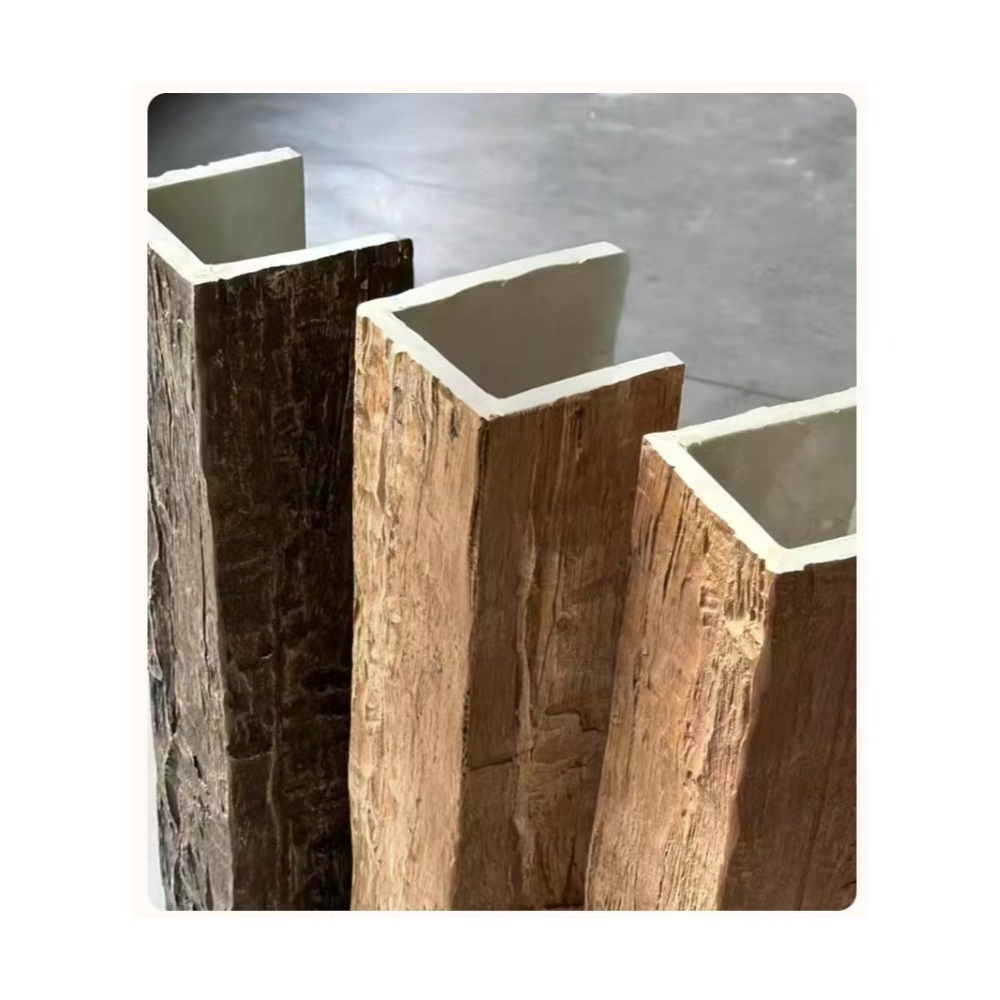
Manufacturers offering custom capabilities can modify standard hand-hewn patterns or develop unique textures for specific projects. Custom colors, special dimensions, and unique profile modifications expand design possibilities beyond standard offerings.
Lead time and cost premiums apply to custom development, but results can transform ordinary projects into distinctive architectural statements.
Technical References
ASTM standards cited in every specification
Test Data
Lab results from internal testing program
Updated 2026
Reviewed against current product specs