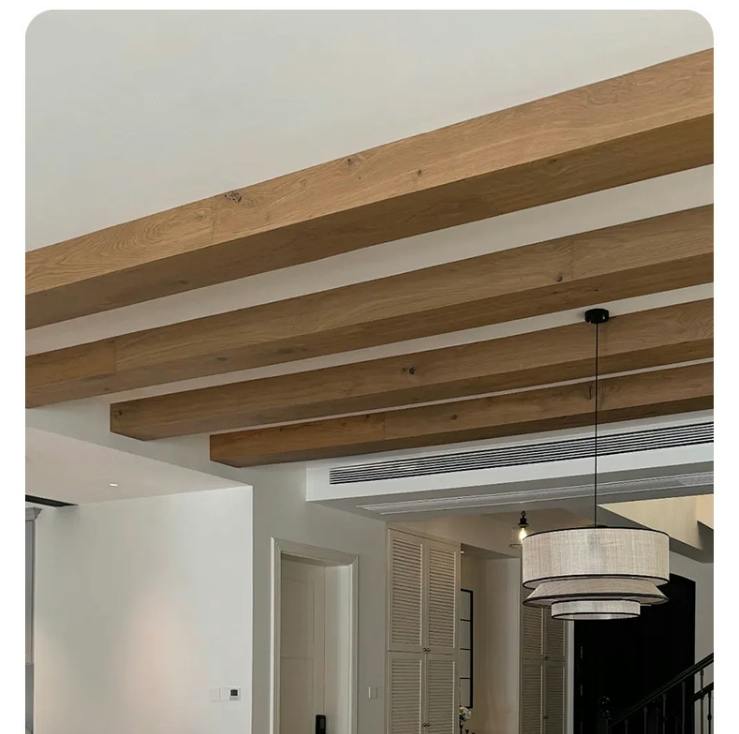
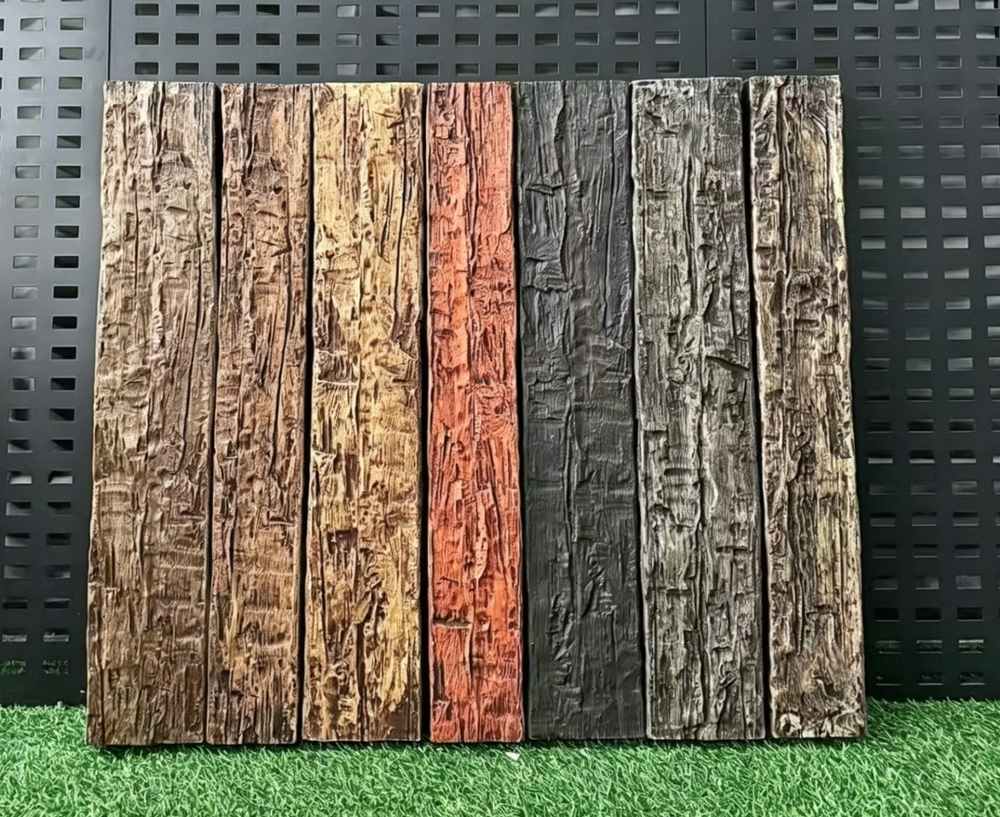
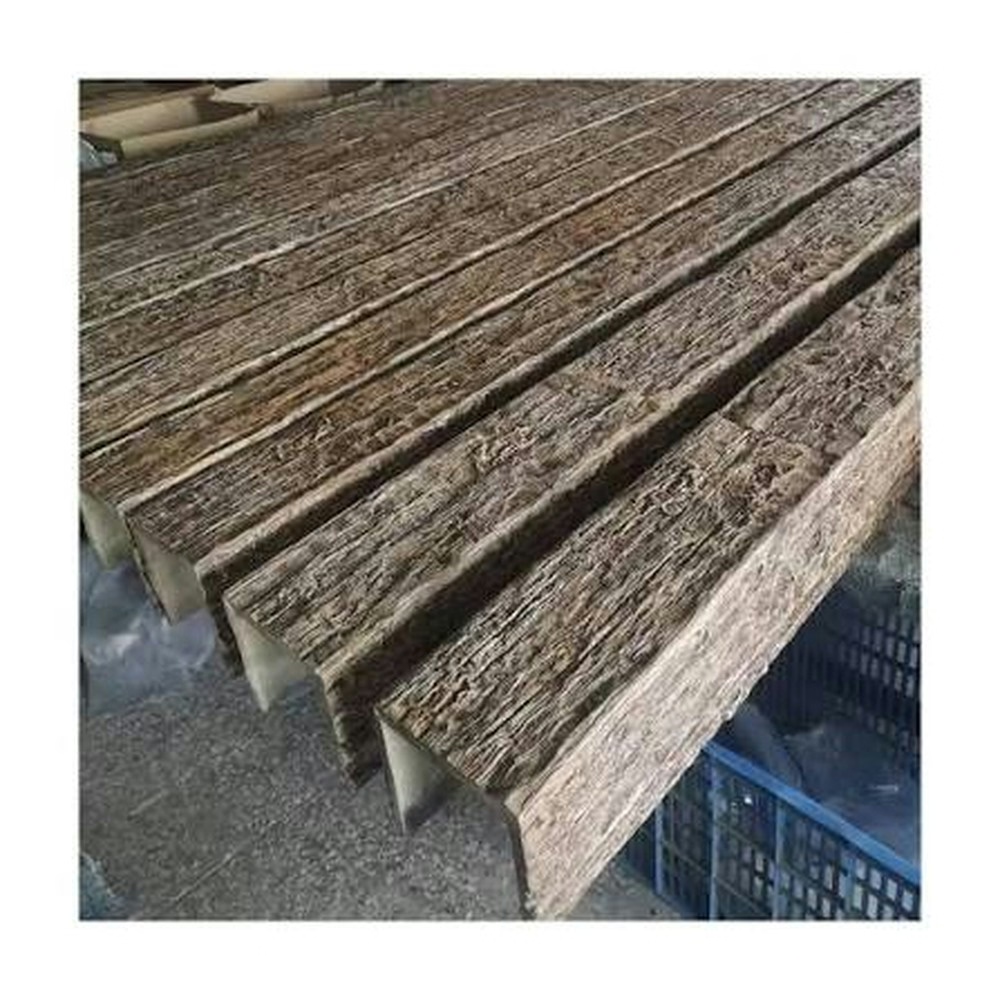
Artisan Hand-Hewn Textured PU Faux Beams for Organic Interior Styling
Organic interior styling emphasizes natural materials, flowing forms, and authentic connection to the natural world. Artisan hand-hewn textured polyurethane faux beams contribute warmth and crafted character that supports organic design principles while delivering practical performance advantages.
Organic Design Philosophy
Organic interior design emerged from architectural principles that prioritized human experience and natural harmony over mechanical aesthetics. This approach values materials that connect occupants to natural processes, forms that follow natural rhythms, and spaces that support human wellbeing.
Wood has always occupied a central position in organic design vocabulary. Its warmth, grain patterns, and tactile qualities engage human senses in ways that synthetic materials cannot match. Hand-hewn textures add craft dimension that amplifies wood's organic character.
The Hand-Hewn Connection to Nature
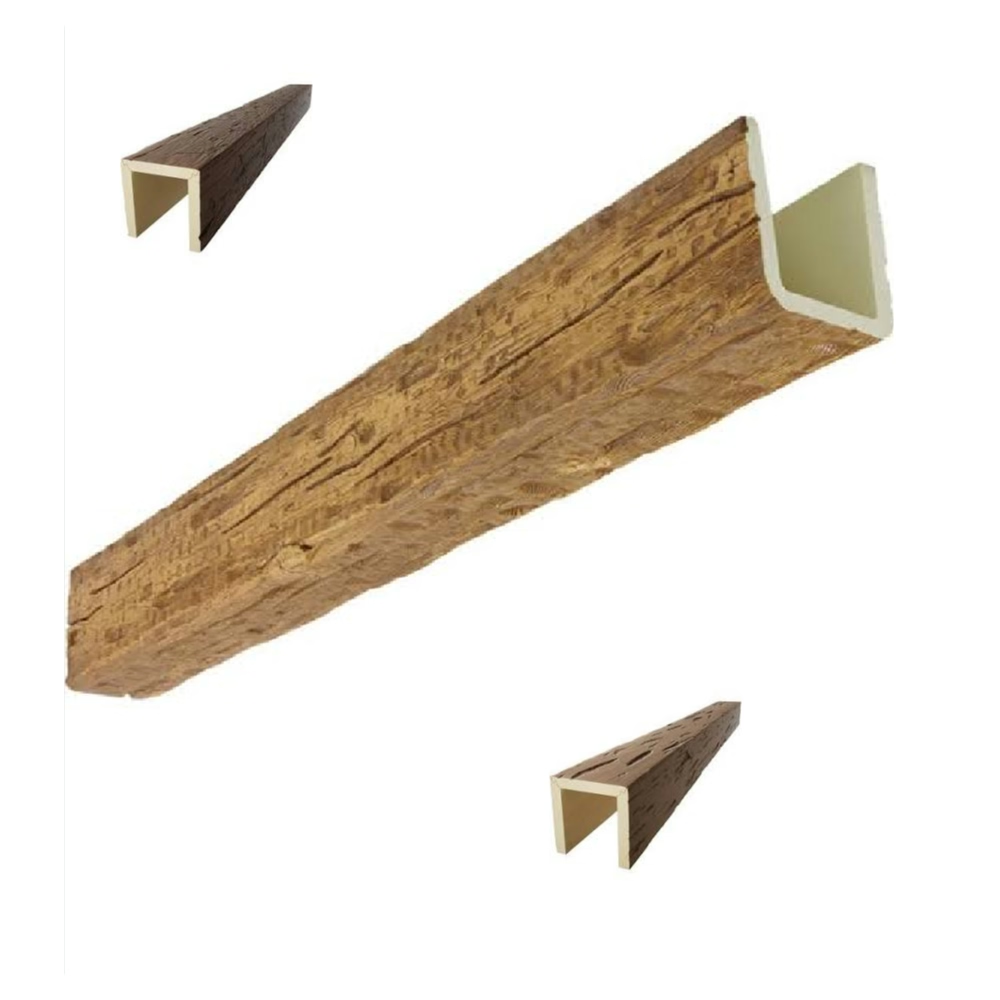
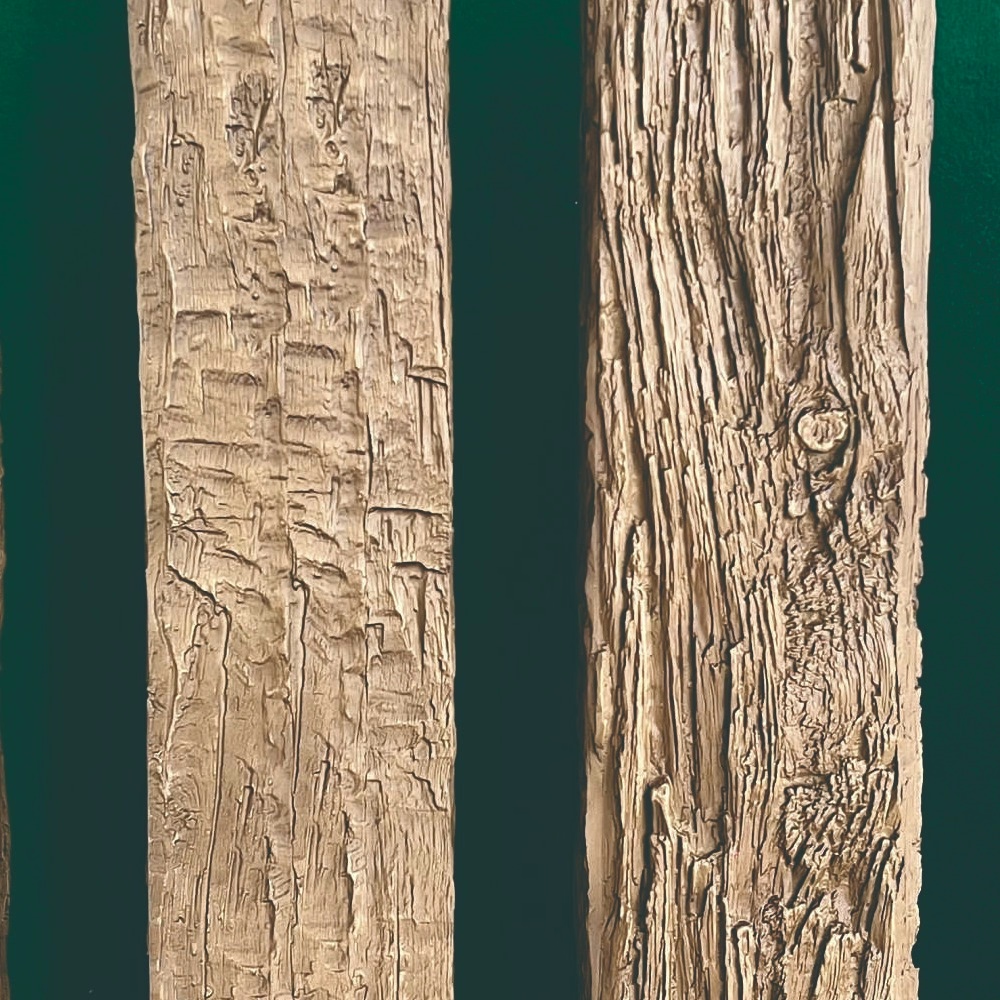
Hand-hewn surfaces record the interaction between human craft and natural material. Tool marks show where skilled workers shaped timber following wood's natural grain structure. The resulting textures reveal both human intention and natural material response.
This recorded process creates authenticity that machine surfaces lack. Industrial production eliminates human presence from finished surfaces; hand-crafted textures preserve evidence of maker involvement.
Organic interior styling seeks exactly this authentic connection. Spaces featuring hand-hewn beams feel inhabited and cared-for rather than manufactured and sterile.
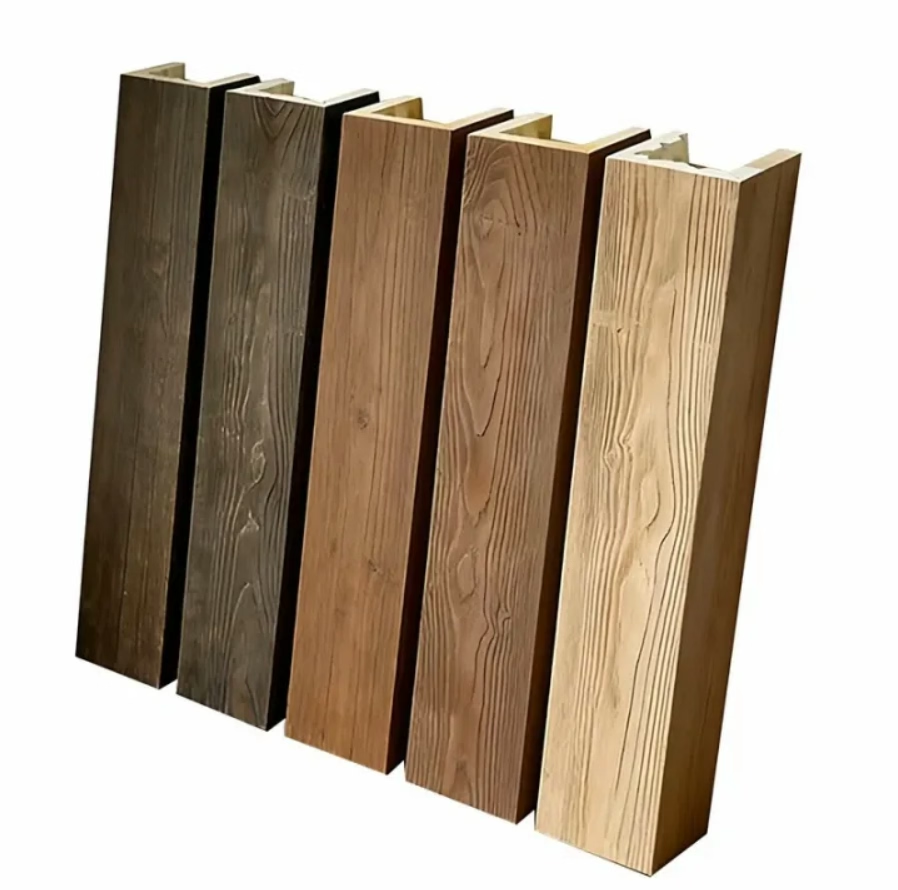
Texture Characteristics for Organic Spaces
Effective organic styling requires texture characteristics that support natural aesthetic goals:
Soft, flowing tool marks rather than aggressive mechanical patterns. The organic aesthetic favors gentle surface variation over harsh industrial regularity.
Natural material color relationships that reference living trees rather than industrial treatments. Warm wood tones enhance organic character; cool or artificial colors undermine it.
Proportioned relief that creates visual interest without harsh shadows. Organic spaces favor gentle transitions rather than dramatic contrasts.
Variation between pieces that suggests natural diversity rather than production uniformity. Slight differences between beams reinforce organic authenticity.
Color and Finish Considerations
Organic interior styling typically employs finishes that preserve natural material appearance:
Clear finishes with minimal color tint allow wood's natural warmth to show through. Water-based sealers provide protection without introducing artificial color.
Natural oil finishes penetrate wood surfaces to enhance grain visibility while providing modest protection. These finishes require more maintenance but achieve authentic natural appearance.
Tinted washes reduce saturation while preserving color variation that adds organic character. Diluted paint or pigment applications create layered tonal effects.
Coordinating with Other Organic Elements
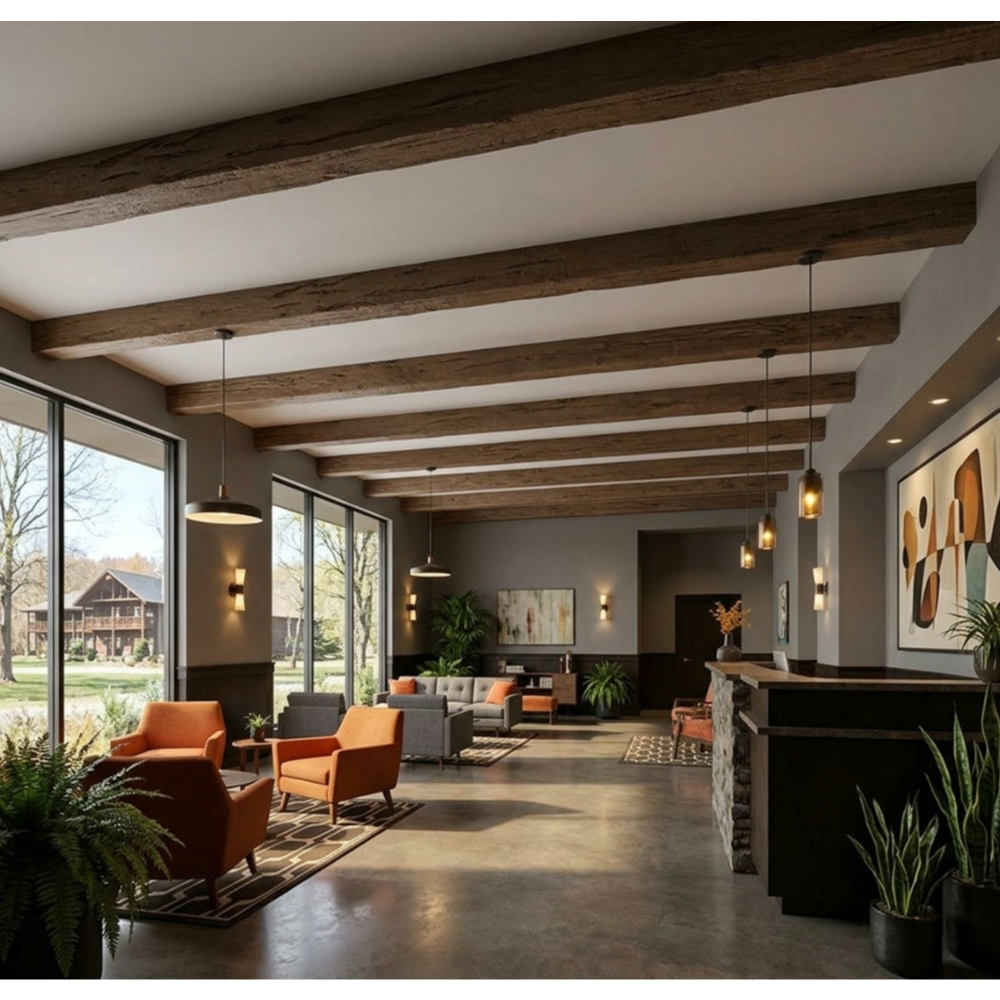
Beams integrate successfully with complementary design elements:
Natural stone surfaces in walls and flooring create material harmony that enhances organic character. Stone's weight and permanence complement wood's warmth.
Plant materials add living organic elements that connect interior spaces to natural ecosystems. Greenery placement near beams emphasizes their natural character.
Natural fiber textiles including cotton, linen, and wool provide tactile organic experiences that reinforce ceiling beam aesthetics.
Unglazed ceramics and earthenware introduce earth-toned organic forms that harmonize with wood's natural origins.
Psychological Benefits of Organic Elements
Research documents psychological benefits from natural material exposure:
Reduced stress responses in spaces featuring natural materials compared to synthetic environments.
Enhanced mood and wellbeing in interiors with visible wood elements.
Improved cognitive performance attributed to biophilic design elements.
These benefits support the case for organic styling that includes hand-hewn beam installations. The aesthetic choices produce measurable improvements in occupant experience.
Installation Approaches for Organic Aesthetics
Organic design principles influence installation technique as well as material selection:
Irregular placement can suggest authentic timber frame origins rather than decorative afterthought. Strategic positioning creates visual interest without rigid symmetry.
Layered beam sizes create depth and visual complexity that organic spaces favor. Primary beams carry major visual weight; secondary beams add detail.
Integrated lighting design enhances texture perception without creating harsh contrasts that feel mechanical.
Performance Advantages for Organic Installations
Polyurethane construction supports organic design goals through practical performance:
Dimensional stability ensures that organic aesthetic intent remains intact indefinitely. Beams will not warp, twist, or develop cracks that require attention.
Moisture resistance enables organic beam installation in spaces where genuine timber would fail. Bathrooms, greenhouses, and pool areas accommodate polyurethane.
Thermal performance contributes to energy efficiency that aligns with environmental values often associated with organic design.
Maintenance Philosophy
Organic interiors often emphasize low-maintenance materials that age gracefully rather than requiring active care. Polyurethane beams fit this philosophy perfectly:
No periodic refinishing, sealing, or staining required.
Simple cleaning with mild detergents maintains appearance indefinitely.
No repair work for surface damage that doesn't occur under normal conditions.
This maintenance-free character aligns with organic design's appreciation for natural processes that require minimal human intervention.
Regional and Cultural Variations
Organic design expression varies across cultural contexts:
Japanese organic aesthetics favor clean lines, natural materials, and serene simplicity. Hand-hewn textures with restrained character suit these sensibilities.
Scandinavian organic design emphasizes light woods, functional minimalism, and hygge comfort. Paler hand-hewn beam finishes complement these northern European traditions.
Mediterranean organic styles embrace warm tones, rustic textures, and relaxed atmospheres. Richer hand-hewn character with pronounced texture supports these southern European influences.
Sustainability Connection
Organic interior design often intersects with environmental values. Polyurethane beams support sustainability objectives through:
Extended service life that reduces replacement frequency and resource consumption.
Elimination of timber harvesting for decorative applications.
Reduced maintenance chemical consumption over product lifetimes.
These environmental advantages complement the aesthetic qualities that organic design seeks.
Long-Term Design Sustainability
Unlike trend-driven design choices, organic aesthetics maintain relevance across changing fashion cycles. The timeless quality of hand-hewn character ensures continued appropriateness as design trends evolve.
This sustainability makes organic beam installations sound long-term investments. Homeowners can expect to appreciate their beam installations for decades without feeling that design choices have dated poorly.
Professional Design Support
Achieving cohesive organic interiors benefits from professional design guidance. Interior designers experienced with organic aesthetics understand material coordination, proportion, and detail resolution that ensure successful outcomes.
Design fees return value through avoided purchasing mistakes and reduced installation problems. Professional involvement typically improves final results significantly compared to DIY efforts without design guidance.
Investment Considerations
Quality artisan beams represent meaningful investment in interior character. While premium products cost more than basic alternatives, the authentic organic character they provide justifies higher prices for projects where aesthetic quality is paramount.
Total installed costs for quality polyurethane beams often compare favorably with genuine timber when finishing, maintenance, and replacement factors are included.
Technical References
ASTM standards cited in every specification
Test Data
Lab results from internal testing program
Updated 2026
Reviewed against current product specs