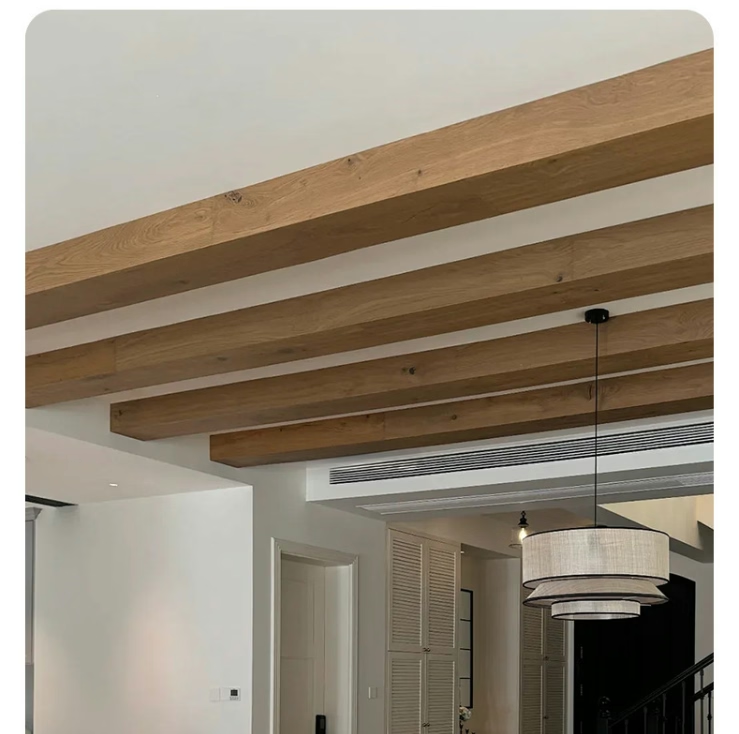
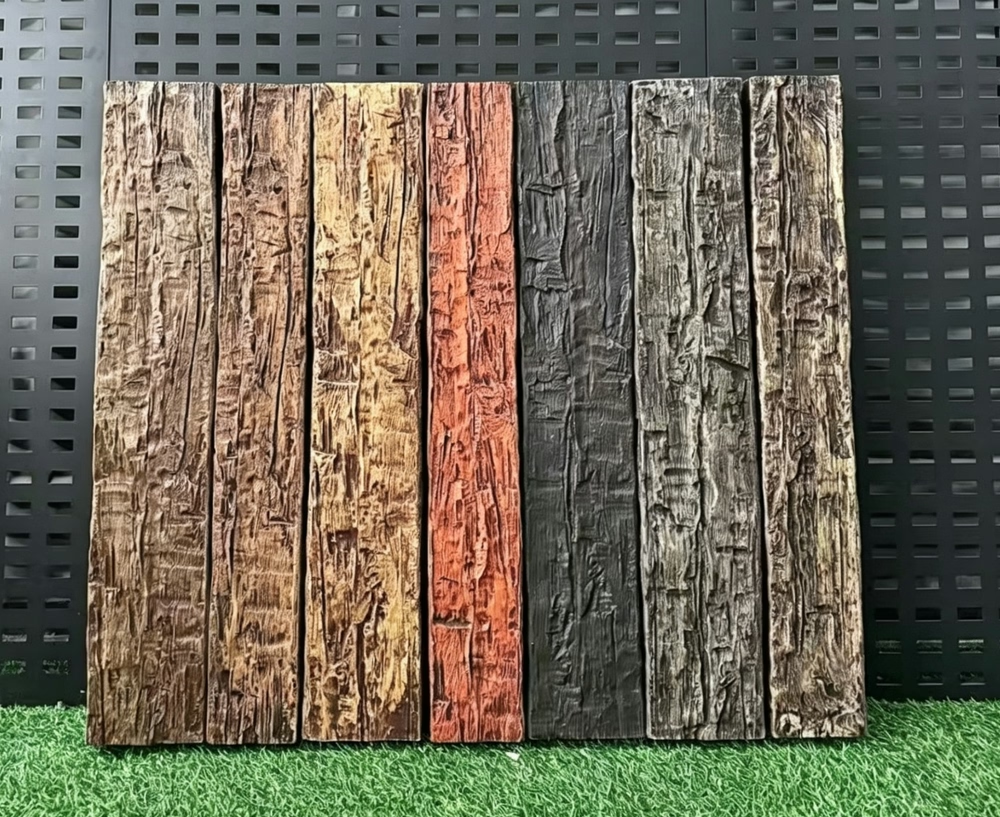
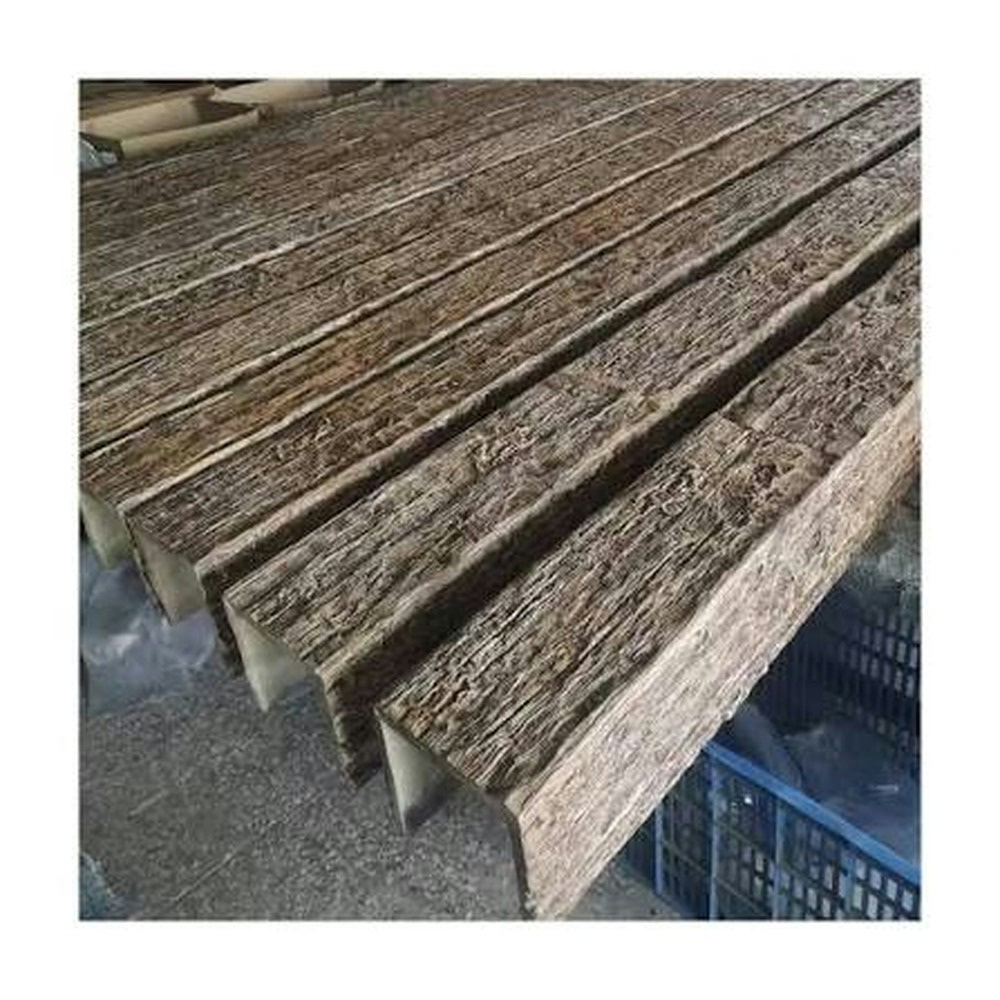
Artisan Hand-Painted Custom PU Faux Beams for One-of-a-Kind Decor
Custom hand-painted polyurethane faux beams transform standard architectural elements into unique artistic statements. This customization approach delivers spaces that reflect individual personality while maintaining the practical advantages of modern materials.
The Appeal of Hand-Painted Customization
Mass production creates consistency that serves most applications effectively. However, some projects demand elements that cannot be achieved through standard product offerings. Hand-painted custom beams provide creative freedom that addresses these exceptional requirements.
Designers and homeowners with specific visions that standard finishes cannot achieve benefit from custom painting capabilities. The ability to specify exact colors, create unique finish effects, and coordinate precisely with other design elements distinguishes custom work from catalog products.
Custom Painting Techniques
Artisan painters employ various techniques to achieve distinctive beam appearances:
Color matching integrates beams with existing architectural elements or specific design palettes. Precise color matching ensures visual harmony that standard finishes cannot guarantee.
Gradient effects create tonal transitions across beam surfaces that suggest natural aging or deliberate artistic treatment. These effects require skilled brush or spray technique application.
Stenciled patterns add decorative motifs to beam surfaces. Distressed or antiqued stencil work creates layered visual interest that plain surfaces lack.
Hand-lettering or signage applications incorporate text elements into beam designs. House numbers, family names, or meaningful phrases become integral beam features.
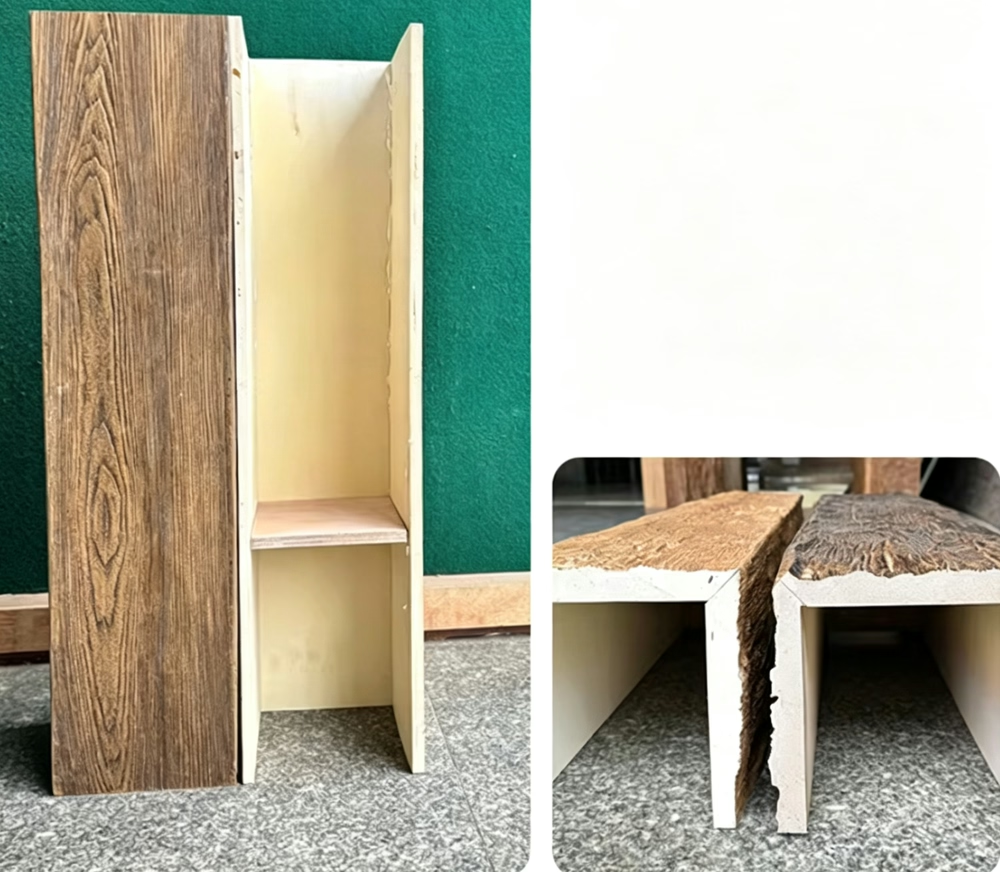
Design Applications for Custom Beams
Custom-painted beams serve various design objectives:
Coordinate beams with furniture finishes, wall colors, or accent elements that standard products cannot match. Custom painting ensures perfect coordination across all design elements.
Create statement pieces that serve as focal points within interior compositions. Dramatic color choices or artistic treatments draw attention and establish design themes.
Honor architectural heritage by matching beams to existing historic elements. Custom finishing enables seamless integration between new construction and preserved original details.
Express personal creativity through unique finish applications that reflect homeowner personality. Custom beams become conversation pieces that distinguish homes from comparable alternatives.
The Custom Finishing Process
Professional custom finishing involves systematic process steps:
Initial consultation establishes design objectives, color preferences, and finish characteristics. Reference images, physical samples, and color swatches guide discussion.
Surface preparation ensures proper paint adhesion. Light sanding, cleaning, and potentially primer application create suitable painting surfaces.
Finish design develops specific techniques to achieve desired effects. Test applications on sample material verify technique effectiveness before production work begins.
Production finishing applies techniques developed during design phase to actual beam surfaces. Multiple applications and drying intervals ensure durable, even results.
Quality inspection verifies finish quality before shipment. Problem areas receive correction before products leave finishing facilities.
Color Selection Guidance
Successful custom color selection considers multiple factors:
Existing color relationships should coordinate with beams rather than competing. Neutral backgrounds allow beams to stand out; busy backgrounds may require more subdued beam colors.
Lighting conditions affect color perception significantly. Natural daylight, incandescent, and fluorescent lighting create different color impressions. Test colors under actual installation lighting before committing.
Finish sheen influences color appearance and durability. Matte finishes reduce color intensity but hide surface imperfections; satin and semi-gloss finishes enhance color richness but show more surface variation.
Color psychology affects mood and atmosphere. Warm tones create inviting, cozy environments; cool tones establish calm, professional atmospheres.
Coordinating with Other Design Elements
Custom beams work most effectively when integrated with comprehensive design planning:
Furniture finishes should relate to beam colors without exact matching that appears overly coordinated. Complementary tones create visual interest; identical matches feel forced.
Textile selections including rugs, draperies, and upholstery benefit from relationship planning with beam colors. Multiple accent colors in fabrics provide flexibility in beam color selection.
Hardware finishes on lighting, cabinetry, and architectural metals should harmonize with beam tones. Metal color warmth should match wood undertones.
Premium Pricing for Custom Work
Custom hand-painted beams command premium pricing that reflects:
Additional labor for artisan painting techniques that factory automation cannot replicate.
Design consultation time that develops appropriate custom solutions.
Material costs for premium paints, primers, and finishing products.
Quality verification processes ensuring satisfactory custom results.
These premiums are justified when standard products cannot achieve project objectives. Projects with flexible budgets benefit from custom capabilities; budget-constrained projects should verify that custom work is essential rather than merely desirable.
Turnaround Time Considerations
Custom finishing requires additional production time beyond standard lead times:
Design development and approval typically requires one to two weeks depending on complexity.
Finish production and curing adds two to four weeks depending on techniques employed.
Quality verification before shipment requires final review time.
Total custom project timelines may extend six to ten weeks from initial consultation to shipment, compared to two to four weeks for standard products. Project schedules should accommodate these extended timelines.
Sample and Approval Process
Professional custom finishers provide samples and approval opportunities:
Initial concept samples demonstrate proposed techniques and color approaches.
Refinement iterations adjust samples based on client feedback until satisfactory results are achieved.
Pre-shipment verification confirms that production beams match approved samples.
This process protects clients from disappointing results and ensures that final installations meet expectations established during design development.
Care and Maintenance of Custom Finishes
Hand-painted finishes require slightly more care than factory-applied coatings:
Gentle cleaning with soft cloths and mild detergents preserves paint finish integrity.
Avoidance of harsh chemicals prevents finish degradation that could require touch-up.
Prompt attention to any damage prevents deterioration from spreading.
Professional touch-up services restore damaged finishes when needed, though exact color matching can be challenging.
Long-Term Durability
Quality hand-painted polyurethane beams provide long-term service despite their artisanal appearance:
Premium paints bond durably to polyurethane substrates.
Properly cured finishes resist scratching, chipping, and fading.
Sealant topcoats add protection that extends service life significantly.
With appropriate care, custom finishes maintain their appearance for years between potential touch-up needs.
Selecting Custom Finish Providers
Not all faux beam suppliers offer quality custom finishing capabilities:
Examine portfolio examples of previous custom work to assess artistic quality and technical competence.
Verify material handling and finishing processes that ensure consistent results.
Confirm warranty coverage for custom finish durability.
Request references from previous custom finish clients to verify satisfaction.
Quality custom finishing represents significant investment that deserves careful vendor evaluation.
Project Documentation
Maintain records of custom finish specifications for future reference:
Color formulas enable matching for future touch-ups or expansion.
Technique descriptions guide any future refinishing work.
Photo documentation preserves design intent for insurance or remodel purposes.
These records protect investments in custom finishing and facilitate future maintenance or expansion projects.
Technical References
ASTM standards cited in every specification
Test Data
Lab results from internal testing program
Updated 2026
Reviewed against current product specs