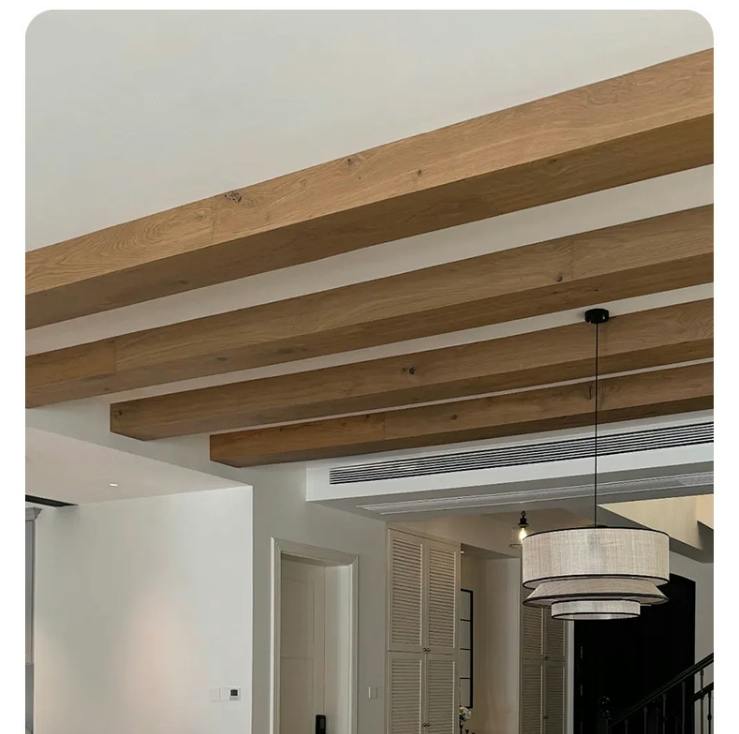
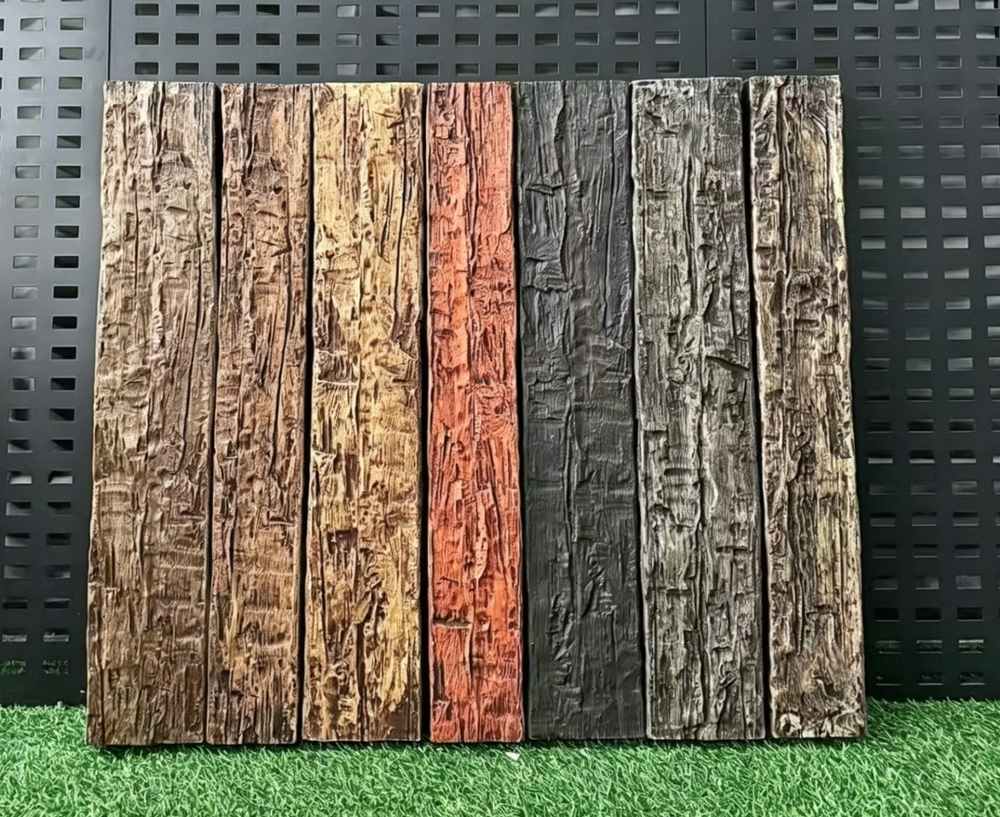
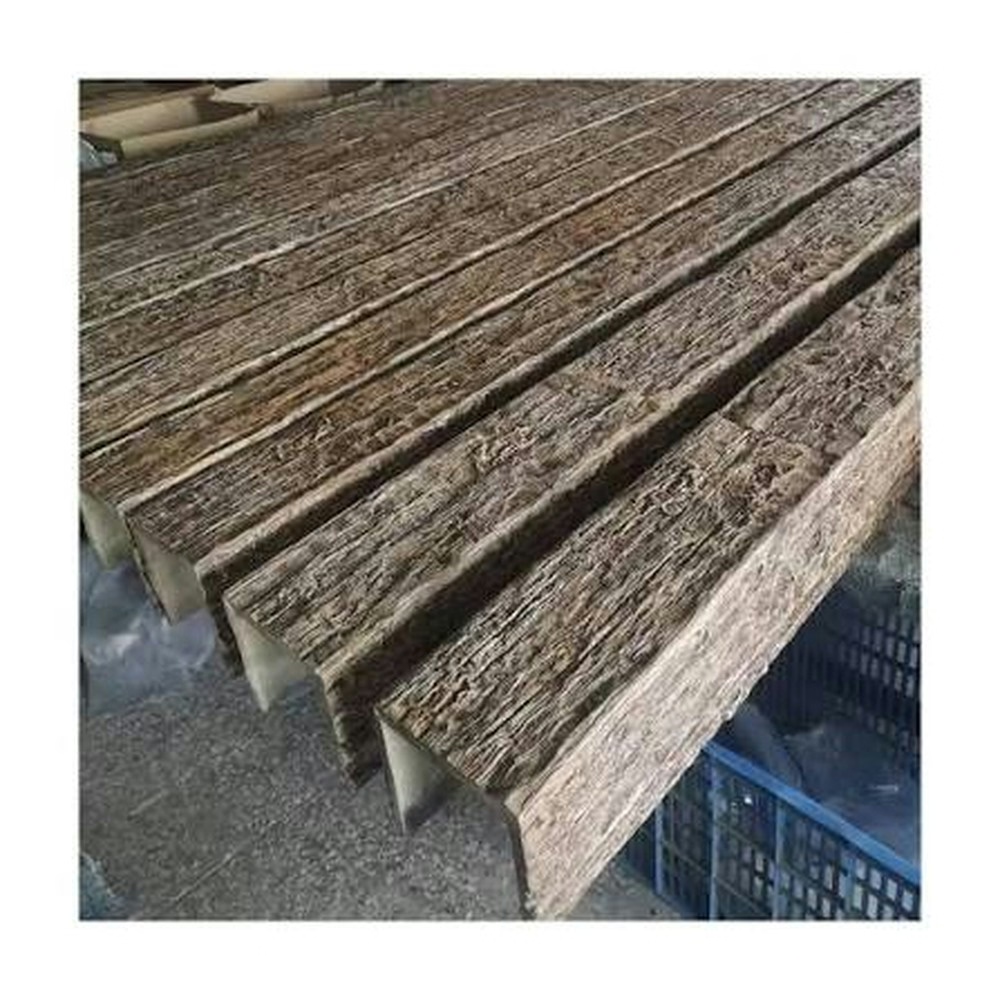
Assorted Various Length Faux Ceiling Beams for Flexible Installation
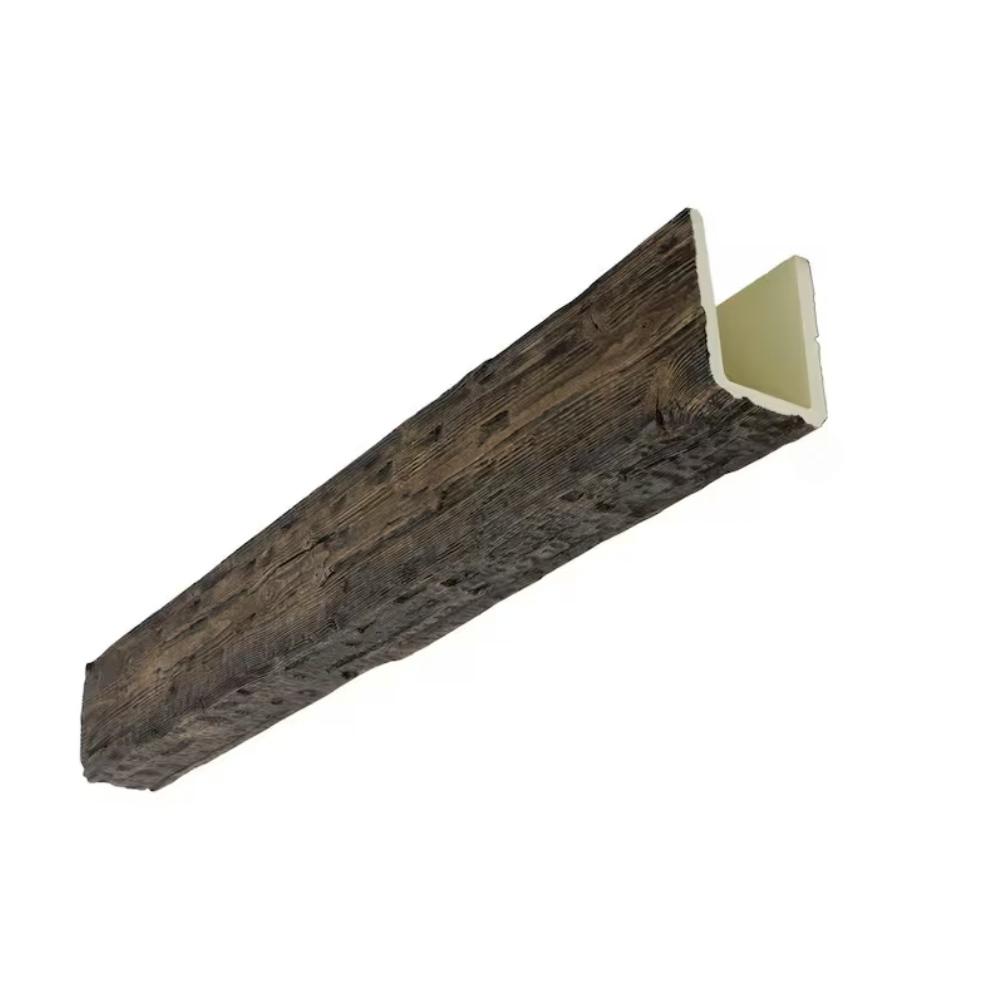
Flexible installation options expand design possibilities that rigid sizing constraints would limit. Assorted various length faux ceiling beams provide the dimensional variety that diverse ceiling conditions and design concepts require.
The Value of Length Variety
Ceiling conditions rarely match standard dimensional expectations:
Actual ceiling spans vary from design specifications due to construction tolerances and framing variations.
Room proportions create awkward spaces where standard lengths result in excessive waste or unsightly joints.
Design intentions may call for varied beam lengths that create visual interest through intentional asymmetry.
These realities demand product availability beyond single-length offerings.
Standard Length Offerings
Quality manufacturers produce beams in length ranges that accommodate most applications:
Common lengths span from four feet to sixteen feet, covering typical residential and commercial ceiling spans.
Half-length options provide additional flexibility for spaces with moderate dimensions.
Custom cutting services address non-standard requirements beyond available lengths.
This length range handles the majority of installation scenarios without special ordering.
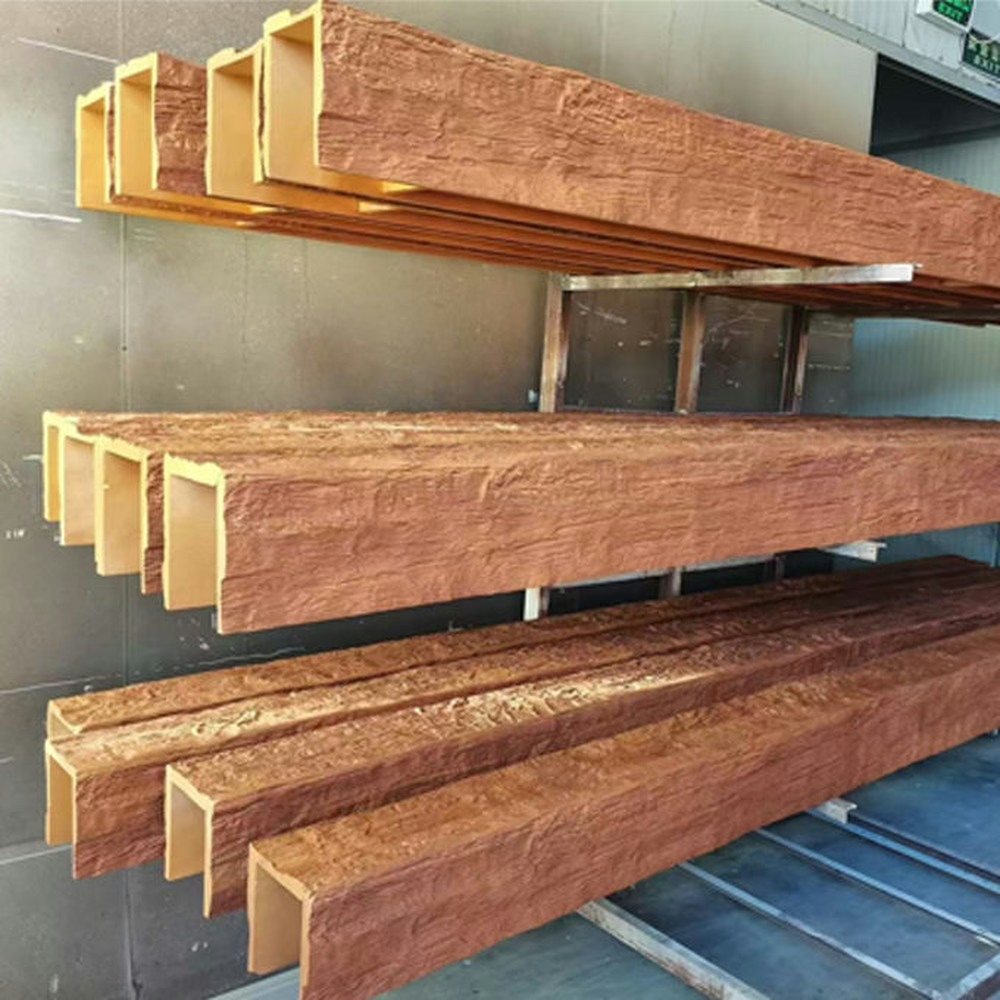
Length Selection Strategies
Effective length planning reduces waste and improves installation quality:
Measure actual ceiling dimensions before ordering, accounting for any variations across span lengths.
Plan beam placement to use full lengths where possible, minimizing joints that require field work.
Consider end treatment when selecting lengths. Finished ends at walls may require different approach than jointed spans.
Order conservative quantities initially, adding custom pieces if needed after seeing how standard lengths fit specific conditions.
Dealing with Non-Standard Ceilings
Unique ceiling conditions require creative length planning:
Sloped ceilings may require tapered beams or angled cuts that affect length calculations.
Irregular room shapes with multiple angles complicate length requirements.
Vaulted ceilings often feature multiple span lengths within single installations.
These conditions benefit from detailed measurement and potentially custom length ordering.
Joint Placement Considerations
Joints between beam sections require thoughtful placement:
Locate joints over structural elements where mounting hardware can secure both beam sections.
Space joints at intervals that maintain visual rhythm without creating obvious repetition.
Consider how joints align with beam pattern arrangement when multiple parallel beams are installed.
Disguising joints through texture matching or strategic placement ensures professional appearance.
Cutting Custom Lengths
Jobsite cutting adjusts standard lengths to exact requirements:
Measure twice, cut once remains essential despite modern measuring tools.
Support beam sections securely during cutting to prevent binding and ensure clean cuts.
Consider end appearance when cutting. Visible ends may require facing or end caps for finished appearance.
Sand cut edges smooth and apply matching finish before installation.
Bundle Planning for Projects
Large projects benefit from systematic length planning:
Create material takeoffs listing all required lengths by quantity.
Identify lengths that can be cut from longer stock to maximize efficiency.
Coordinate delivery timing to ensure materials arrive when needed without extended storage.
Document length requirements for future reference or replacement needs.
Architectural Design Applications
Varied beam lengths enable design approaches unavailable with uniform sizing:
Graduated lengths create visual flow that guides movement through spaces. Shorter beams near entry points transition to longer spans in main areas.
Asymmetrical arrangements embrace varied lengths as design features rather than problems to solve. This approach suits contemporary and eclectic aesthetics.
Accent beams in non-standard lengths create focal points that standard sizing could not achieve. These special pieces become memorable design elements.
Commercial Project Applications
Commercial installations often present challenging dimensional requirements:
Tenant improvement projects must accommodate existing conditions that vary from building to building.
Multi-property installations require lengths that work across different space configurations.
Renovation projects face dimensional constraints that new construction does not encounter.
Flexible length availability simplifies commercial procurement that uniform sizing would complicate.
Cost Implications of Length Selection
Length choices affect project costs in several ways:
Standard lengths typically offer best unit pricing due to efficient production and inventory management.
Custom lengths may incur premiums reflecting setup time and potential waste.
Cutting standard lengths into shorter pieces creates waste that increases effective cost per finished foot.
Strategic length selection optimizes both material costs and installation efficiency.
Storage and Handling of Multiple Lengths
Varied beam lengths require organized handling:
Store beams flat on supports that prevent sagging or warping.
Organize by length for efficient retrieval during installation.
Protect surfaces from damage during handling and storage.
Label beams with room locations to streamline installation sequence.
Installation Efficiency Considerations
Length variety affects installation workflow:
Begin with full-length beams where they fit, reserving cut pieces for final adjustments.
Work systematically across installation to avoid rehandling materials.
Have cutting tools ready for pieces requiring on-site adjustment.
Dry-fit complex arrangements before permanent fastening.
Quality Consistency Across Lengths
Premium manufacturers maintain quality regardless of length:
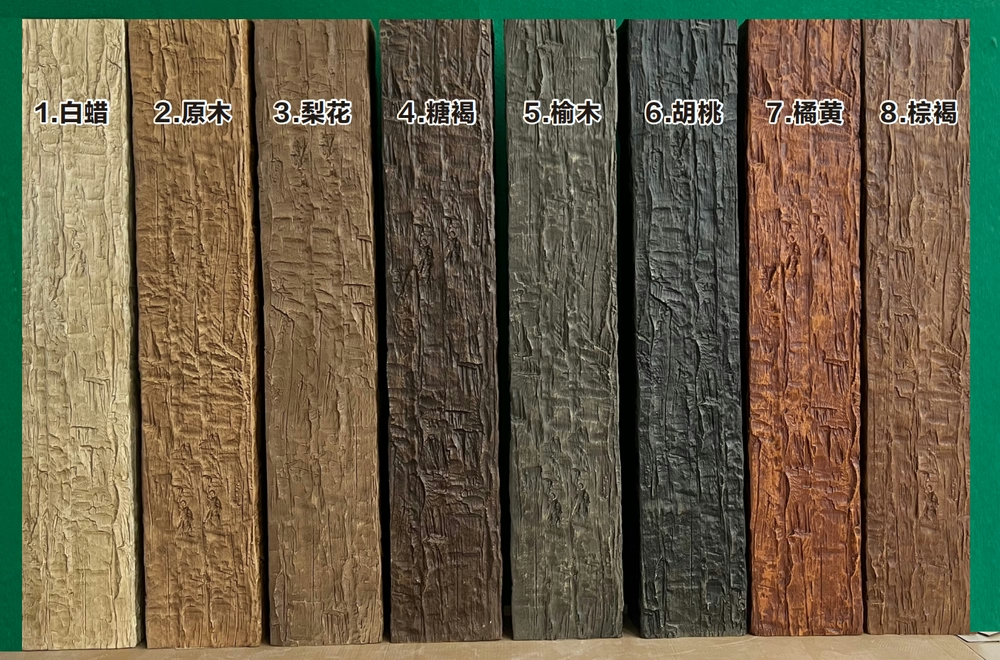
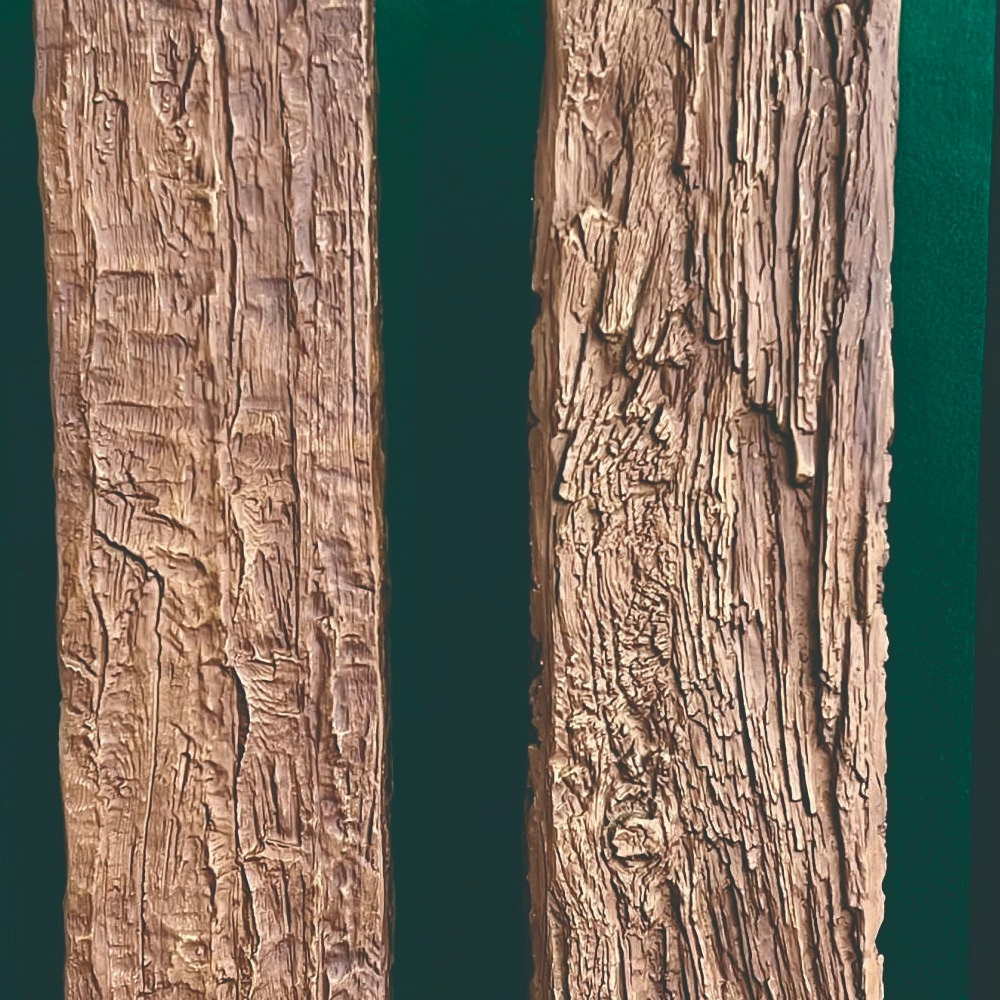
Surface texture consistency ensures that joints between pieces appear seamless.
Color uniformity across lengths prevents visible differences at joints.
Dimensional tolerance maintains consistent appearance and mounting compatibility.
Quality verification should extend across all lengths, not just longer pieces.
Planning for Future Needs
Thoughtful ordering considers future requirements:
Order spare lengths for potential repairs or modifications.
Document specifications for future reference.
Store remaining material in protected location for future needs.
These precautions protect investments and simplify future maintenance.
Working with Suppliers
Communication with suppliers improves length selection:
Discuss ceiling conditions and design intentions to get expert recommendations.
Request samples of different lengths to evaluate quality consistency.
Confirm lead times for non-standard lengths to avoid project delays.
Build supplier relationships that support future project needs.
Custom Length Services
Many manufacturers offer custom length capabilities:
Provide detailed specifications for custom length requirements.
Confirm pricing and lead times before ordering custom pieces.
Verify that custom lengths integrate properly with standard length offerings.
Custom capabilities expand possibilities when standard lengths cannot accommodate project needs.
Documentation for Future Reference
Maintain records that support future decision-making:
Record actual beam lengths installed for maintenance reference.
Document any custom modifications for future repairs.
Photograph completed installations for warranty claims or insurance purposes.
These records protect investments and simplify future coordination.
Summary
Assorted various length faux ceiling beams provide the flexibility that diverse installation requirements demand. Thoughtful length planning, quality material selection, and coordinated installation ensure successful outcomes that uniform sizing could not achieve.
The availability of varied lengths transforms challenging ceiling conditions from problems into opportunities for distinctive design solutions.
Technical References
ASTM standards cited in every specification
Test Data
Lab results from internal testing program
Updated 2026
Reviewed against current product specs