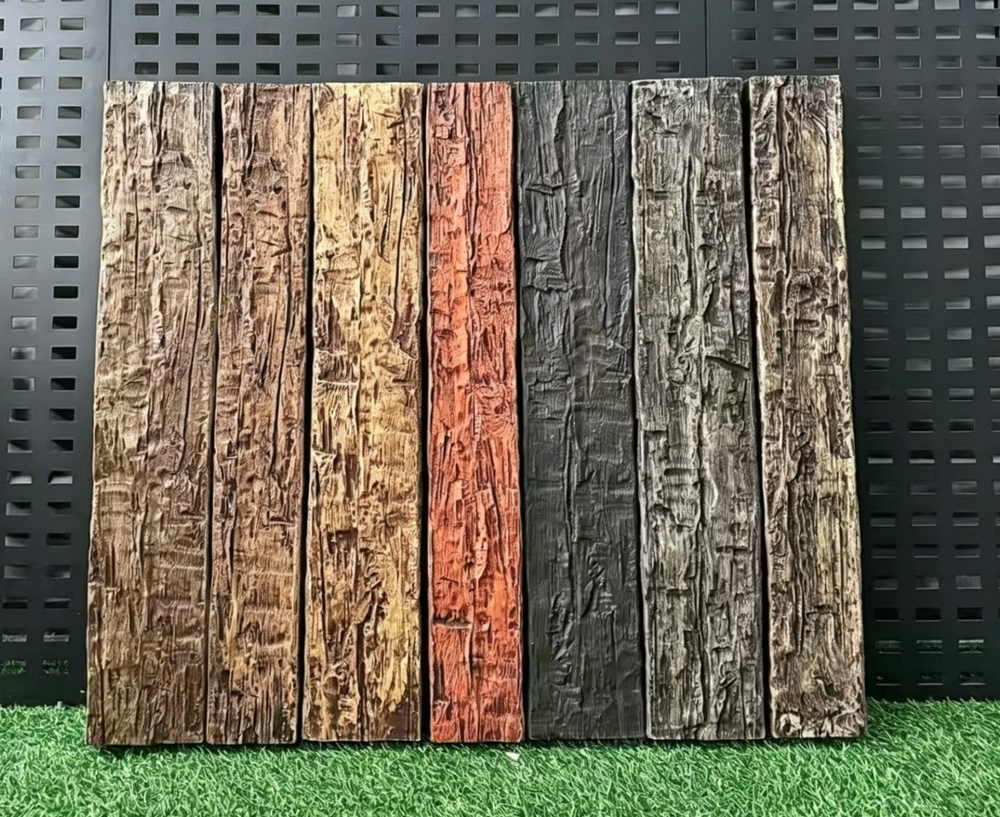
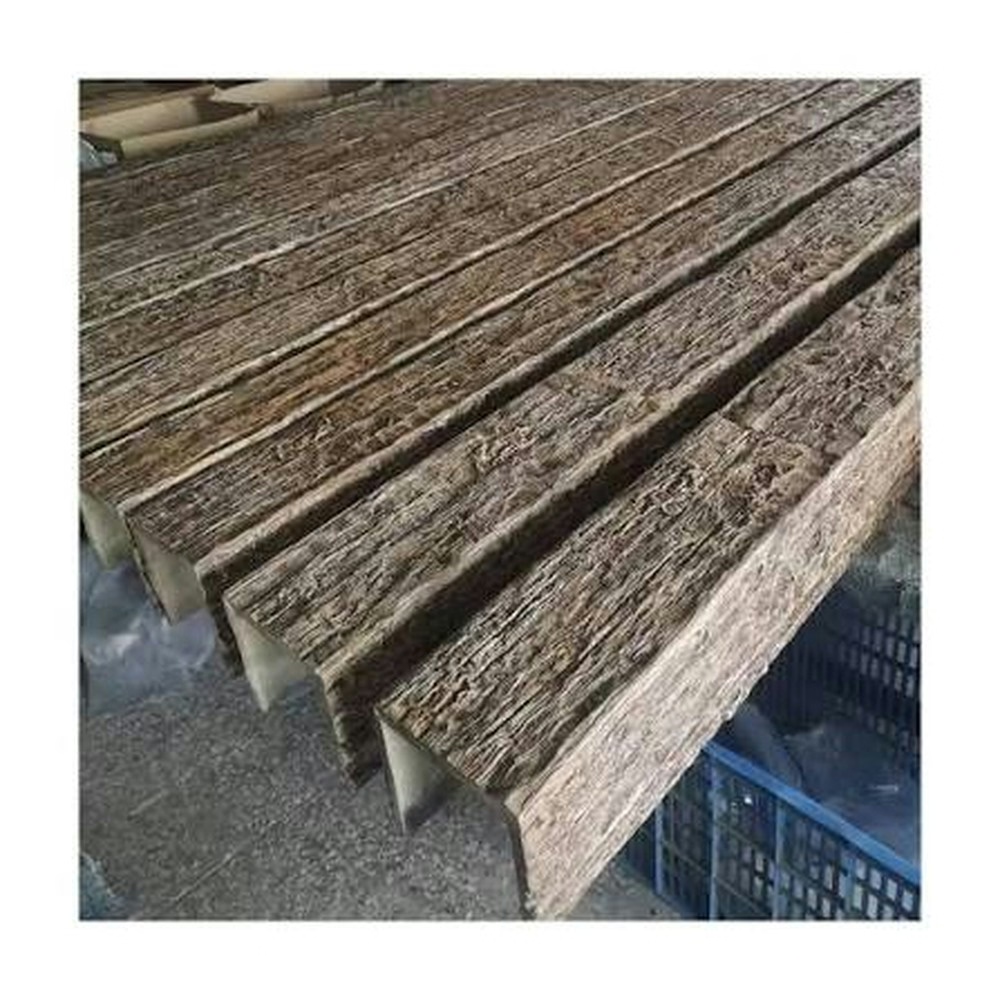
Authentic Decorative Faux Wood Timber Beams for Architectural Ornamentation
Architectural ornamentation elevates buildings from mere shelter to artistic expression. Authentic decorative faux wood timber beams serve as sculptural elements that transform utilitarian ceilings into compelling design statements.
The Role of Ornamentation in Architecture
Architectural ornamentation serves purposes beyond mere decoration:
Visual interest that engages building occupants and passersby.
Cultural expression that communicates values and aspirations.
Spatial definition that organizes complex building volumes.
These functions make ornamentation essential rather than optional in significant architecture.
Beams as Ornamental Elements
Ceiling beams provide unique opportunities for ornamental treatment:
Three-dimensional forms that cast shadows and create visual depth.
Horizontal lines that establish rhythm across ceiling expanses.
Sculptural profiles that reference historical architectural traditions.
These characteristics make beams ideal vehicles for architectural ornamentation.
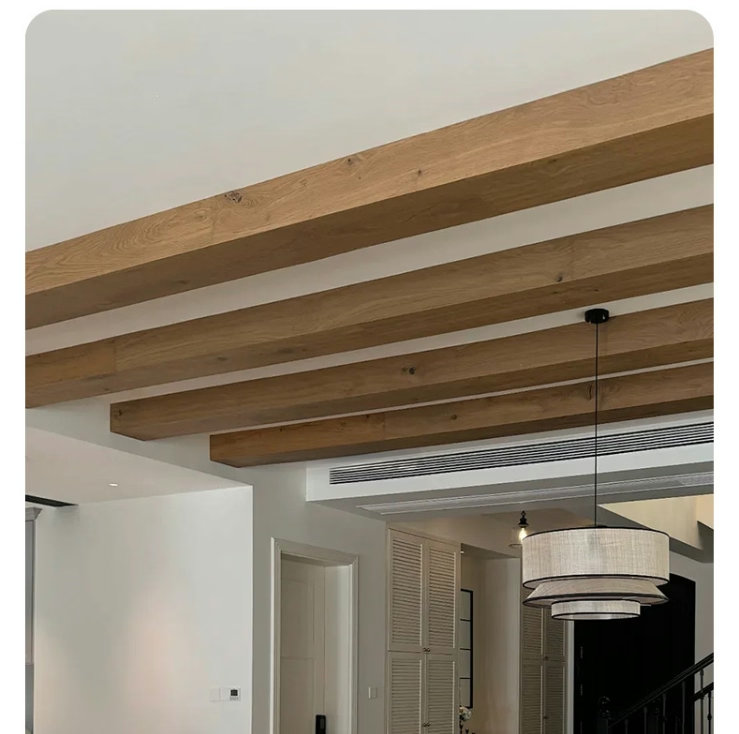
Historical Ornamental Beam Traditions
Beams have carried ornamental significance throughout architectural history:
Greek and Roman temples featured painted and carved ceiling beams.
Medieval cathedrals used exposed timber roofs as canvas for decorative programs.
Renaissance palaces integrated gilded beams with elaborate ceiling paintings.
These historical precedents inform contemporary ornamental beam design.
Authentic Character in Ornamental Beams
Ornamental beams must balance decoration with believable authenticity:
Hand-carved details suggest traditional craftsmanship that automated production cannot match.
Natural wood characteristics including grain and texture add organic authenticity.
Imperfection and variation prevent mechanical repetition that ornamental elements should avoid.
These authentic qualities distinguish quality ornamental beams from obvious reproductions.
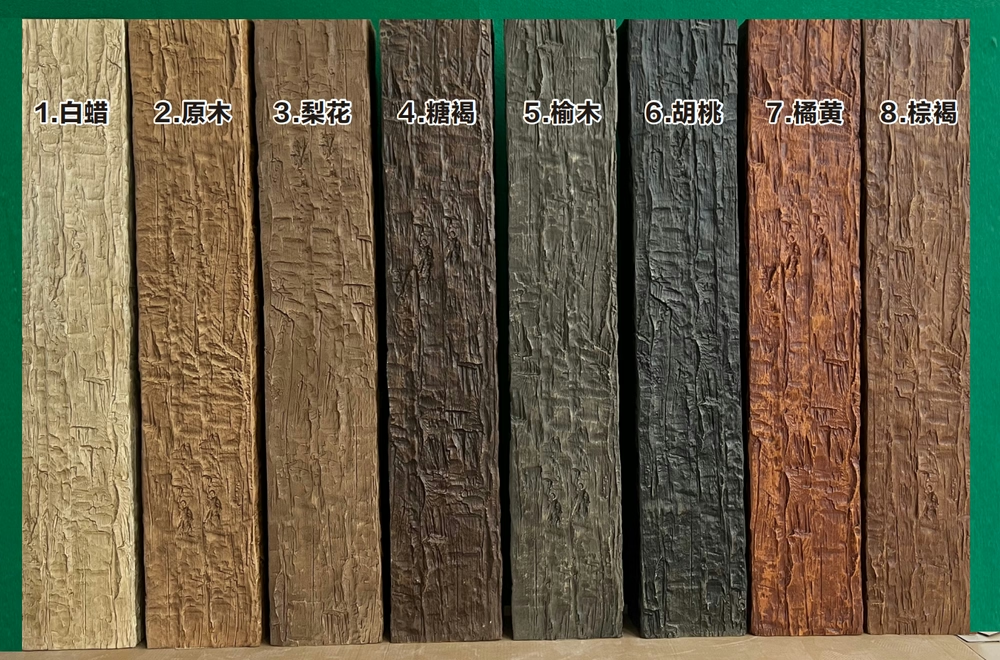
Profile Complexity for Ornamental Impact
Ornamental beams often feature sophisticated profiles:
Multiple step details that create shadow lines and visual depth.
Curved elements that introduce organic forms into geometric ceiling grids.
Carved enrichments including rosettes, egg-and-dart, and other classical motifs.
Profile complexity significantly affects ornamental impact and manufacturing cost.
Scale and Proportion
Ornamental beam scaling affects visual impact dramatically:
Overscaled ornamental beams overwhelm most interior spaces.
Proportionally modest beams may disappear into ceiling expanses without adequate emphasis.
Appropriate scaling considers ceiling height, room dimensions, and viewing distance.
Careful scaling ensures that ornamental intentions translate to visible impact.
Integration with Decorative Systems
Ornamental beams rarely stand alone; they integrate with broader decorative programs:
Cornice and moulding systems that extend ornamental vocabulary from beams.
Chandeliers and pendant fixtures that hang from or relate to beam positions.
Wall elevations that coordinate with ceiling ornamental treatment.
This integration requires coordinated design development across all elements.
Placement Strategies for Ornamental Impact
Beam placement significantly affects ornamental effectiveness:
Symmetrical arrangements create formal elegance appropriate for traditional interiors.
Asymmetrical placement introduces dynamic energy that contemporary spaces favor.
Grouped arrangements create focal points within larger ceiling expanses.
Placement strategy should align with overall design objectives.
Color and Finish Considerations
Ornamental beam finish affects how decorative details read:
Gilded and metallic finishes emphasize ornamental richness.
Painted finishes can either enhance or subdue decorative details.
Natural wood tones ground ornamental elements in organic material character.
Finish selection should support rather than compete with ornamental intentions.
Contemporary Ornamental Approaches
Modern ornamental design often reinterprets traditional vocabulary:
Simplified classical motifs adapted for contemporary production methods.
Geometric interpretations that reference ornament without literal historical reference.
Abstract forms that suggest ornament without traditional symbolic content.
Contemporary approaches enable ornamental impact without historical baggage.
Commercial Ornamental Applications
Commercial interiors increasingly embrace ornamental design:
Hospitality venues use ornamental beams to create memorable guest experiences.
Corporate offices employ ornamental elements to humanize workplace environments.
Entertainment venues use dramatic beam ornamentation to enhance venue identity.
Commercial ornamental applications must balance visual impact with budget constraints.
Technical Considerations for Ornamental Beams
Ornamental complexity creates technical challenges:
Structural provisions must support increased beam weight from ornamental details.
Installation methods may require special hardware or engineering coordination.
Field assembly of ornamental components requires skilled craftsmanship.
These technical considerations should inform ornamental design decisions.
Maintenance for Ornamental Elements
Ornamental beams require maintenance appropriate to their visibility:
High-visibility position means that any deterioration is immediately apparent.
Dust accumulation in ornamental details requires regular attention.
Periodic inspection ensures that mounting systems remain secure.
Maintenance planning should address ornamental beam care from project outset.
Custom Ornamental Development
Unique ornamental requirements may justify custom beam development:
Project-specific decorative programs require tailored beam designs.
Architectural precedents may require historically accurate ornamental elements.
Distinction from standard products may require custom development.
Custom development adds cost and lead time but enables unique results.
Budget Allocation for Ornamental Beams
Ornamental beam budgets require realistic assessment:
Complexity directly affects cost; sophisticated ornament costs more than simple forms.
Custom development expenses amortize across quantity—larger projects more readily justify custom work.
Installation complexity adds costs beyond beam material expenses.
Budget planning should address ornamental beam costs comprehensively.
Professional Design Involvement
Ornamental beam success requires professional design expertise:
Architects understand ornamental vocabulary and its appropriate application.
Interior designers coordinate ornamental elements with overall design programs.
Ornamental metalworkers and carvers bring craft expertise that completes design intentions.
Professional involvement ensures that ornamental intentions translate to successful built results.
Quality Indicators for Ornamental Beams
Quality ornamental beams display identifiable characteristics:
Sharp detail definition that suggests authentic carving rather than molding limitations.
Consistent quality across multiple pieces that ensures uniform appearance.
Appropriate material density that accepts fine details without blemish.
Physical sample evaluation reveals quality differences that affect final results.
Longevity and Durability
Quality ornamental beams provide lasting beauty:
Durable materials maintain ornamental detail indefinitely.
Stable dimensions prevent movement that could damage ornamental components.
Finish durability ensures that decorative appearance persists.
These longevity factors justify premium investment in quality products.
Environmental Performance
Contemporary ornamental beams should address environmental concerns:
Low-VOC finishes for interior applications protect indoor air quality.
Recycled content in polyurethane formulations reduces virgin material consumption.
Extended service life reduces replacement frequency and associated environmental impact.
Environmental performance increasingly influences specification decisions.
Investment Value Analysis
Ornamental beam investment returns value through:
Enhanced building character that supports premium positioning.
Durability that eliminates replacement costs over building lifespan.
Maintenance simplicity that reduces ongoing care requirements.
Total lifecycle value often justifies premium initial investment.
Conclusion
Authentic decorative faux wood timber beams serve as powerful ornamental elements that elevate interior architecture. Quality products combining believable authenticity with contemporary performance enable ornamental design ambitions that genuine timber cannot support.
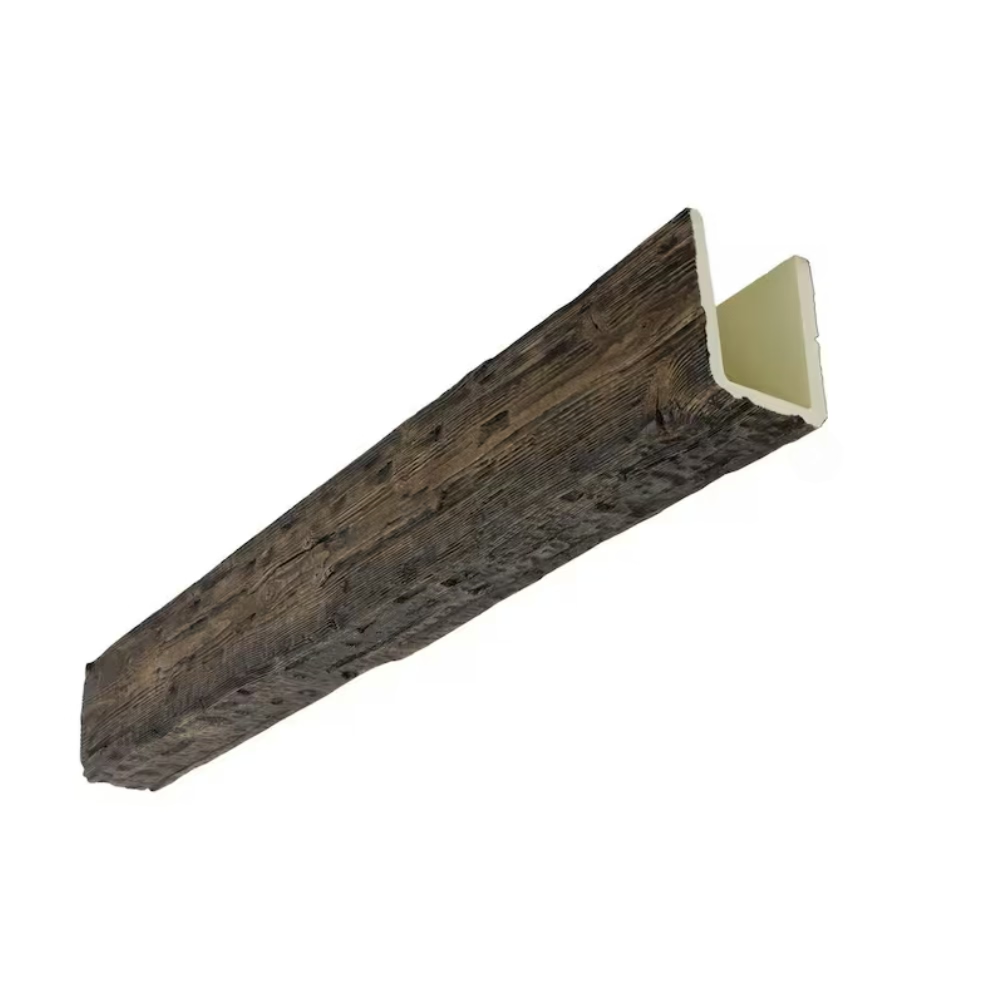
Investment in quality ornamental beams returns value through enhanced architectural character, lasting durability, and maintenance-free ownership. Professional design guidance ensures that ornamental intentions translate to successful built results.
Technical References
ASTM standards cited in every specification
Test Data
Lab results from internal testing program
Updated 2026
Reviewed against current product specs