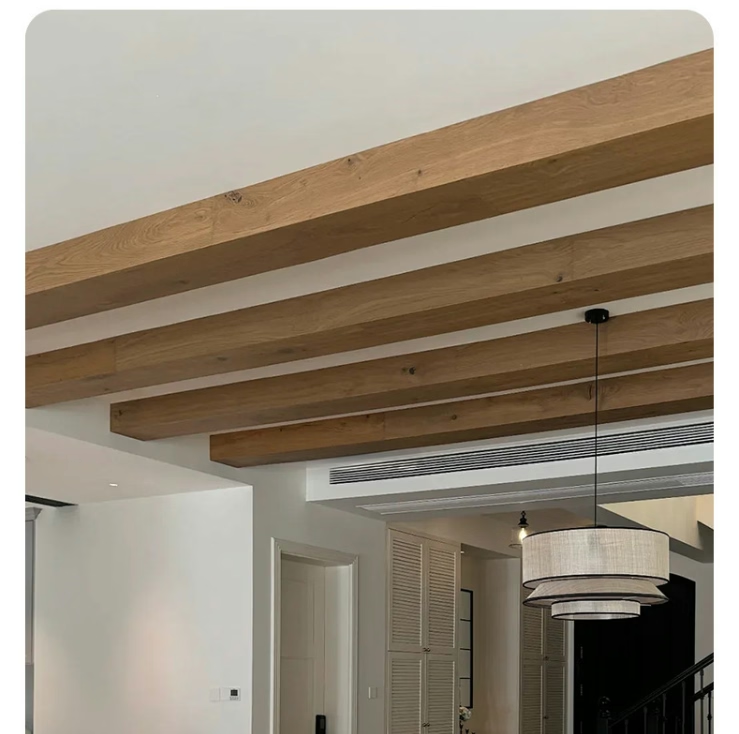
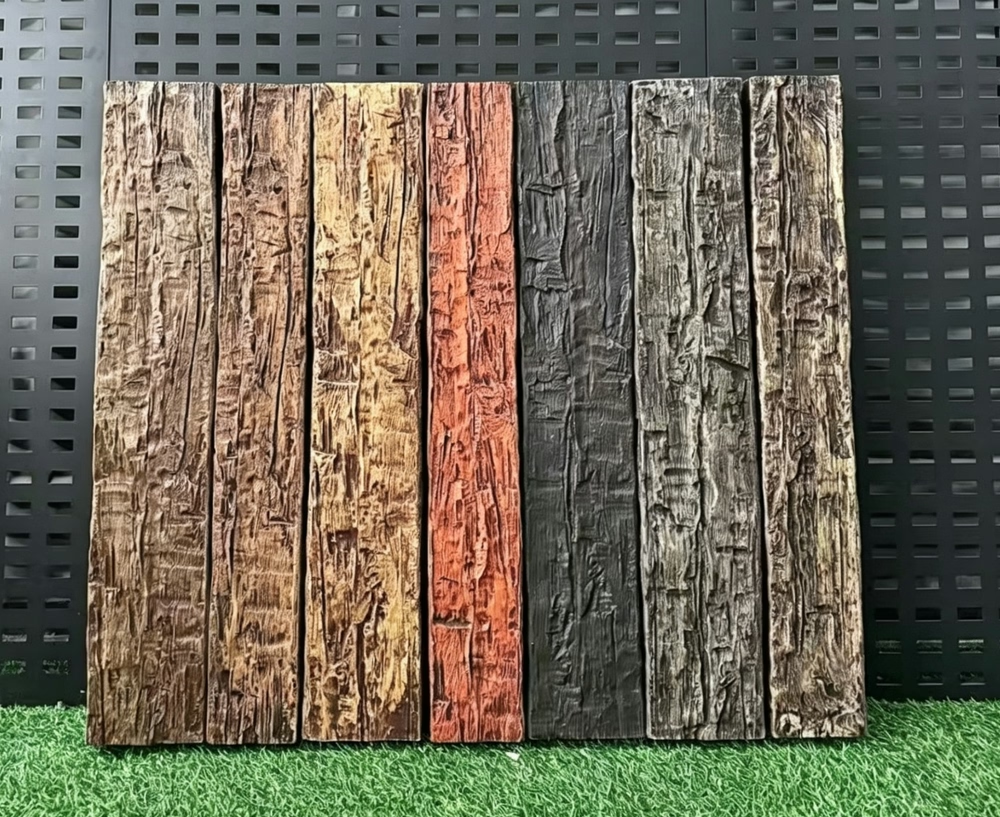
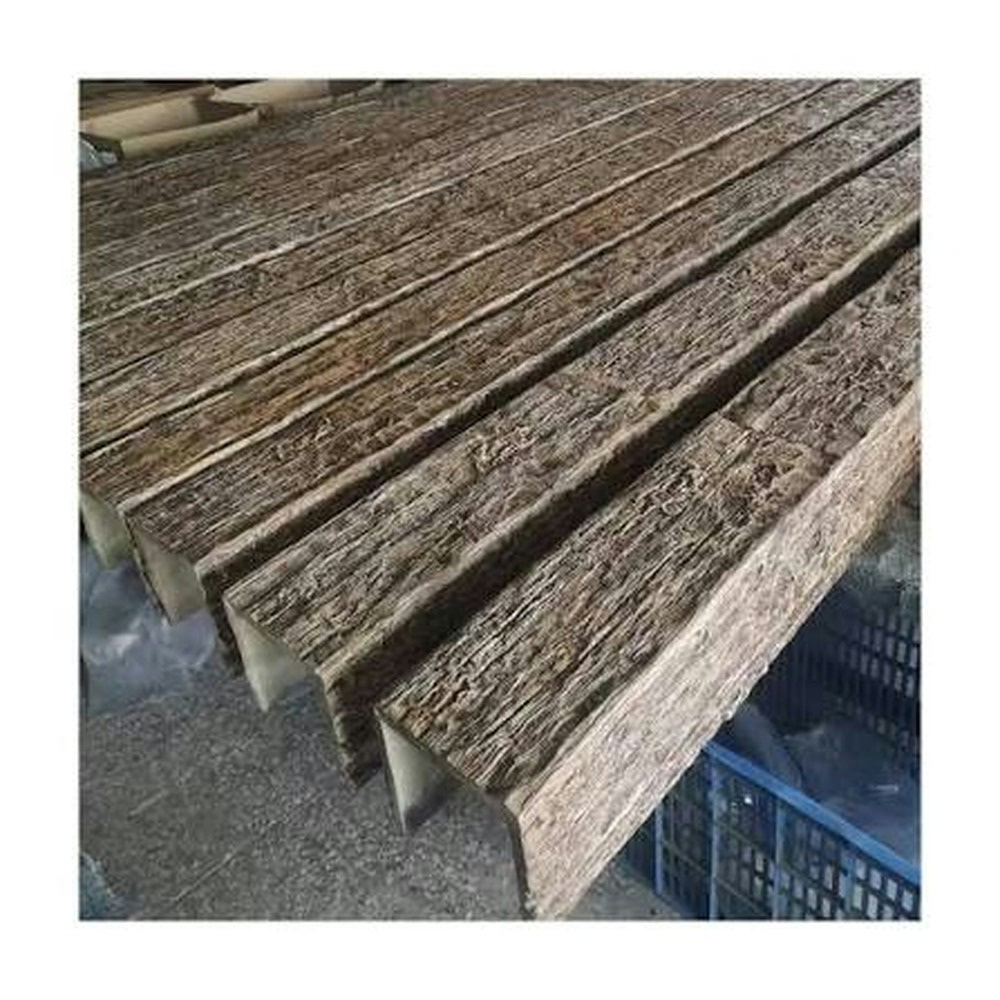
Authentic Eastern White Pine Texture PU Faux Beams for Casual Rustic Homes
Eastern white pine holds a special place in North American building heritage, with its distinctive character shaping generations of residential architecture. Authentic eastern white pine texture polyurethane faux beams bring this beloved species' warmth to contemporary casual rustic homes.
Eastern White Pine Heritage
Eastern white pine has shaped American architecture for centuries:
Colonial builders selected white pine for its workability and availability.
The species became synonymous with quality finishing and trim work.
Traditional New England homes featured white pine throughout their construction.
This heritage provides design inspiration that contemporary builders continue to honor.
Characteristics of Authentic White Pine Texture
Quality reproduction captures essential white pine characteristics:
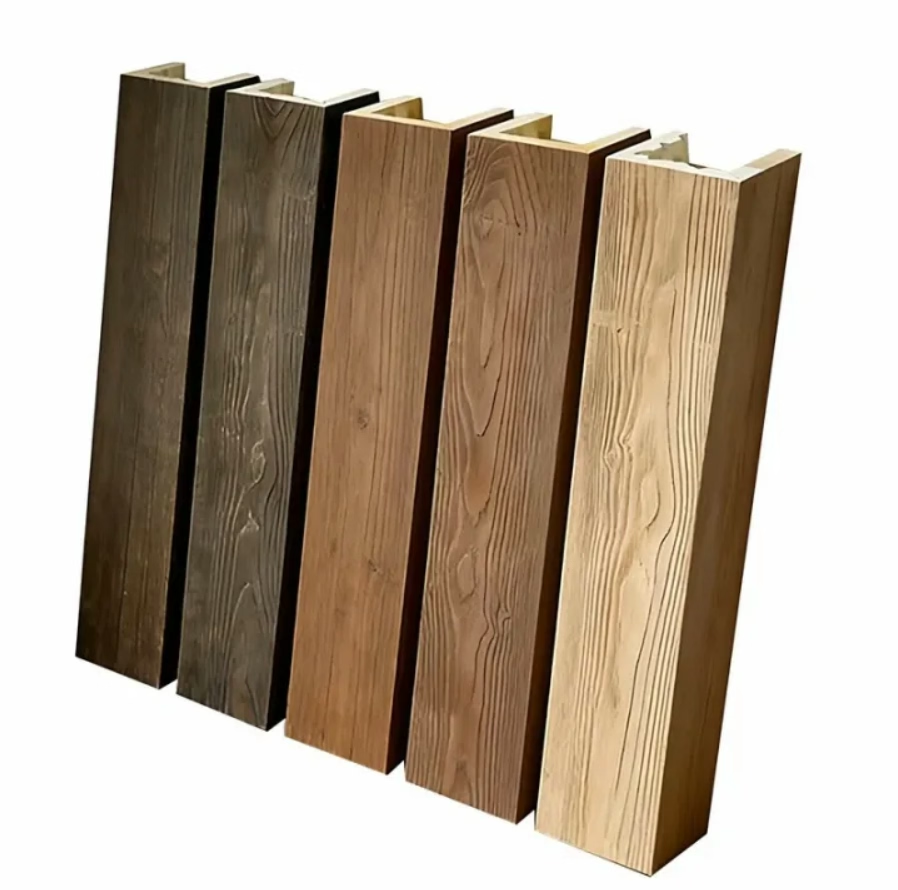
Fine, even grain patterns characteristic of the species.
Minimal knot content that distinguishes white pine from harder pines.
Soft, consistent texture that takes finish evenly.
Warm undertones that range from cream to pale yellow.
These characteristics together create the distinctive white pine appearance that defines casual rustic aesthetics.
Why White Pine Suits Casual Rustic Design
White pine's characteristics align naturally with casual rustic objectives:
The modest grain pattern avoids visual complexity that rustic simplicity rejects.
Light coloration creates the warm, welcoming atmosphere that casual spaces require.
The soft texture suggests humble authenticity rather than precious refinement.
These qualities make white pine ideal for relaxed rustic environments.
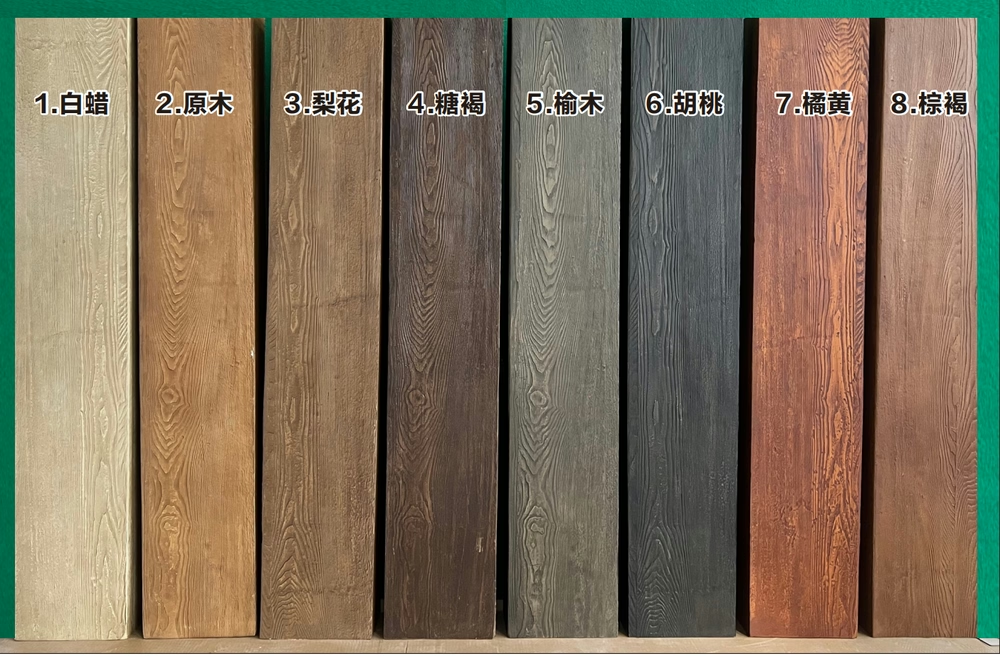
Color Palette for White Pine Beams
White pine beam colors typically feature:
Natural blonde tones reminiscent of freshly milled lumber.
Warm honey accents that develop through natural aging.
Pale finish options that brighten spaces without stark whiteness.
These light colors distinguish white pine from darker wood species.
Interior Design Applications
White pine beams serve casual rustic design across multiple spaces:
Living rooms gain warmth that encourages family gathering.
Kitchens feature white pine beams that complement farmhouse aesthetics.
Bedrooms become cozy retreats with overhead warmth that promotes rest.
These applications demonstrate white pine versatility within casual rustic contexts.
Coordinating with White Pine Trim
Existing white pine trim benefits from coordinated beam selection:
Matching finish between beams and trim creates unified material palette.
Similar aging between beams and existing trim avoids jarring contrast.
Complementary treatment when exact matching is impractical.
Trim coordination ensures cohesive interior appearance.
Scale and Proportion
White pine beam sizing affects casual rustic authenticity:
Modest proportions suit the humble character that white pine represents.
Beams should appear substantial without the dramatic mass that formal spaces require.
Appropriate scaling responds to ceiling height and room dimensions.
Casual scaling ensures authentic results that oversized alternatives undermine.
Integration with Casual Rustic Furnishings
White pine beams complement related furniture and materials:
Farmhouse tables and case goods in complementary wood tones.
Cotton, linen, and wool textiles in natural colors.
Iron and galvanized metal accents that provide contrast.
These material combinations create layered casual rustic environments.
Texture Variation in White Pine Beams
Subtle texture adds authenticity without overwhelming:
Light hand-planing that suggests traditional finishing.
Natural grain visibility through modest texture treatment.
Occasional small knots that reference the species honestly.
This restrained texture creates depth without visual complexity.
New Construction vs Renovation Applications
White pine beam installations serve different contexts:
New construction can incorporate beams as integral design elements.
Renovation projects may add beams to spaces that previously lacked them.
Period-appropriate installation for historic properties.
These applications require different specification approaches.
Maintenance-Free Benefits
Polyurethane white pine beams eliminate maintenance concerns:
No refinishing required to maintain authentic appearance.
No repair of checking, cracking, or moisture damage.
Simple cleaning maintains appearance indefinitely.
This maintenance-free character suits casual living that emphasizes experiences over upkeep.
Weather Resistance Advantages
Polyurethane construction provides advantages genuine white pine lacks:
Moisture resistance prevents the swelling and warping that affects real pine.
UV-stable colors resist yellowing and fading that natural pine experiences.
Insect immunity prevents the borer damage that threatens pine in some regions.
These advantages enable white pine aesthetics in locations where real pine would fail.
Cost Comparison
Lifecycle cost analysis often favors polyurethane alternatives:
Initial material cost of quality faux beams may exceed basic alternatives.
Genuine eastern white pine with comparable character commands premium prices.
Installation and finishing labor adds significantly to genuine timber costs.
Total lifecycle costs frequently favor quality faux products.
Environmental Considerations
Choosing faux over genuine timber offers environmental benefits:
No additional harvesting of white pine trees.
Durability reduces replacement frequency and associated resource consumption.
Manufacturing efficiency minimizes environmental impact.
These considerations increasingly influence purchasing decisions.
Professional Installation Value
Professional installation ensures authentic results:
Proper mounting techniques ensure secure, lasting installation.
Attention to detail at connections reflects quality craftsmanship.
Coordination with existing trim and finishes ensures cohesive appearance.
Professional installation honors casual rustic values of honest, quality work.
Custom Finishing Options
Projects with specific requirements benefit from custom capabilities:
Custom colors to match existing white pine elements.
Special weathering patterns for beams with specific heritage references.
Unique dimensions for architectural elements beyond standard offerings.
Custom options expand design possibilities significantly.
Quality Verification
Physical samples help distinguish quality reproduction:
Grain pattern authenticity that references genuine white pine characteristics.
Color consistency across multiple pieces.
Surface quality that suggests authentic finishing rather than mechanical production.
Sample evaluation reveals quality differences.
Supplier Selection
Quality white pine beam suppliers demonstrate:
Understanding of white pine characteristics and casual rustic design.
Willingness to develop custom solutions for specific requirements.
Documentation supporting quality and performance claims.
Responsive customer service throughout ordering and delivery.
Long-Term Investment Value
Quality white pine beam investment provides lasting returns:
Authentic character maintains relevance across changing design trends.
Durability ensures decades of service without replacement.
Maintenance-free ownership eliminates ongoing costs.
These factors support premium investment in quality products.
Regional Availability and Sourcing
White pine aesthetics adapt to regional variations:
New England character emphasizes traditional white pine heritage.
Southeastern applications may reference longleaf pine traditions.
Pacific Northwest interpretations incorporate regional design influences.
Regional awareness enriches white pine applications.
Conclusion
Authentic eastern white pine texture polyurethane faux beams provide the warm, casual character that rustic homes require while delivering modern performance advantages. The combination of heritage aesthetics and contemporary durability makes these beams ideal for authentic casual rustic interiors.
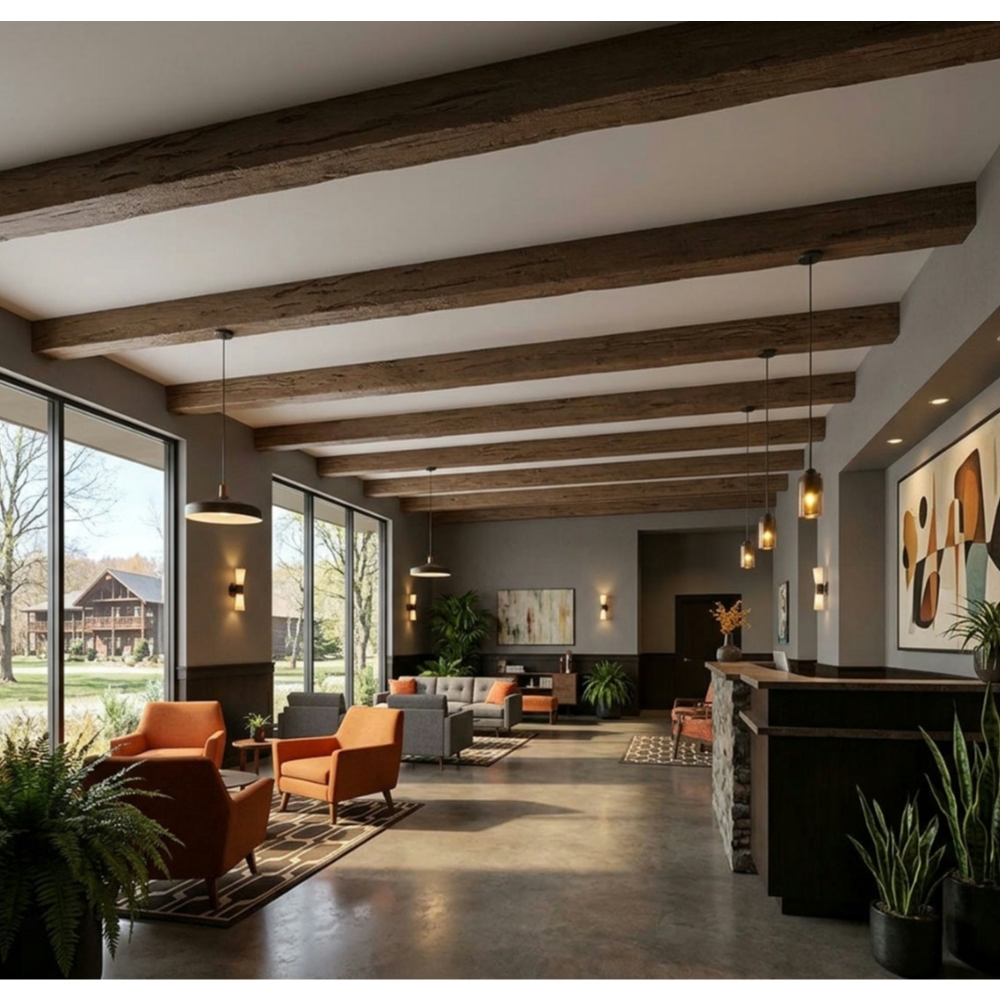
Quality white pine beam investment returns value through lasting authentic character, durable performance, and maintenance-free ownership. Professional guidance ensures appropriate selection and installation for specific project requirements.
Technical References
ASTM standards cited in every specification
Test Data
Lab results from internal testing program
Updated 2026
Reviewed against current product specs