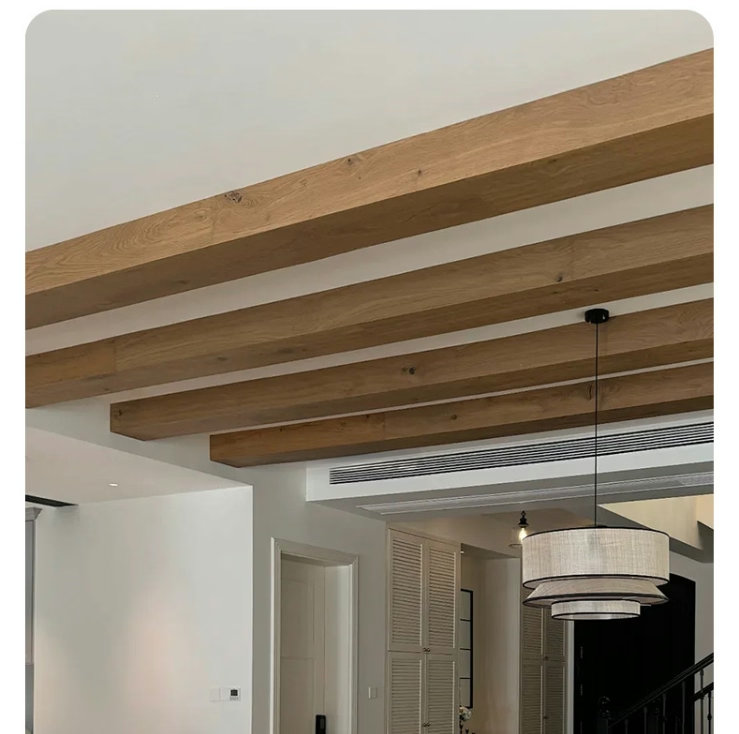
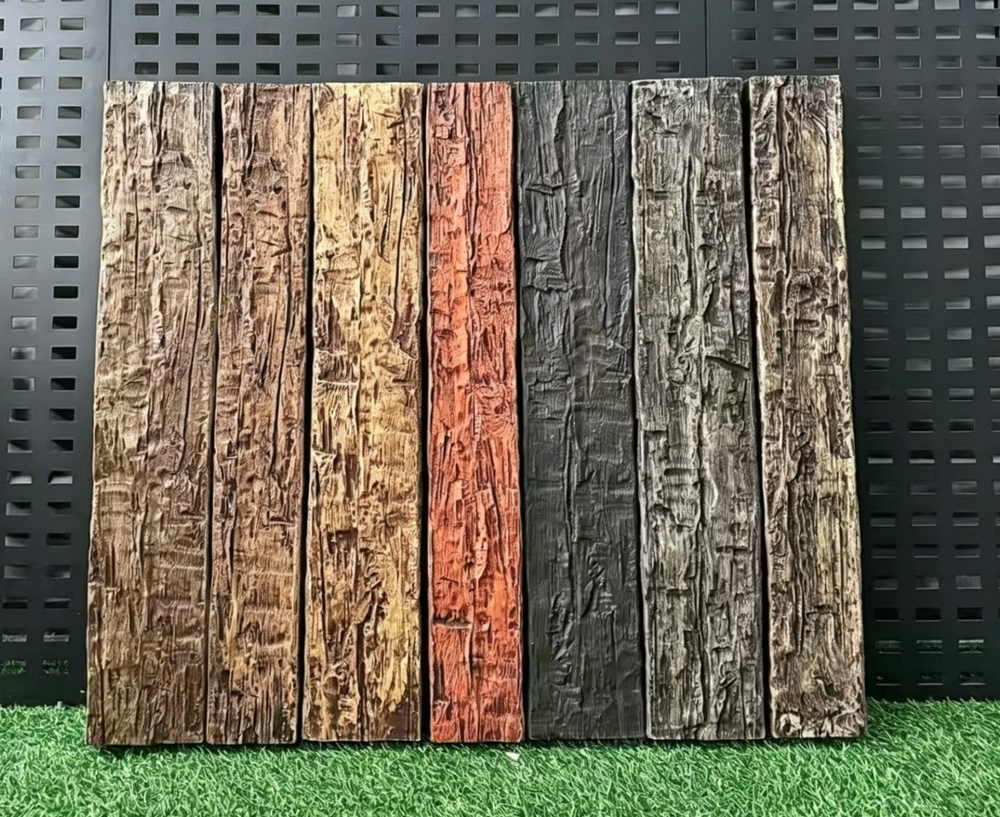
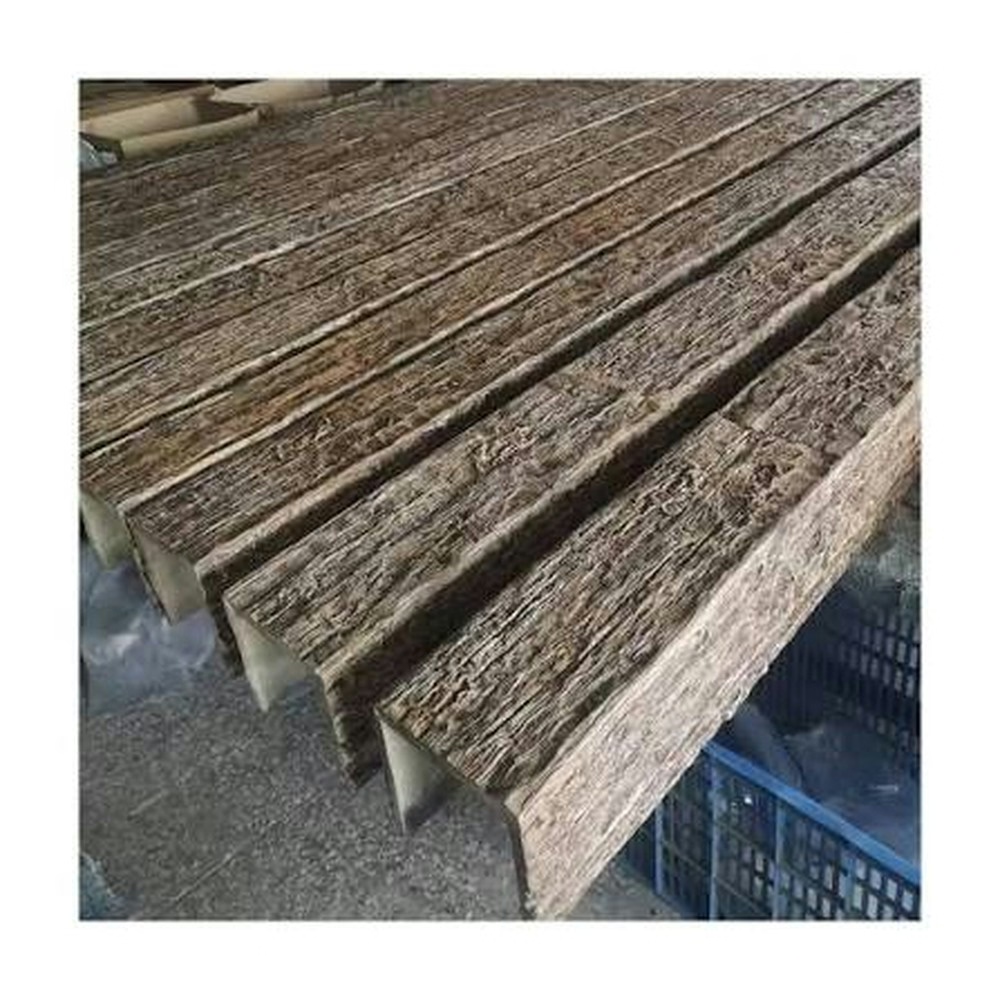
Authentic Faux Timber Beams for Historical Building Restoration Projects
Historical building restoration requires products that honor architectural heritage while meeting contemporary performance requirements. Authentic faux timber beams provide solutions that satisfy preservation standards and deliver lasting beauty.
Principles of Historical Preservation
Authentic restoration follows established principles that guide material selection:
Minimal intervention that preserves original fabric wherever possible.
Reversibility that allows future restoration efforts to proceed unimpeded.
Compatibility between original and new materials.
Accurate documentation of original conditions and restoration interventions.
These principles inform faux beam specification for historical projects.
Distinguishing Restoration from Renovation
Historical projects require clarity about project objectives:
Restoration returns buildings to documented original appearance.
Rehabilitation adapts historic buildings for contemporary use while preserving significant features.
Reconstruction recreates missing elements based on documentary evidence.
Each approach requires different faux beam specifications and quality levels.
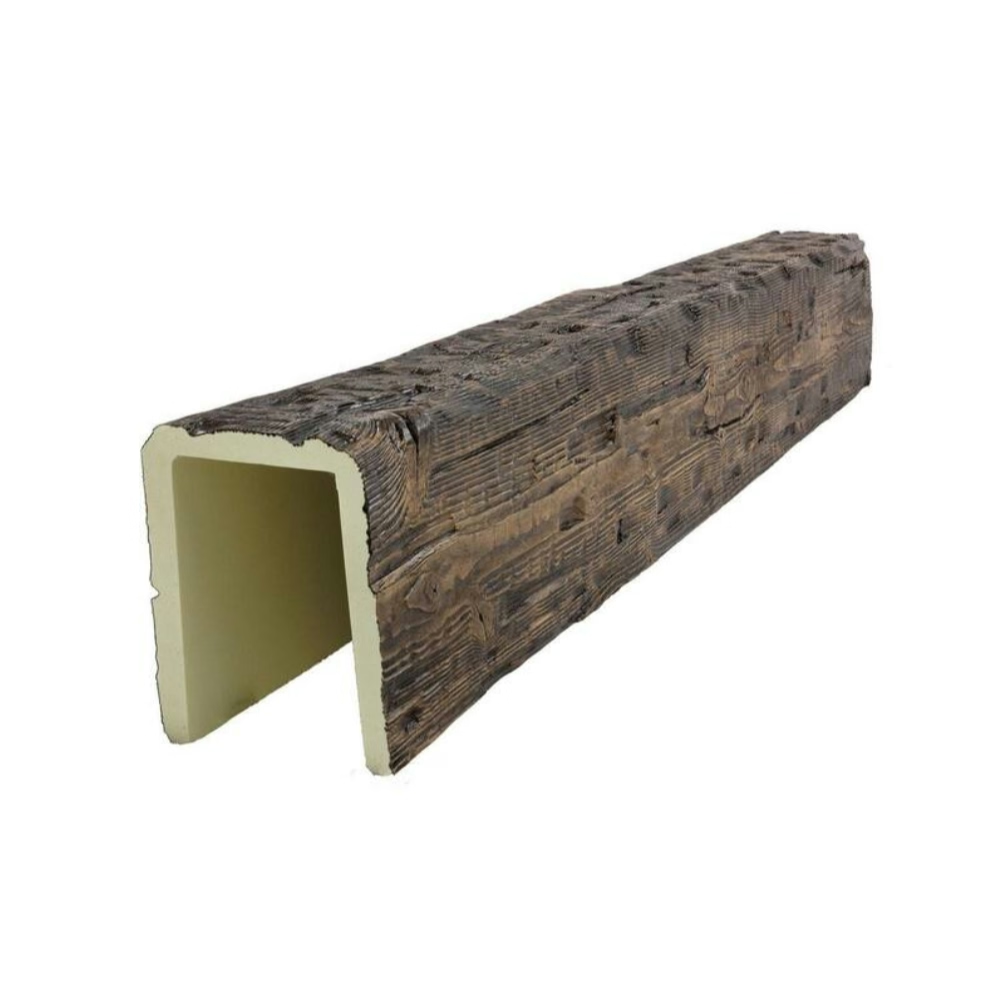
Documenting Original Conditions
Successful restoration begins with thorough documentation:
Architectural surveys photograph and measure surviving original elements.
Historical research provides context for original material selection.
Structural assessment identifies beams that require replacement versus repair.
This documentation guides faux beam specification for missing or damaged elements.
Matching Original Timber Elements
Faux beams replacing original timbers must match surviving elements:
Species identification of original timber guides faux beam texture selection.
Dimensional analysis ensures replacement beams fit original openings and connections.
Finish matching coordinates new beams with aged original surfaces.
These matching requirements may require custom faux beam development.
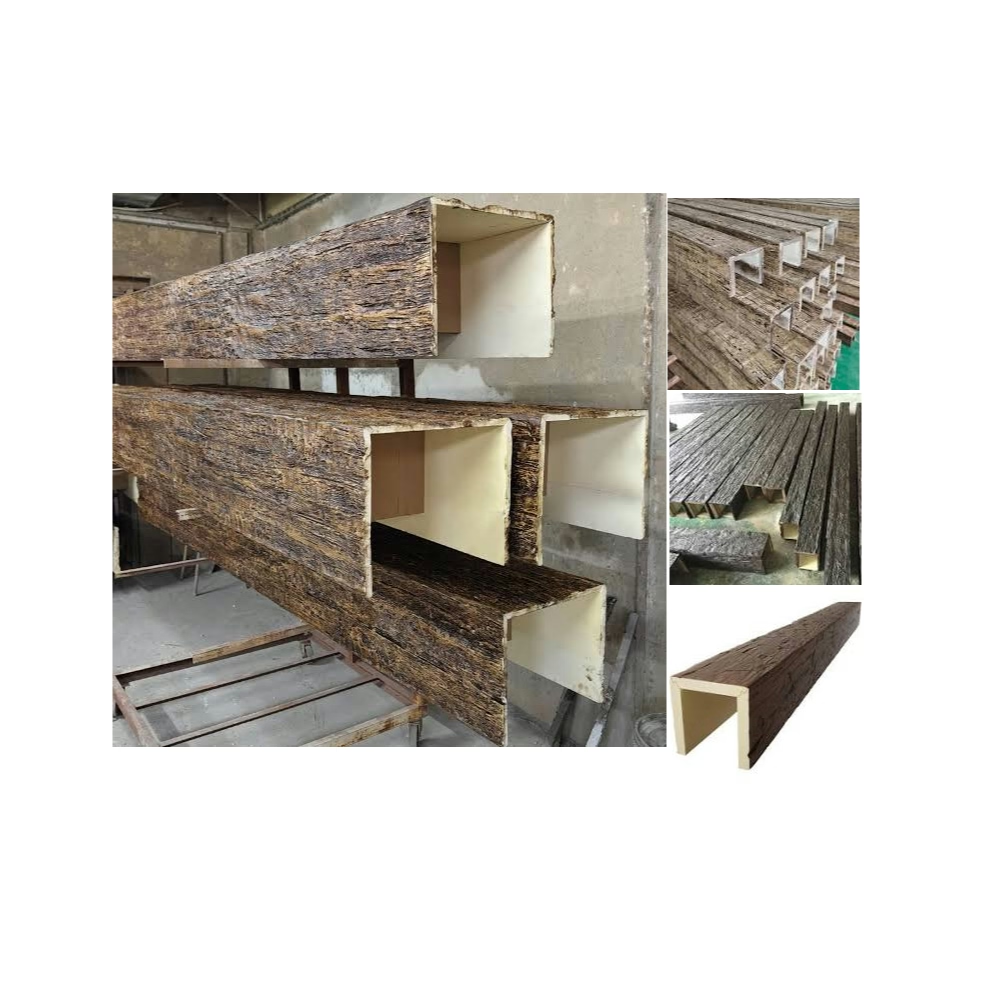
Period-Appropriate Texture Reproduction
Historical authenticity requires period-appropriate textures:
Eighteenth-century buildings feature hand-hewn timbers with specific tool marks.
Nineteenth-century mills produced dimensional lumber with saw mill characteristics.
Victorian-era decorative beams incorporate period ornamental details.
Texture selection should reference documented original characteristics.
Color and Patina Considerations
Aged original timbers exhibit specific color characteristics:
Natural weathering creates unique patinas over decades of exposure.
Finish remnants may indicate original paint or stain colors.
Different exposures create varied aging across single buildings.
Matching these variations requires sophisticated finishing techniques.
Structural Performance Requirements
Historical beams often served structural functions:
Replacement faux beams may need to address load requirements.
Mounting systems should not compromise original structural elements.
Engineering coordination ensures that faux additions perform adequately.
Structural considerations influence beam selection and installation approach.
Building Code Compliance
Historical buildings must meet contemporary codes:
Fire safety requirements may require upgraded materials.
Accessibility standards affect building configuration.
Structural adequacy must satisfy current engineering standards.
Faux beam selection should address code requirements while respecting historic character.
Working with Preservation Authorities
Many historical projects require authority approval:
State historic preservation offices review significant projects.
Local landmark commissions may have input requirements.
National Register compliance affects federal preservation incentives.
Faux beam specifications should address authority concerns.
Cost Considerations for Historical Projects
Historical authenticity involves specific costs:
Custom development for unique period characteristics adds expenses.
Documentation and approval processes extend project timelines.
Specialized installation requirements increase labor costs.
These costs often prove necessary for successful preservation outcomes.
Durable Solutions for Lasting Results
Quality faux beams provide durable restoration solutions:
Material stability prevents the movement that damages adjacent original elements.
Moisture resistance protects against conditions that affect genuine timber.
Insect and decay immunity ensures that replacement beams outlast original failures.
Durability ensures that restoration investments persist.
Coordinating with Other Restoration Work
Faux beams integrate with broader restoration programs:
Masonry repair may expose or conceal original timber connections.
Plaster restoration requires coordination with beam installation sequencing.
Painting and finishing must coordinate between beams and adjacent surfaces.
Overall project planning ensures cohesive restoration results.
Finding Quality Historical Reproduction Products
Specialized suppliers serve historical restoration markets:
Portfolio of previous historical restoration work demonstrates capability.
Understanding of preservation standards and requirements.
Willingness to develop custom solutions for unique requirements.
Documentation supporting authenticity claims.
Supplier selection significantly affects restoration success.
Maintenance Considerations
Restored buildings require ongoing maintenance planning:
Inspection protocols should include faux beam assessment.
Cleaning and care procedures for both original and faux elements.
Documentation of replacement locations for future reference.
Maintenance planning protects restoration investments.
Case Studies
Successful historical restorations demonstrate effective approaches:
Colonial Williamsburg preservation projects set restoration standards.
National Park Service historic furnished quarters maintain period authenticity.
Academic institutions restoring significant architectural examples.
These examples inform restoration practice for various building types.
Training and Certification
Historical restoration increasingly requires qualified practitioners:
Preservation trades training programs develop necessary skills.
Certification programs recognize demonstrated competence.
Continuing education maintains current standards awareness.
Qualified practitioners ensure appropriate restoration approaches.
Future Preservation Considerations
Long-term preservation planning addresses:
Anticipated conditions affecting restored elements.
Documentation for future restoration efforts.
Flexibility for changing use requirements.
These considerations ensure that current restoration serves future needs.
Investment Value
Historical preservation represents significant investment:
Authentic character maintains building significance and value.
Durable materials ensure that investments persist.
Appropriate treatment honors original construction heritage.
Preservation investment returns value through lasting architectural heritage.
Conclusion
Authentic faux timber beams for historical building restoration require careful attention to preservation principles, period-appropriate aesthetics, and contemporary performance requirements. Quality products and professional guidance ensure successful restoration outcomes that honor architectural heritage.
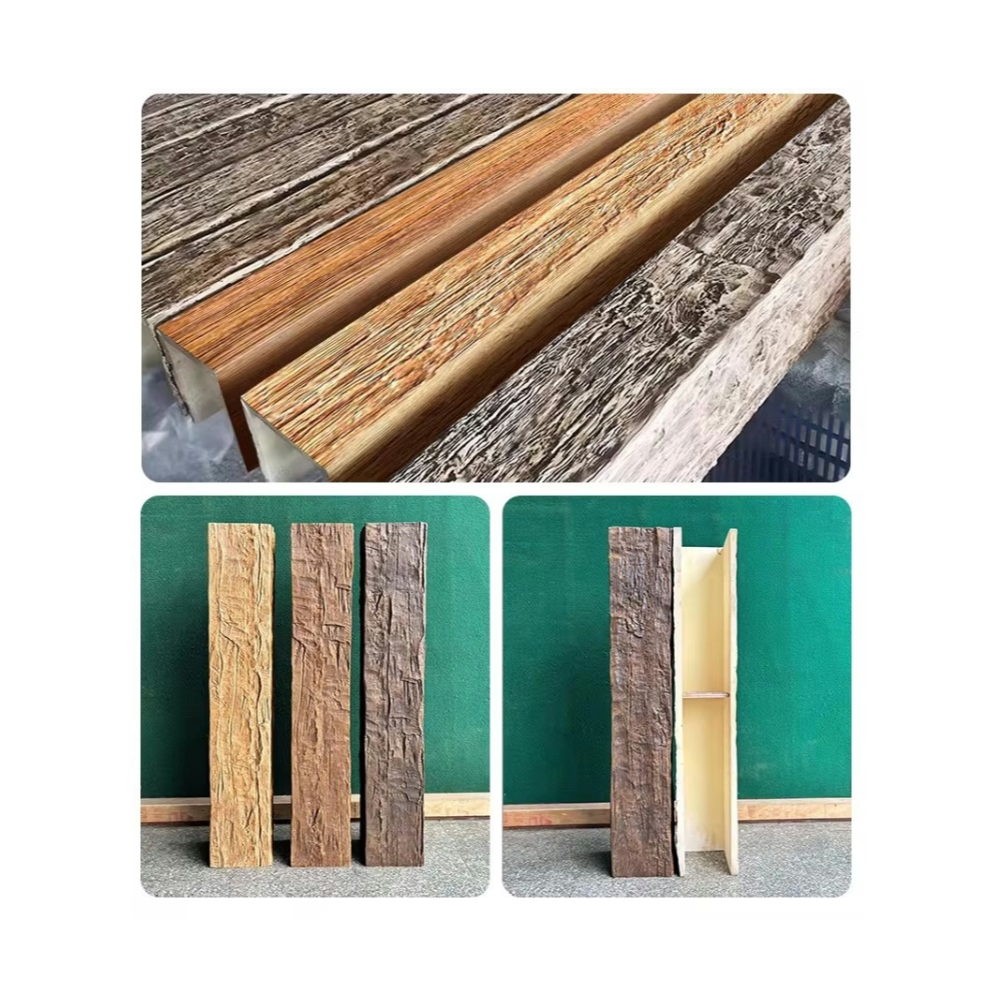
Successful historical restoration combines authentic faux beam products with professional preservation expertise. The resulting buildings maintain their heritage character while meeting contemporary performance and code requirements.
Technical References
ASTM standards cited in every specification
Test Data
Lab results from internal testing program
Updated 2026
Reviewed against current product specs