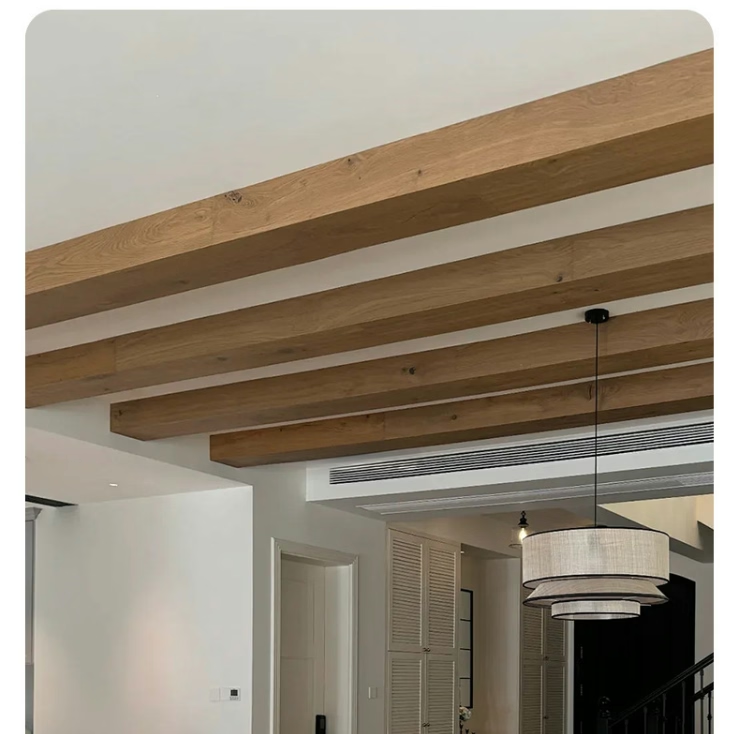
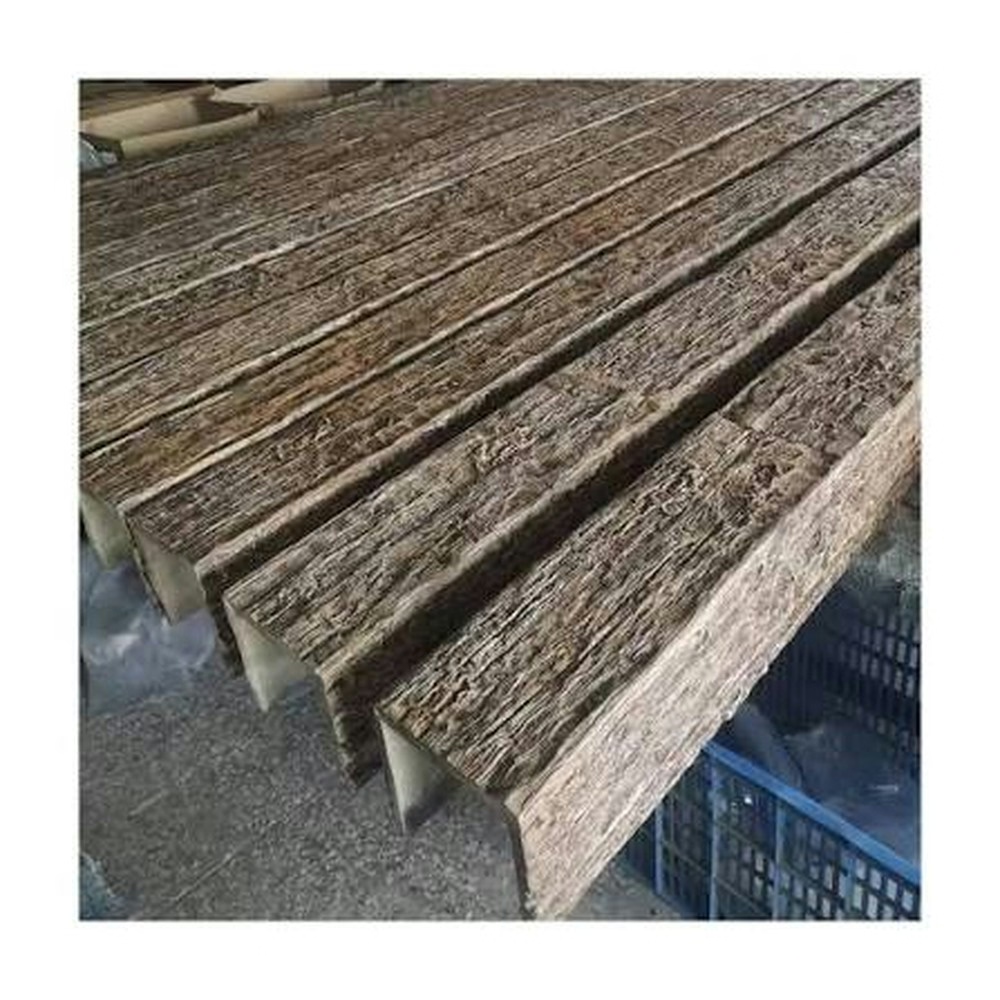
B2B Export Platform for Global Faux Wood Ceiling Beam Trading
Global trade in decorative building materials has evolved beyond traditional distributor networks. Contemporary B2B export platforms connecting polyurethane faux beam manufacturers directly with international buyers represent a fundamental shift in how decorative ceiling products reach their end markets—streamlining procurement, reducing intermediate markups, and enabling smaller buyers to access factory-direct pricing previously reserved for large-volume importers.
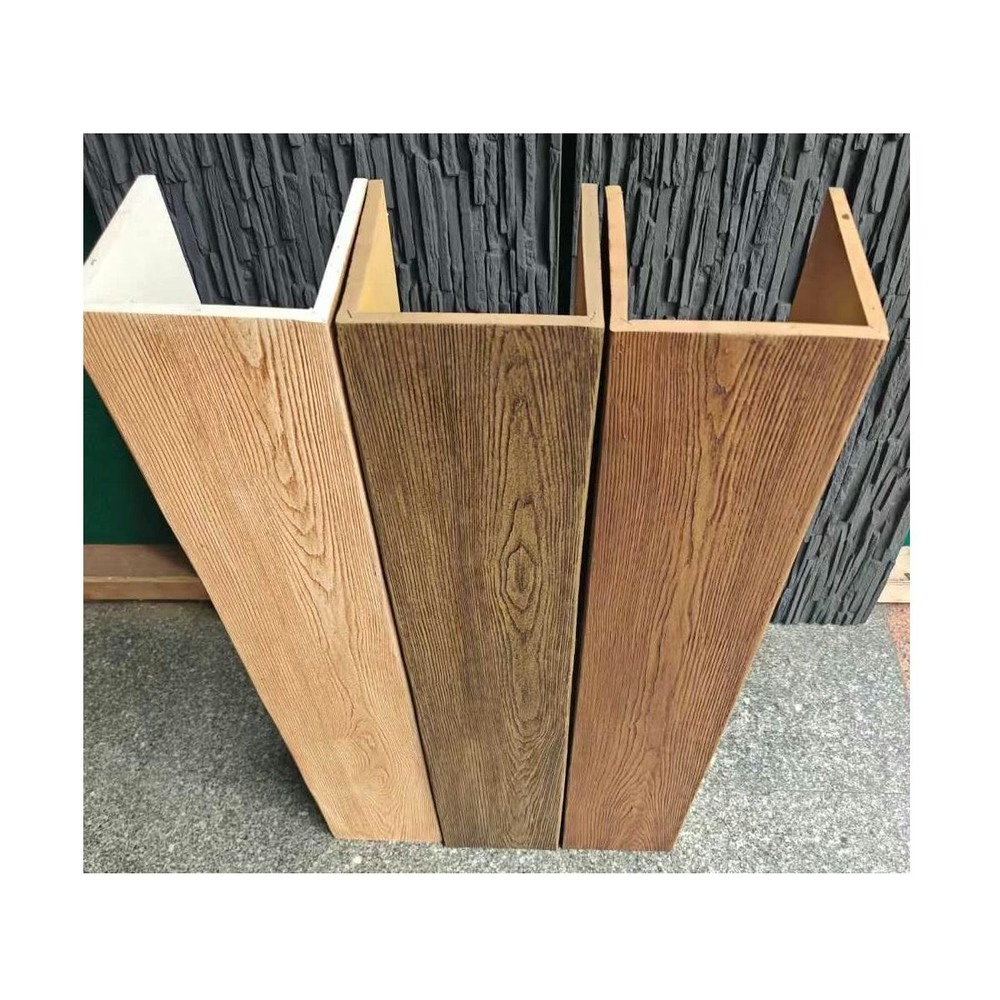
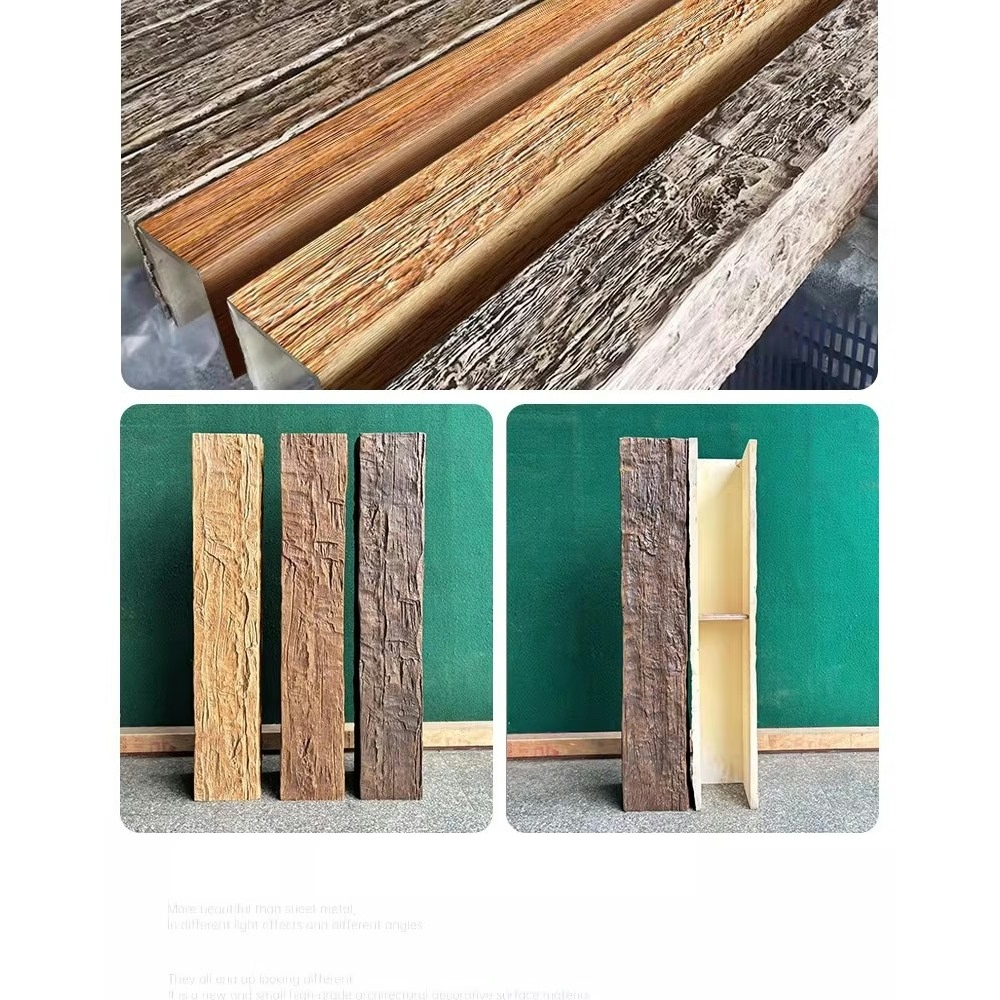
Effective B2B export platforms for faux wood ceiling beams must address the specific complexities of international decorative building materials trade. Product photography and specification documentation must travel digitally while physical goods traverse oceans in shipping containers. Translation accuracy for technical terminology—beam dimensions, mounting specifications, finish types—becomes essential for preventing ordering errors that result in costly returns or reorders.
Modern export platforms incorporate several functional capabilities that distinguish them from simple catalog websites. Dynamic pricing tools adjusting for order quantity, container fill optimization helping buyers maximize shipping efficiency, and currency conversion providing transparent landed cost calculations all reduce friction in the purchasing process.
Integration with international logistics providers represents another critical platform capability. Consolidating shipments from multiple manufacturers, coordinating customs documentation, and managing freight forwarding require specialized expertise that platforms with built-in logistics partnerships can provide more efficiently than individual buyers navigating these processes independently.
Payment security mechanisms adapted for cross-border trade—escrow services, letters of credit support, and verified buyer-seller protection policies—address the trust concerns that naturally arise when international business relationships involve significant financial exposure. Platforms that have established reputation systems and dispute resolution processes reduce perceived risk for buyers entering new supplier relationships.
Quality assurance mechanisms deserve particular scrutiny when evaluating export platforms. Third-party inspection services, sample approval workflows, and return logistics for defective goods all represent platform features that protect buyer interests when evaluating products sight-unseen across international distances.
For manufacturers, B2B export platforms offer access to geographically dispersed markets without requiring extensive direct sales infrastructure investment. Platform integration costs frequently prove more economical than establishing regional distribution partnerships or maintaining international sales teams.
Technical References
ASTM standards cited in every specification
Test Data
Lab results from internal testing program
Updated 2026
Reviewed against current product specs