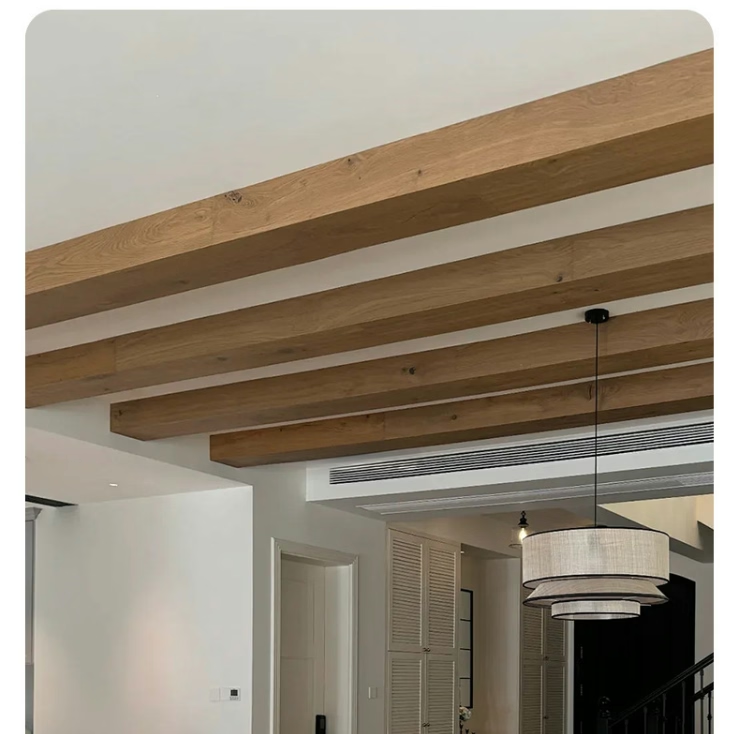
Beginner-Friendly DIY PU Faux Wood Beams for Home Renovation
Home renovation enthusiasts consistently discover that ceiling treatments deliver disproportionate visual returns relative to effort invested. Among ceiling upgrade options, polyurethane faux wood beams stand out for their installation accessibility, finishing quality, and transformative potential. This guide introduces beginners to polyurethane faux beams as a home renovation material, emphasizing the approachable nature that distinguishes these products from traditional millwork.
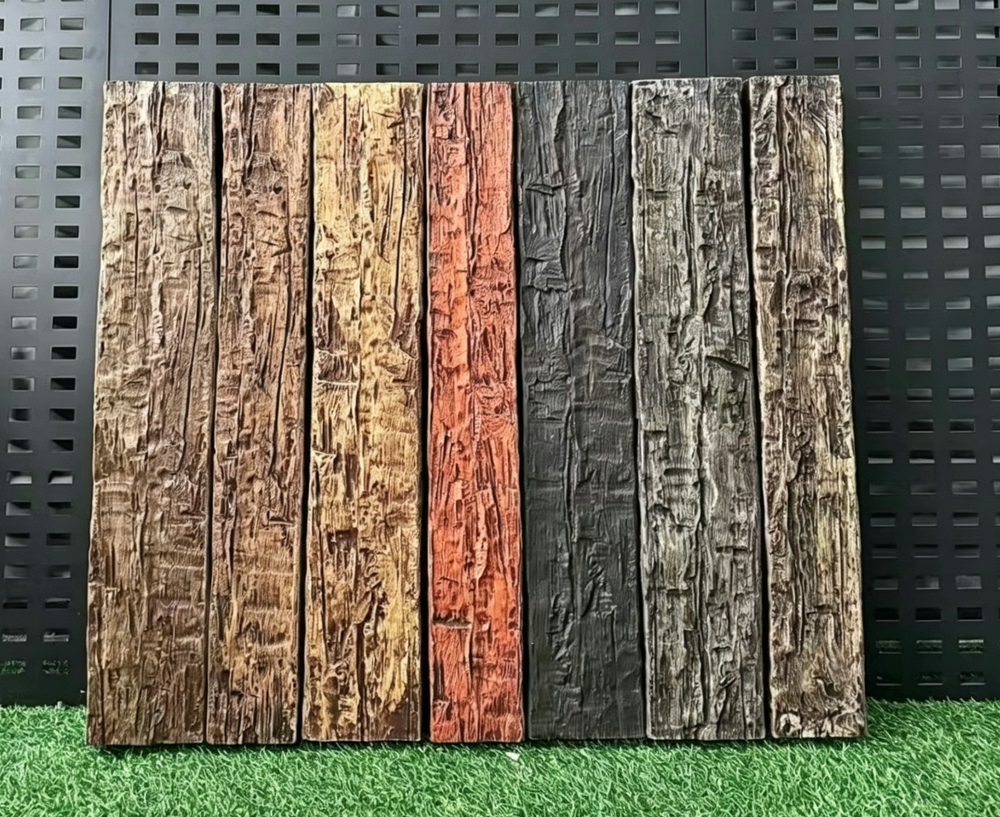
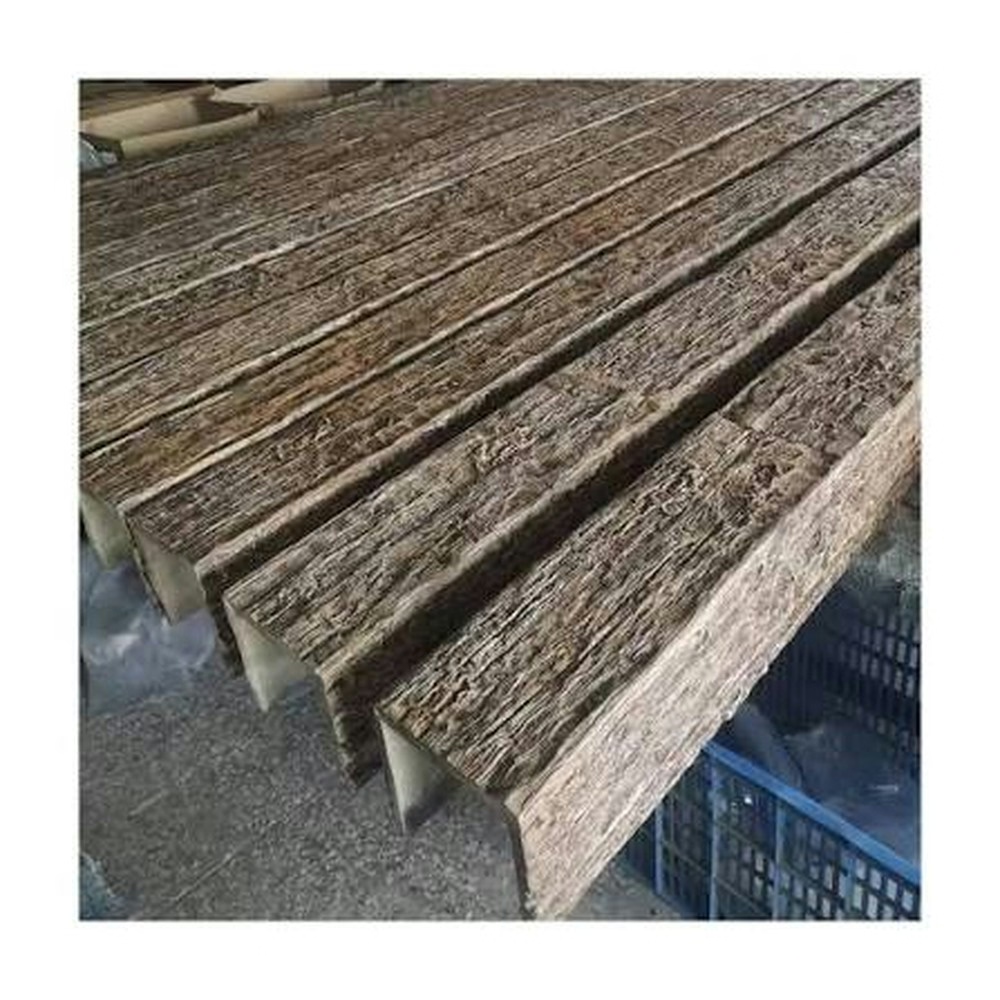
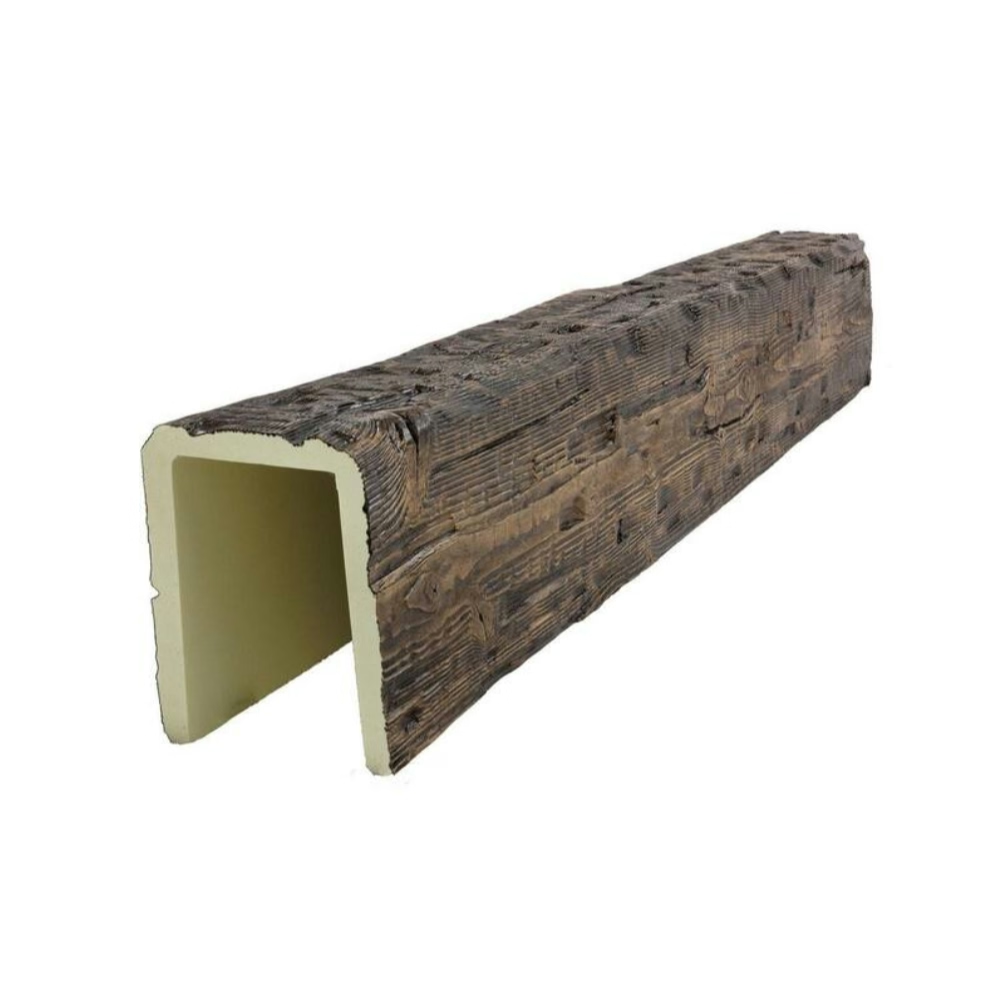
Polyurethane faux wood beams arrive at your home as complete, finished products ready for installation. Unlike authentic timber that requires milling, drying, finishing, and often custom fitting, polyurethane beams arrive with wood grain texture, color finish, and surface quality already developed. This readiness eliminates messy on-site finishing work that discourages many DIYers from traditional millwork projects.
Material properties favor DIY installation success. Polyurethane cuts with standard wood-working tools—saw blades designed for finish carpentry produce clean cuts without tearout or burning. The material accepts nails and screws without predrilling in most applications. Adhesive bonding occurs reliably with construction-grade adhesives formulated for polyurethane substrates.
Understanding basic ceiling construction helps beginners plan installations effectively. Most residential ceilings feature exposed or covered joist structures that provide mounting points for faux beams. Your stud finder becomes the most important tool—locating ceiling joists allows you to plan beam positions that align with structural support.
Safety considerations deserve attention without creating anxiety. Use appropriate ladder equipment for your ceiling height. Wear safety glasses when cutting or drilling. Work deliberately rather than rushing—precision improves results while reducing injury risk. The installation process involves no hazardous materials, chemical exposures, or complex equipment beyond standard power tools.
Time investment for beginner installations typically ranges from four to eight hours for an average single-room project. This investment covers measurement, bracket installation, beam mounting, and finishing work. The result—a permanent architectural enhancement visible daily—provides returns that far exceed the time invested.
Technical References
ASTM standards cited in every specification
Test Data
Lab results from internal testing program
Updated 2026
Reviewed against current product specs