Bespoke Custom Polyurethane Faux Beams for Unique Architectural Designs
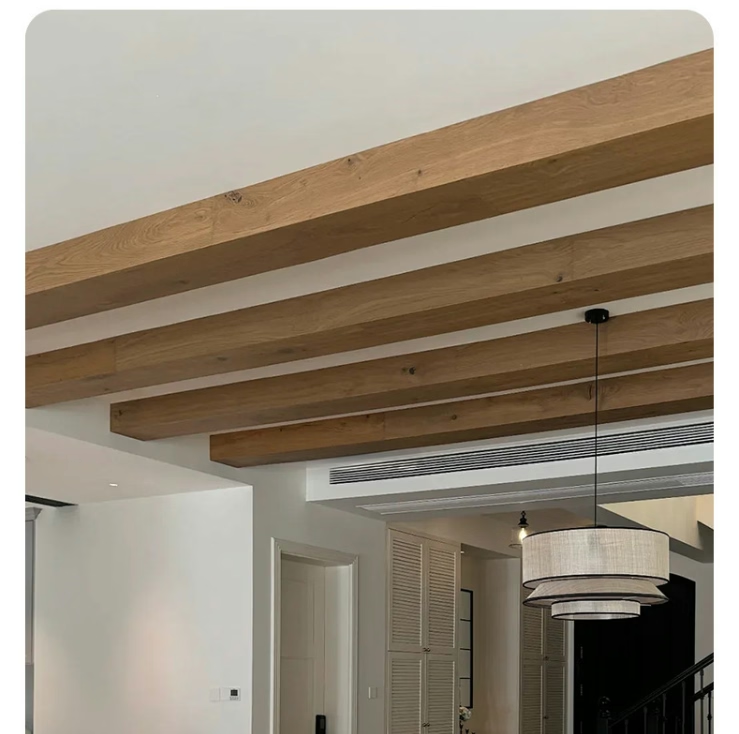
Architectural ambition frequently encounters the limitations of standard product offerings. When design vision extends beyond catalog specifications, bespoke custom polyurethane faux beams provide the fabrication flexibility that transforms architectural concepts into buildable realities. This customization capability distinguishes premium manufacturers from commodity producers serving only straightforward applications.
Custom profile development addresses architectural requirements that standard dimensions cannot accommodate. Asymmetrical beam profiles, unusual depth-to-width ratios, and non-standard length requirements all fall within custom manufacturing capabilities. These specifications arise from architectural drawings, physical templates, or digital models that define intended geometry.
The development process for custom architectural beams involves several phases. Concept development establishes design intent and feasibility. Engineering review assesses structural requirements and identifies manufacturing approaches. Tooling development creates production molds from approved designs. Sample production generates physical prototypes for design validation. Production approval confirms readiness for full manufacturing runs.
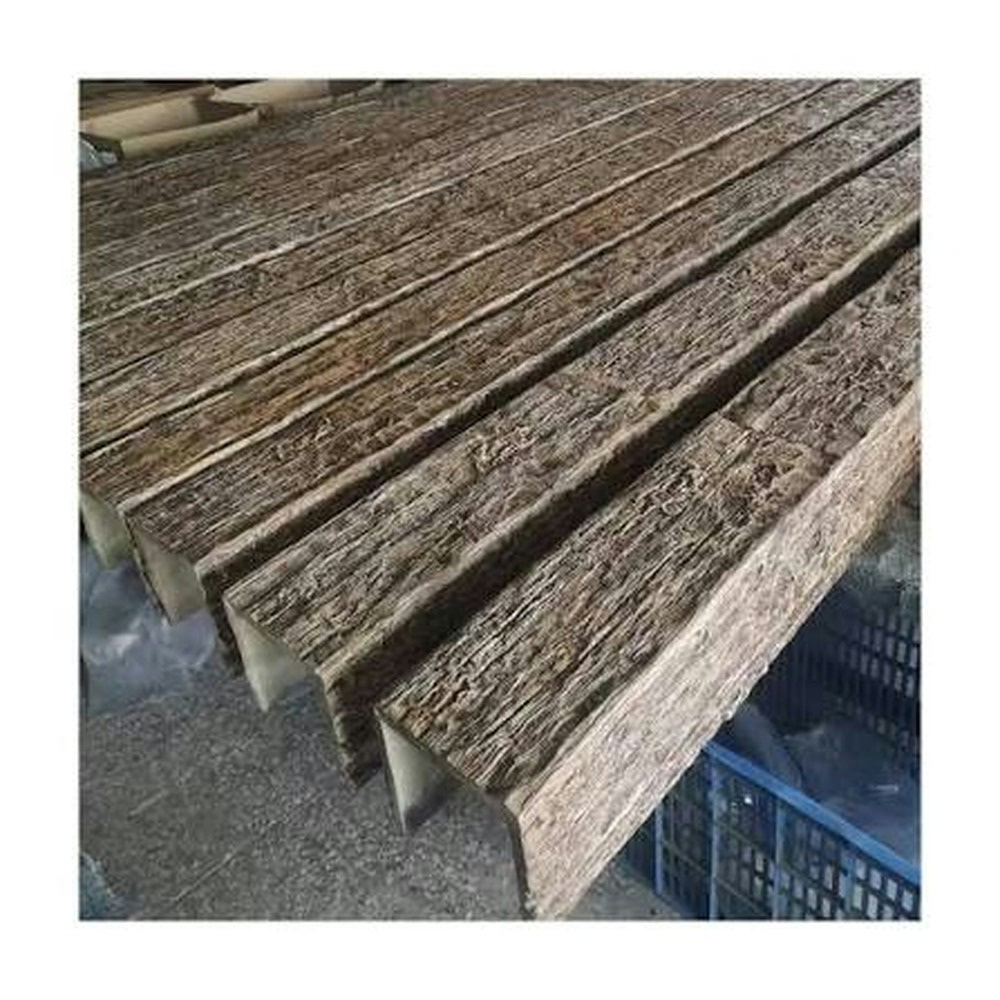
Material optimization for custom applications ensures that specialized beam geometries perform appropriately. Hollow-core construction adapts to custom profiles while maintaining weight advantages over solid materials. Internal structural reinforcement addresses load requirements for large-format or structural-simulated beams. Finish systems accommodate curved surfaces and complex geometries without application difficulties.
Integration with architectural systems requires coordination beyond simple beam production. Electrical integration for lighting concealed within beams demands internal routing development and wiring access provisions. HVAC integration for beams serving as air distribution plenums involves sealed construction and connection provisions. These system integrations extend custom fabrication into engineered building components rather than purely decorative elements.
Project collaboration benefits from manufacturer involvement during design development phases. Early engagement enables value engineering that identifies cost-effective approaches to design intent. Manufacturing expertise contributes suggestions for simplifying complex geometry without compromising design vision. This collaborative relationship produces better outcomes than specification development isolated from production capabilities.
Premium pricing for custom fabrication reflects the specialized tooling, development time, and production expertise required. However, for projects where architectural vision defines project identity, bespoke custom beams provide irreplaceable value that standard products cannot approach.

Technical References
ASTM standards cited in every specification
Test Data
Lab results from internal testing program
Updated 2026
Reviewed against current product specs