Best Performing Faux Timber Beams for Modern Kitchen Interior Design
Kitchens present demanding conditions for ceiling beam installations—temperature fluctuations from cooking activity, humidity variations during food preparation, and grease-laden air that settles on surfaces throughout the space. Faux timber beams serving kitchen applications must perform reliably under these conditions while contributing to the aesthetic cohesion that makes kitchens feel designed rather than merely functional.
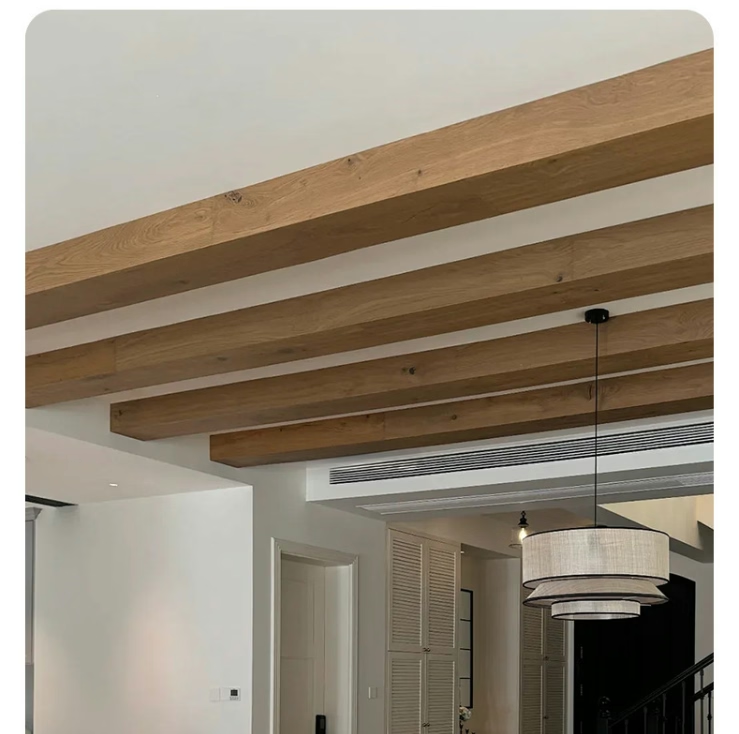
Modern kitchen design trends influence faux beam specifications significantly. Open-plan kitchens connected to living spaces require beams that bridge design contexts—providing warmth compatible with living areas while withstanding kitchen-specific conditions. Contemporary minimalist kitchens favor clean-lined beam profiles without excessive detail. Transitional kitchens accommodate more traditional profiles that complement Shaker or raised-panel cabinet details.
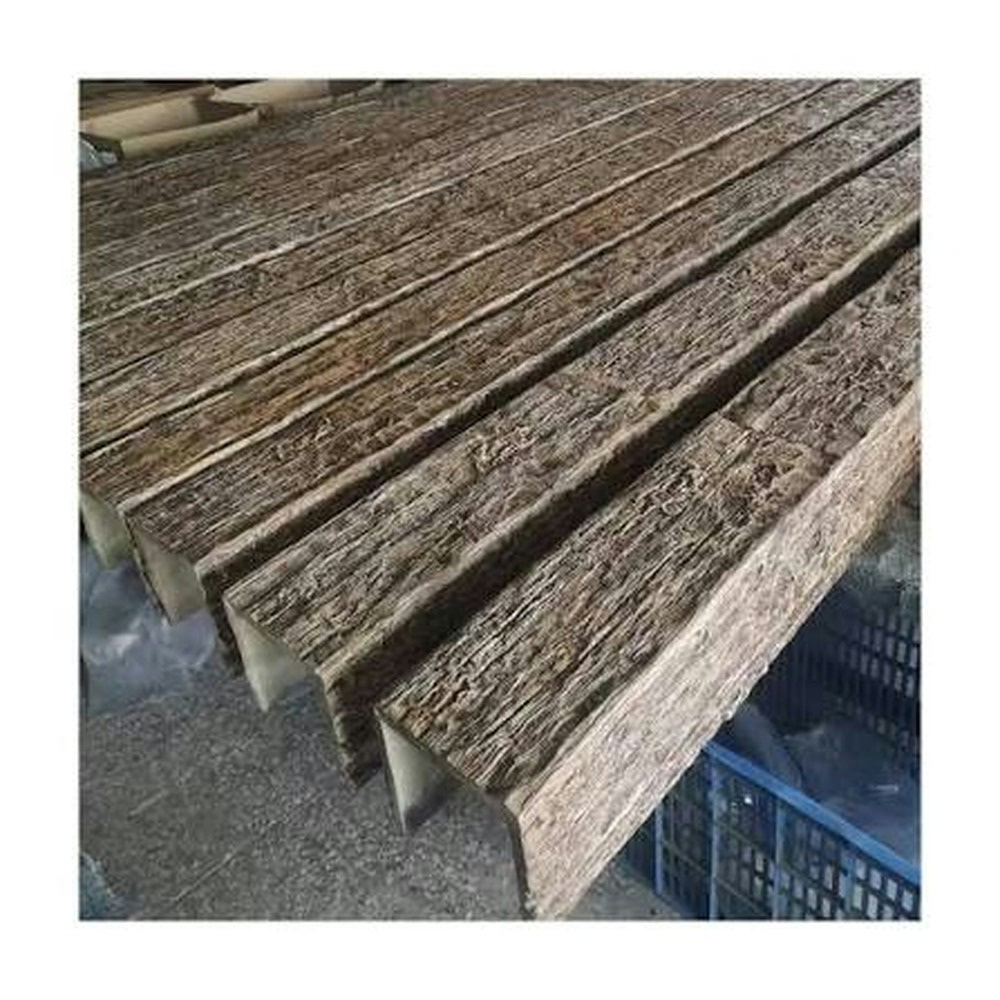
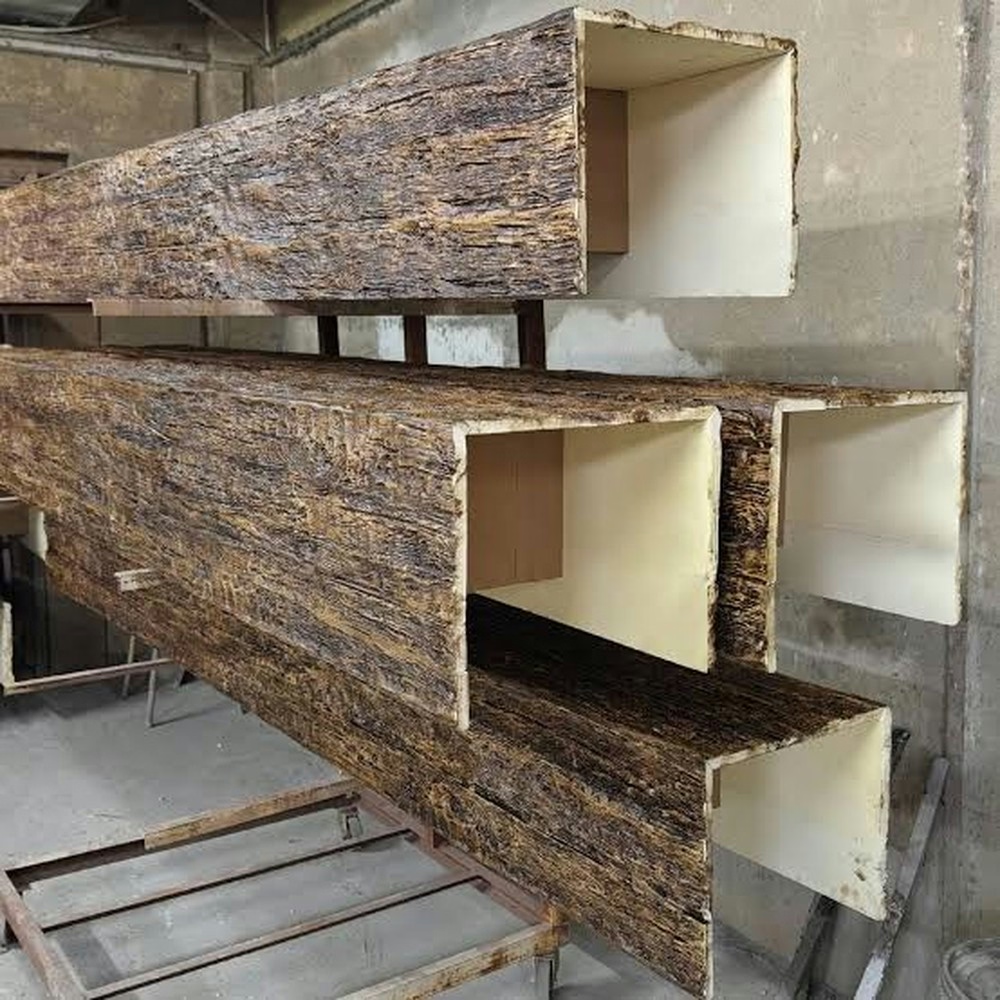
Material performance in kitchen environments favors polyurethane over authentic timber alternatives. Polyurethane resists moisture absorption that causes wood swelling, warping, or delamination in humid conditions. Temperature resistance accommodates the wide swings between cold ambient conditions and steamy cooking activity. Non-porous surfaces reject grease penetration that would stain authentic wood permanently.
Fire performance concerns in kitchen proximity merit attention. Cooking-related fire risks make fire-rated faux beams particularly appropriate for kitchen installations. Specifying beams with appropriate fire ratings provides safety margin while potentially satisfying building code requirements that might otherwise exclude wood-appearing materials from kitchen applications.
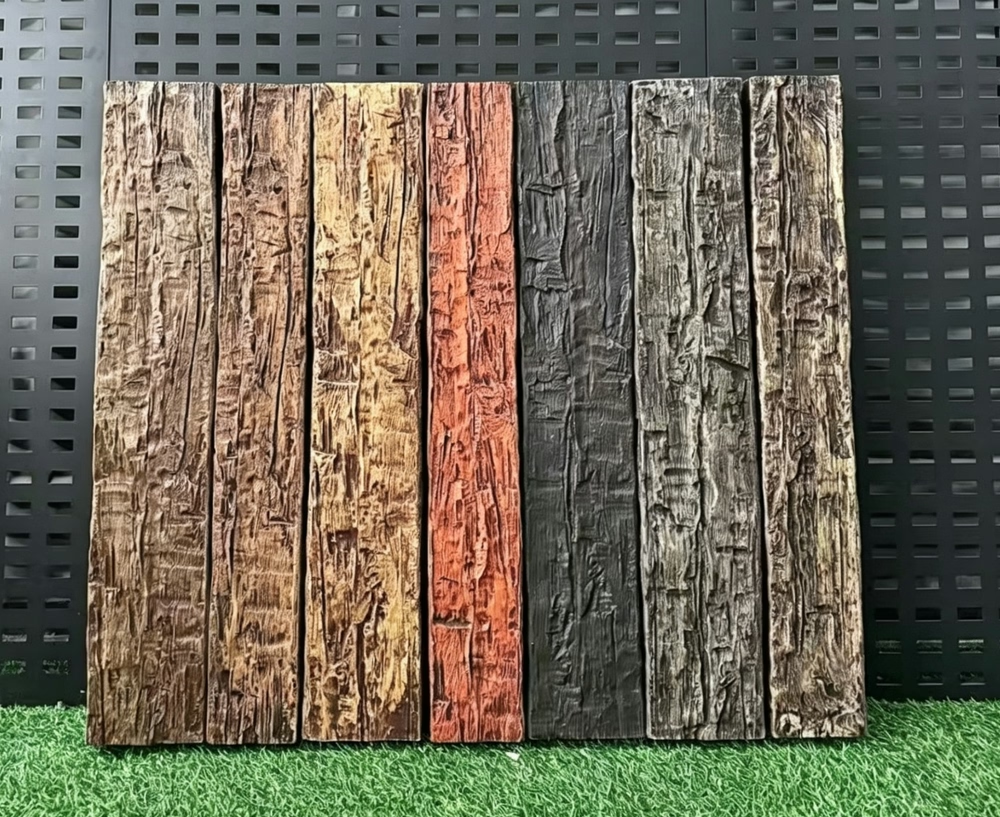
Finish selection for kitchen beams should emphasize cleanability. Semi-gloss or satin finishes wipe clean more readily than matte alternatives. Stain-resistant formulations add protection against grease splatter and cooking-related soiling. Avoiding deeply textured finishes in kitchen applications reduces cleaning difficulty—textured surfaces accumulate grease in recesses that are difficult to access.
Scale relationships in kitchen beam installations require careful attention. Large, heavy beams that read appropriately in open living areas overwhelm modest kitchen volumes. Smaller-scale beam profiles or simple painted beam designs serve compact kitchens without competing with cabinet and appliance massing that necessarily dominates these spaces.
Integration with kitchen lighting deserves planning attention. Recessed fixtures, pendant lights, and under-cabinet lighting all interact with beam placement. Coordinating beam positions with fixture locations before installation prevents compromises that disconnected planning creates.
Technical References
ASTM standards cited in every specification
Test Data
Lab results from internal testing program
Updated 2026
Reviewed against current product specs