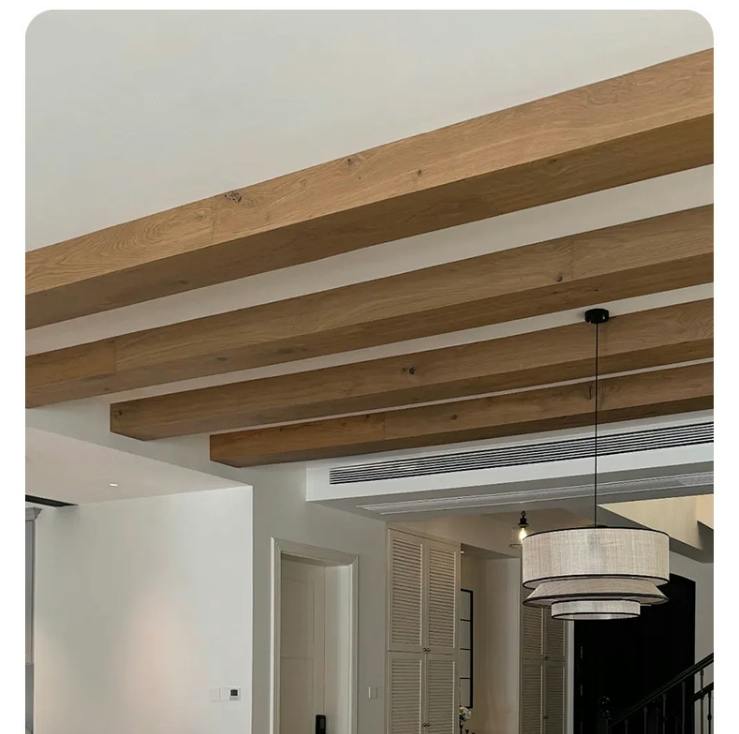
Best Renovation Method to Cover Exposed Ceiling Wiring With Faux Beams
Exposed ceiling wiring—whether from outdated fixtures, abandoned ceiling fans, or renovation changes—creates visual clutter that undermines otherwise polished interior design. Faux wood beams offer elegant solutions for concealing electrical infrastructure while adding architectural character that transforms functional eyesores into intentional design elements.
Assessment of the wiring situation guides method selection. Active wiring serving current fixtures requires maintenance access that beam concealment must preserve. Abandoned wiring can be fully concealed but may require disconnection and safe-capping by qualified electricians before concealment. Understanding which category applies prevents compliance problems and safety hazards.
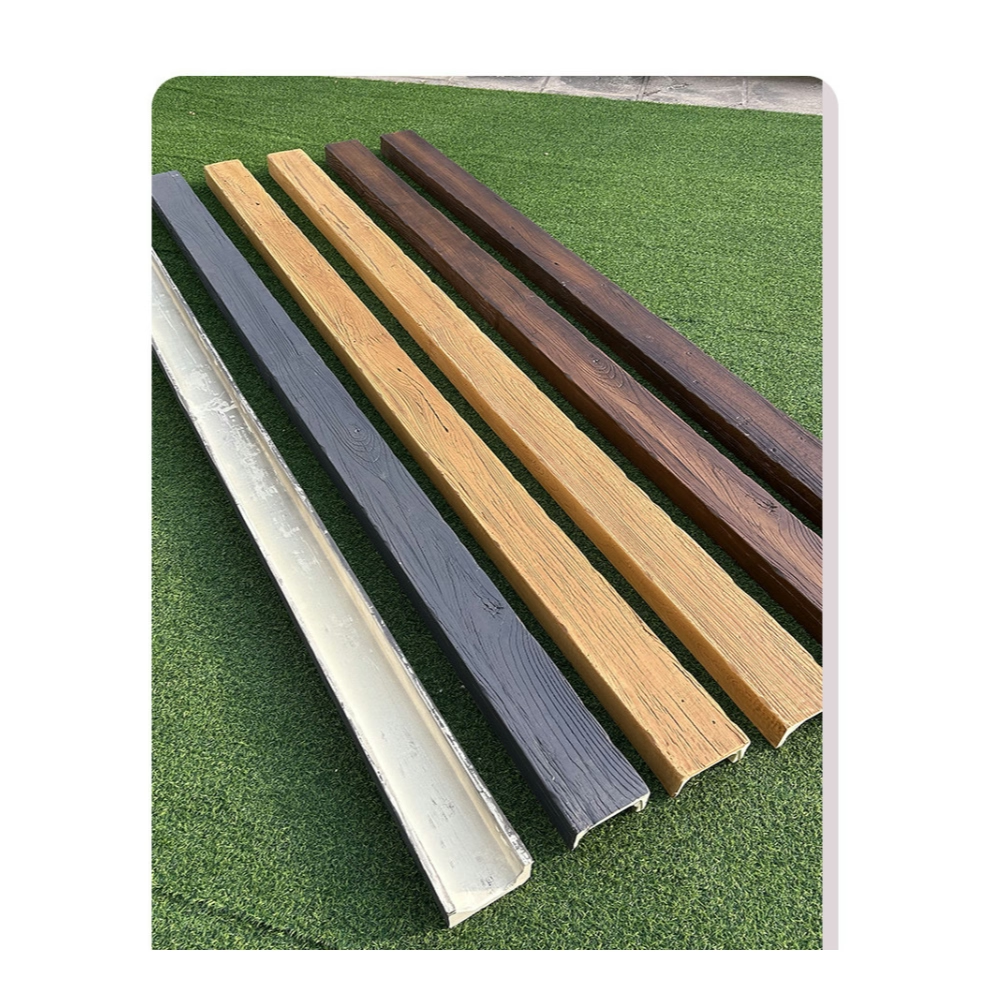
Faux beam mounting systems create natural cavities that conveniently accommodate wiring routing. Electrical cables that would require drywall repair or ceiling reconfiguration to conceal can simply be routed through beam installation cavities, emerging where needed for fixture connections or outlet purposes. This routing capability eliminates otherwise necessary construction work.
Beam depth selection depends on wiring volume and required clearance. Sparse single-cable routing accommodates narrow beam cavities adequately. Multiple cable runs or junction boxes require deeper beams with larger internal cavities. Specifying beam depth that exceeds minimum requirements provides flexibility for future changes without requiring beam removal.
Junction box concealment requires particular attention. Electrical code requirements specify accessibility for junction boxes—concealing these boxes entirely violates compliance requirements. Beam design should position beams to frame junction boxes aesthetically while maintaining code-compliant access. Decorative beam-end treatments can incorporate access panels that appear intentional rather than evasive.
Low-voltage wiring presents fewer concealment complications than line-voltage electrical. Speaker wire, network cabling, and low-voltage lighting controls can be routed through beam cavities without junction box requirements. These applications benefit from beam concealment while maintaining routing flexibility.
Installation sequencing should address wiring before beam mounting. Route, secure, and test all wiring before permanent beam attachment. This sequencing prevents discovering routing problems after beams are installed, when remediation requires disassembly that damages finishes and wastes materials.
Lighting integration can transform exposed wiring concealment from defensive necessity to positive feature. Beams concealing wiring can simultaneously support accent lighting, creating functional improvement alongside aesthetic enhancement. Planning these integrations during renovation design maximizes the benefit that beam installation provides.

Technical References
ASTM standards cited in every specification
Test Data
Lab results from internal testing program
Updated 2026
Reviewed against current product specs