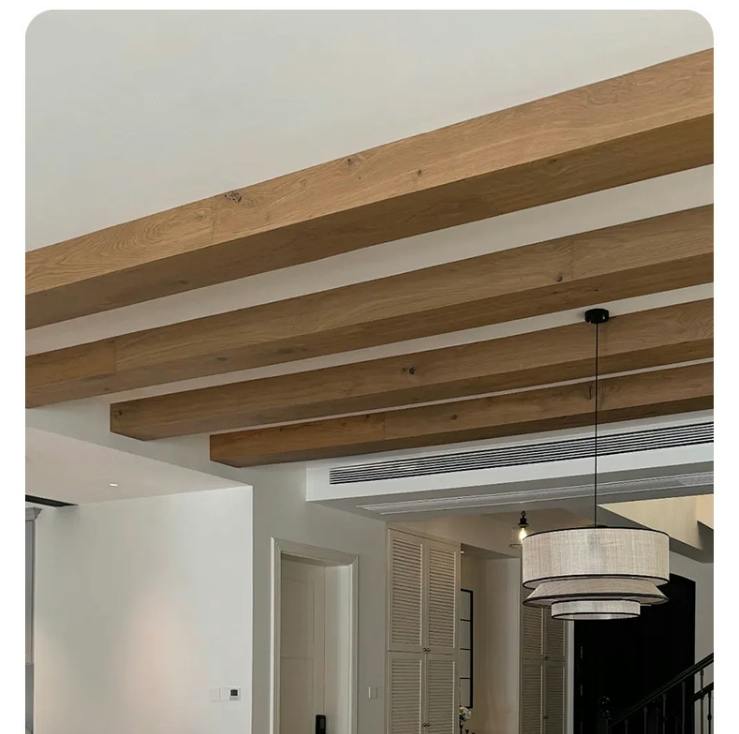
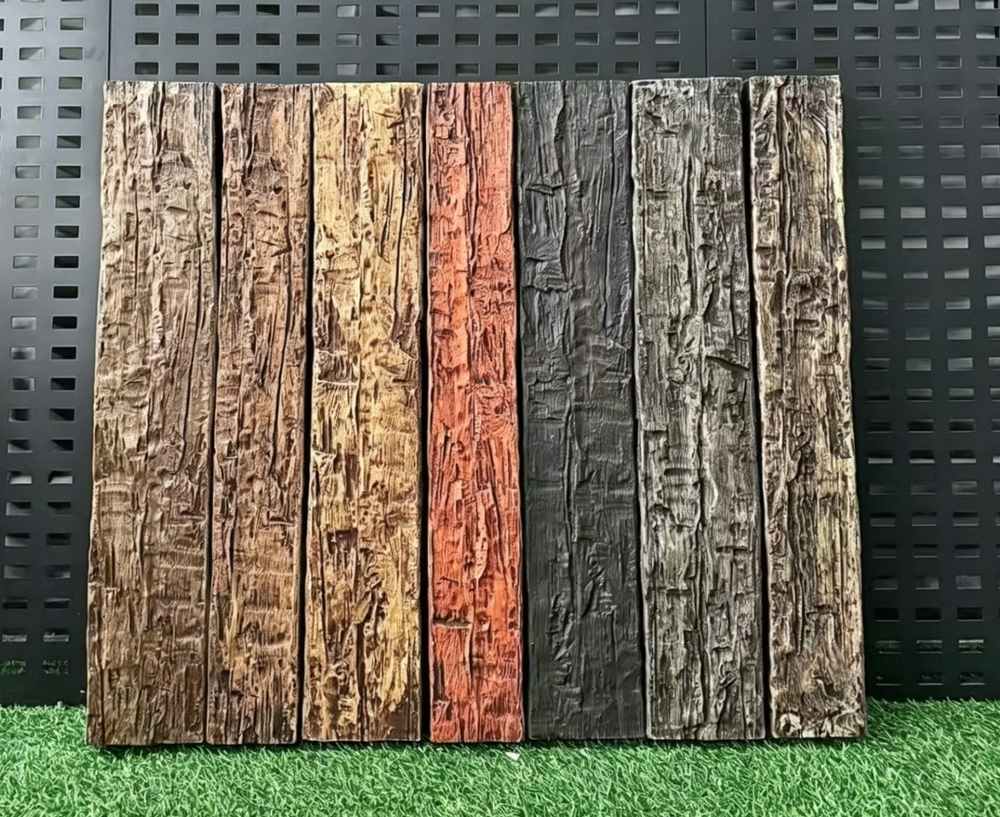
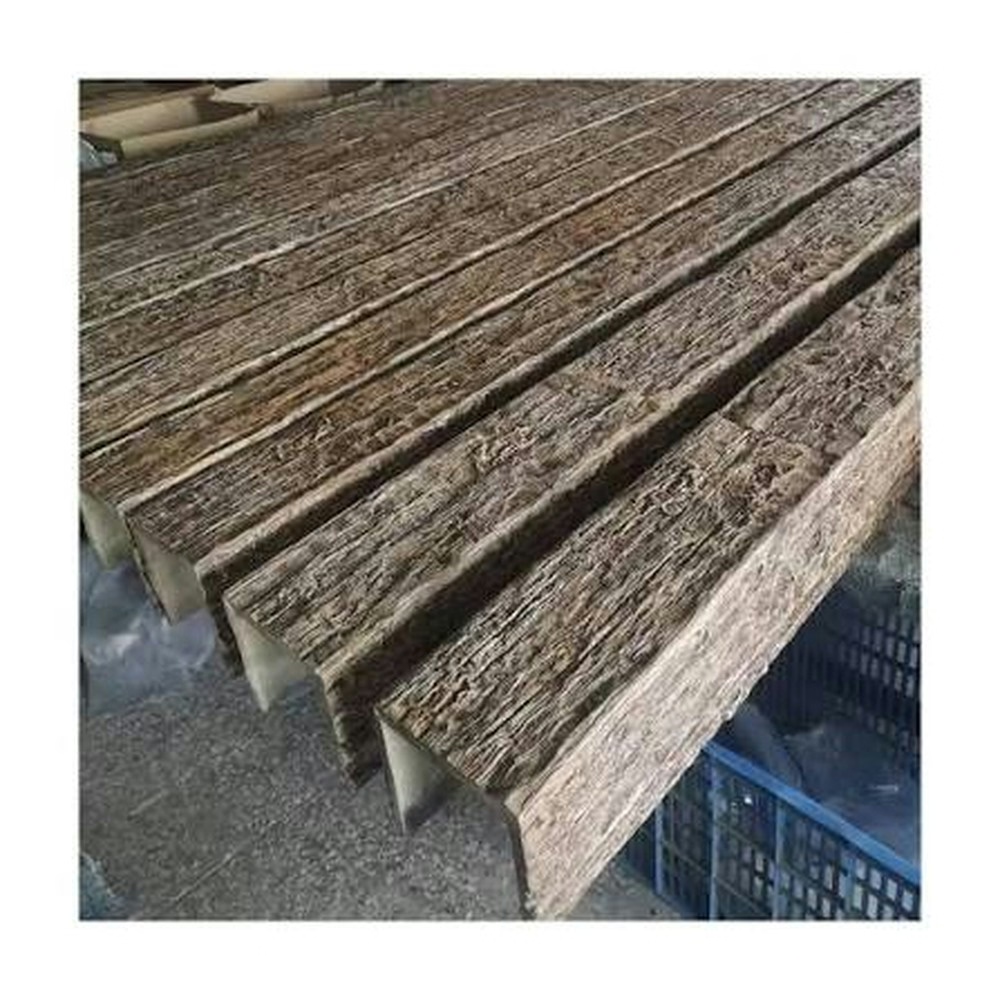
Best-Practice Splice Joint Placement for PU Faux Wood Beams Concealed Above Furniture
Long ceiling spans frequently exceed available beam lengths, requiring spliced joints where two beam sections connect. Furniture placement relative to these splices affects both visual appearance and structural performance—best-practice joint placement considers both factors to optimize installation outcomes.
Visual considerations favor joint positioning that places splices inconspicuously. Splices, regardless of how carefully executed, present potential appearance interruptions. Positioning splices above large furniture pieces—beds, large sectionals, dining tables—places these junctions where they remain invisible from normal viewing angles while standing or seated.
Structural considerations favor joint positioning at bracket locations where mounting hardware provides support. Bracket-supported splices transfer loads through engineered connections rather than relying solely on adhesive bonding. Where design places splices away from bracket locations, supplementary support provisions should be engineered into the installation.
The standard practice establishes that splices should occur over structural ceiling elements—joists or beams—where bracket mounting provides load-bearing capacity. This practice addresses the reduced load capacity that spliced sections present compared to continuous beam spans. Positioning splices at bracket locations maintains structural performance equivalent to unspliced installation.
Concealment techniques for visible splices vary by finish complexity. Stained or natural-finish beams with prominent grain patterns benefit from grain continuation across splices—the eye follows continuous grain rather than detecting joint lines. Solid-color painted beams require careful joint treatment with sanding and finishing that achieves invisible seam appearance.
Splice preparation affects both structural performance and visual quality. Square-cut ends with minimal gap produce strongest adhesive bonds. Mitered ends create visual interest but reduce bonding surface area. Scarf joints—angled cuts that increase bonding surface—provide superior strength for demanding applications but require precise cutting.
Joint compound selection and application for splice finishing requires the same careful approach as any faux beam joint finishing. Flexible acoustic sealant beneath the surface provides elastic support. Setting-type joint compound fills gaps without shrinking. Sanding and priming complete the process that achieves invisible appearance.
Inspection during installation verifies splice quality before proceeding. Pressing firmly across spliced areas reveals any adhesive failure. Visual inspection under strong lighting identifies any surface irregularities requiring correction. Addressing quality concerns before completing installation prevents discovering problems after the installation is finished.
Technical References
ASTM standards cited in every specification
Test Data
Lab results from internal testing program
Updated 2026
Reviewed against current product specs