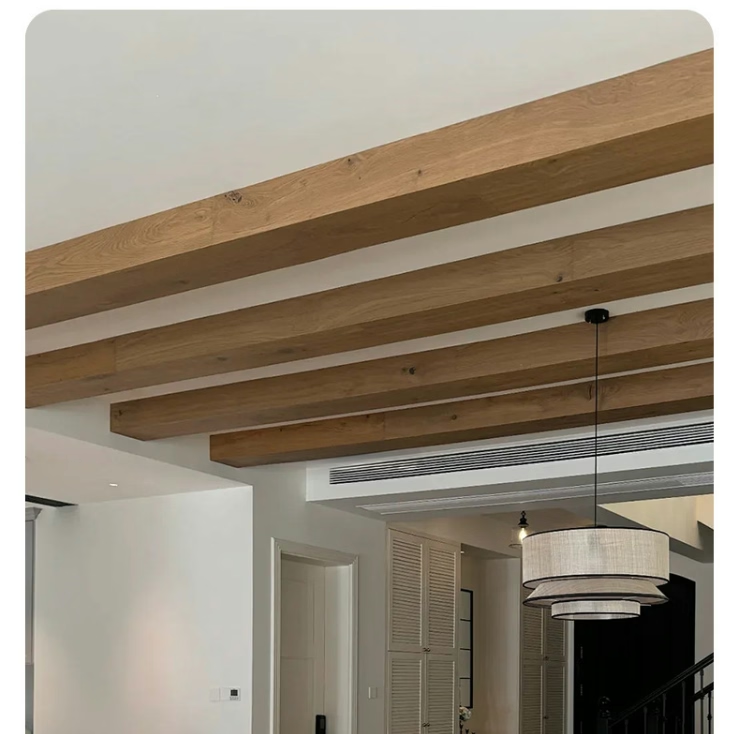
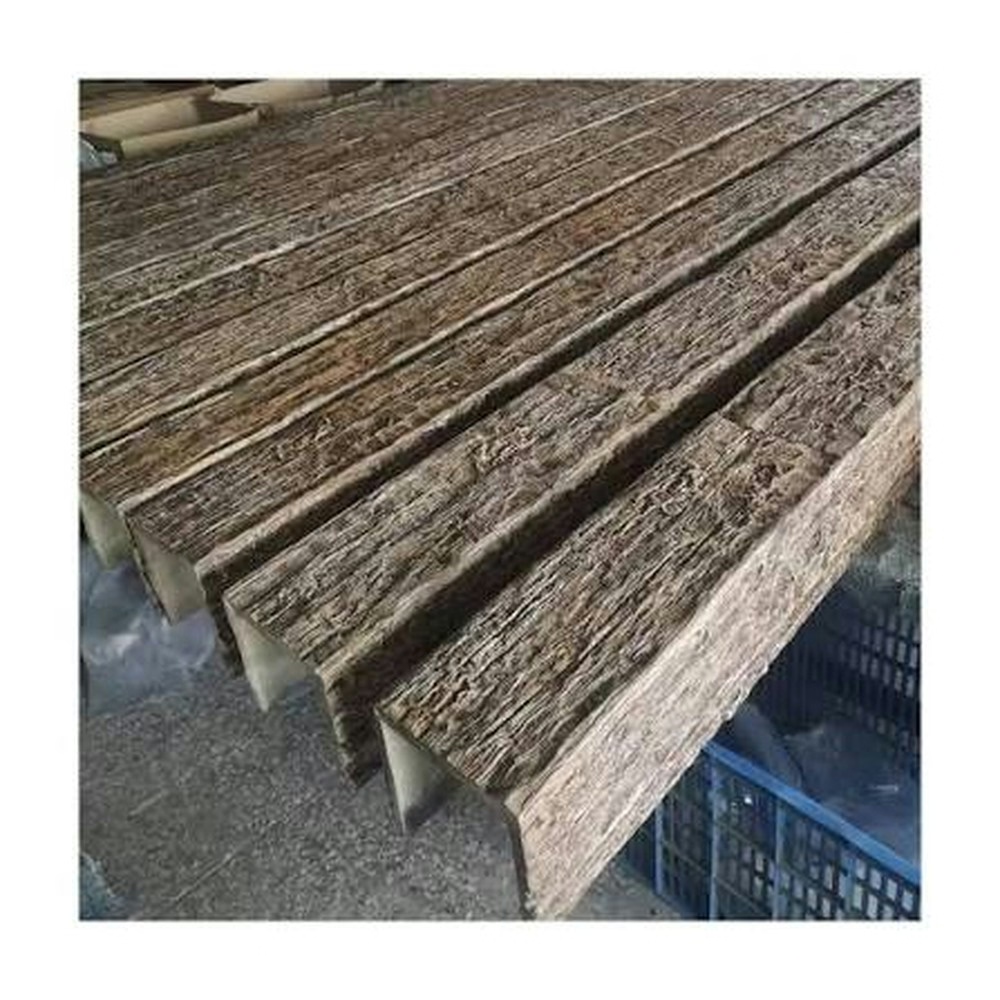
Bestselling Faux Beam Products in Modern Interior Architecture Industry
Market success often signals reliable quality, practical value, and design relevance that single-product promotion cannot manufacture. Bestselling faux beam products in the interior architecture industry represent choices validated by thousands of installations across diverse applications—providing benchmarks against which other options can be evaluated.
Best-selling status emerges from multiple converging factors. Manufacturing quality that consistently satisfies buyers across production batches. Price positioning that delivers perceived value relative to alternatives. Aesthetic appeal that translates across diverse design contexts. Installation accessibility that enables both professional and DIY success. Together, these factors produce the market validation that bestseller status represents.
Profile popularity shifts with design trend evolution. Traditional beam profiles with pronounced details dominated earlier decades, reflecting period design preferences. Contemporary minimalism has elevated simpler profiles with cleaner lines. Rustic aesthetics maintain consistent demand, with weathered and distressed finishes remaining popular. Current bestsellers reflect these ongoing trend dynamics.
Standard dimensions dominate bestseller lists, reflecting the practical reality that most installations require common sizes. Eight-inch and ten-inch depths serve most residential applications. Six-foot to twelve-foot lengths accommodate typical room spans. Four-inch to six-inch widths provide proportional appearance. Departures from these standards serve specific applications but rarely achieve bestseller status.
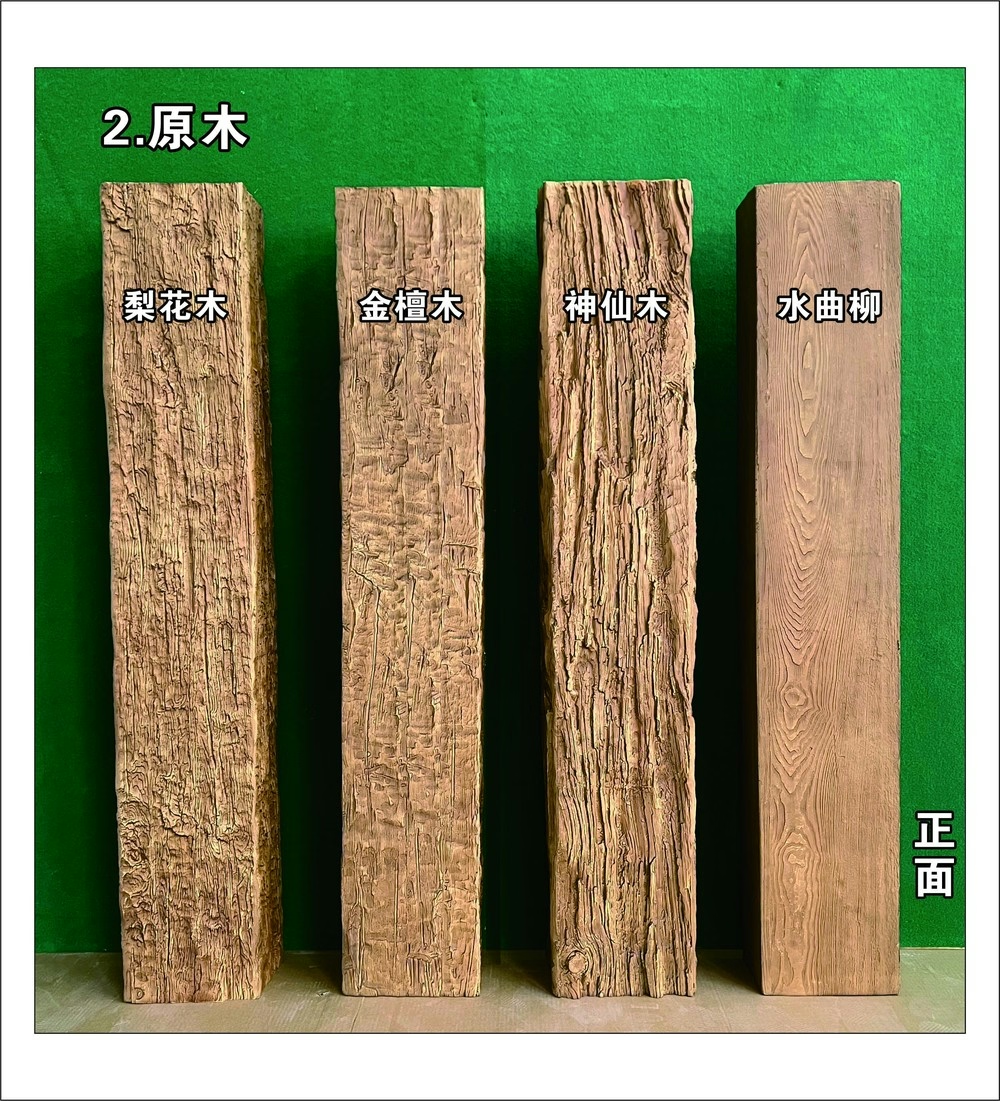
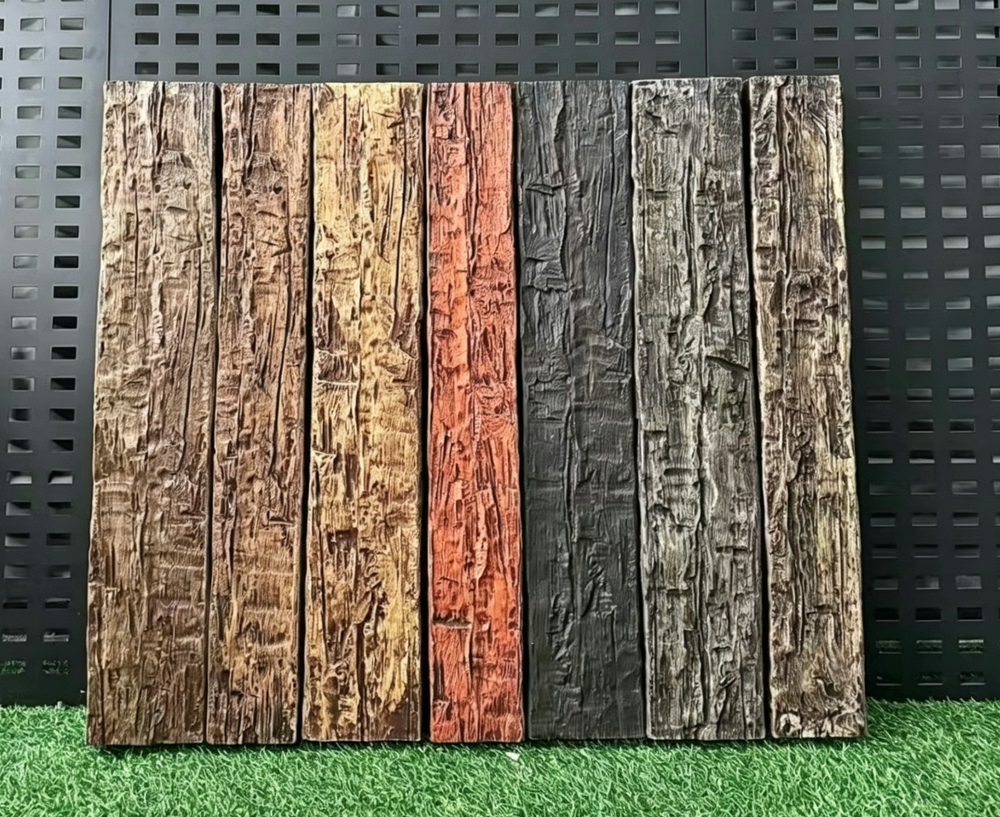
Finish preferences show regional variation that affects bestseller composition. Natural wood tones dominate in North American markets, with oak and walnut consistently popular. European markets show stronger white and painted finish preferences. Asian markets favor lighter tones and occasionally bolder profiles. International distribution affects which products achieve global bestseller recognition.
Mounting system standardization contributes to best-seller success. Products with widely-compatible mounting hardware serve more installation contexts. Installation systems requiring specific conditions limit market applicability. Bestsellers typically accommodate standard ceiling construction without requiring modification.
Distribution reach influences bestseller achievement. Products available through multiple channels—specialty retailers, home centers, online marketplaces—reach more buyers than distribution-limited alternatives. However, channel availability must accompany product quality—poor products accessible widely still fail despite distribution advantages.
Technical References
ASTM standards cited in every specification
Test Data
Lab results from internal testing program
Updated 2026
Reviewed against current product specs