Board and Batten Ceiling Design Paired With Decorative Faux Beams
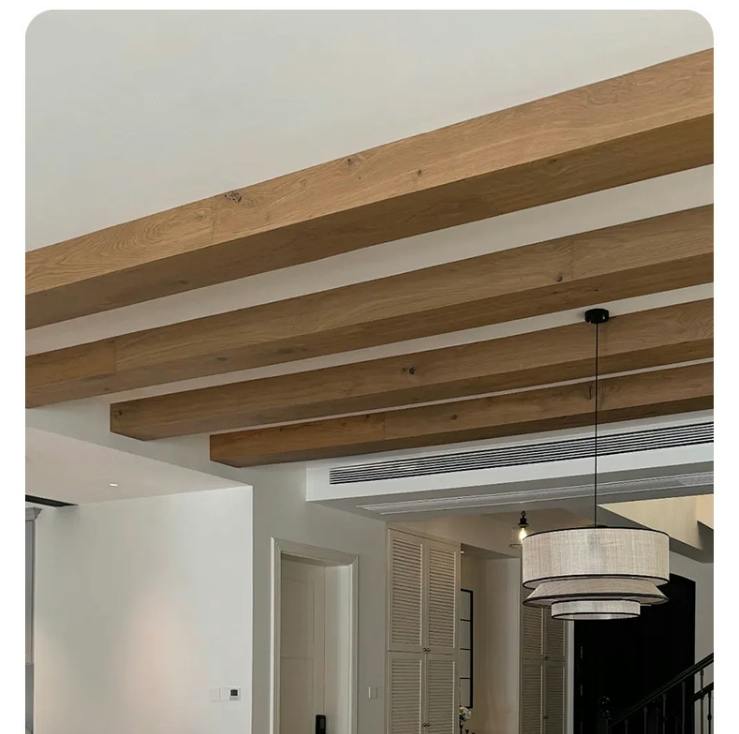
Board and batten ceiling treatments have experienced a remarkable revival in contemporary interior design, offering textured visual interest that transforms flat surfaces into architectural statements. When decorative faux beams intersect these grooved panels, the combination creates dimensional complexity that draws the eye upward while introducing warm wood aesthetic elements into the space. This pairing works particularly well in farmhouse-style homes, craftsman bungalows, and rustic-modern hybrid interiors.
The vertical rhythm established by board and batten installations provides an excellent visual foundation for horizontal beam placement. Faux wood beams spanning across these textured panels create intersecting lines that break up large ceiling expanses into more intimate, human-scaled zones. Interior designers frequently exploit this geometric interplay to define functional areas within open-concept floor plans without resorting to physical partitions.
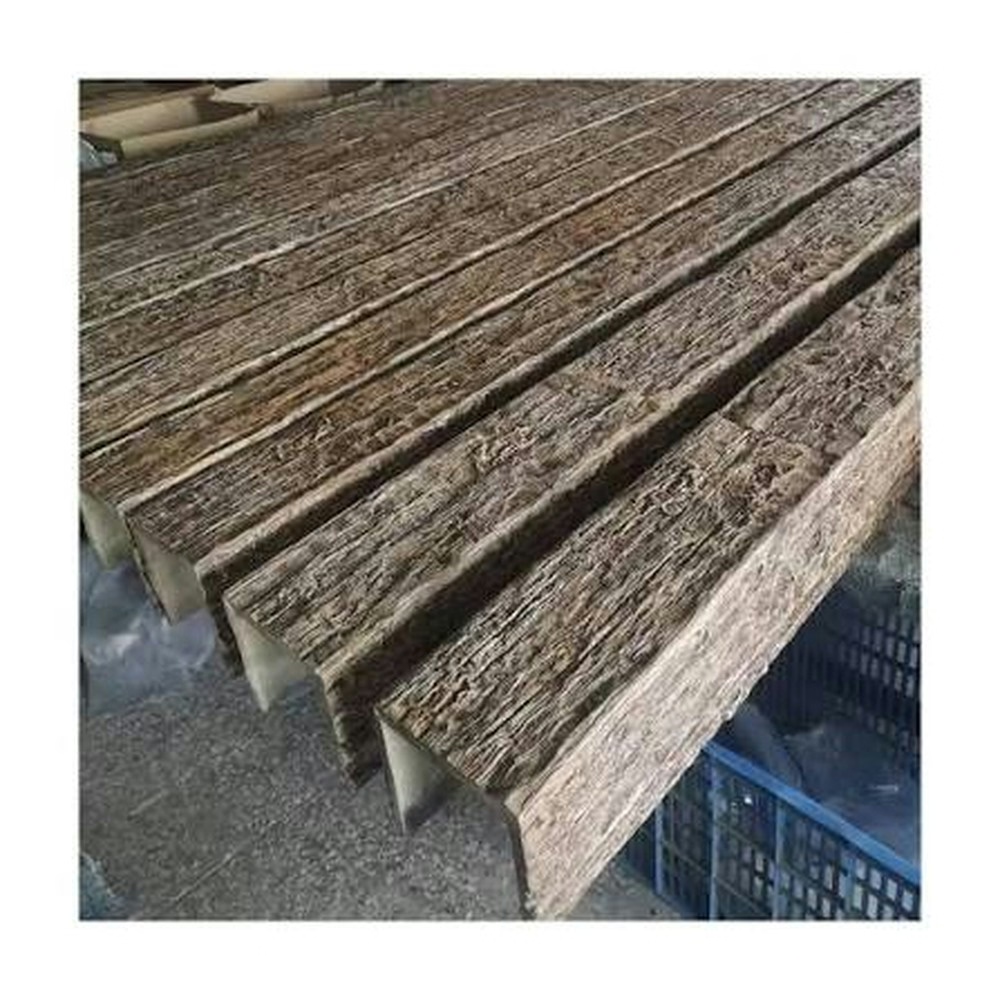
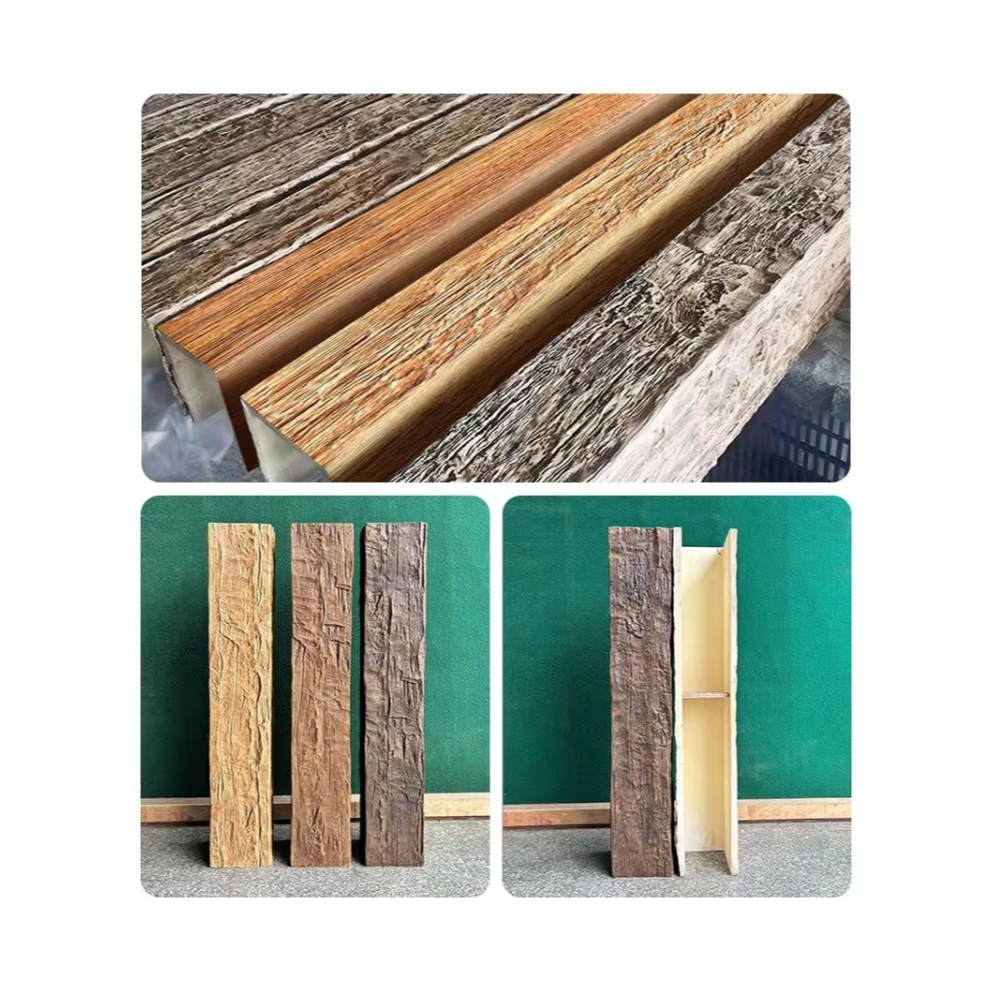
Polyurethane faux beams pair exceptionally well with board and batten ceilings because both materials share a manufactured precision that feels intentional rather than accidental. The clean edges and consistent spacing achievable with polyurethane products complement the regular patterns of batten installations. Homeowners and contractors appreciate this alignment of visual languages when pursuing polished, professional-looking results.
Installation considerations for this combination require careful coordination of the sequencing. Generally, the board and batten paneling gets installed first, with beam mounting plates or brackets positioned to account for the increased ceiling thickness. This approach ensures that beams sit flush against the finished batten surface rather than appearing to float above or sink into the recessed channels. Transition trims at beam endpoints require extra attention to maintain clean lines.
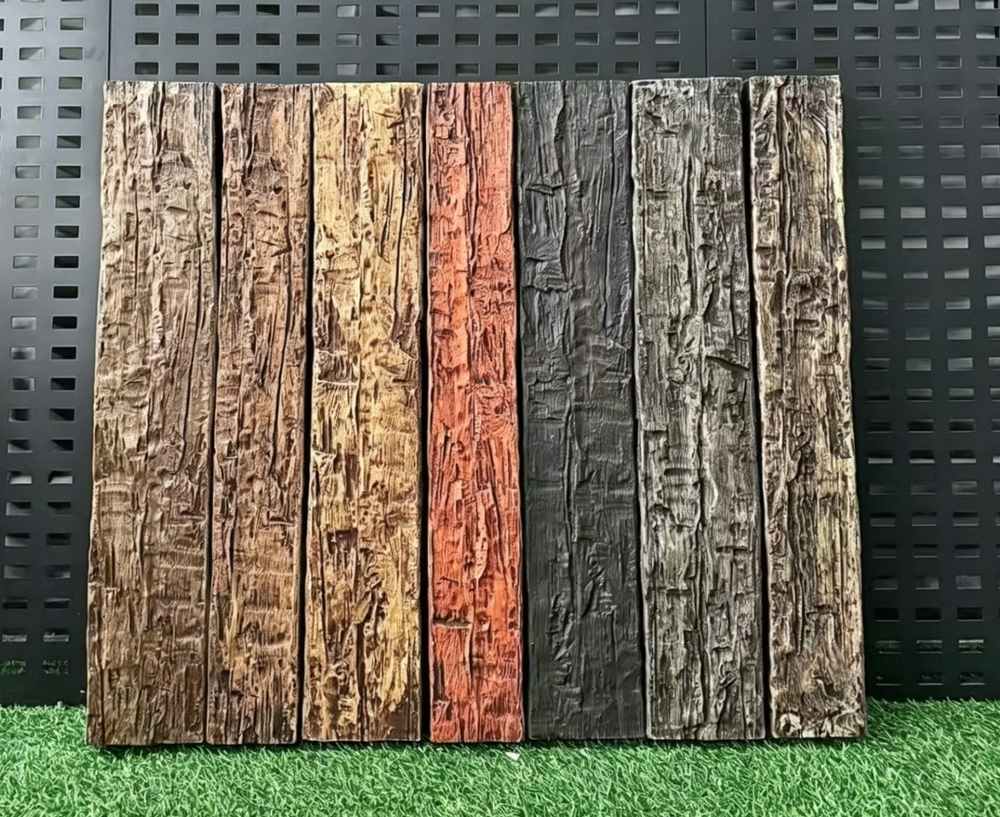
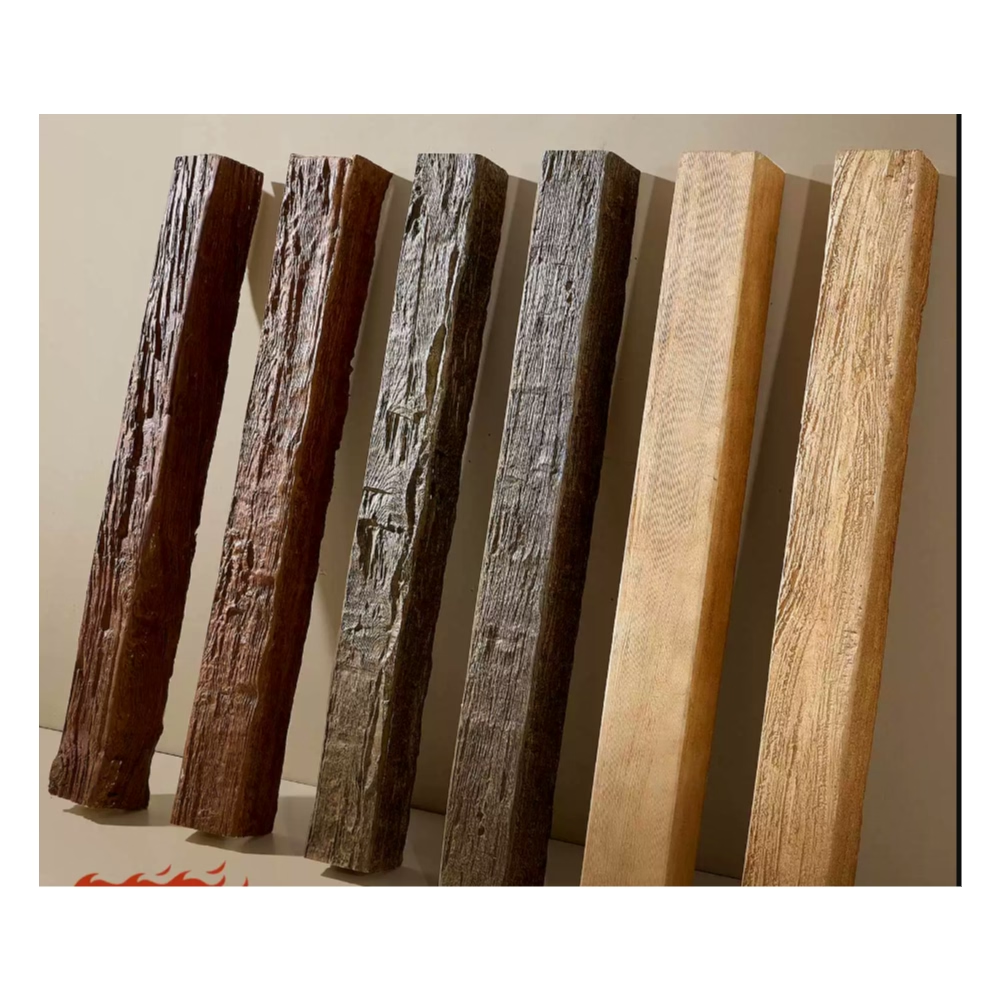
Color coordination between faux beams and board and batten treatments offers creative opportunities. Many designers choose matching wood tones to create visual cohesion, while others prefer contrasting finishes that highlight each element distinctly. A common successful approach uses slightly lighter tones on beams with darker batten treatments, creating depth through value contrast while maintaining a unified color family.
Maintenance advantages of polyurethane beams prove significant in dusty environments where textured ceilings accumulate debris in their grooves. Unlike real wood or MDF board and batten systems, polyurethane surfaces can be cleaned with damp cloths without risk of water damage. This practical benefit influences decisions in households with allergy concerns or pet-related cleaning challenges.
Technical References
ASTM standards cited in every specification
Test Data
Lab results from internal testing program
Updated 2026
Reviewed against current product specs