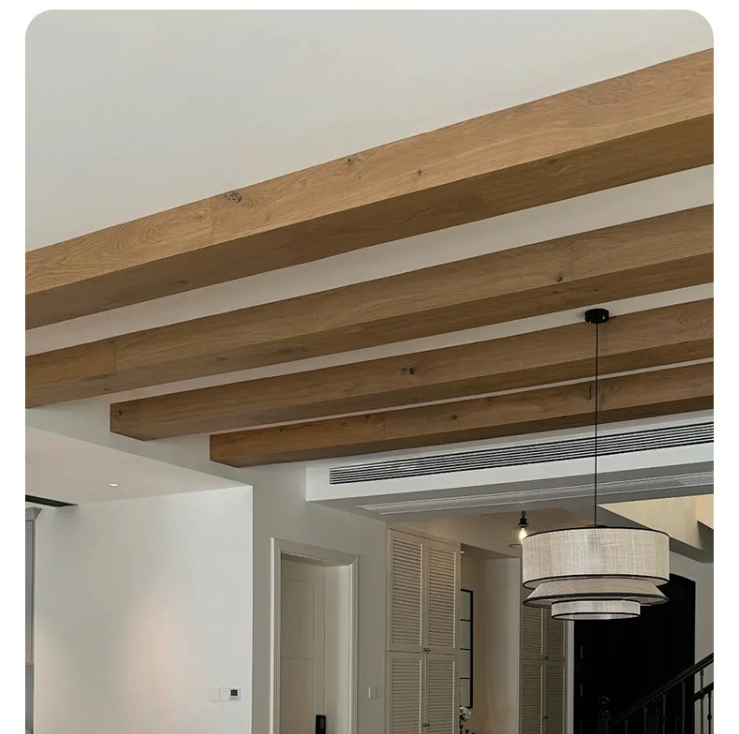
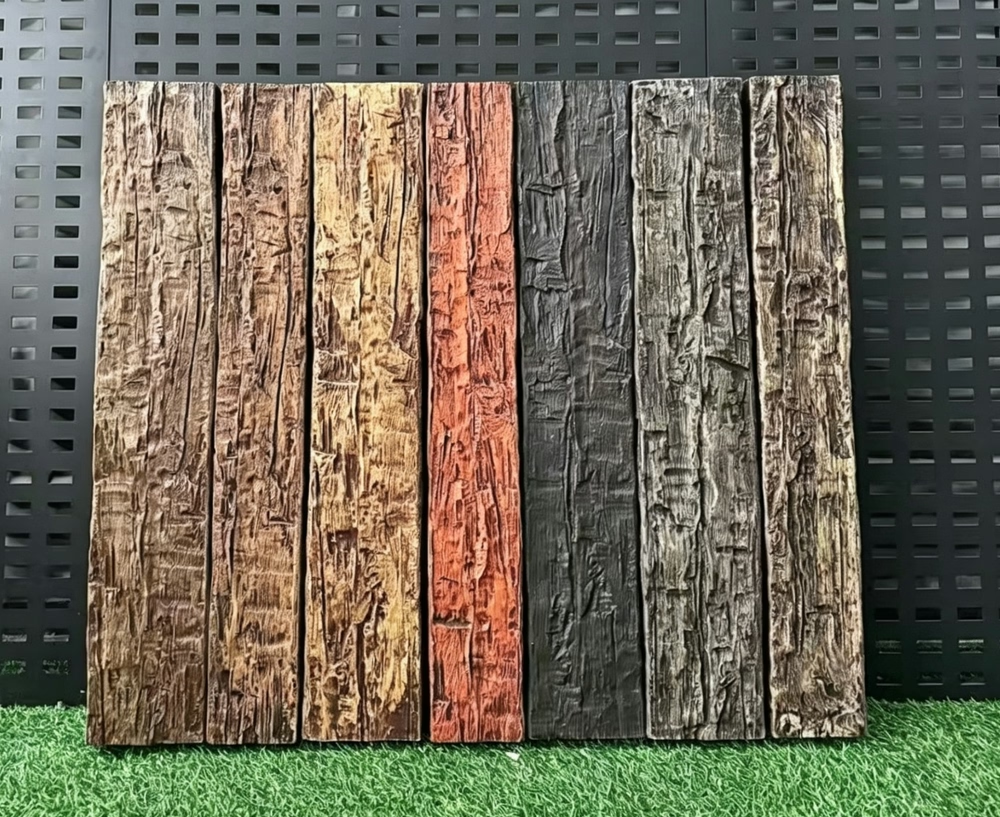
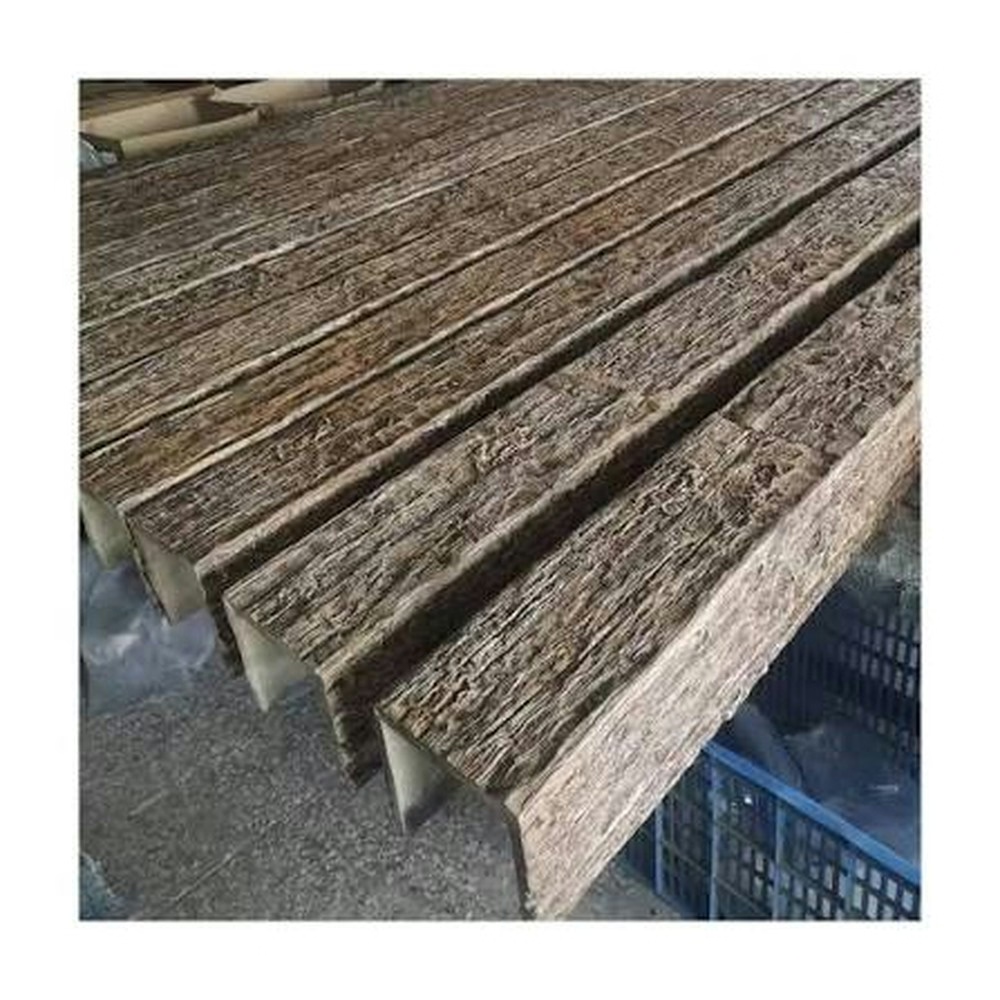
BOQ Reference for Faux Wood Beams in Commercial Interior Projects
Commercial interior projects present unique specification challenges that residential BOQ approaches cannot adequately address. Higher traffic volumes, varied user populations, stricter fire codes, and maintenance requirements unique to commercial settings demand comprehensive technical documentation. This reference guide supports commercial interior professionals in developing specification packages that protect project interests while delivering quality installations.
Commercial Application Categories: Faux wood beams in commercial interiors serve hospitality venues including hotels, restaurants, and nightclubs; retail spaces spanning boutiques to large-format stores; office buildings including reception areas and executive suites; healthcare facilities in patient waiting and public areas; and educational institutions within gathering spaces and libraries. Each category carries distinct performance expectations requiring tailored specification approaches.
Traffic and Usage Considerations: Commercial installations must accommodate impacts from luggage, furniture repositioning, and high-volume pedestrian movement. Specification language should reference impact resistance testing appropriate to application, with hospitality corridors requiring more robust performance than private office ceilings. Specification writers should consult with manufacturers regarding appropriate test protocols and minimum performance thresholds.
Fire Code Compliance: Most commercial building codes classify interior finish materials including ceiling beams according to flame spread and smoke developed ratings. Specification packages must identify applicable code editions and acceptable classification thresholds for specific occupancy types. Some jurisdictions require testing to ASTM E84, others reference EN 13501-1 European classification systems. International projects require careful coordination with local authorities having jurisdiction.
Maintenance Accessibility: Commercial ceilings frequently conceal mechanical systems requiring periodic access for maintenance and repair. Beam installation details should accommodate future access without beam destruction. Specification language should address whether beams must be removable, whether access panels require integration, and how beam repositioning affects warranty coverage. These practical considerations prevent costly problems during building operations.
Acoustic Performance Integration: Commercial spaces frequently require acoustic treatment to control reverberation and speech privacy. Hollow beam construction may accommodate acoustic insulation fill, or solid polyurethane beams may require supplementary acoustic panels. BOQ documentation should coordinate beam specifications with overall acoustic consultant requirements, preventing specification conflicts during installation.
Sustainable Material Credentials: Commercial specification increasingly demands environmental documentation including recycled content percentages, regional manufacturing location, and life cycle assessment data. Specification packages should identify required certifications and documentation formats acceptable to project LEED, WELL, or BREEAM compliance frameworks. Manufacturers with established sustainability credentials streamline compliance documentation.

Technical References
ASTM standards cited in every specification
Test Data
Lab results from internal testing program
Updated 2026
Reviewed against current product specs