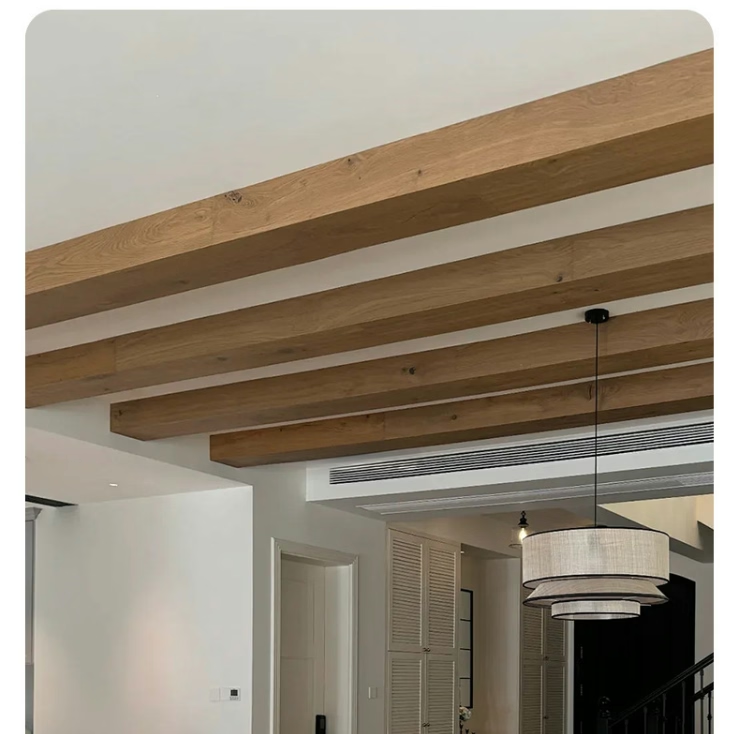
Bright Cathedral Ceiling Design: White Walls Paired With Natural Wood Faux Beams
Cathedral ceilings create soaring interior volumes that challenge designers to maintain human scale while celebrating vertical space. The classic combination of bright white walls with natural wood faux beams achieves this balance perfectly, introducing warmth that prevents starkness while maintaining the light, open feeling that cathedral ceilings promise. This proven design formula works across diverse architectural styles from contemporary to farmhouse.
White Wall Preparation: The success of white wall treatments in cathedral ceiling rooms depends critically on surface preparation and ongoing maintenance. Cathedral ceilings demand flawless paint application because scale amplifies every imperfection. High-quality semi-gloss or eggshell finishes provide subtle visual interest while remaining washable in dusty ceiling environments. Lighting design should minimize harsh shadows that reveal wall imperfections.
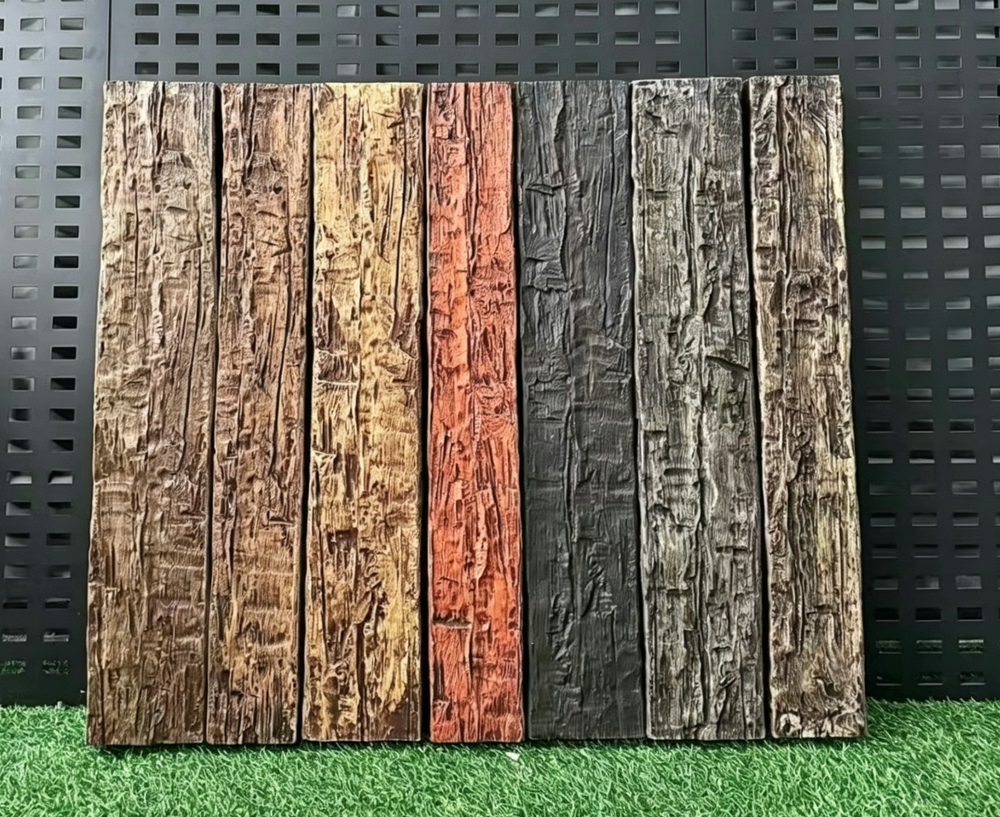
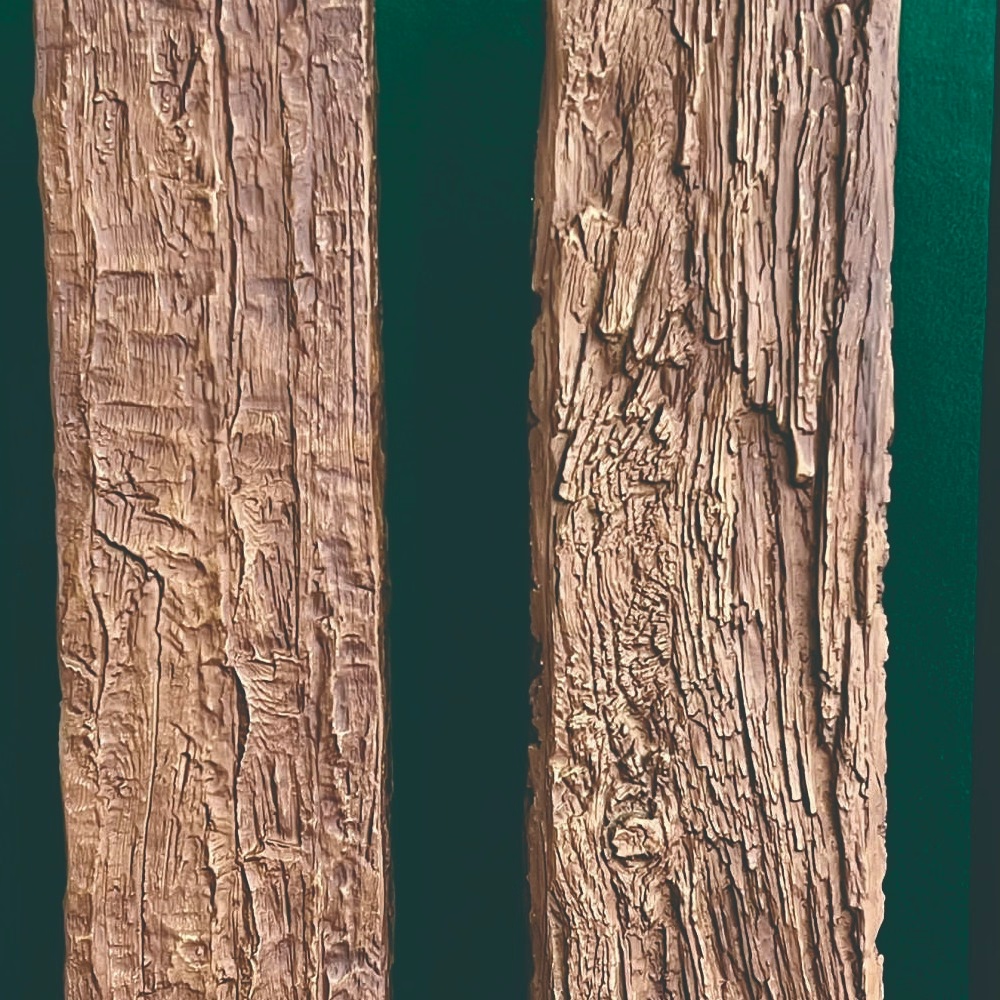
Natural Wood Beam Selection: Against white backgrounds, natural wood beams become true focal points deserving careful selection. Warmer wood tones including honey oak, golden pine, and medium walnut complement white walls most effectively. Cool-toned woods like ash or birch work in contemporary settings but may read as too neutral in traditional applications. Grain pattern intensity should correlate with ceiling scale, with larger ceilings accommodating bolder grain textures.
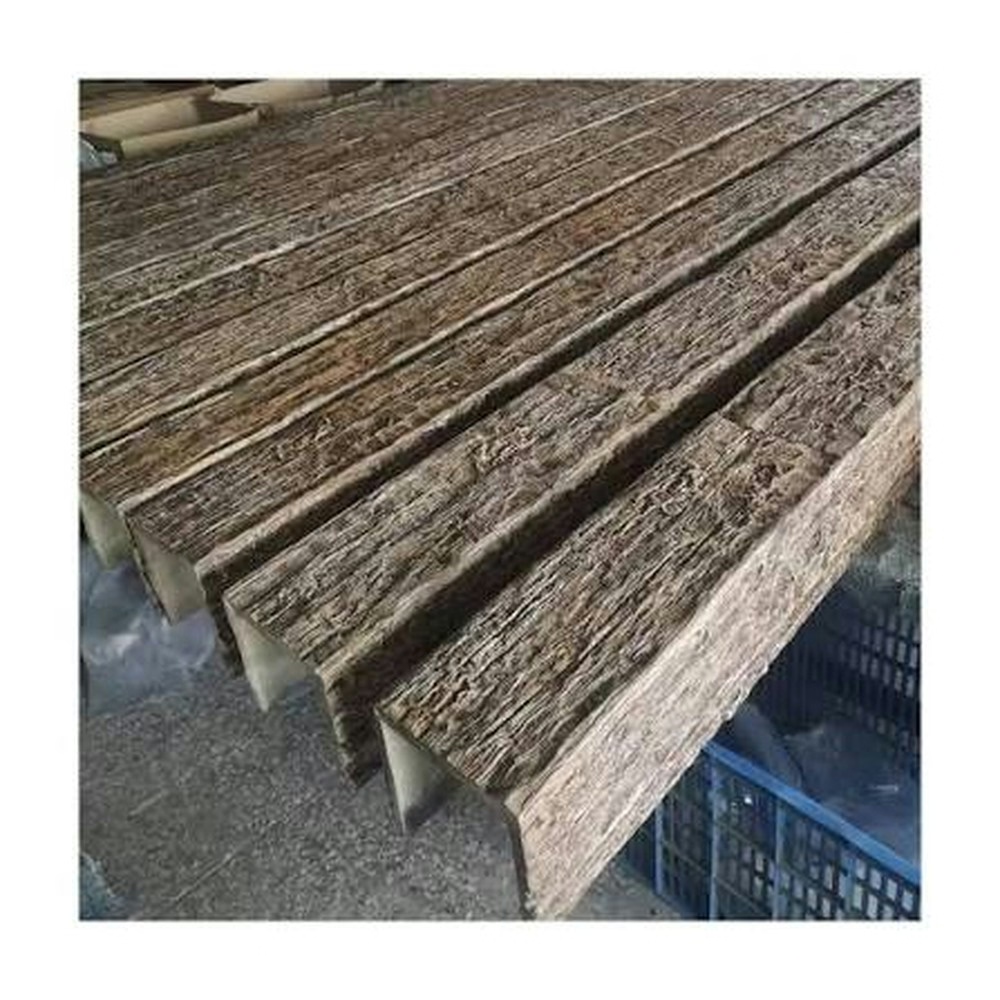
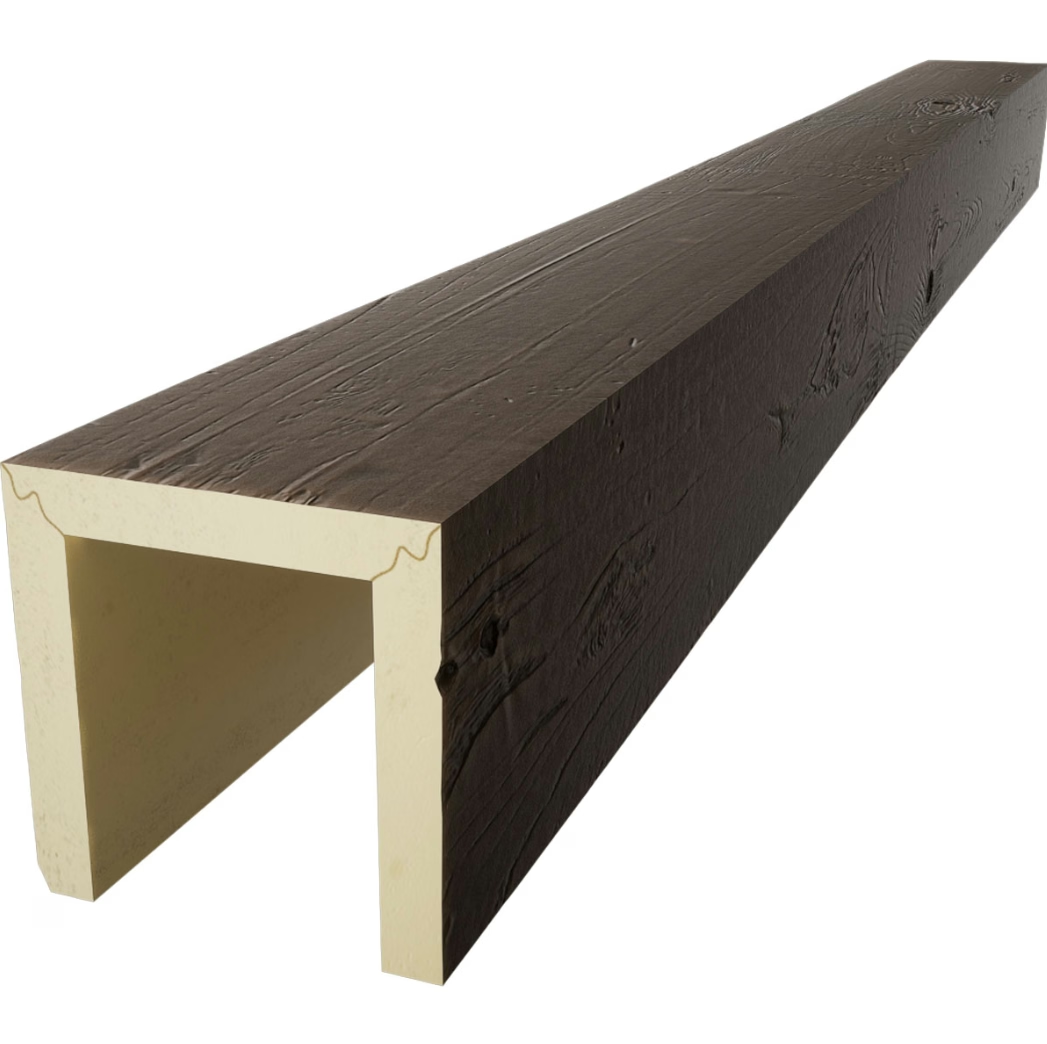
Beam Sizing and Spacing: Cathedral ceiling proportions require proportionally substantial beams to achieve visual balance. Standard residential beam sizes disappear in cathedral volumes, making XL and architectural profile selections necessary. Spacing typically ranges from 900mm to 1500mm depending on room width and desired rhythm. Consistent spacing creates ordered rhythm, while varied spacing can emphasize specific functional zones.
Natural Light Interaction: Cathedral ceilings with substantial glazing create dynamic lighting environments that interact with wood beams throughout the day. Morning light rakes across beam surfaces revealing grain texture through shadow contrast. Midday light floods ceiling planes creating even illumination. Evening light produces warm amber tones that emphasize wood warmth. This daily performance cycle prevents ceiling monotony while celebrating natural light.
Furniture and Decor Coordination: White wall and natural wood beam interiors require deliberate furnishing to prevent sterile atmosphere. Upholstered furniture in warm fabrics, area rugs providing textural contrast, and wood-tone accent furniture tie together ceiling treatments with lower room zones. Artwork selection should consider how frames and mat colors interact with both white walls and wood beams.
Window Treatment Considerations: Cathedral window treatments face unique challenges given their scale and positioning. Simple traverse rod systems with floor-length draperies can soften wall proportions while maintaining light control flexibility. Arched windows or specialty shapes may require custom treatment development. Operating mechanisms should be accessible for regular adjustment given frequent light condition changes.
Technical References
ASTM standards cited in every specification
Test Data
Lab results from internal testing program
Updated 2026
Reviewed against current product specs