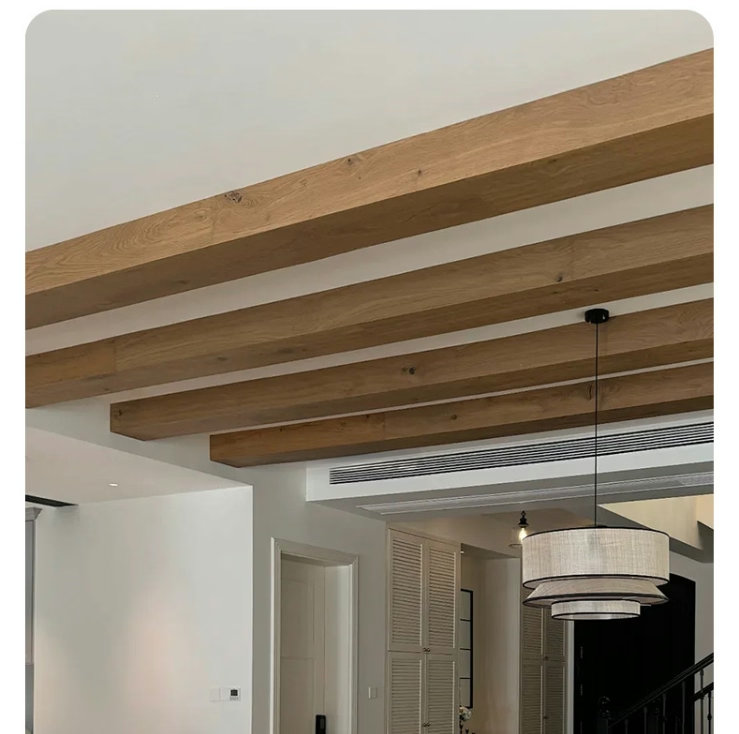
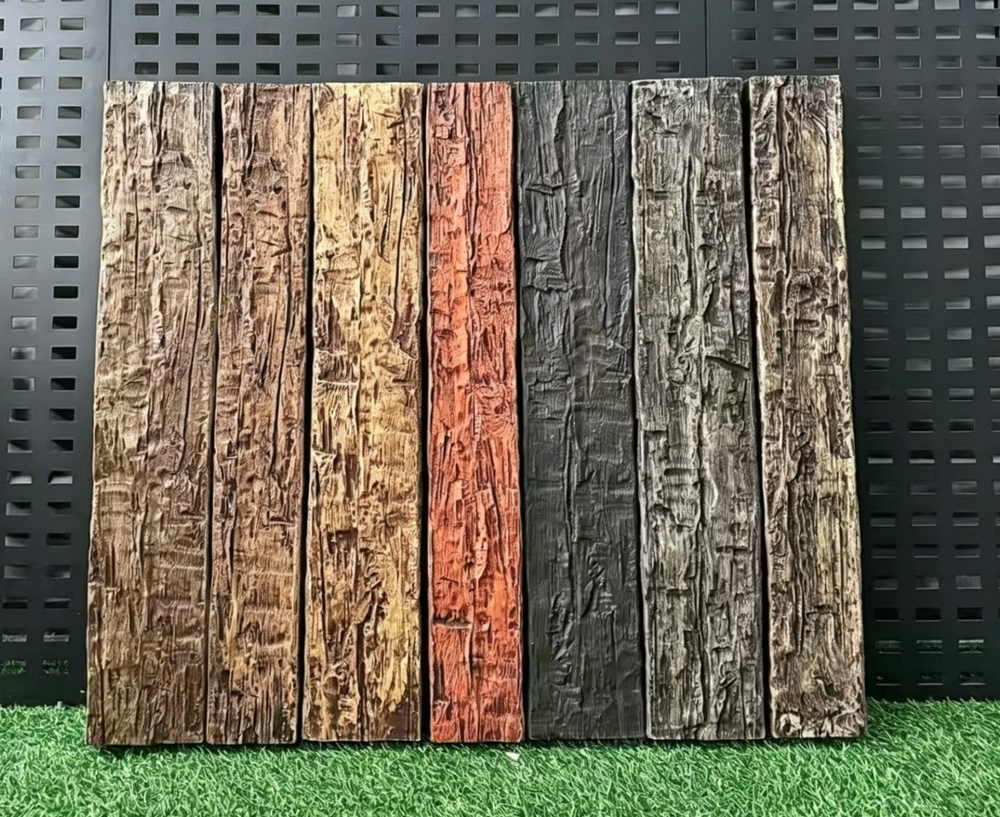
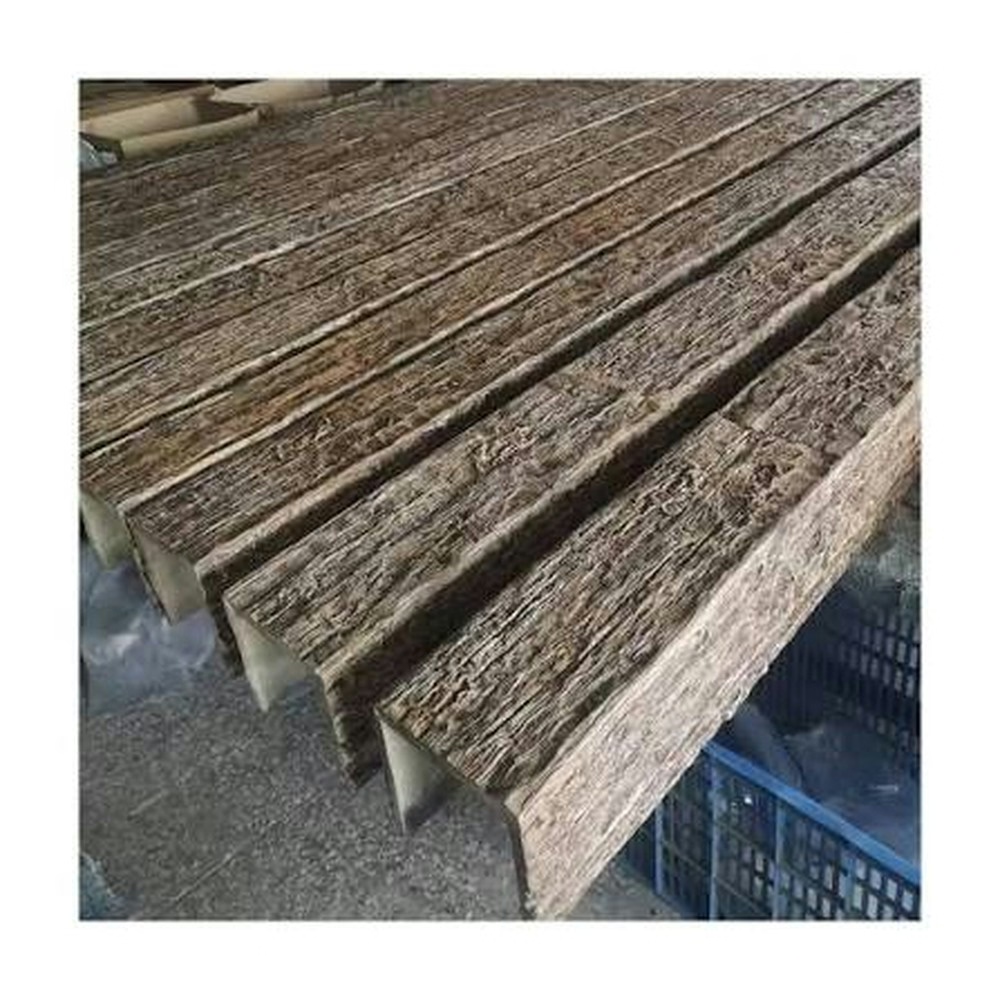
Bright Whitewashed Finish Polyurethane Faux Wood Beams
Whitewashed finish treatments transform polyurethane faux wood beams into pale, washed surfaces that capture the coastal cottage aesthetic perfected over centuries in seaside architecture. These bright beams contribute to interiors seeking airy, relaxed atmospheres where white and pale blue-green palettes dominate and wood elements provide subtle warmth without visual weight. Whitewashing creates approachable timber aesthetics suitable for light-filled contemporary spaces.
Whitewashing Technique: True whitewashing involves semi-transparent white application that partially reveals wood grain and color beneath. This technique differs from solid white paint that completely obscures underlying material. Polyurethane beams can be factory-finished with whitewashing treatments that achieve authentic appearance through careful formulation controlling opacity levels. The goal involves creating beams that read as pale wood rather than white-painted objects.
Coastal Aesthetic Foundation: Coastal interior design prioritizes light, air, and relaxed comfort that whitewashed beams support effectively. The pale appearance reflects seaside light conditions where bright sun and reflective water create intense natural illumination. Whitewashed beams feel natural in these environments rather than foreign as darker timber might appear. This authenticity explains whitewashing's enduring popularity in coastal residential design.
Light Enhancement: Whitewashed beams contribute to light enhancement strategies that make interior spaces feel larger and brighter. Pale surfaces reflect natural and artificial illumination throughout rooms, reducing shadow accumulation and increasing apparent luminosity. For rooms with limited glazing, whitewashed beams maximize the impact of available light through strategic reflection.
Maintenance Advantages: White finishes, including whitewashing, show dust and dirt less visibly than darker colors, reducing cleaning frequency while maintaining presentable appearance. This practical benefit proves significant in high-traffic areas or beach houses subject to sand and salt exposure. Polyurethane surfaces tolerate cleaning without damage, enabling pressure-free washing when cleaning becomes necessary.
Vintage Aesthetic Appeal: Whitewashing emerged historically as practical treatment for timber that simultaneously protected and lightened appearance. This heritage lends whitewashed beams an authentic vintage quality that feels collected rather than purchased. Spaces seeking the curated, gathered-over-time aesthetic that defines bohemian and farmhouse styles benefit from whitewashed beams that contribute to this impression.
Compatibility Range: Whitewashed beams complement diverse color schemes beyond traditional coastal palettes. Gray and white schemes gain warmth through whitewashed wood. Navy and white nautical combinations achieve their fullest expression with whitewashed accents. Neutral schemes benefit from the textural variety that whitewashed grain provides. This versatility makes whitewashing a safe specification for uncertain future color directions.

Technical References
ASTM standards cited in every specification
Test Data
Lab results from internal testing program
Updated 2026
Reviewed against current product specs