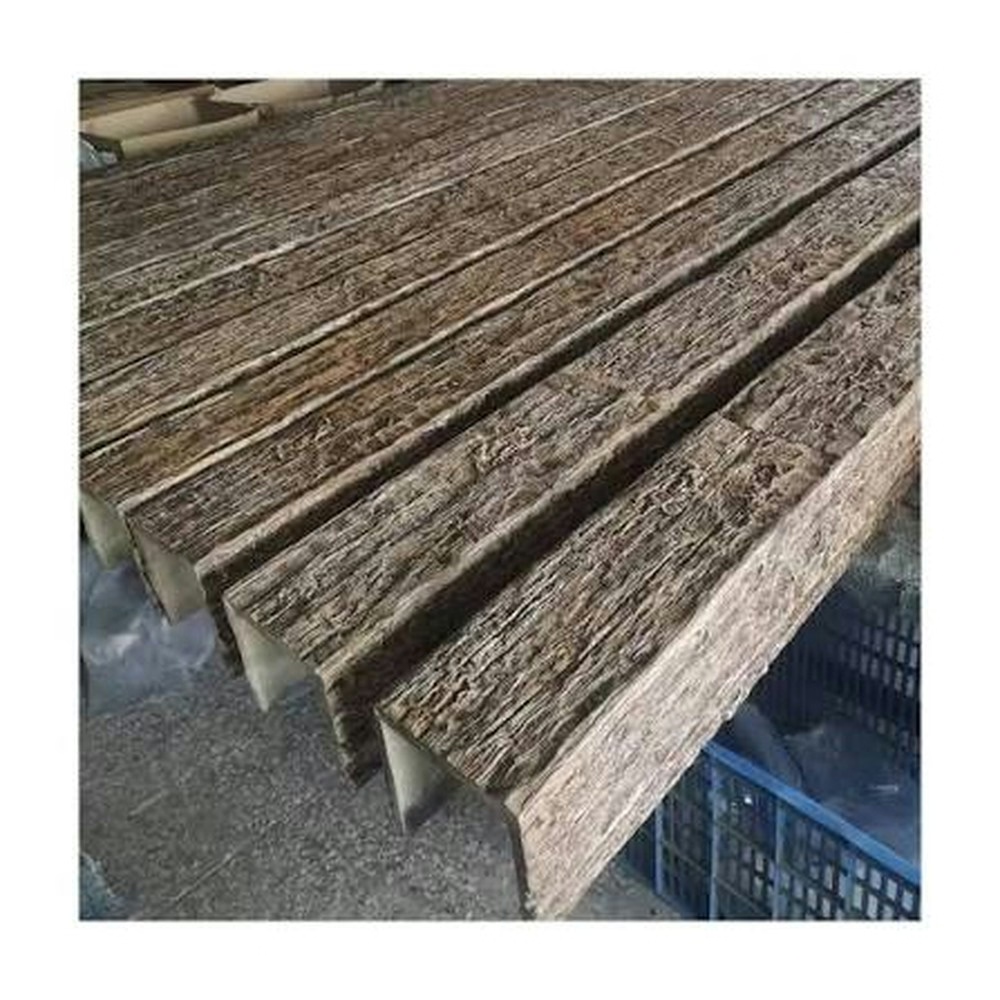
Bulk Container Order Discounts for Faux Ceiling Beam Wholesale Buyers
International trade fundamentally depends on container shipping economics. Standardized shipping containers enable efficient transport of diverse cargoes across global distances. For faux ceiling beam buyers importing from manufacturing regions, container orders represent the standard procurement unit. Understanding container discounts and optimization strategies maximizes value from international sourcing arrangements.
Container loading efficiency directly affects per-unit shipping costs. Beams that pack efficiently into standard containers reduce waste space that buyers effectively pay for without using. Manufacturers experienced in export packaging develop loading patterns that optimize container utilization. The cubic meter cost drops as more product fills each container.
Twenty-foot and forty-foot containers represent the standard options for international shipping. Twenty-foot containers suit smaller orders while forty-foot containers offer better economics for larger purchases. Understanding container capacities helps buyers plan orders that fill containers efficiently. Partial container loads incur disproportionate costs that erode savings from competitive pricing.
FCL (Full Container Load) shipping provides advantages beyond LCL (Less than Container Load) consolidation. Single-owner containers avoid handling transfers that risk damage. Faster transit results from direct port-to-port service. Customs clearance simplifies when container contents represent one shipment. The FCL advantages make consolidating orders economically attractive even when order sizes seem modest.
Freight forwarding services add value beyond basic shipping. Forwarders consolidate shipments, negotiate rates, handle documentation, and manage customs processes. Their expertise prevents expensive errors that inexperienced shippers commonly make. The forwarding fees typically prove worthwhile through savings and reduced complications.
Volume discount schedules from manufacturers typically include container-level thresholds. Orders approaching or exceeding container quantities earn progressively better pricing. Strategic ordering that targets container quantities captures maximum discounts. The planning discipline requires patience to accumulate orders but rewards buyers with substantial savings.
Currency considerations affect international purchasing economics significantly. Exchange rate movements can swing total costs substantially between order and delivery. Forward contracts or currency hedging protect against unfavorable movements. Timing purchases when exchange rates favor buyers amplifies savings from competitive pricing. The financial management sophistication separates experienced international buyers from novices.
Payment terms for container orders differ from domestic arrangements. Letter of credit transactions provide security that neither party can achieve through direct payment. Wire transfers with percentage deposits balance convenience and protection. Understanding payment options and their costs enables selection of appropriate arrangements for specific situations.
Import duties and taxes impact delivered costs significantly. Various trade agreements may reduce duty rates for qualifying products. Product classification determines applicable duty rates. Brokerage services navigate customs requirements efficiently. The landed cost calculation must include all landed expenses to compare accurately against alternative sources.
Lead time planning for container orders must account for production, transport, and customs duration. Manufacturing lead time typically runs four to eight weeks depending on order complexity. Ocean transit adds three to six weeks depending on routes. Customs clearance and inland transport require additional time. The total timeline influences inventory planning and project scheduling.
Quality verification before container loading prevents expensive problems after arrival. Third-party inspection services examine products, count quantities, and verify specifications before containers seal. The inspection investment catches issues while correction remains possible. Without inspection, problems discovered after arrival require expensive remediation.
Foreign trade buyers who master container economics gain significant competitive advantages. The savings from optimized container purchasing compound across ongoing procurement. The logistics expertise enables reliable supply that supports business growth. Container order strategies form the foundation of successful international beam trading operations.
Technical References
ASTM standards cited in every specification
Test Data
Lab results from internal testing program
Updated 2026
Reviewed against current product specs