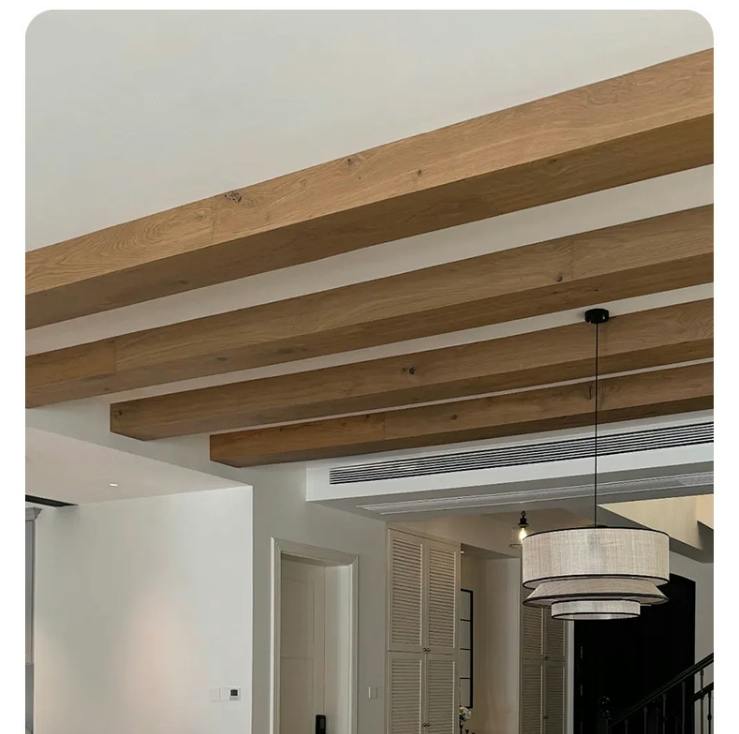
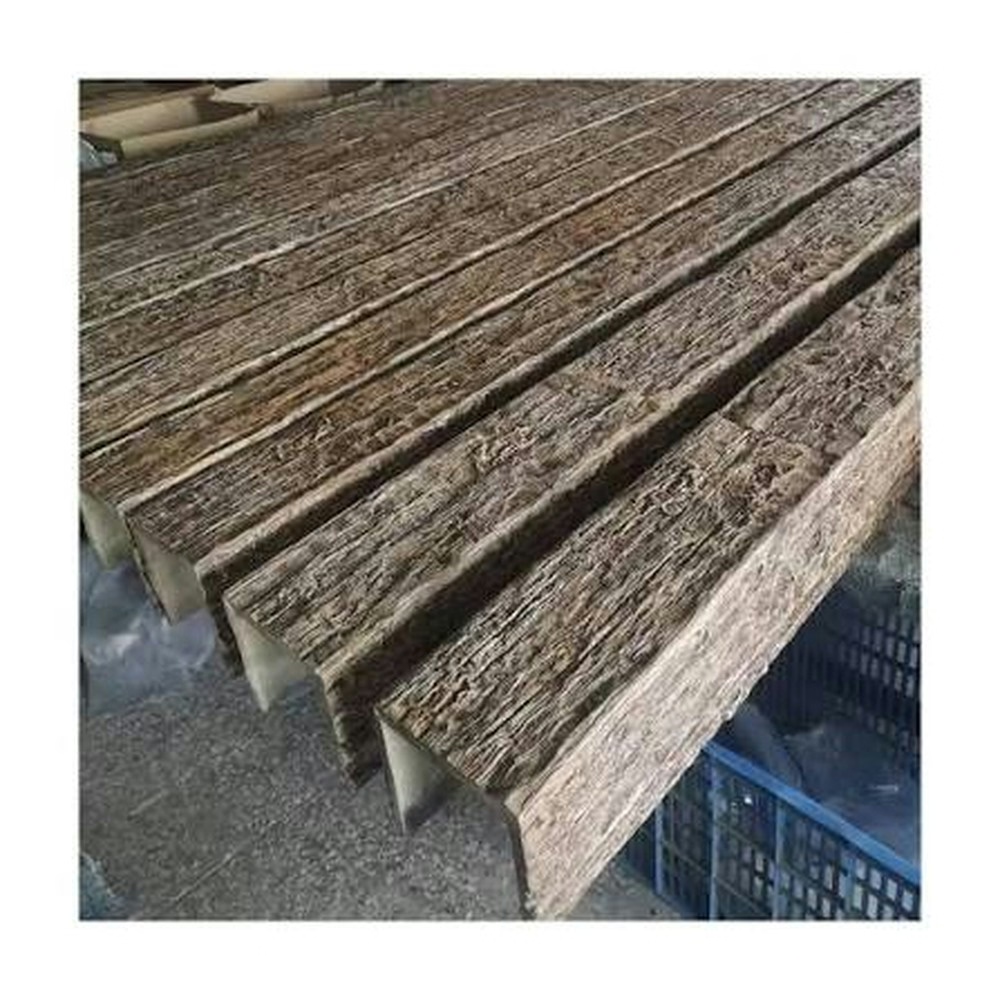
Bulk Faux Timber Beam Supply Partnerships for Professional Designers
Professional interior designers and architects approach material selection as integral to design success rather than incidental purchasing decisions. The materials they specify define project outcomes directly. Long-term supply partnerships benefit designers who depend on reliable material sources for consistent results across their portfolios. Polyurethane faux timber beam partnerships support professional design practice through reliable access, expert support, and collaborative relationships.
Design process integration begins with early supplier engagement. Professional designers increasingly involve material suppliers during schematic design phases when material choices remain flexible. Supplier expertise informs design possibilities that might otherwise remain unexplored. The collaborative approach produces better outcomes than specification-driven isolation.
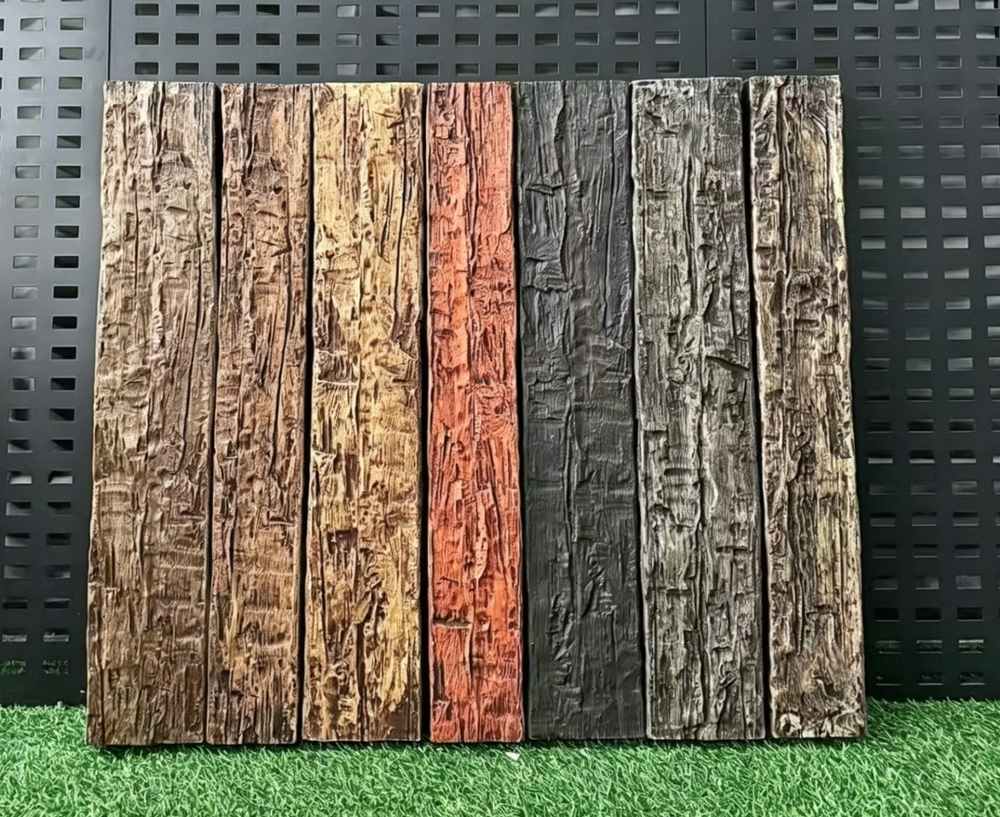
Sample coordination represents essential support that professional designers require. Physical samples enable material evaluation, client presentations, and specification documentation. Designers working on multiple projects simultaneously need efficient sample access without excessive administrative burden. Suppliers who streamline sample services earn design firm preference.
Specification accuracy affects professional reputations directly. When specified materials fail to perform or differ from expectations, designers bear responsibility despite relying on manufacturer claims. Suppliers who provide accurate specifications, comprehensive documentation, and quality certifications protect designer reputations. The trust relationship enables confident specification.
Lead time management for design projects requires supplier responsiveness. Design timelines often compress unexpectedly as projects accelerate. Materials must arrive when needed without delaying completion. Suppliers with adequate inventory, flexible production capacity, and efficient logistics support timeline adjustments that professional practice demands.
Customization capabilities enable design visions that standard products cannot achieve. Professional designers frequently require adaptations—custom colors, modified dimensions, unique profiles, or specialty finishes. Suppliers capable of delivering custom solutions serve design requirements that mass-market products cannot satisfy. The customization partnership enables design excellence.
Continuity across multiple projects supports design portfolio development. Designers building practice reputations need materials that deliver consistent results project after project. Supplier relationships that provide this consistency enable designers to maintain quality standards throughout their work. The reliability compounds into professional reputation that drives business growth.
Competitive pricing for design professionals acknowledges their role in material specification. While designers don't typically purchase materials directly, they influence purchasing decisions that affect supplier revenue. Pricing arrangements that recognize this influence create mutual benefit. Designers gain cost efficiency for clients while suppliers gain specification influence.
Education and training from suppliers expand designer capabilities. Understanding material characteristics, installation techniques, and maintenance requirements enables better specification decisions. Suppliers who invest in designer education create partners capable of representing products effectively. The knowledge transfer benefits designers, suppliers, and end customers.
Project support services distinguish professional supplier relationships from casual sales transactions. Site visits, installation consultation, and post-project follow-up demonstrate commitment beyond product delivery. Designers value suppliers who invest in project success rather than simply processing orders. The service depth creates relationship loyalty that casual pricing cannot match.
Foreign trade designers face additional partnership considerations. International suppliers must understand different markets, design traditions, and client expectations that vary globally. Suppliers capable of adapting to regional requirements serve design professionals working across multiple geographic contexts. The global capability expands design possibilities for internationally active firms.
Professional design practice depends on supply relationships that support creative excellence. Polyurethane faux timber beam suppliers who understand design needs and invest in partnership capabilities earn designer loyalty that sustains business relationships for years. The mutual success of designer and supplier creates value that exceeds transactional economics.

Technical References
ASTM standards cited in every specification
Test Data
Lab results from internal testing program
Updated 2026
Reviewed against current product specs