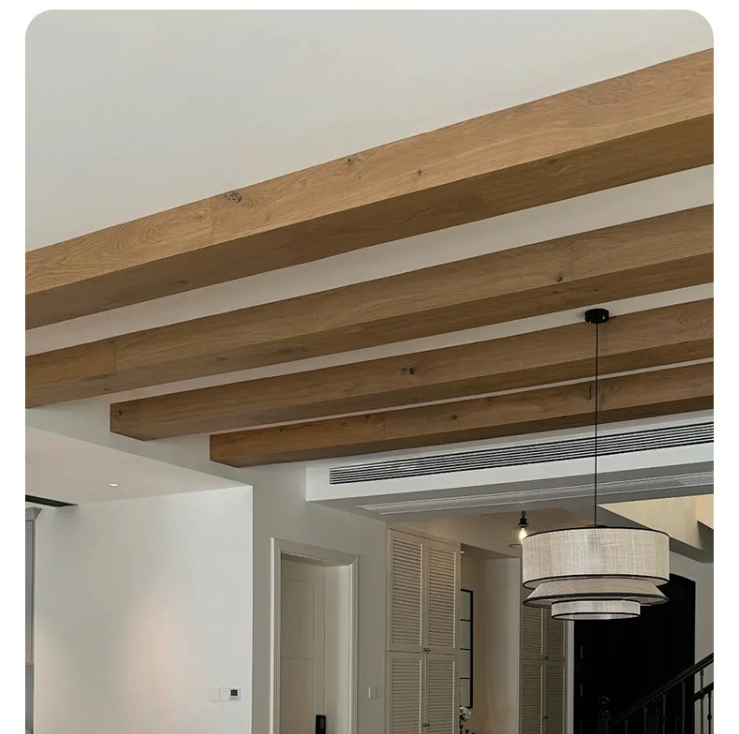
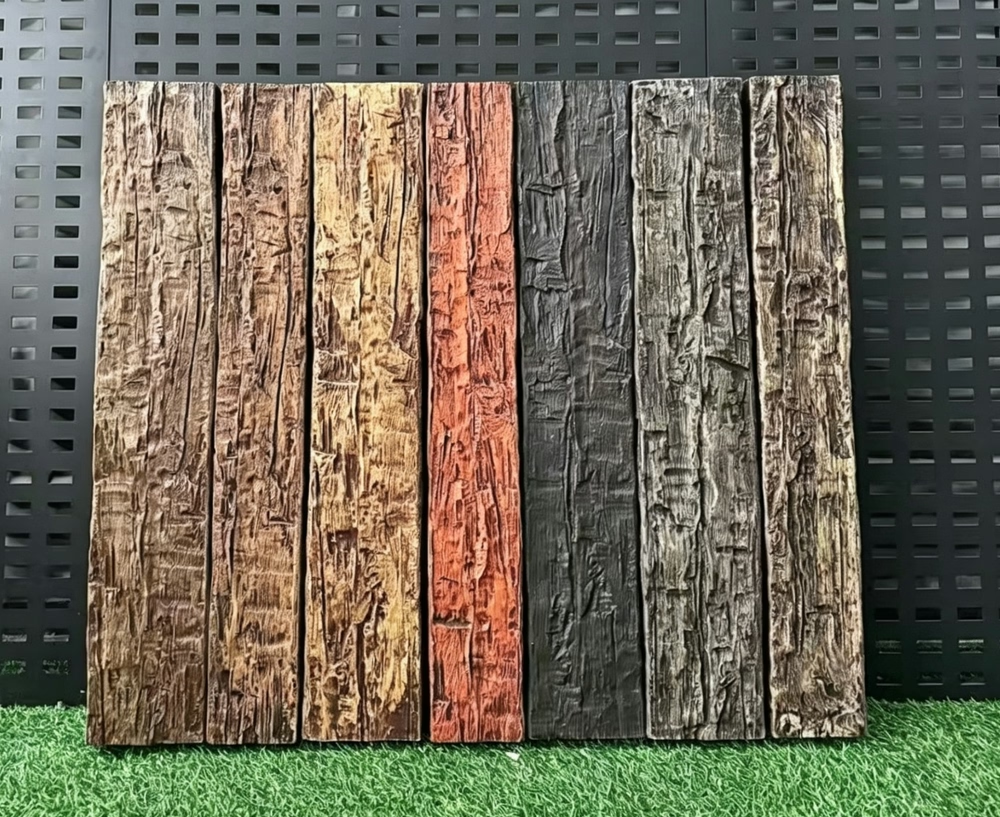
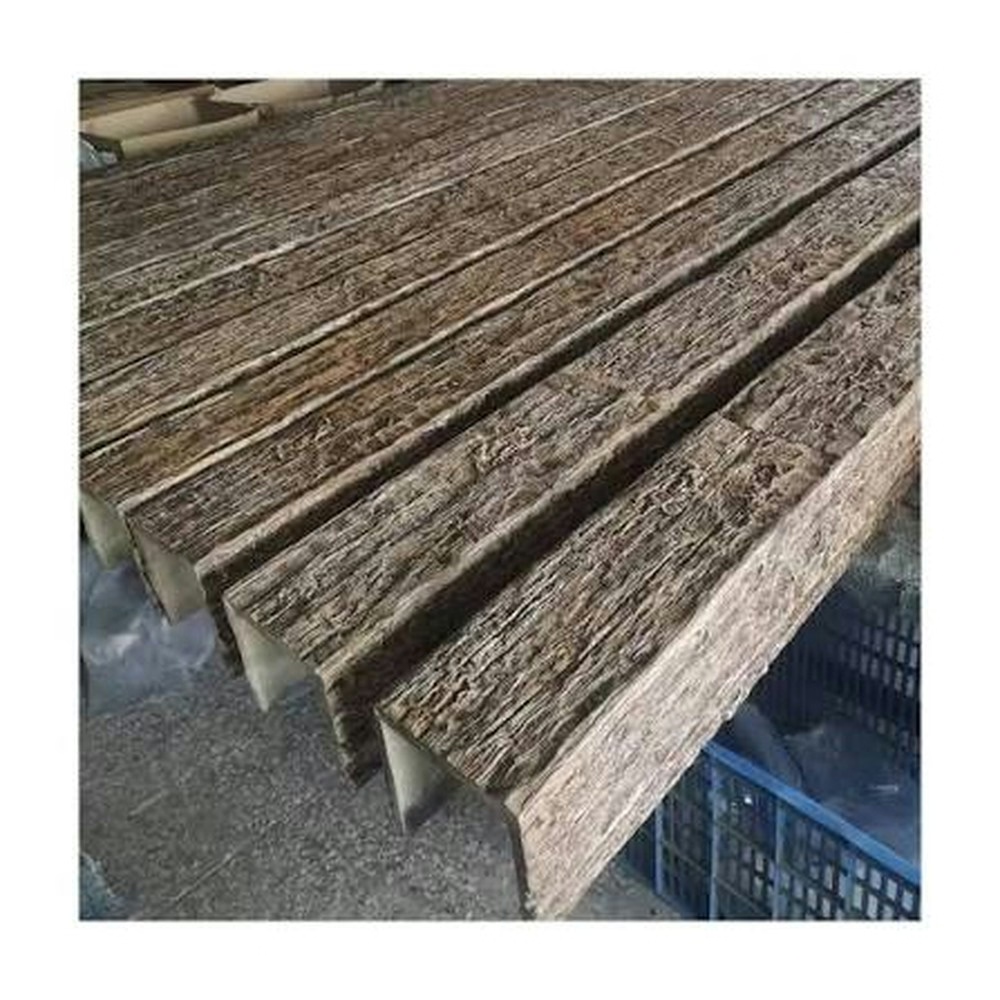
Bulk Wholesale Hollow Shell Faux Wood Ceiling Beams for Contractors
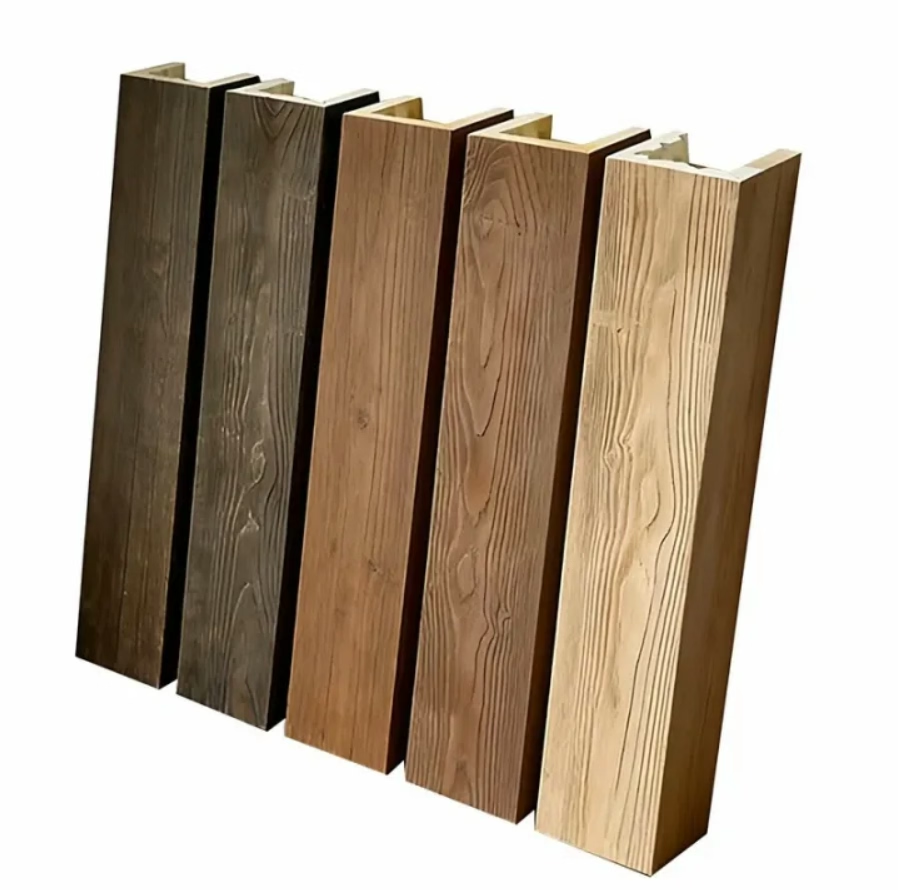
Contractor purchasing for construction projects prioritizes efficiency, reliability, and cost-effectiveness. Hollow shell beam designs offer advantages that contractor applications particularly value. Understanding why contractors prefer hollow shell options helps suppliers position products appropriately for contractor market segments.
Installation efficiency for contractors depends heavily on material handling characteristics. Hollow beams weighing significantly less than solid alternatives reduce physical strain on installation crews. Lighter materials also reduce fatigue that affects worker productivity throughout long work days. The ergonomic advantages improve both efficiency and worker satisfaction.
Ceiling structure considerations often limit solid beam installation options. Existing ceiling joists may not support the weight of timber-style solid beams. Hollow polyurethane alternatives eliminate structural reinforcement requirements. Contractors can specify hollow beams confidently without engineering assessment that solid alternatives might require.
Shipping economics for contractor deliveries favor lighter hollow beam designs. Truck capacity limits restrict how many beams transport per delivery. Hollow beams that weigh less enable more beams per load. The efficiency reduces per-beam shipping costs that contractors ultimately pay.
Job site storage for contractor inventory benefits from hollow beam advantages. Lighter weight enables easier handling into storage locations. Reduced storage floor space requirements accommodate more beams in limited areas. The practical storage advantages simplify contractor inventory management.
Cost competitiveness for contractor bidding improves with hollow beam pricing. Construction competition demands cost efficiency that hollow beam economics support. Lower material costs enable more competitive bidding that wins work. The pricing advantage compounds through volume applications where beam costs significantly affect total project budgets.
Quality consistency for contractor applications ensures predictable installation outcomes. Hollow beam manufacturing maintains consistent wall thickness and structural characteristics. Contractors who develop installation techniques for hollow beams can apply those techniques across projects. The consistency supports efficiency gains that variable quality would prevent.
Finish quality for hollow beams matches solid alternatives when properly manufactured. Surface textures, color consistency, and edge definition achieve equivalent appearance. Visible surfaces present identically whether solid or hollow construction. The aesthetic equivalence eliminates quality trade-offs that contractor selection might otherwise require.
Structural capability of hollow beams satisfies contractor load requirements for typical installations. Lighting fixtures, ceiling fans, and decorative elements attach appropriately without special reinforcement. The load capacity enables practical installations that serve functional requirements.
Foreign trade contractor opportunities for hollow beam supply expand through logistics advantages. Lighter weight reduces shipping costs that affect international competitiveness. The cost efficiency enables competitive pricing that international contractors appreciate.
Hollow shell beam preference among contractors reflects practical advantages that professional applications demand. The efficiency, economics, and capability benefits align with contractor priorities that residential buyers may not share. Professional supplier understanding of contractor requirements enables appropriate product positioning and service development.
Technical References
ASTM standards cited in every specification
Test Data
Lab results from internal testing program
Updated 2026
Reviewed against current product specs